English
 Español
 عربى
عربىContent
The global food service industry has undergone a seismic shift in recent decades, driven by the rise of quick-service restaurants, coffee chains, and takeaway delivery platforms. As consumer demand for convenience and on-the-go dining grows, the need for reliable, safe, and visually appealing disposable packaging has never been greater. Among the critical components of this packaging ecosystem, cup lids play an often-overlooked but essential role: they prevent spills, maintain beverage temperature, ensure hygiene, and enhance the overall consumer experience. Among the diverse range of cup lids available, PET ball plastic cup lids have emerged as a standout solution, thanks to their unique combination of material properties, design flexibility, and compliance with global safety standards. This article explores the key features of these lids, the advanced manufacturing processes behind their quality, their competitive advantages over alternatives, and their impact on the food service sector.
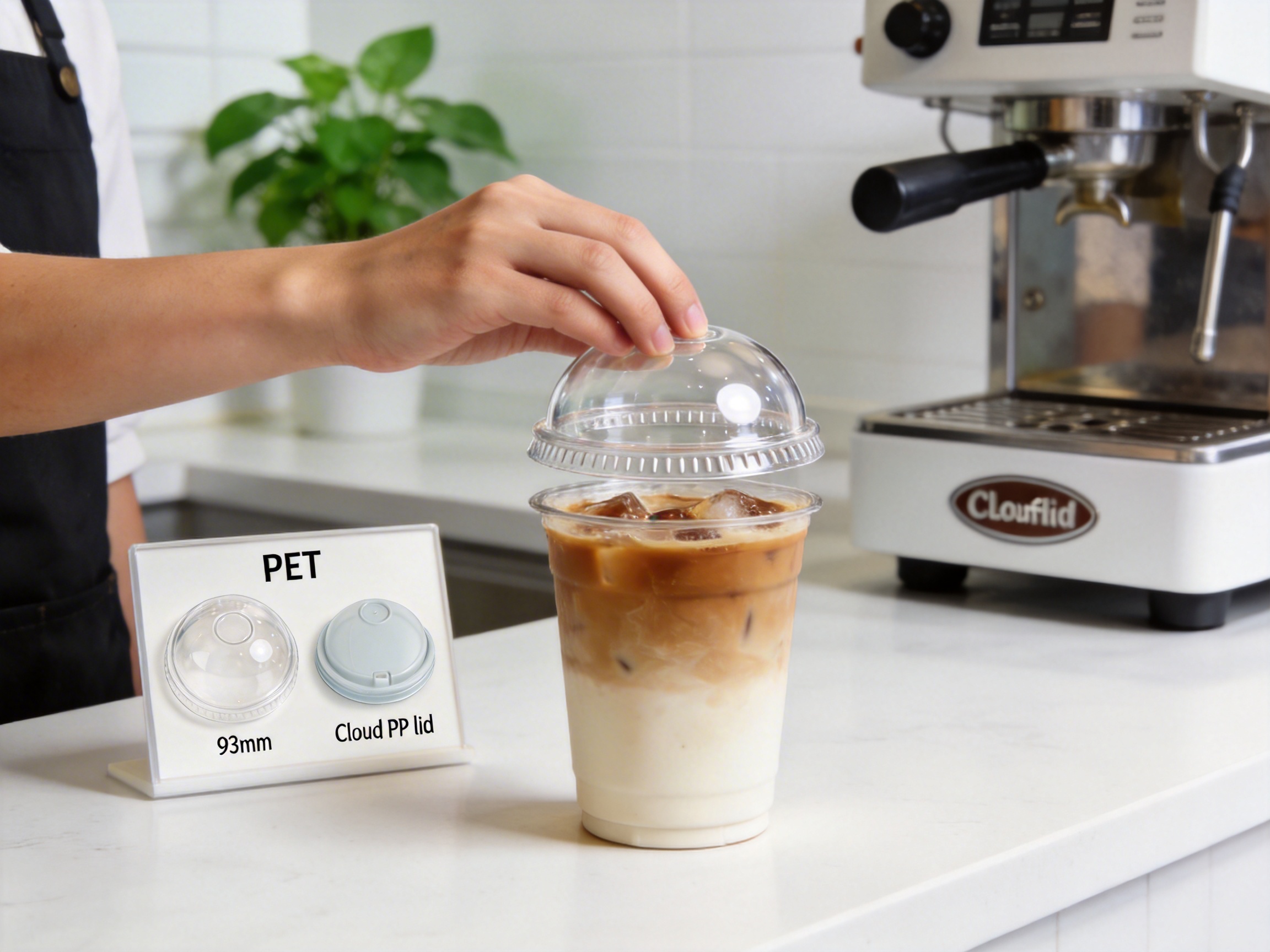
What Makes PET Ball Plastic Cup Lids Stand Out?
PET ball plastic cup lids are not merely functional accessories—they are engineered to address the specific pain points of both businesses and consumers. From material selection to design details, every aspect of these lids is optimized for performance, usability, and sustainability.
1. Material Advantages: PET’s Unique Properties
The core of PET ball plastic cup lids lies in their use of food-grade PET (Polyethylene Terephthalate), a thermoplastic polymer renowned for its exceptional balance of strength, clarity, and safety. Unlike other plastics, PET offers a range of benefits that set it apart:
Unmatched Transparency: PET is celebrated for its crystal-clear clarity, allowing consumers to easily see the contents of the cup—whether it’s a creamy latte, a vibrant smoothie, or a refreshing iced tea. This transparency is not just aesthetic; it acts as a silent marketing tool, showcasing the quality of the beverage and making it more enticing to customers. For businesses, this visual appeal can drive higher sales and customer loyalty.
Lightweight Durability: PET is lightweight, reducing the overall weight of the packaging and lowering shipping costs for businesses. Despite its lightness, PET is surprisingly tough: it resists cracking, breaking, and warping, even when subjected to minor impacts or temperature fluctuations. This durability ensures that the lids remain intact during transport and use, preventing spills and minimizing waste.
Food-Grade Safety: The PET used in these lids is certified food-grade, meaning it is non-toxic, odorless, and free from harmful chemicals like BPA (Bisphenol A). This compliance with food safety regulations is non-negotiable for businesses operating in the food service industry, as it protects consumers and avoids costly regulatory penalties.
Heat Resistance: Unlike some plastics that melt or warp at high temperatures, PET is heat-resistant, making it suitable for both hot and cold beverages. This versatility eliminates the need for businesses to source separate lids for hot and cold drinks, simplifying inventory management and reducing costs.
Recyclability: PET is one of the most widely recycled plastics globally, with recycling programs available in most developed and many emerging markets. While PET ball lids are intended for single use, their recyclability reduces their environmental footprint compared to non-recyclable alternatives like PS (Polystyrene) or PVC (Polyvinyl Chloride).
2. Design & Functionality: Tailored for Usability
Beyond material properties, the design of PET ball plastic cup lids is optimized for practicality and user experience:
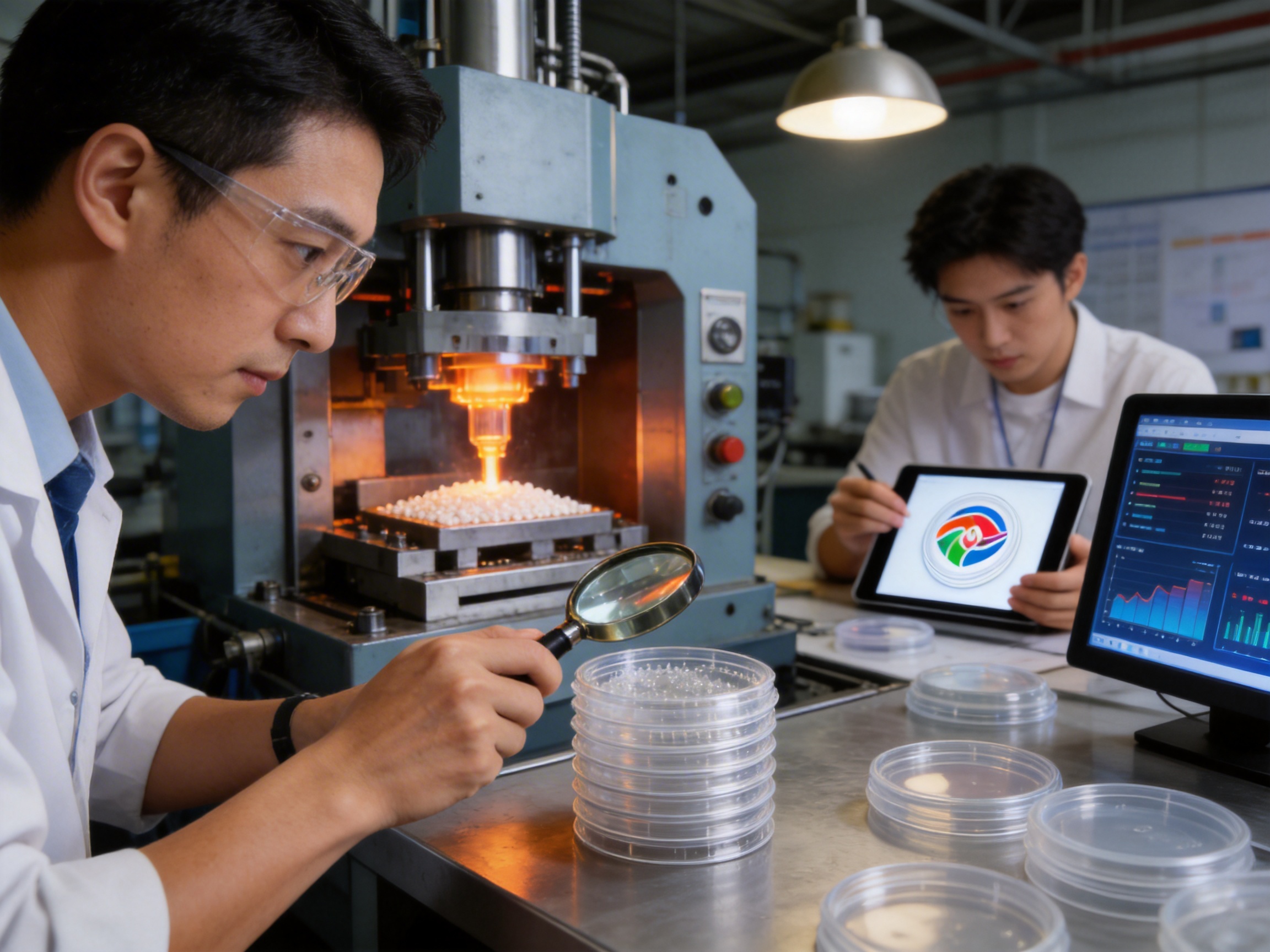
Versatile Calibers: These lids are available in three standard calibers—90mm, 93mm, and 98mm—covering the majority of mainstream cup sizes used in the food service industry. This versatility means businesses can use a single lid type for multiple cup sizes, reducing inventory complexity and storage costs.
To illustrate the standard specifications of PET ball plastic cup lids, the following table provides key details:
| Lid Type | Caliber(mm) | Gram weight(g) | Color |
| PET ball cap | 90 | 4 | Transparent |
| PET ball cap | 93 | 4 | Transparent |
| PET ball cap | 98 | 4 | Transparent |
Stackable Design: The lids are engineered to be stackable, saving valuable storage space for businesses—especially small cafes or food trucks with limited storage capacity. Stackable lids also improve efficiency during busy service hours, as they can be easily dispensed and organized.
Non-Slip Surface: The lid’s surface features a subtle non-slip texture, preventing accidental spills when consumers hold the cup. This is a critical safety feature, as it reduces the risk of burns from hot drinks or messes from cold beverages. The non-slip surface also makes it easier to remove the lid, even when wearing gloves.
Easy Cleanliness: PET’s smooth, non-porous surface makes the lids easy to clean. While intended for single use, they can be wiped down or washed quickly if reused, maintaining hygiene and reducing waste.
3. Certification & Compliance: Global Safety Standards
PET ball plastic cup lids are not only functional but also compliant with a range of international safety and quality standards. These certifications are a testament to the product’s reliability and the manufacturer’s commitment to excellence:
QS National Industrial Product Production License (China): This mandatory license ensures that the lids meet China’s strict food safety regulations, covering raw material selection, production processes, and quality control.
ISO 9001 Quality Management System Certification: This global standard certifies that the manufacturer has a robust quality management system in place, ensuring consistent product quality and customer satisfaction.
BRC Global Standards for Food Safety: BRC is a globally recognized standard for food safety, used by retailers and manufacturers worldwide. Compliance with BRC standards ensures that the lids are produced in a hygienic environment, reducing the risk of food contamination.
German DIN Certification: DIN (Deutsches Institut für Normung) sets high safety and quality standards for products sold in Europe. DIN certification confirms that the lids meet strict European safety requirements, making them suitable for export to EU markets.
EU ROHS+ Testing: ROHS (Restriction of Hazardous Substances) restricts the use of harmful chemicals in products. ROHS+ testing ensures that the lids are free from hazardous substances like lead, mercury, and cadmium, protecting both consumers and the environment.
Advanced Manufacturing Processes: Behind the Quality
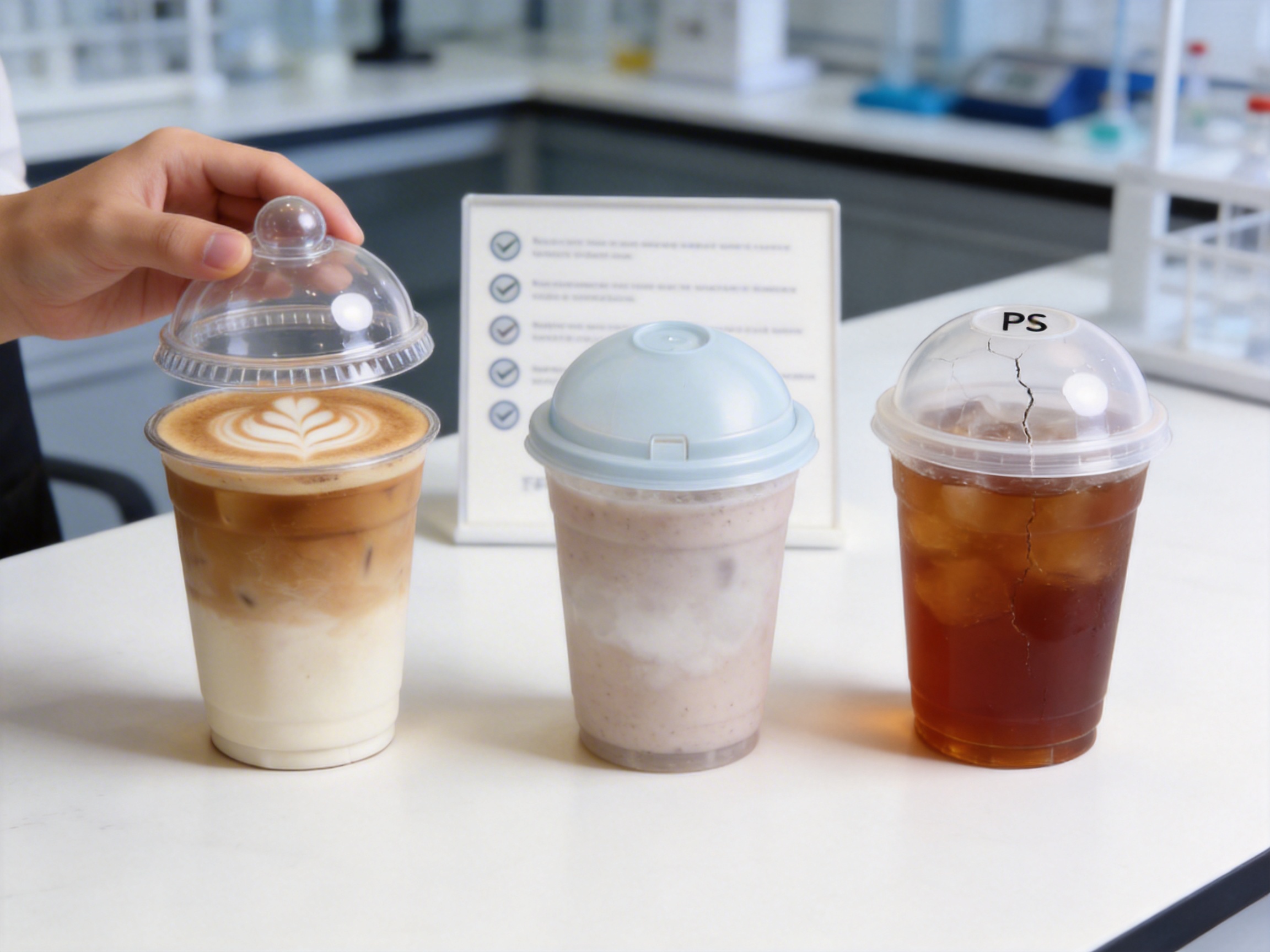
The superior quality of PET ball plastic cup lids is the result of state-of-the-art manufacturing processes and rigorous quality control measures. The manufacturer uses cutting-edge technology and expertise to ensure every lid meets the highest standards of precision and durability.
1. Precision Injection Molding Technology
Production begins with precision injection molding, a process that involves melting PET pellets and injecting the molten plastic into custom-designed molds:
High-Precision Molds: The molds are engineered with micron-level precision, ensuring that every lid has the exact same size and shape. This precision guarantees a tight fit with the cup body, preventing spills and leaks.
Burr-Free Production: The injection molding process is optimized to eliminate burrs—small, sharp edges that can be dangerous for consumers and affect product appearance. This ensures that the lids are safe and visually flawless.
Efficient Scalability: Advanced injection molding machines can produce large quantities of lids in a short time, allowing the manufacturer to meet high demand from businesses. This efficiency also keeps production costs low, making the lids affordable for customers.
2. Rigorous Quality Control
Quality control is integrated into every stage of production:
Raw Material Inspection: PET pellets are tested for purity, contaminants, and compliance with food-grade standards before production begins.
In-Line Inspection: Lids are inspected in real time during production to detect defects like warping, discoloration, or burrs. Defective lids are immediately removed from the line.
Final Product Testing: A sample of lids is tested for durability, heat resistance, transparency, and cup fit in a certified laboratory. These tests ensure compliance with all relevant standards.
3. Customization Capabilities
The manufacturer offers extensive customization options, allowing businesses to create lids that reflect their brand identity:
Aesthetic Customization: Businesses can add their logo, brand colors, or unique patterns to the lids. Advanced printing technology ensures that designs are clear, durable, and fade-resistant.
Functional Customization: Modifications like straw slots, vent holes for hot drinks, or sippy cup features can be added to meet specific business needs.
OEM Services: The manufacturer provides OEM (Original Equipment Manufacturer) services, allowing businesses to sell lids under their own brand name without investing in production facilities.
Competitive Advantages Over Alternatives
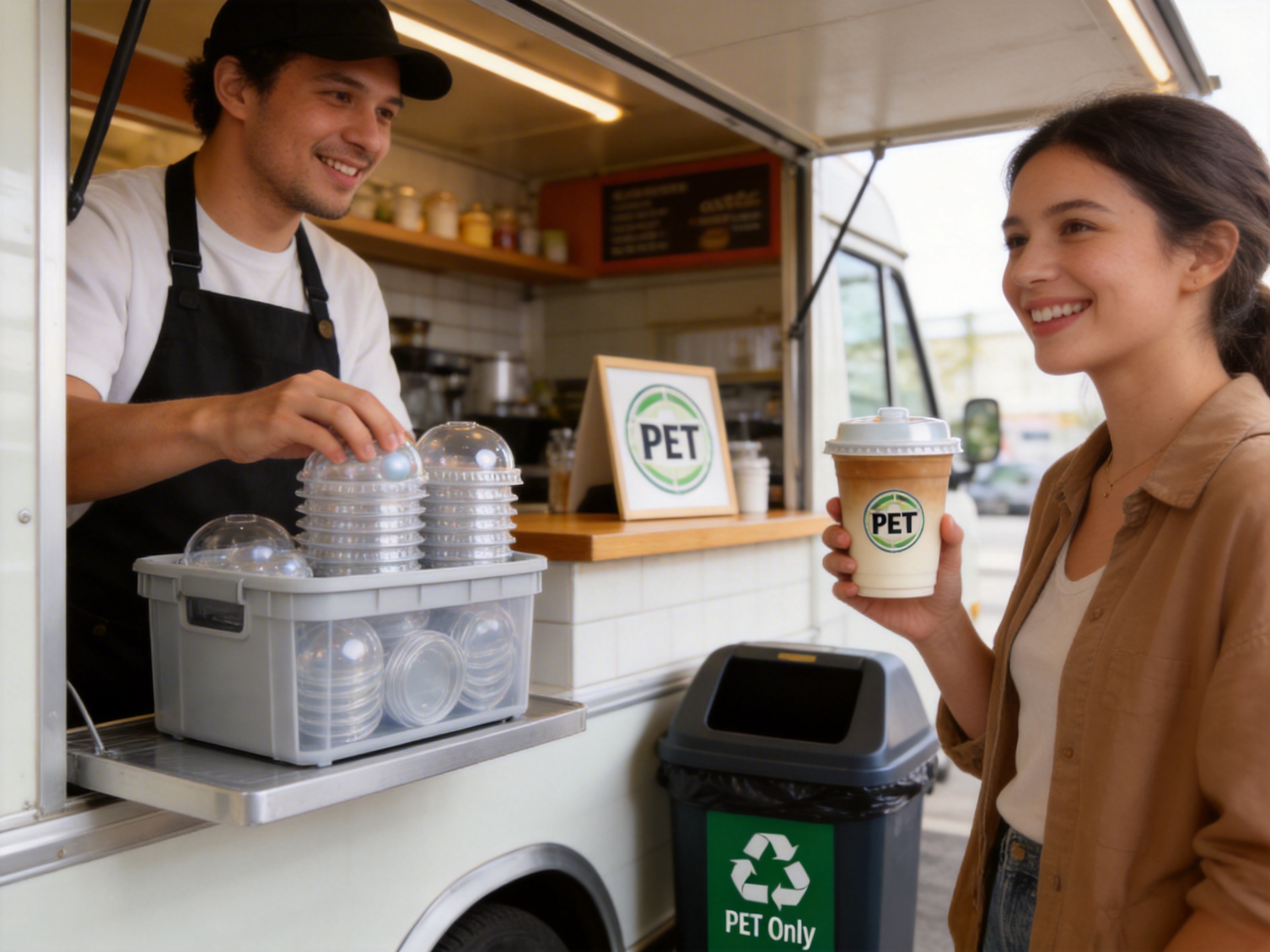
PET ball plastic cup lids outperform other disposable cup lids in key areas, making them a preferred choice for businesses:
1. Vs. PP (Polypropylene) Lids
PP lids are a common alternative, but they have significant drawbacks:
Transparency: PP lids are less transparent than PET, reducing the visual appeal of beverages. This can hurt sales, as consumers are less likely to choose a drink they cannot see.
Heat Resistance: PP has a lower melting point than PET, so it may warp or melt when exposed to very hot liquids. PET lids are more heat-resistant, making them suitable for a wider range of hot drinks.
Durability: PP lids are flexible, which can lead to loose fits and spills. PET lids are stiffer and more durable, ensuring a tight seal.
2. Vs. PS (Polystyrene) Lids
PS lids are another alternative, but they are less sustainable and less durable:
Brittleness: PS is brittle and prone to cracking or breaking, especially during transport. This increases waste and customer complaints.
Recyclability: PS is less widely recycled than PET, leading to higher environmental impact. PET lids are more recyclable, aligning with consumer demand for sustainable packaging.
3. Vs. Generic Disposable Lids
Generic lids are often cheaper, but they lack quality and compliance:
Certifications: Generic lids rarely have the same range of international certifications as PET ball lids, putting businesses at risk of regulatory non-compliance.
Customization: Generic lids offer no customization options, limiting brand visibility. PET ball lids can be tailored to reflect a business’s unique identity.
Impact on the Food Service Industry
PET ball plastic cup lids have transformed the food service industry by offering businesses a reliable, cost-effective, and consumer-friendly solution:
1. Operational Efficiency
For businesses, PET ball lids simplify operations:
One-Stop Solutions: The manufacturer offers end-to-end services, from design to delivery, reducing the time and effort required to source lids.
Inventory Simplification: The three standard calibers cover most cup sizes, reducing inventory complexity and storage costs.
2. Consumer Satisfaction
For consumers, PET ball lids enhance the drinking experience:
Visual Appeal: The clear lids make beverages look more appetizing, increasing customer satisfaction.
Safety: The non-slip surface and tight fit reduce spills and burns, making the experience safer.
3. Sustainability
While disposable, PET ball lids are more sustainable than many alternatives:
Recyclability: PET is widely recycled, reducing plastic waste.
Green Production: The manufacturer uses energy-efficient equipment and optimizes processes to minimize emissions and waste.
Q&A Section
To address common questions about PET ball plastic cup lids, we have compiled the following Q&A:
Q1: What calibers are available for PET ball plastic cup lids?
A: PET ball lids are available in three standard calibers: 90mm, 93mm, and 98mm. These sizes cover most mainstream cup body specifications in the food service industry.
Q2: Are these lids safe for hot drinks?
A: Yes. PET is heat-resistant, making these lids suitable for hot beverages like coffee and tea without warping or melting.
Q3: Can I customize the lids with my brand logo?
A: Yes. The manufacturer offers personalized customization, including logo printing, color changes, and functional modifications like straw slots.
Q4: What certifications do these lids hold?
A: The lids hold certifications including QS (China), ISO 9001, BRC, DIN (Germany), and EU ROHS+.
Q5: How long does it take to get customized lids?
A: Sample production takes 1-2 weeks, and bulk orders take 3-4 weeks, depending on design complexity and quantity.
References
1. Global Disposable Food Packaging Market Report 2023-2030, Grand View Research, Inc., 2023.
2. ISO 9001:2015 Quality Management Systems – Fundamentals and Vocabulary, International Organization for Standardization, 2015.
3. BRC Global Standards for Food Safety: Issue 8, British Retail Consortium, 2022.
4. DIN EN 1093-1: Safety of machinery – Evaluation of the risk of mechanical parts – Part 1: Principles for risk assessment, Deutsches Institut für Normung, 2020.
5. ROHS Directive 2011/65/EU (EU Restriction of Hazardous Substances), European Commission, 2011.
6. China Food Safety Law (2021 Revision) – Requirements for Food Contact Materials, National People’s Congress of China, 2021.
7. Polyethylene Terephthalate (PET) – Properties and Applications, American Chemistry Council, 2022.