English
 Español
 عربى
عربىContent
- 1 Product Overview: A Practical Lid for Modern Takeaway Beverage Service
- 2 Core Product Specifications
- 3 Why PP Is a Strong Material Choice for Disposable Cup Lids
- 4 Glossy and Frosted Finishes: Two Styles for Different Brand Needs
- 5 Leak-Proof Design for Takeaway and Delivery Applications
- 6 Thickened and Durable Structure
- 7 Non-Toxic, Odorless, and Suitable for Food Packaging
- 8 Advantages Over Common Competitor Lids
- 9 Manufacturing Strength: Precision Injection Molding
- 10 Advanced Process Control from Raw Material to Finished Product
- 11 Company Manufacturing Background and Production Capability
- 12 Quality Management Supported by Certifications
- 13 Why Manufacturing Experience Matters in Cup Lid Production
- 14 Applications in Beverage and Foodservice Markets
- 15 Color Options for Functional and Branding Needs
- 16 Environmental Considerations and Responsible Packaging
- 17 Customization and Design Support for Disposable Food Packaging
- 18 Operational Benefits for Foodservice Businesses
- 19 Storage, Handling, and Usage Recommendations
- 20 How This Lid Supports Brand Trust
- 21 Comparison with Thin Thermoformed or Low-Grade Lids
- 22 Supply Chain Value for Distributors and Packaging Buyers
- 23 Q&A Section
- 23.1 Q1: What is the main material of the frosted and glossy injection cup lid?
- 23.2 Q2: What is the size of this cup lid?
- 23.3 Q3: What is the gram weight of the lid?
- 23.4 Q4: What colors are available?
- 23.5 Q5: What is the difference between the glossy and frosted versions?
- 23.6 Q6: Is the lid designed to prevent leakage?
- 23.7 Q7: Is the product suitable for food and beverage packaging?
- 23.8 Q8: Why is injection molding beneficial for cup lids?
- 23.9 Q9: What types of businesses can use this lid?
- 23.10 Q10: What makes this lid more competitive than many ordinary lids?
- 24 References
In the modern takeaway beverage and food service market, the lid is no longer a minor accessory. It is a functional packaging component that affects spill prevention, drinking comfort, customer safety, product appearance, delivery performance, and brand perception. A well-made plastic cup lid can determine whether a drink arrives cleanly, whether a customer feels confident carrying a beverage, and whether a foodservice operator reduces waste caused by leakage and replacement orders.
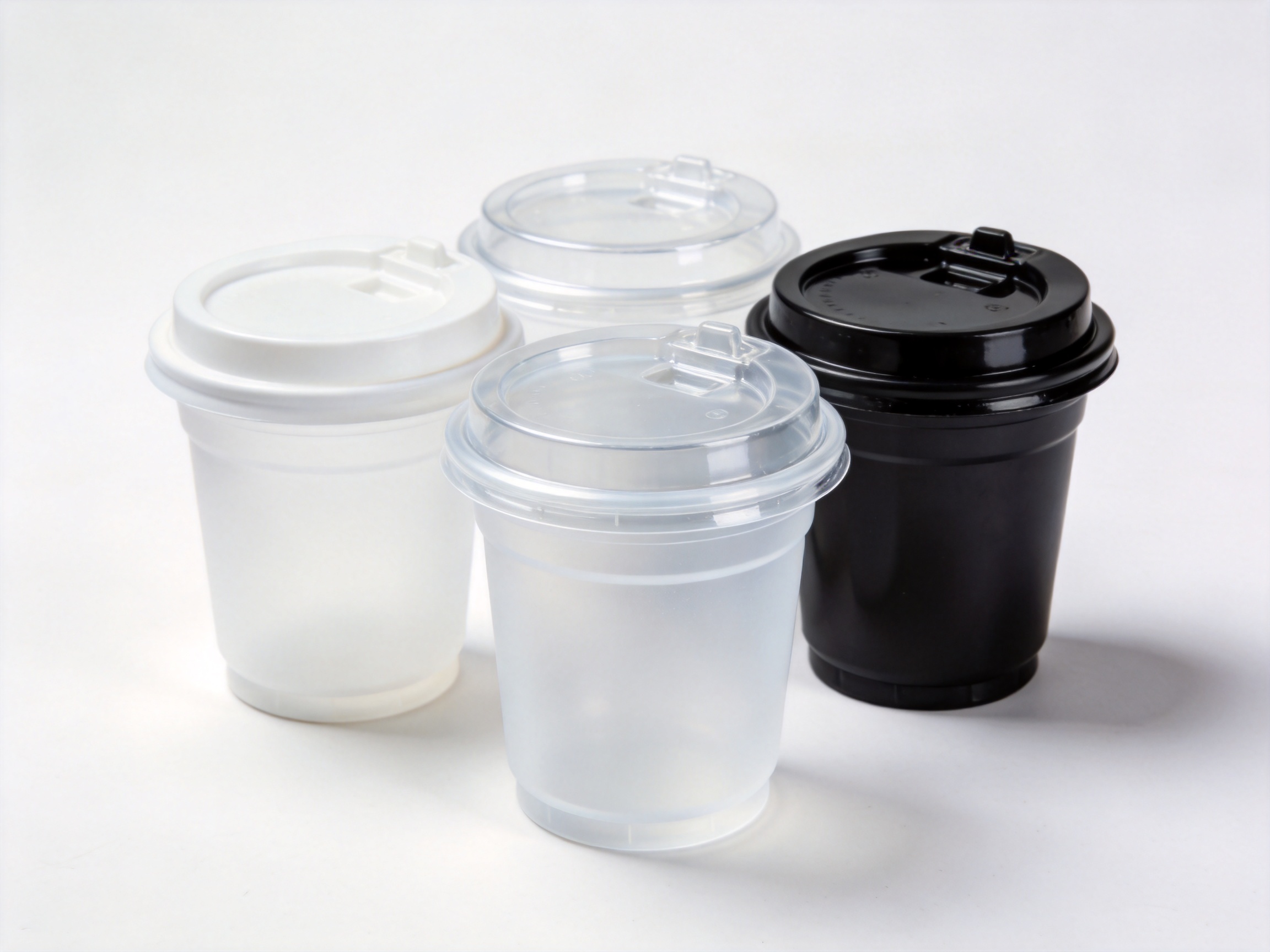
The PP plastic frosted and glossy injection cup lid is designed for disposable food packaging applications that demand strength, cleanliness, stable fitting, and practical presentation. Made by injection molding, this 90 mm cup lid is available in glossy and frosted surface finishes, with transparent, white, and black color options. With a gram weight of 4.5 g, it balances durable structure with efficient material usage, making it suitable for beverage shops, takeaway restaurants, convenience stores, dessert stores, catering chains, and packaging distributors.
Unlike thin, poorly fitted lids that deform easily or allow drinks to splash through gaps, this PP injection molded lid is built for a more secure experience. Its leak-proof design, thickened structure, non-toxic material profile, odorless performance, and food-contact suitability make it a strong choice for businesses that need consistent disposable cup lid performance at scale.
Product Overview: A Practical Lid for Modern Takeaway Beverage Service
The PP plastic frosted and glossy injection cup lid is a disposable food packaging component developed for use with compatible plastic cups, especially 90 mm caliber cups. The product belongs to the category of PP injection molded cup lids and is part of a broader disposable packaging system that may include plastic cups, takeaway bowls, disposable straws, recycle bags, peripheral packaging products, and injection film lining cups and bowl boxes.
Its main purpose is simple but essential: to cover a cup securely, protect the beverage from contamination, reduce leakage during handling and delivery, and provide a clean, professional appearance. Although many disposable cup lids look similar at first glance, differences in material selection, molding precision, rim fit, thickness, surface finish, and quality inspection can significantly affect real-world performance.
This product is produced from polypropylene, commonly known as PP, a plastic widely used in food packaging because of its balance of strength, chemical resistance, temperature tolerance, and low odor characteristics. PP is especially valued in disposable beverage packaging because it can maintain its structure better than many low-grade materials and can be molded into detailed shapes with stable dimensions.
The product is offered in two surface styles: glossy injection molded cover and frosted injection molded cover. The glossy version provides a smooth and bright appearance that works well for brands seeking a clean, transparent, or premium visual effect. The frosted version provides a softer, matte-like look that can reduce visible fingerprints and create a more refined texture. Both versions share the same 90 mm caliber and 4.5 g gram weight, with transparent, white, and black options available.
Core Product Specifications
The following table summarizes the main specifications of the PP plastic frosted and glossy injection cup lid.
| Lid Type | Caliber | Gram Weight | Color Options | Main Features |
| Glossy injection molded cover | 90 mm | 4.5 g | Transparent, White, Black | Leak-proof design, smooth appearance, thickened structure, food-contact suitable PP material |
| Frosted injection molded cover | 90 mm | 4.5 g | Transparent, White, Black | Leak-proof design, matte texture, durable structure, odorless and non-toxic material profile |
Why PP Is a Strong Material Choice for Disposable Cup Lids
Polypropylene is widely selected for disposable food packaging because it combines several advantages that are important in daily foodservice operations. It is lightweight, moldable, durable, and suitable for forming complex structural details. For cup lids, these details can include the snap rim, drinking area, reinforcement lines, and sealing geometry that help the lid attach securely to a compatible cup.
PP also has good resistance to moisture and many common food and beverage substances. For beverage service, this matters because lids may come into contact with water, tea, juice, milk tea, coffee, fruit drinks, toppings, ice, syrups, and other ingredients. A suitable lid should not easily soften, crack, or release an unpleasant odor during ordinary use.
Another advantage of PP is its ability to be injection molded with high consistency. Injection molding allows molten PP to enter a precision mold cavity and cool into a stable shape. Compared with lower-precision forming methods, injection molding can create thicker, more accurate, and more repeatable cup lids. This contributes to a more secure fit and a better user experience.
For businesses that manage large order volumes, consistency is not optional. A lid that fits perfectly in one batch but loosely in another creates operational risk. PP injection molding helps reduce this variation by controlling temperature, pressure, cooling, cavity structure, and cycle timing. When supported by disciplined manufacturing management, it becomes possible to produce large quantities of lids with reliable dimensions and stable quality.
Glossy and Frosted Finishes: Two Styles for Different Brand Needs
The availability of both glossy and frosted finishes gives foodservice businesses greater flexibility. Different beverage brands and takeaway operations have different visual identities. Some prefer bright, transparent packaging that allows customers to see the product clearly. Others prefer a calmer, more elegant surface that gives the packaging a subtle, premium feeling.
Glossy Injection Molded Cover
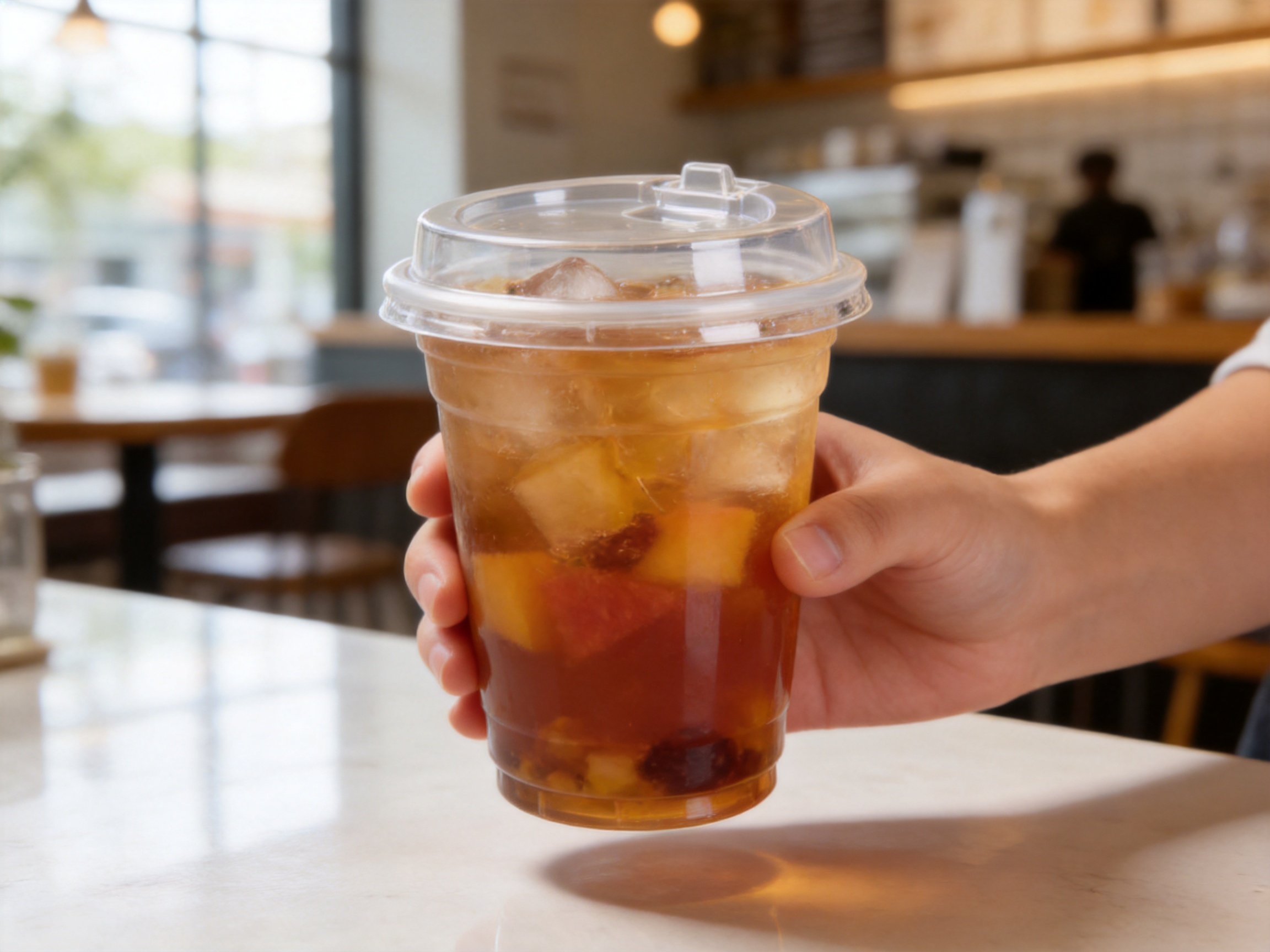
The glossy version provides a smooth surface and clean shine. This finish is suitable for beverage brands that want a bright, clear, modern appearance. Transparent glossy lids are especially useful when the beverage presentation is important, such as colorful fruit teas, layered drinks, iced coffees, juices, and milk teas with visible toppings.
Glossy lids also provide a familiar consumer experience. Many customers associate glossy transparent lids with cleanliness and freshness because they can easily see the beverage beneath. For takeaway displays, this can help present the drink attractively and improve customer confidence.
Frosted Injection Molded Cover
The frosted version offers a softer visual effect. It can make packaging feel more refined and less reflective. Frosted transparent lids still allow some visibility while reducing glare. White and black frosted lids can support minimalist, high-end, or modern brand styles.
Frosted surfaces may also help reduce the visibility of minor handling marks, which is useful in busy beverage shops where lids are stacked, moved, and applied quickly. For brands that value understated packaging, the frosted injection molded cover provides a distinct alternative to standard shiny lids.
Leak-Proof Design for Takeaway and Delivery Applications
Leakage is one of the most common complaints in takeaway beverage packaging. Even a small leak can stain bags, damage receipts, affect food items in the same order, and create customer dissatisfaction. A lid must therefore do more than simply sit on top of a cup. It must interact accurately with the cup rim and maintain its position during movement.
The PP plastic frosted and glossy injection cup lid is designed with leak prevention in mind. The structure is thickened and shaped to provide a stable connection with compatible 90 mm cups. A secure lid fit helps reduce splashing and liquid escape during normal carrying, bagging, and delivery handling.
Compared with many low-cost lids that are thin, flexible, or inconsistent in size, an injection molded PP lid can provide a stronger rim grip and more stable dimensional control. This is especially important for drinks with ice, toppings, or foam, because these drinks may apply extra pressure to the lid during movement.
A good leak-proof design also improves staff efficiency. When lids snap on securely, employees spend less time checking and resealing cups. Faster lid application supports high-volume service during peak business hours, while reducing the chance of order failure caused by packaging problems.
Thickened and Durable Structure
The product has a gram weight of 4.5 g, giving it a durable structure while remaining lightweight enough for disposable packaging use. Thickness matters because a very thin lid may deform when pressed onto the cup, stacked in storage, or handled during delivery. Deformation can lead to poor sealing and customer complaints.
A thickened PP injection molded lid offers better rigidity. It can resist bending, maintain its shape during application, and provide a more confident feel in the customer’s hand. For takeaway beverage shops, this durability can reduce the number of lids wasted because of cracking, warping, or poor fit.
Durability also affects the perceived quality of the beverage. Customers may not consciously analyze a lid’s structure, but they immediately notice if the lid feels flimsy, loose, or unsafe. A stronger lid can make the entire package feel more reliable, even if the cup and beverage are otherwise standard.
For businesses, packaging is part of the product experience. A thickened lid supports a professional impression and can help distinguish a brand from competitors using cheaper, lighter, or poorly finished lids.
Non-Toxic, Odorless, and Suitable for Food Packaging
Food packaging safety is a central concern for manufacturers, distributors, restaurant chains, and consumers. A disposable cup lid comes into close contact with the drinking area and may touch liquid, vapor, or foam. Therefore, it should be produced from suitable raw materials and under controlled manufacturing conditions.
The PP plastic frosted and glossy injection cup lid is described as non-toxic and odorless. This is important because packaging should not interfere with the aroma or taste of the beverage. Strong plastic odors can reduce customer trust, especially for tea, coffee, juice, and other drinks where flavor perception matters.
Odorless packaging also reflects better raw material control and cleaner processing. In professional manufacturing, material selection, storage, drying, machine cleaning, and production environment management all influence the final sensory quality of a plastic food packaging product.
By using food-contact suitable PP and maintaining controlled production processes, the lid supports safer disposable beverage service. For catering brands that rely on repeat customers, this type of packaging reliability helps protect both product quality and brand reputation.
Advantages Over Common Competitor Lids
Many disposable lids in the market are designed mainly to reduce cost. While low cost is important, overly cheap lids often create hidden expenses. Leakage, cracking, inconsistent fit, unpleasant odor, poor stackability, and unattractive appearance can all increase waste and damage customer satisfaction.
The PP plastic frosted and glossy injection cup lid offers several advantages over common competitor products. First, the injection molded structure provides better dimensional stability. A more accurate rim shape helps the lid fit compatible cups more securely. This can reduce leakage and improve the customer’s feeling of safety when carrying a drink.
Second, the thickened 4.5 g structure provides a stronger hand feel than many ultra-thin alternatives. Some competitors reduce material too aggressively, resulting in lids that collapse under pressure or pop off during transport. A more balanced weight supports both durability and practical cost control.
Third, the choice between frosted and glossy finishes allows better brand matching. Many competitors offer only one standard appearance. By offering multiple finishes and colors, this product can serve different market segments, from simple daily takeaway shops to premium beverage chains.
Fourth, the use of PP material supports good toughness and food packaging performance. Some inferior products may use lower-quality material, recycled material without proper control, or inconsistent color masterbatch, resulting in odor, brittleness, or appearance defects. A disciplined PP injection molding process helps deliver cleaner, more stable results.
Fifth, the product is supported by a manufacturer with experience in food packaging materials and products, a large production base, and multiple certifications. This gives buyers greater confidence in supply continuity, quality management, and large-volume order capability.
Manufacturing Strength: Precision Injection Molding
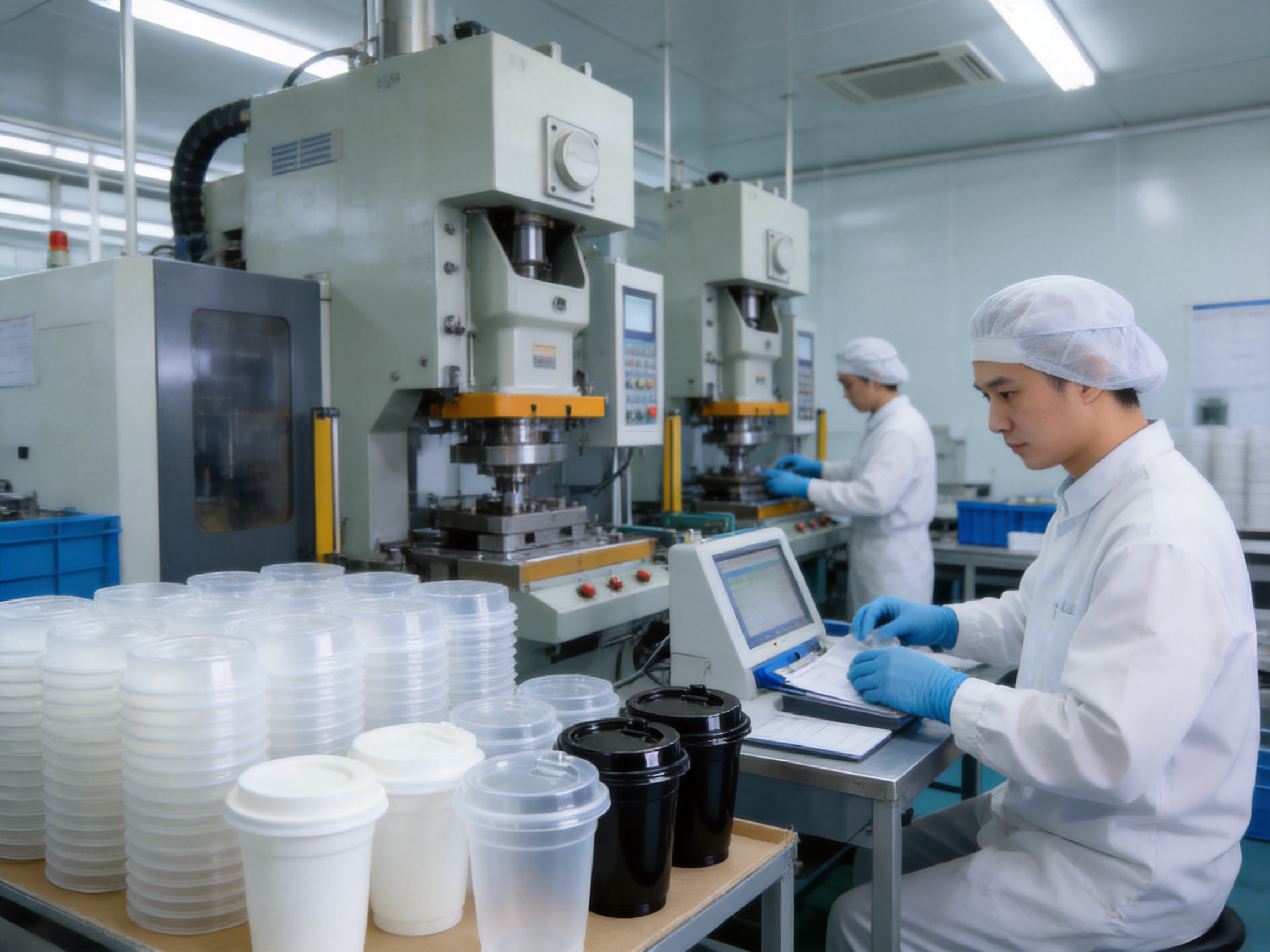
Injection molding is one of the most important advantages of this cup lid. In this process, PP resin is heated until it becomes molten, then injected into a precision mold under controlled pressure. After filling the mold cavity, the material is cooled and solidified into the final lid shape. The part is then ejected and moved into inspection, stacking, and packaging operations.
This process is suitable for cup lids because it can create accurate shapes and repeatable details. The rim area of a lid must be precisely formed so that it attaches to the cup without being too loose or too tight. If the lid is too loose, leakage and popping can occur. If it is too tight, employees may struggle to apply it, causing slower service or cup deformation.
Advanced injection molding control includes material temperature, mold temperature, injection speed, holding pressure, cooling time, and ejection balance. Each setting affects the final product. For example, insufficient holding pressure may cause shrinkage or weak rim formation, while improper cooling may cause warping. Experienced manufacturers understand how to balance these parameters to achieve stable quality.
For frosted and glossy lids, mold surface treatment is also important. A glossy lid requires a smooth, polished cavity surface to create shine. A frosted lid requires a controlled textured surface to create a matte effect. This means the manufacturer must manage not only the plastic material but also mold design and mold maintenance.
Advanced Process Control from Raw Material to Finished Product
A strong cup lid begins with proper raw material selection. PP resin should be clean, consistent, and suitable for food packaging production. Before production, raw materials are stored and prepared to reduce contamination risk. Color masterbatch, when used for white or black lids, must be compatible with PP and properly dosed to maintain uniform color.
During injection molding, production technicians monitor machine settings and product appearance. Stable temperature control helps prevent burning, discoloration, flow marks, or weak areas. Balanced injection pressure helps the PP fill the mold evenly. Proper cooling ensures the lid maintains its designed shape after ejection.
After molding, the lids can be inspected for appearance, rim integrity, dimensions, color consistency, and general cleanliness. Defective lids, such as those with incomplete molding, warping, stains, cracks, or flash, should be removed before packing. This type of process control supports the high expectations of foodservice buyers.
Stacking and packing are also important. Lids must be stacked neatly so that foodservice staff can separate and apply them quickly. Poorly stacked lids can slow operations or cause contamination. Good packaging protects the lids during transport and storage, helping customers receive products in clean and usable condition.
Company Manufacturing Background and Production Capability
Yuqian Packaging Technology (Jiangsu) Co., Ltd. was established in 2010 and is located in Taizhou City, Jiangsu Province, China. The company operates from a plant area of approximately 30,000 square meters and focuses on the research and development, production, and sales of new food packaging materials and products.
The company’s product coverage includes plastic cups, plastic cup lids, takeaway bowls, disposable straws, recycle bags, peripheral products, and injection film lining cup and bowl boxes. This broad product range allows customers to source multiple packaging components from one supplier, improving consistency and simplifying procurement.
In the packaging industry, manufacturing scale and system management matter. A 30,000 square meter facility provides the space needed for production lines, raw material storage, mold management, finished goods warehousing, inspection areas, and logistics organization. For customers ordering large quantities of disposable food packaging containers, this helps support stable supply.
The company has passed or obtained several certifications and testing systems, including the QS national industrial product production license, ISO9001 Quality Management System certification, BRC certification, German DIN safety certification, and EU ROHS testing. These credentials indicate attention to production control, safety management, quality consistency, and international customer requirements.
In January 2019, the company established a Shanghai branch to improve service quality and expand business channels. This reflects a commitment to customer support, market response, and business development.
Quality Management Supported by Certifications
Certifications do not automatically guarantee that every product is perfect, but they do show that a manufacturer has built systems for quality and safety management. For disposable food packaging buyers, this matters because packaging products are used in direct food and beverage service environments.
ISO9001 certification is related to quality management systems. It emphasizes process control, documentation, corrective action, and continuous improvement. For cup lid production, this can support more consistent manufacturing and better traceability.
BRC certification is widely recognized in food-related supply chains and can be important for customers who sell into regulated or quality-sensitive markets. DIN safety certification and EU ROHS testing further reflect attention to safety standards and restricted substance control.
The QS national industrial product production license indicates that the manufacturer has met relevant production requirements in China for industrial products. Together, these certifications help differentiate the manufacturer from less organized competitors that may operate without disciplined quality systems.
Why Manufacturing Experience Matters in Cup Lid Production
Disposable cup lids may appear simple, but large-scale production requires experience. Small dimensional errors can cause serious problems. A lid that is only slightly oversized may be hard to press onto the cup. A lid that is slightly undersized may fall off easily. A rim that is uneven may leak even if the material itself is strong.
Experienced manufacturers understand how mold design, PP shrinkage, material flow, cooling rate, and cup compatibility interact. They also understand that customers may use cups from different production batches or suppliers, so lid design must account for practical tolerance ranges.
Experience also supports troubleshooting. If a production batch shows warping, surface marks, color difference, or stacking issues, skilled technicians can identify causes and adjust settings. This reduces waste and improves delivery reliability.
For buyers, choosing an experienced manufacturer reduces risk. It is not only the product specification that matters, but also the ability of the factory to repeat that specification over time.
Applications in Beverage and Foodservice Markets
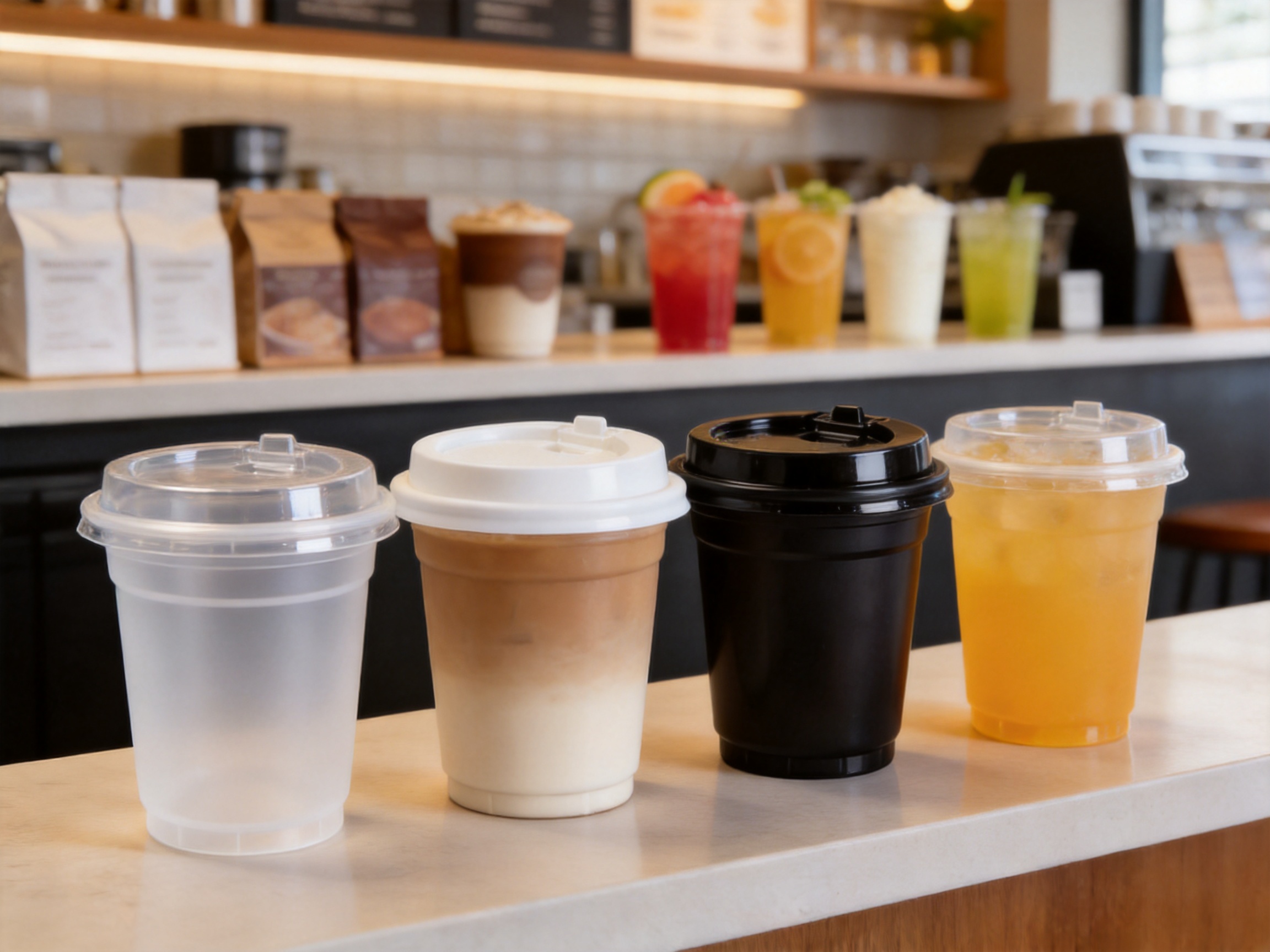
The PP plastic frosted and glossy injection cup lid is suitable for many beverage and foodservice scenarios. It can be used by milk tea shops, coffee shops, juice bars, dessert stores, fast food outlets, convenience stores, catering companies, delivery platforms, and event service providers.
In milk tea and fruit tea shops, lids must handle drinks with ice, toppings, foam, and shaking during transport. A secure 90 mm lid helps protect the drink and maintain presentation. Transparent lids can show beverage color and toppings, while black or white lids can support a stronger branded appearance.
In coffee service, odorless material is especially important because coffee aroma is part of the customer experience. A lid that adds plastic smell can damage the perceived quality of the drink. PP material and controlled manufacturing help reduce this risk.
In convenience stores, packaging must be easy for staff and customers to use. Lids should stack well, separate smoothly, and fit quickly. Thickened injection molded lids help reduce breakage during fast handling.
For delivery orders, leak prevention is particularly important. Drinks may be placed in bags, carried by riders, and exposed to vibration. A stronger lid helps protect the order during this process.
Color Options for Functional and Branding Needs
The product is available in transparent, white, and black. Each color serves different practical and branding purposes.
Transparent lids are ideal when visual clarity is important. Customers can see the beverage, foam, ice, toppings, and liquid level. This is useful for colorful drinks, fruit teas, layered beverages, desserts, and promotional products where appearance drives purchase desire.
White lids create a clean and simple look. They are suitable for brands that want a bright, hygienic, and neutral packaging style. White also works well with many cup designs and printed logos.
Black lids provide a modern and premium appearance. They can create contrast with transparent cups or colorful drinks and may be preferred by coffee shops, specialty beverage brands, and restaurants that want a more distinctive packaging image.
By offering three color options across both glossy and frosted finishes, the product gives buyers more design flexibility than basic one-style competitor lids.
Environmental Considerations and Responsible Packaging
Disposable packaging must balance hygiene, convenience, cost, and environmental responsibility. PP is a plastic material that can be recyclable in appropriate recycling systems. While local recycling availability varies by region, the use of PP supports the possibility of material recovery where collection and processing infrastructure exists.
The lid’s 4.5 g gram weight is also relevant. It is designed to provide strength without unnecessary excess. Responsible packaging does not simply mean making products as thin as possible. If a lid is too weak and causes leakage, replacement drinks, extra bags, wasted product, and customer complaints may create greater overall waste. A functional, durable lid can help reduce failure-related waste.
The manufacturer also focuses on new food packaging materials and biodegradable material development within its broader business scope. This indicates awareness of changing packaging trends and the need for more sustainable solutions in the foodservice industry.
For customers, responsible use includes matching lids with compatible cups, storing products properly, avoiding contamination, and following local waste sorting or recycling guidance after use.
Customization and Design Support for Disposable Food Packaging
Modern catering brands increasingly need packaging that reflects their identity. Packaging is not only a container; it is a visible part of the customer experience. A beverage cup and lid travel with the customer, appear in social media photos, and influence the perceived value of the drink.
As a disposable food packaging container manufacturer and factory, Yuqian Packaging Technology supports customized disposable food packaging and personalized design. For foodservice brands, this can help create packaging systems with unique charm and consistent style.
Although this specific lid is described in standard 90 mm specifications, customization may involve color selection, packaging combination, compatible cup matching, and broader product system planning. Customers who need cups, lids, bowls, straws, bags, and related packaging can benefit from working with a supplier that understands complete food packaging systems.
Design support can also help reduce compatibility issues. When cup and lid are planned together, the rim dimensions, material structure, and functional requirements can be coordinated more effectively. This improves the user experience and reduces the risk of leakage.
Operational Benefits for Foodservice Businesses
For a beverage shop or restaurant, packaging must support daily operations. A lid that is difficult to apply slows down service. A lid that leaks causes refunds and complaints. A lid that cracks wastes inventory. A lid with poor appearance weakens brand image.
The PP plastic frosted and glossy injection cup lid provides operational benefits in several ways. Its injection molded structure supports consistent fitting, which helps staff apply lids quickly. Its thickened design improves durability during storage and use. Its odorless quality protects beverage flavor. Its color and finish options support different presentation styles.
For chain stores, consistency across locations is especially important. Customers expect the same experience regardless of which store prepares the drink. A stable packaging supplier helps maintain this consistency.
For distributors, reliable specifications reduce customer complaints and return rates. A lid that meets common 90 mm requirements and offers multiple styles can serve a wide customer base.
Storage, Handling, and Usage Recommendations
To maintain lid quality, customers should store the product in a clean, dry, and well-ventilated environment. Direct sunlight, high heat, dust, and strong odors should be avoided. Even high-quality packaging can be affected by poor storage conditions.
During handling, staff should keep lids in their protective packaging until use. Opened stacks should be placed in clean dispensers or covered areas to prevent dust contamination. Employees should avoid touching the drinking area unnecessarily.
Before large-scale use, businesses should confirm compatibility between the 90 mm lid and their selected cups. Even when caliber is the same, cup rim shape and thickness may vary among suppliers. Testing ensures that the lid fits securely and performs as expected.
When applying the lid, staff should press evenly around the rim until the lid is fully seated. Uneven application can create gaps, even when the lid itself is well designed. Training employees on correct lid application is a simple way to reduce leakage.
How This Lid Supports Brand Trust
Customers judge food and beverage brands through many small details. Packaging is one of the most visible details. If a drink leaks, the customer may blame the brand, not the packaging supplier. If the lid feels strong and clean, the customer is more likely to trust the overall product.
The PP plastic frosted and glossy injection cup lid supports brand trust through functional reliability and professional appearance. It helps protect the drink, reduces mess, and gives customers confidence when carrying takeaway beverages.
In competitive beverage markets, customer loyalty is influenced by convenience and consistency. A delicious drink can lose value if the packaging fails. Conversely, strong packaging can improve the entire experience and encourage repeat purchases.
By choosing a thickened, odorless, injection molded PP lid from a manufacturer with recognized production systems, businesses can strengthen the reliability of their takeaway service.
Comparison with Thin Thermoformed or Low-Grade Lids
Some disposable lids are produced using lighter forming methods or lower material weights. These products can be inexpensive, but they may not provide the same rigidity or dimensional control as a well-made injection molded PP lid. Thin lids can bend during application, creating incomplete seals. They can also crack when exposed to pressure or become loose during transport.
Low-grade lids may also show surface defects, uneven color, inconsistent stacking, or odor problems. In a single-use product, these issues may seem minor, but at scale they can affect thousands of customer interactions.
The PP plastic frosted and glossy injection cup lid offers a stronger balance. Its 4.5 g weight gives practical durability. Its injection molded formation supports accurate fitting. Its finish options improve appearance. Its food-contact suitable PP material helps provide a cleaner sensory experience.
For businesses comparing packaging suppliers, the lowest unit price should not be the only factor. Total cost should include leakage losses, staff time, customer complaints, product waste, and brand impact. A reliable lid can often be more cost-effective in real operating conditions.
Supply Chain Value for Distributors and Packaging Buyers
Packaging distributors need products that are easy to sell, easy to explain, and dependable after delivery. This lid meets those needs because it has clear specifications, practical features, and broad market application. The 90 mm size is commonly relevant in beverage packaging, while the choice of frosted or glossy finish allows distributors to serve customers with different aesthetic preferences.
For large buyers, supplier reliability is as important as product design. A manufacturer with a large plant area, quality certifications, broad product range, and years of industry experience can better support repeat orders and stable delivery schedules.
Buyers may also benefit from sourcing related products, such as cups, bowls, straws, recycle bags, and other disposable food packaging containers, from the same manufacturing group. This can simplify communication and improve compatibility between packaging components.
Q&A Section
Q1: What is the main material of the frosted and glossy injection cup lid?
The lid is made from PP, or polypropylene. PP is widely used in disposable food packaging because it is lightweight, durable, moldable, and suitable for producing stable cup lid structures.
Q2: What is the size of this cup lid?
The lid has a 90 mm caliber. Buyers should test it with their selected cups before large-scale use because cup rim shape and thickness may vary among different cup suppliers.
Q3: What is the gram weight of the lid?
The gram weight is 4.5 g. This supports a thickened and durable structure while keeping the product practical for disposable food packaging applications.
Q4: What colors are available?
The lid is available in transparent, white, and black. These color options support different beverage presentation styles and brand identities.
Q5: What is the difference between the glossy and frosted versions?
The glossy version has a smooth, bright surface that provides a clean and clear appearance. The frosted version has a softer matte-like texture that gives a more refined and understated look. Both versions share the same main functional advantages.
Q6: Is the lid designed to prevent leakage?
Yes. The lid is designed with leak-proof performance in mind. Its injection molded structure and thickened rim help it fit compatible cups securely and reduce leakage during normal takeaway and delivery handling.
Q7: Is the product suitable for food and beverage packaging?
Yes. The product is made for disposable food packaging applications. It is described as non-toxic and odorless, which is important for beverage service and customer confidence.
Q8: Why is injection molding beneficial for cup lids?
Injection molding allows precise shaping, stable dimensions, and consistent production. This is especially important for the rim area of the lid, where accurate fit affects leakage prevention and ease of application.
Q9: What types of businesses can use this lid?
The lid is suitable for milk tea shops, coffee shops, juice bars, dessert shops, fast food restaurants, convenience stores, catering companies, event services, delivery operations, and packaging distributors.
Q10: What makes this lid more competitive than many ordinary lids?
Its advantages include PP material, injection molded precision, thickened 4.5 g structure, leak-proof design, odorless performance, multiple surface finishes, multiple color choices, and support from an experienced food packaging manufacturer with recognized quality systems.
References
1. Brydson, J. A. Plastics Materials. Butterworth-Heinemann.
2. Robertson, G. L. Food Packaging: Principles and Practice. CRC Press.
3. Selke, S. E. M., Culter, J. D., and Hernandez, R. J. Plastics Packaging: Properties, Processing, Applications, and Regulations. Hanser Publications.
4. Rosato, D. V., Rosato, D. V., and Rosato, M. G. Injection Molding Handbook. Springer.
5. International Organization for Standardization. ISO 9001 Quality Management Systems: Requirements.
6. British Retail Consortium. Global Standard for Packaging Materials.
7. European Commission. Guidance on Materials and Articles Intended to Come into Contact with Food.
8. Marsh, K. and Bugusu, B. Food Packaging: Roles, Materials, and Environmental Issues. Journal of Food Science.