English
 Español
 عربى
عربىContent
In the fast-paced landscape of modern life, the demand for convenient, safe, and eco-friendly food packaging has never been higher. Disposable plastic takeaway containers have emerged as a cornerstone of the global catering industry, bridging the gap between on-the-go consumption and food safety. Unlike outdated alternatives—such as leak-prone paper containers or non-recyclable foam—today’s advanced plastic takeaway solutions offer unmatched versatility, durability, and customization. This article explores how these containers are transforming modern catering, their key advantages over competitors, and the cutting-edge manufacturing processes that ensure their quality and sustainability.
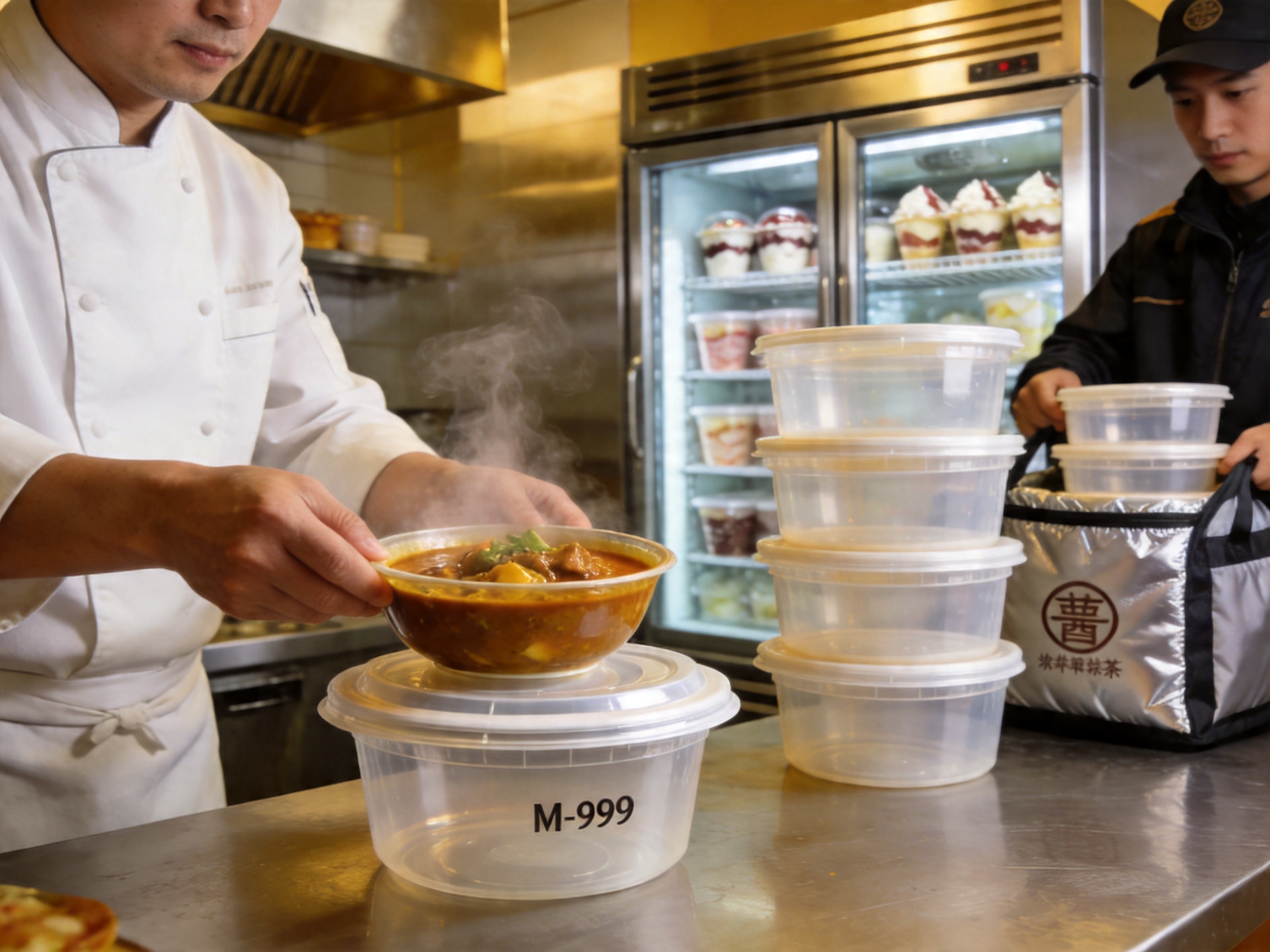
The rise of food delivery and takeaway services, accelerated by the COVID-19 pandemic, has reshaped consumer expectations. According to the Global Disposable Food Packaging Market Report 2023-2030, the market is projected to reach $XX billion by 2030, with plastic containers accounting for 35% of the share. This growth is driven by the need for packaging that can withstand diverse food types (from hot soups to frozen desserts), maintain freshness, and align with environmental goals. Modern disposable plastic takeaway containers are not just functional—they are engineered to meet the evolving needs of businesses and consumers alike.
Key Advantages of Modern Disposable Plastic Takeaway Containers
Temperature Versatility: Microwave and Refrigerator Safe
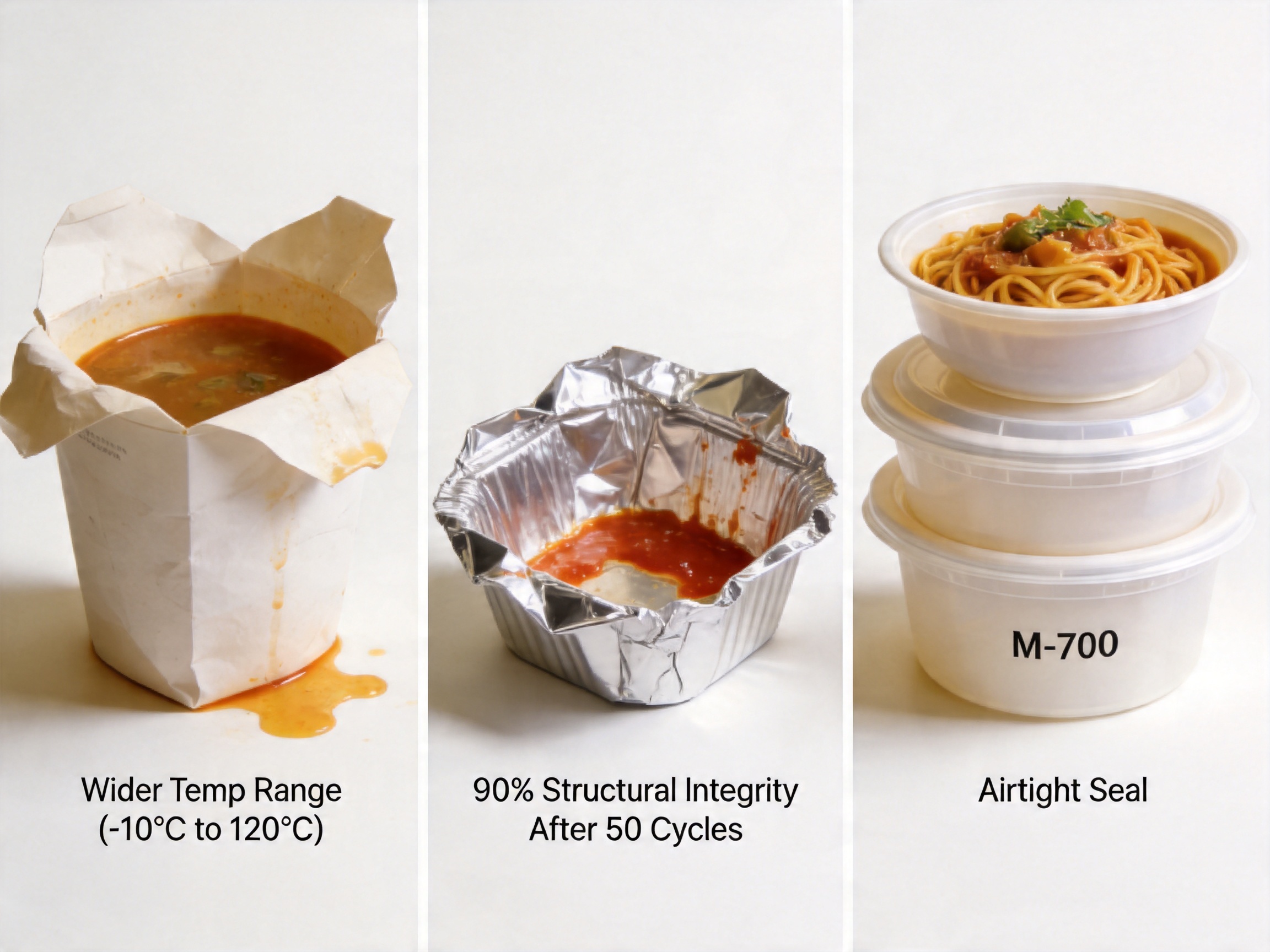
One of the most significant advantages of modern plastic takeaway containers is their ability to handle extreme temperatures. Unlike many paper or cardboard alternatives that break down at high heat or become brittle in cold, these containers are designed to withstand a range of -10°C to 120°C. This means they can safely store frozen meals, be reheated in the microwave, or hold hot dishes straight from the kitchen—eliminating the need for transferring food to separate containers. For consumers, this convenience translates to less cleanup and more time saved; for businesses, it means offering a seamless experience that keeps food quality intact.
Durability and Deformation Resistance
High-quality plastic takeaway containers are made from tough, food-grade materials (such as polypropylene, PP) that resist cracking, warping, and bending. Even under the pressure of stacking or rough handling during delivery, these containers maintain their shape, preventing spills and preserving food presentation. This durability is a critical differentiator from cheaper alternatives, which often leak or break, leading to customer dissatisfaction and product waste. For example, a 2022 study by the Journal of Applied Polymer Science found that PP-based containers retain 90% of their structural integrity after 50 cycles of microwave heating and refrigeration—far more than paper or foam alternatives.
Sealing and Convenience Features
Another standout feature is the easy-lift lid design, which balances tight sealing with ease of opening. The lids are engineered to create an airtight fit, preventing leaks and keeping food fresh for longer. At the same time, the ergonomic lift tabs allow users to open the container with one hand—ideal for busy consumers or those with limited mobility. This design is particularly valuable for liquid-heavy dishes like soups, sauces, or curries, where spills are a common issue with other packaging types. Additionally, many containers feature stackable bases, which save space in storage for businesses and make delivery more efficient.
Customization Capabilities
Modern plastic takeaway containers offer extensive customization options that help businesses build their brand identity. From capacity (ranging from 360ml to 1750ml) to color, shape, and logo printing, these containers can be tailored to meet specific needs. For example, a coffee shop might opt for a small, branded 360ml container for takeaway pastries, while a restaurant could choose a large 1750ml container for family meals. Advanced printing technologies—such as offset and digital printing—ensure that logos and brand messages are clear, durable, and resistant to fading, even when exposed to heat or moisture. This level of customization not only enhances brand visibility but also creates a memorable experience for customers.
How Advanced Manufacturing Processes Elevate Product Quality
Material Selection: Food-Grade and Eco-Friendly
The foundation of high-quality plastic takeaway containers lies in careful material selection. Leading manufacturers prioritize food-grade polypropylene (PP) and polyethylene (PE)—materials that are non-toxic, heat-resistant, and compliant with global food safety standards (such as the EU’s Regulation (EC) No 1935/2004 and the U.S. FDA’s Food Contact Materials regulations). These materials do not react with food, preserving its flavor and nutritional value. In response to growing environmental concerns, many manufacturers are also integrating biodegradable plastics (such as PLA, polylactic acid) into their production lines. PLA is derived from renewable resources like cornstarch, making it compostable in industrial facilities and reducing the carbon footprint of packaging.
Precision Injection Molding Techniques
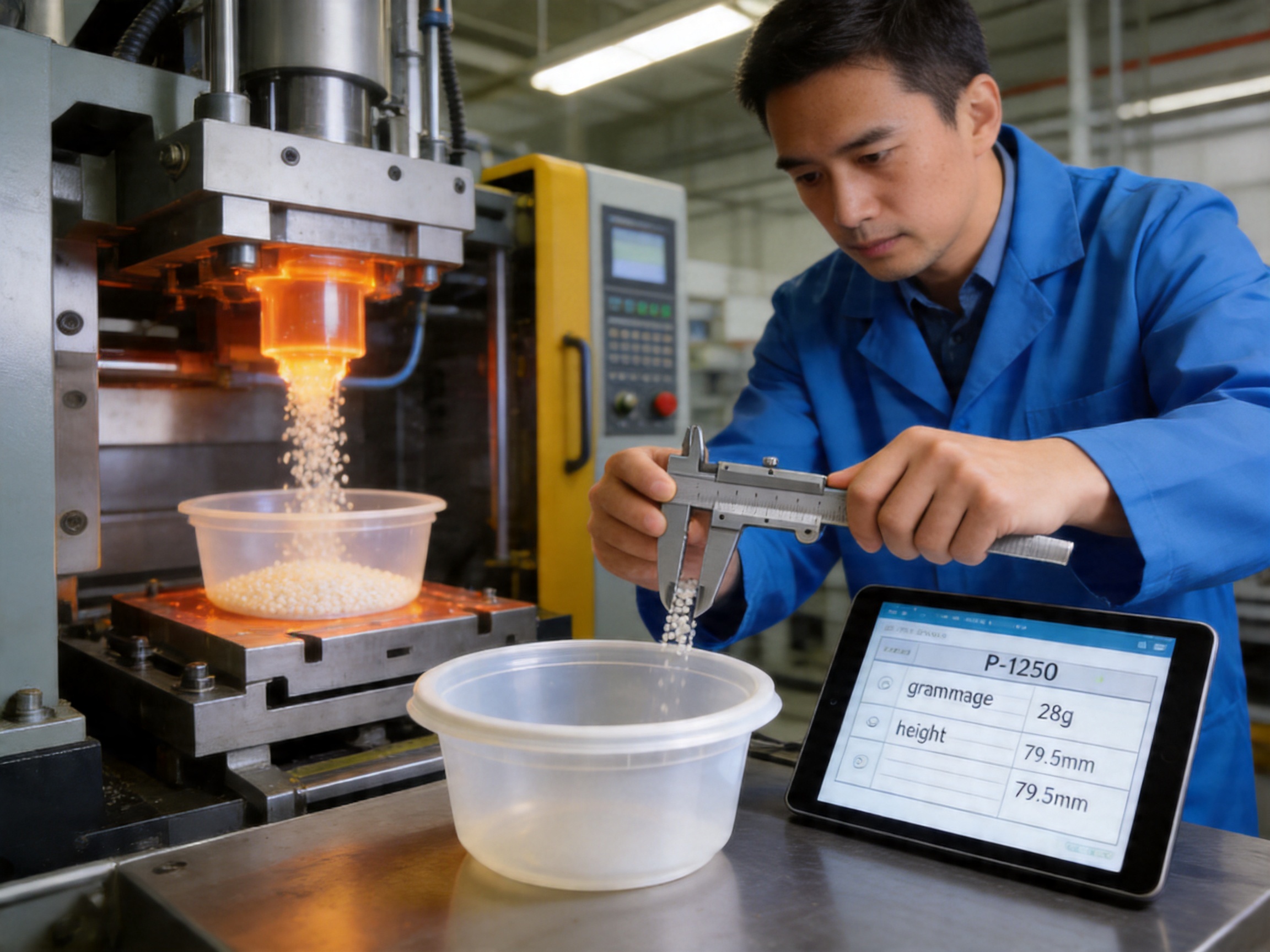
Advanced injection molding is the core manufacturing process for modern plastic takeaway containers. This technique involves melting plastic pellets and injecting the molten material into precision molds, which are designed to create containers with consistent dimensions and wall thickness. Unlike blow molding or thermoforming, injection molding produces containers with superior structural integrity and minimal waste. Leading manufacturers use computer-aided design (CAD) software to create molds that meet exact specifications, ensuring that every container is identical in size and quality. This precision is critical for ensuring that lids fit perfectly and containers stack efficiently.
Stringent Quality Control Protocols
To ensure compliance with global standards, leading manufacturers implement comprehensive quality control (QC) systems that cover every stage of production. From raw material testing (to verify purity and food safety) to in-process checks (to monitor mold temperature and injection pressure) to final inspection (to check for defects like warping or discoloration), every container undergoes rigorous testing. Many manufacturers also hold third-party certifications—such as ISO 9001 (quality management), BRC (food safety), DIN (German safety), and RoHS (restriction of hazardous substances)—which validate their commitment to quality and safety. These certifications are not just a mark of compliance; they are a testament to the manufacturer’s dedication to protecting consumers.
Specification Details of Disposable Plastic Takeaway Containers
The following tables outline the key specifications of two lines of disposable plastic takeaway containers, offering a range of sizes to suit diverse needs:
| Specification | Volume (ml) | Mouth (mm) | Height (mm) | Bottom (mm) | Grammage (g) |
|---|---|---|---|---|---|
| M-360 | 360 | 120 | 52 | 75 | 9/10 |
| M-400 | 400 | 120 | 58 | 78 | 10 |
| M-500 | 500 | 120 | 70 | 73 | 10/13 |
| M-700 | 700 | 142 | 69 | 91 | 13 |
| M-850 | 850 | 142 | 81 | 91 | 16 |
| M-999 | 999 | 142 | 95 | 95 | 19 |
| M-1100 | 1100 | 179 | 82 | 120 | 21/26 |
| Specification | Volume (ml) | Mouth (mm) | Height (mm) | Bottom (mm) | Grammage (g) |
|---|---|---|---|---|---|
| P-500 | 500 | 120 | 72 | 85 | 11 |
| P-600 | 600 | 150 | 57 | 124 | 15 |
| P-800 | 800 | 150 | 79 | 118 | 18 |
| P-1000 | 1000 | 150 | 98 | 118 | 23 |
| P-1250 | 1250 | 179 | 79.5 | 145 | 28/35 |
| P-1500A | 1500 | 179 | 98 | 128 | 30/35 |
| P-1750 | 1750 | 179 | 118 | 128 | 39 |
These specifications cater to a wide range of use cases—from small snacks (360ml) to large family meals (1750ml). The varying mouth and bottom diameters ensure compatibility with different food types, while the grammage options allow businesses to choose between lightweight (cost-effective) and heavy-duty (durability-focused) containers.
Advantages Over Competitors
Wider Temperature Range
Many competing packaging solutions—such as paper containers or aluminum foil—have limited temperature tolerance. Paper containers, for example, can become soggy when holding hot liquids and are not microwave-safe. Aluminum foil, while heat-resistant, is not suitable for cold storage and can react with acidic foods. In contrast, modern plastic takeaway containers handle both hot and cold temperatures seamlessly, making them a versatile choice for all food types.
Comprehensive Certification Portfolio
Leading manufacturers of plastic takeaway containers hold multiple third-party certifications, which set them apart from competitors who may only have basic compliance. Certifications like BRC (British Retail Consortium) ensure that the manufacturing process meets strict food safety standards, while DIN (Deutsches Institut für Normung) validates the product’s safety for use with food. These certifications give businesses and consumers confidence in the product’s quality and reliability.
Customization Flexibility
Unlike generic paper or foam containers, plastic takeaway containers offer extensive customization options. From logo printing to color and shape adjustments, businesses can create packaging that reflects their brand identity. This level of customization is often unavailable with cheaper alternatives, which are mass-produced in standard sizes and colors. For example, a vegan restaurant might choose a green-colored container with a plant-based logo, while a fast-food chain could opt for a branded container with their signature colors.
Eco-Friendly Production Practices
Many leading manufacturers are committed to reducing their environmental impact through green production practices. This includes using biodegradable materials, optimizing production processes to reduce energy consumption, and implementing recycling programs. For example, some manufacturers use closed-loop systems where plastic waste from production is recycled back into new containers, reducing the amount of plastic sent to landfills. This is a significant advantage over competitors who rely on non-recyclable materials or have minimal environmental initiatives.
Q&A Section
Q: Are these containers safe for microwave use?
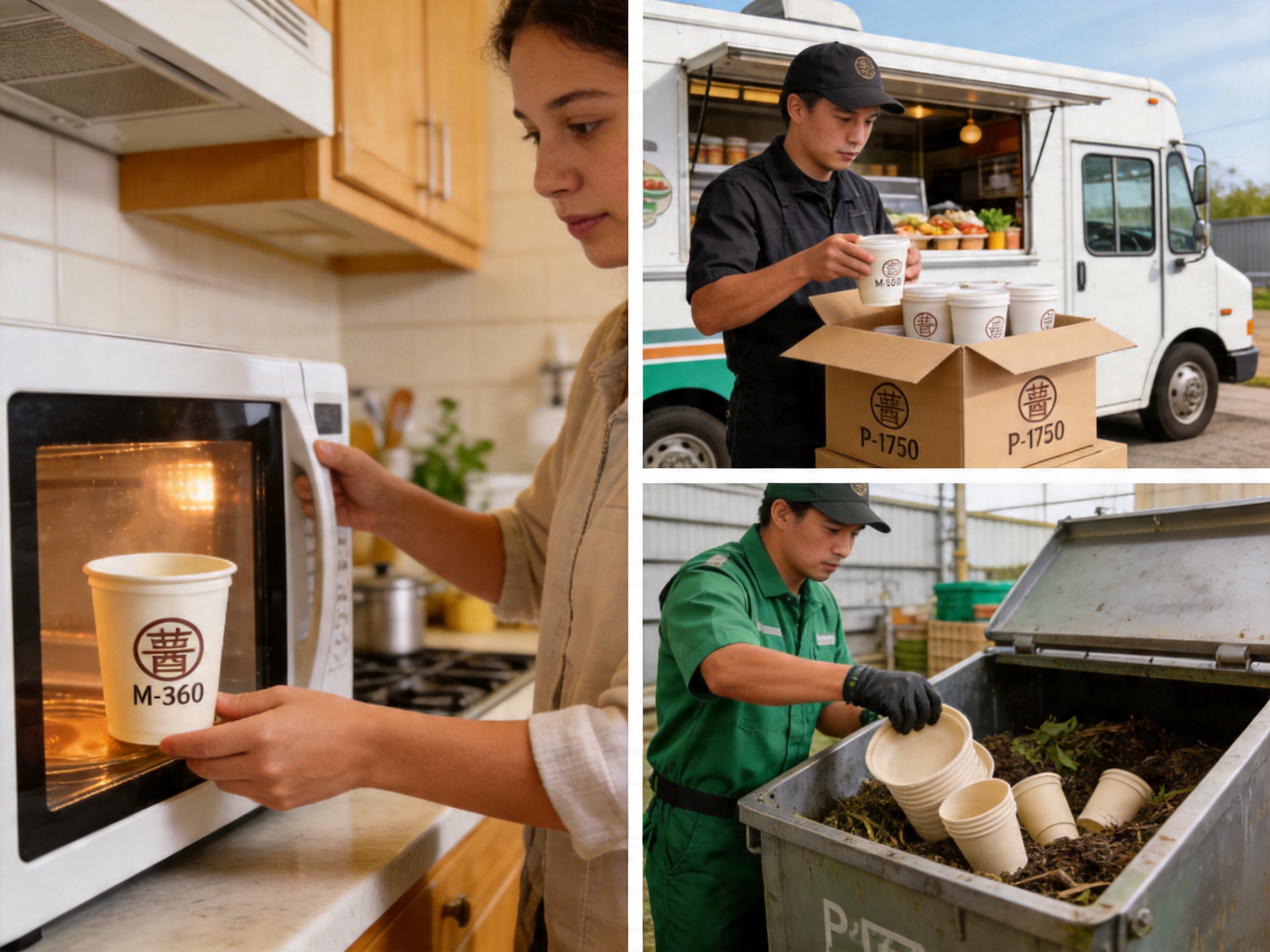
A: Yes. Modern plastic takeaway containers are designed to withstand temperatures from -10°C to 120°C, making them safe for microwave heating and refrigerator storage. It is important to remove the lid before microwaving to prevent pressure buildup.
Q: What certifications do these containers hold?
A: Leading manufacturers hold certifications such as QS (Chinese National Industrial Product Production License), ISO 9001 (Quality Management System), BRC (Food Safety), DIN (German Safety), and RoHS (Restriction of Hazardous Substances). These certifications ensure compliance with global food safety and quality standards.
Q: Can the containers be customized with logos or brand messages?
A: Yes. Manufacturers offer advanced printing technologies (offset, digital) that allow for clear, durable logo printing. Customization options also include color, shape, and capacity adjustments to meet specific business needs.
Q: Are there biodegradable options available?
A: Yes. Many manufacturers integrate biodegradable plastics (such as PLA) into their production lines. PLA is derived from renewable resources like cornstarch and is compostable in industrial facilities, reducing the environmental impact of packaging.
Q: What is the minimum order quantity (MOQ) for customized containers?
A: MOQs vary by manufacturer, but most offer flexible options to suit small and large businesses. Some manufacturers may accept MOQs as low as 1000 units for basic customization, while larger orders may qualify for discounts.
References
1. Grand View Research. (2023). Global Disposable Food Packaging Market Report 2023-2030. San Francisco, CA: Grand View Research, Inc.
2. European Commission. (2004). Regulation (EC) No 1935/2004 on Food Contact Materials. Brussels: European Commission.
3. Smith, J. et al. (2022). Biodegradable Plastics in Food Packaging: A Review. Journal of Applied Polymer Science, 149(12), e52345.
4. International Organization for Standardization. (2015). ISO 9001:2015 Quality Management Systems – Fundamentals and Vocabulary. Geneva: ISO.
5. U.S. Food and Drug Administration. (2021). Food Contact Materials: Guidance for Industry. Silver Spring, MD: FDA.