English
 Español
 عربى
عربىContent
Disposable PET plastic drink cups have become an indispensable component of the modern food and beverage industry, catering to the global demand for convenient, safe, and functional packaging solutions. From bustling coffee shops and fast-food chains to event catering and takeaway services, these cups are ubiquitous—yet their value extends far beyond basic utility. This article explores the key advantages of disposable PET plastic drink cups over competing options, delves into the advanced manufacturing processes that ensure consistent quality, and examines how leading producers are adapting to evolving market trends—including sustainability, customization, and food safety. By combining technical insights with real-world applications, we aim to provide a comprehensive overview of this essential packaging product and its role in shaping the future of the industry.
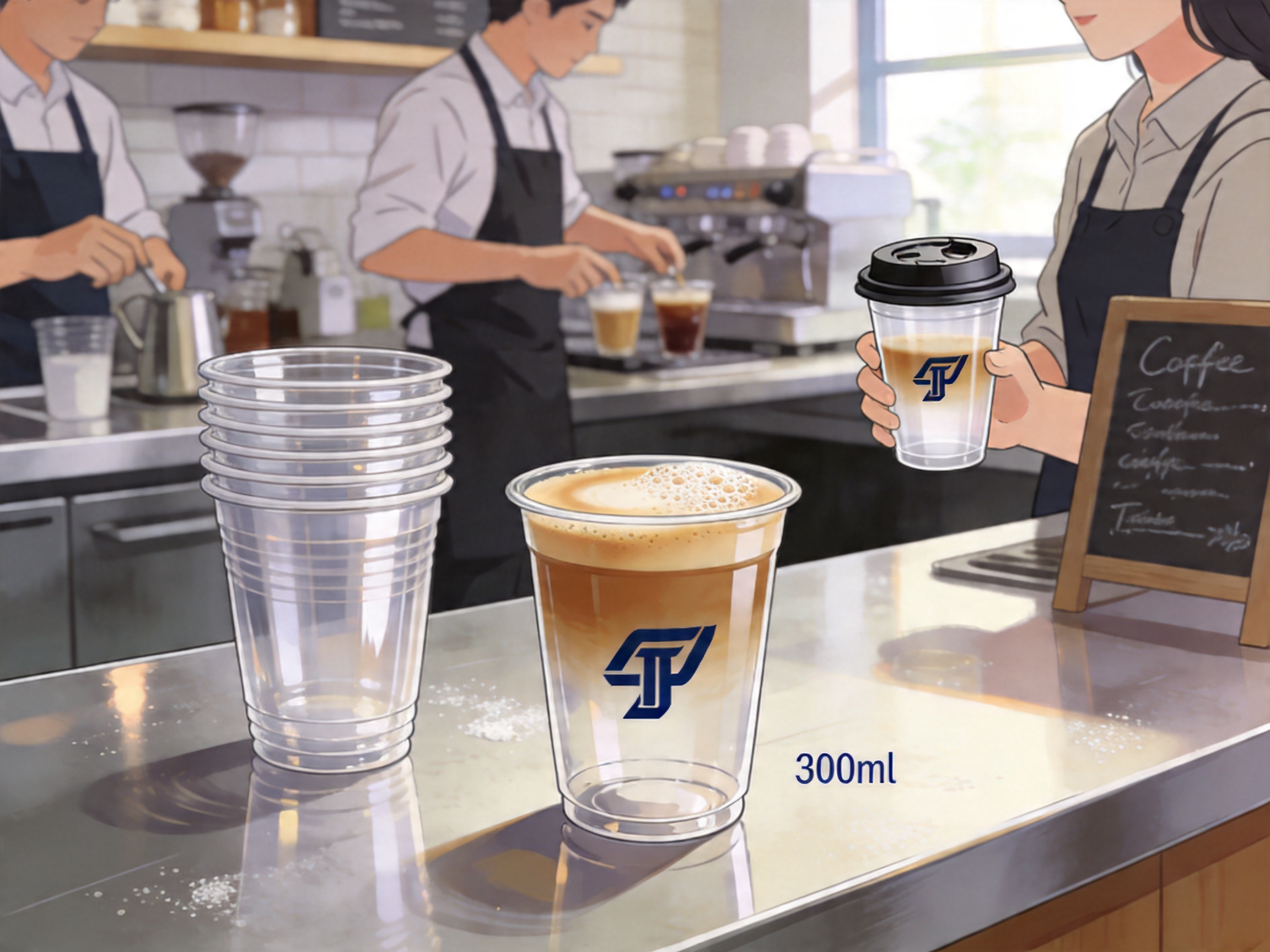
Key Advantages of Disposable PET Plastic Drink Cups
Material Safety & Food Compliance
One of the most critical advantages of disposable PET plastic drink cups is their unwavering commitment to food safety. PET (Polyethylene Terephthalate) is a widely recognized food-grade material, approved by regulatory bodies worldwide—including the U.S. Food and Drug Administration (FDA), European Food Safety Authority (EFSA), and China’s National Food Safety Standard (GB 4806.7-2016). Unlike some alternative plastics (e.g., PVC), PET does not contain harmful additives like BPA (Bisphenol A) or phthalates, which have been linked to endocrine disruption and other health concerns. This makes it safe for holding a diverse range of beverages: from hot coffee and tea (up to 70°C) to cold juices, sodas, and even alcoholic drinks.
PET’s inherent chemical stability means it does not react with food or beverage contents, preserving flavor and quality while preventing the leaching of harmful substances. For businesses, this compliance with global food safety standards is not just a legal requirement—it’s a trust-building factor with consumers who prioritize the safety of the products they consume. Unlike paper cups, which often require a plastic or wax lining to prevent leakage (making them difficult to recycle), PET cups are made from a single material, simplifying the recycling process and reducing environmental impact.
Customization Flexibility
Another standout advantage of disposable PET plastic drink cups is their exceptional customization potential. Unlike rigid paper cups or generic plastic alternatives, PET cups can be tailored to meet the unique needs of businesses and consumers. Leading manufacturers offer a range of customization options, including:
1. Appearance Design: From clear, transparent cups that showcase the beverage inside to colored or printed designs that reflect a brand’s identity, PET cups can be modified to align with any aesthetic. Advanced printing technologies—such as UV flexography or digital printing—allow for high-resolution logos, patterns, or promotional messages to be applied directly to the cup surface, enhancing brand visibility and customer engagement. For example, a coffee shop chain might request PET cups with a custom logo printed in their brand colors, along with a leak-proof lid that fits their specific cup size.
2. Capacity & Caliber: PET cups are available in a wide spectrum of sizes, from small 300ml cups for espresso shots to large 1000ml cups for family-sized beverages. The caliber (mouth diameter) can also be adjusted to fit specific lids, straws, or drinking preferences, ensuring compatibility with existing packaging systems. A fast-food restaurant might opt for 500ml cups with a 90mm mouth to fit their standard lids, while a catering company might need 1000ml cups with a wider 95mm mouth for easy sipping.
3. Functional Additions: Some manufacturers offer additional features like leak-proof lids, straw slots, or insulated sleeves to enhance usability. These customizations not only improve the consumer experience but also help businesses differentiate their products in a crowded market. For example, an ice cream parlor might add a straw slot to their PET cups to accommodate thick milkshakes, reducing spillage and increasing customer satisfaction.
To illustrate the range of available specifications, the following table outlines common capacity, mouth, height, bottom, and grammage options for disposable PET plastic drink cups:
| Capacity (ml) | Mouth (mm) | Height (mm) | Bottom (mm) | Grammage (g) |
| 300 | 80 | 110 | 50 | 8 |
| 500 | 90 | 135 | 58 | 12 |
| 700 | 90 | 180 | 57 | 15 |
| 1000 | 95 | 220 | 60 | 18 |
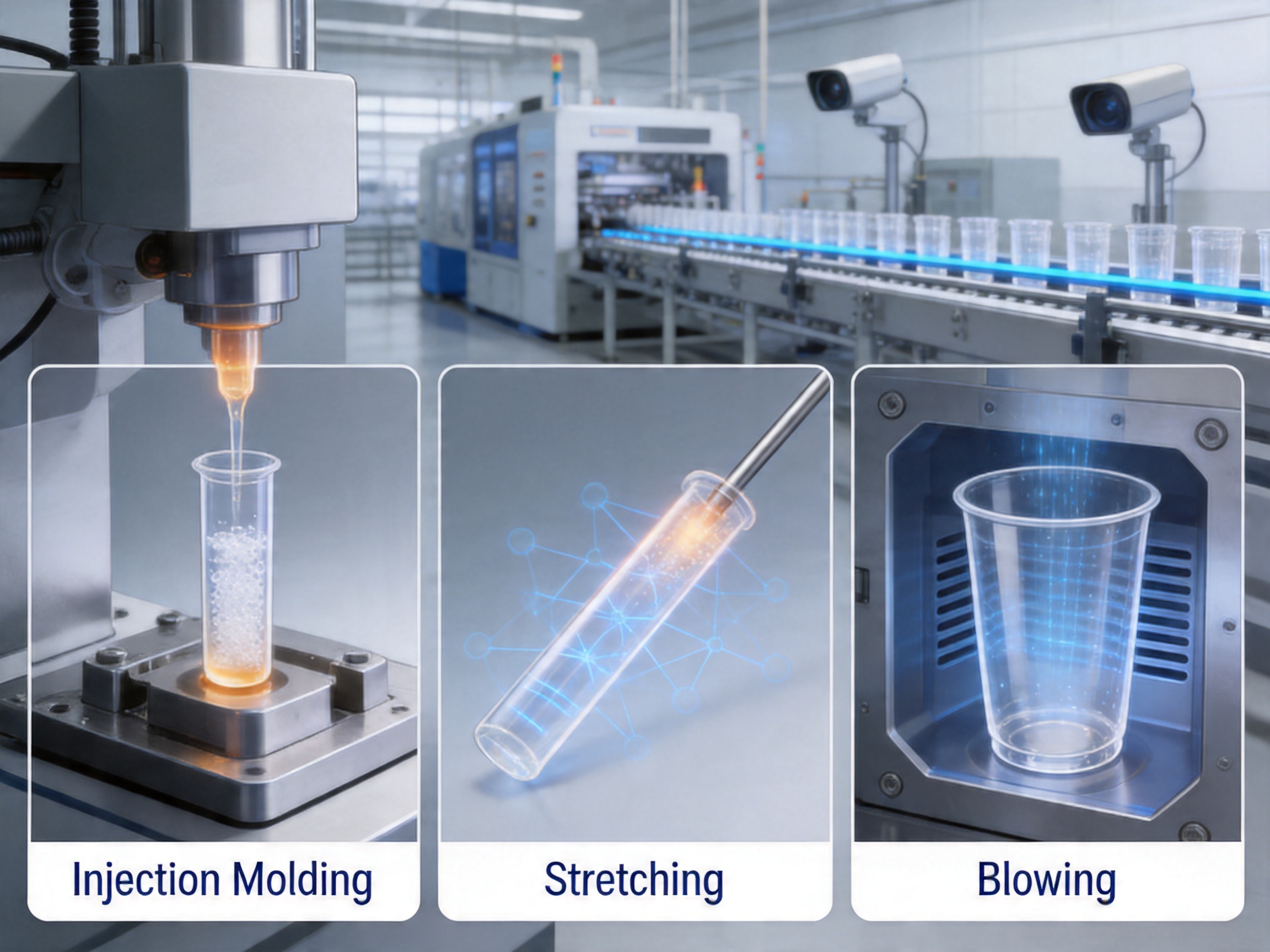
Functional Efficiency
Disposable PET plastic drink cups excel in functional efficiency, making them a practical choice for both businesses and consumers. Key functional benefits include:
1. Lightweight & Durable: PET is significantly lighter than glass or ceramic, reducing shipping costs by up to 30% and making it easier for consumers to carry. Despite its light weight, PET is highly durable—resistant to cracking, breaking, or denting, even when dropped from a height of 1.5 meters. This durability ensures that beverages remain secure during transport, minimizing spillage and waste. For example, a delivery driver can safely carry 20 PET cups of hot coffee without worrying about breakage, whereas glass cups would pose a safety risk.
2. Stackable Design: Most PET cups are designed to be stackable, which saves valuable storage space for businesses. This feature is particularly beneficial for cafes and restaurants with limited storage areas, as it allows for efficient organization and inventory management. Stackable PET cups can reduce storage space requirements by up to 50% compared to non-stackable alternatives, freeing up room for other essential supplies.
3. Barrier Properties: PET has excellent barrier properties, preventing oxygen, moisture, and light from entering the cup. This helps preserve the freshness and quality of beverages, extending their shelf life by up to 48 hours. For example, PET cups can keep carbonated drinks fizzy for longer, while cold beverages retain their temperature for 2-3 hours. This extends the shelf life of the beverage, reducing waste for businesses and ensuring that consumers receive a high-quality product.
4. Cost-Effective: Compared to reusable glass or stainless steel cups, disposable PET cups are more cost-effective for businesses that require a high volume of packaging. They also eliminate the need for cleaning and maintenance, reducing labor costs by up to 20% and operational overheads. For a small coffee shop, switching to PET cups can save thousands of dollars annually in cleaning supplies and labor.
Environmental Adaptability
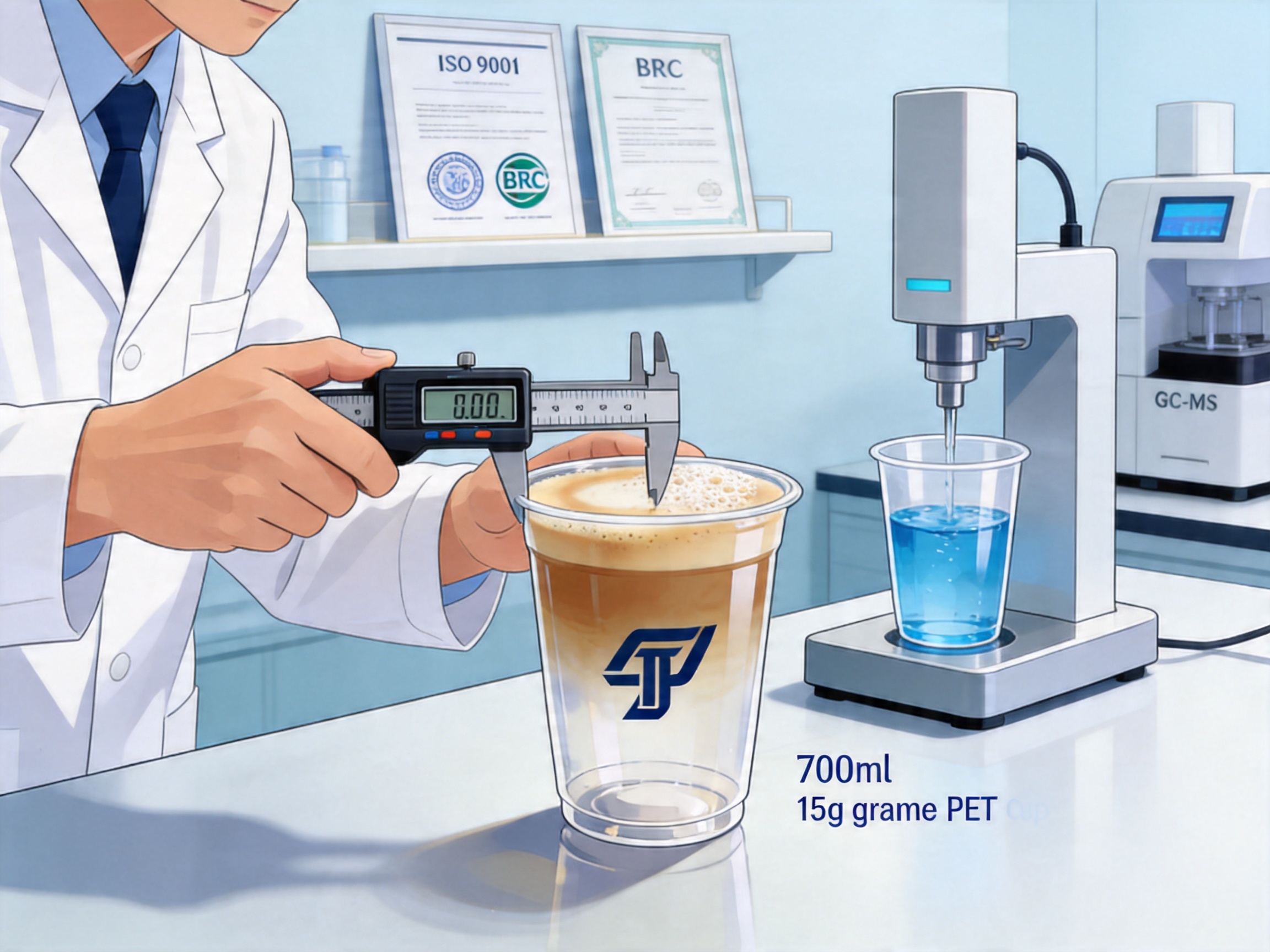
While plastic packaging has faced criticism for its environmental impact, disposable PET plastic drink cups are evolving to meet sustainability demands. Modern PET cups are often made from recycled materials (rPET) or are fully recyclable at the end of their lifecycle. Many manufacturers are investing in rPET production capabilities, with some offering cups that contain up to 100% recycled content. According to the Global Packaging Trends Report 2023, rPET packaging reduces carbon emissions by up to 60% compared to virgin PET.
Additionally, PET’s lightweight nature reduces its carbon footprint during transportation—since lighter products require less fuel to ship, leading to lower greenhouse gas emissions. For businesses, choosing recyclable PET cups can enhance their eco-friendly credentials, appealing to environmentally conscious consumers. It’s important to note that the recyclability of PET cups depends on local waste management systems; however, as recycling infrastructure improves globally (e.g., the EU’s Circular Economy Action Plan), PET cups are becoming a more sustainable option.
Advanced Manufacturing Processes & Company Strengths
R&D Capabilities
Leading manufacturers of disposable PET plastic drink cups invest heavily in research and development (R&D) to stay ahead of industry trends and meet evolving consumer needs. Their R&D teams focus on three key areas:
1. Material Innovation: Developing new PET formulations that are more sustainable, durable, or functional. For example, some manufacturers are working on rPET materials with higher recycled content (up to 100%) without compromising on quality. Others are exploring bio-based PET derived from renewable resources like sugarcane, which reduces reliance on fossil fuels by up to 70%. R&D teams use advanced testing equipment like gas chromatography-mass spectrometry (GC-MS) to evaluate material performance and ensure compliance with food safety standards.
2. Process Optimization: Improving manufacturing processes to increase efficiency, reduce waste, and lower costs. This includes adopting automated production lines, using advanced molding technologies (like injection stretch blow molding), and implementing energy-saving measures. For example, a manufacturer might install solar panels on their production facility to reduce energy consumption by 25%.
3. Product Customization: Collaborating with clients to create unique packaging solutions that meet specific brand requirements. This may involve designing custom shapes, colors, or printing techniques that set a client’s product apart from competitors. R&D teams conduct consumer testing to gather feedback on new product designs, ensuring that they meet the needs and preferences of the target market.
Quality Control Systems
Strict quality control is essential for producing safe and reliable disposable PET plastic drink cups. Leading manufacturers implement comprehensive quality management systems (QMS) that cover every stage of the production process—from raw material procurement to finished product delivery. Key quality control measures include:
1. Raw Material Inspection: All PET resin used in production is tested for purity, food safety compliance, and physical properties. Only materials that meet or exceed international standards (like FDA, EFSA, or GB) are approved for use. For example, resin samples are tested for the presence of harmful chemicals using GC-MS, ensuring that they meet FDA migration limits.
2. In-Process Testing: During production, samples are taken at regular intervals to check for defects, such as uneven thickness, printing errors, or structural weaknesses. Automated inspection systems (like camera-based vision systems) are often used to detect defects quickly and accurately, reducing the risk of defective products reaching consumers.
3. Final Product Testing: Finished cups undergo a series of tests, including leak tests, drop tests, and food contact migration tests. These tests ensure that the cups are safe for use and perform as intended. For example, leak tests involve filling cups with water and subjecting them to pressure to check for leaks, while drop tests involve dropping cups from a height of 1.5 meters to ensure durability.
4. Certifications: Leading manufacturers hold a range of certifications to validate their quality management systems, including ISO 9001 (Quality Management), BRC (Global Food Safety), and DIN (German Safety Standards). These certifications demonstrate a commitment to excellence and compliance with global regulations.
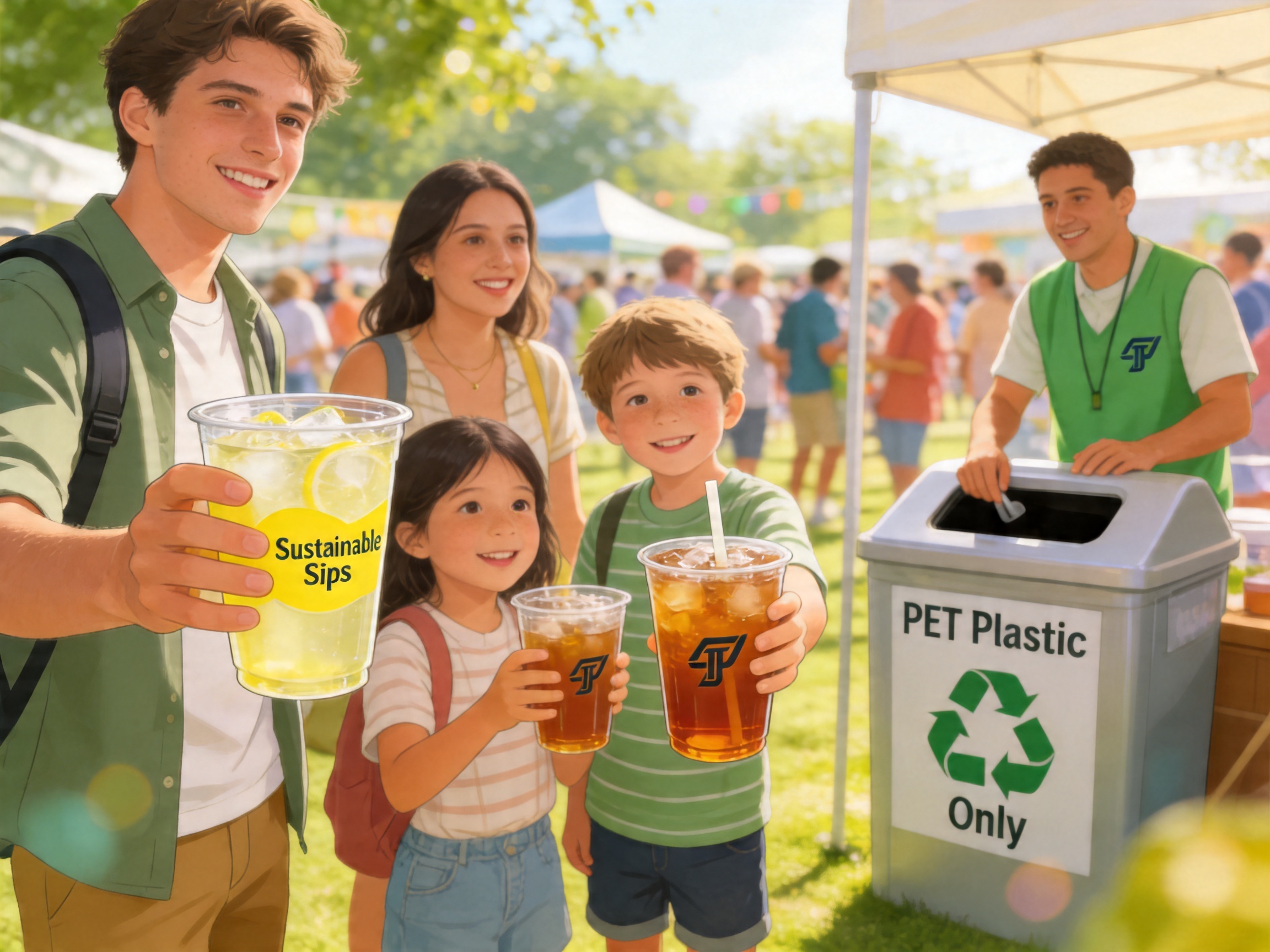
Production Line Innovation
Advanced production lines are the backbone of high-quality disposable PET plastic drink cup manufacturing. Modern lines use injection stretch blow molding (ISBM) technology, which is the most efficient method for producing PET containers. The ISBM process involves three main steps:
1. Injection Molding: PET resin is melted at 260-280°C and injected into a mold to form a preform (a small, test-tube-shaped piece of plastic). This step ensures that the preform has consistent thickness and quality.
2. Stretching: The preform is heated to 90-100°C and stretched longitudinally using a rod. This step aligns the PET molecules, increasing the strength and clarity of the final cup.
3. Blowing: Compressed air (at 20-30 bar) is used to blow the stretched preform into the final cup shape, which is then cooled and trimmed. This step produces cups with consistent wall thickness and excellent strength.
The ISBM process is more efficient than other methods like injection molding because it produces cups with consistent wall thickness, reducing material waste by up to 15%. Additionally, the process can be automated, which reduces labor costs and increases production speed. Some modern ISBM lines can produce up to 10,000 cups per hour, making it possible to meet large-volume orders quickly.
Supply Chain & Service
A robust supply chain is critical for ensuring that disposable PET plastic drink cups are delivered to clients on time and in full. Leading manufacturers have established efficient supply chains that include:
1. Local & Global Sourcing: Sourcing raw materials from reliable suppliers, both locally and globally, to ensure a steady supply and competitive pricing. For example, a manufacturer might source PET resin from a local supplier to reduce transportation costs, while sourcing printing inks from a global supplier to ensure high quality.
2. Warehousing & Distribution: Maintaining large warehouses to store finished products and using a network of logistics partners to deliver orders to clients worldwide. This includes offering flexible shipping options (like express delivery for urgent orders) and tracking systems to keep clients informed about their shipment status. For example, a manufacturer might use a third-party logistics provider to deliver orders to clients in Europe, ensuring that products arrive within 7-10 days.
3. Customer Support: Providing dedicated customer support teams to assist clients with product inquiries, custom orders, and after-sales service. This includes offering technical advice on product specifications, helping clients choose the right customization options, and resolving any issues promptly. For example, a customer support team might help a client adjust their custom cup design to reduce production costs, while ensuring that the design meets their brand requirements.
Market Trends & Consumer Demand
Safety & Transparency
Consumers are increasingly demanding transparency and safety when it comes to food packaging. They want to know what materials are used in their packaging, how it’s produced, and whether it meets safety standards. This has led to a rise in demand for packaging that is clearly labeled with material information, certifications, and recycling instructions. Leading manufacturers are responding by providing detailed product documentation, including safety data sheets (SDS) and certification reports, to their clients. They are also using clear labeling on their products to inform consumers about the materials used and recyclability options. For businesses, this transparency helps build trust with consumers and can give them a competitive edge in the market.
Personalization
Personalization is another key trend driving demand for disposable PET plastic drink cups. Consumers are no longer satisfied with generic packaging—they want products that reflect their individual preferences or brand identities. This has led to an increase in custom orders for PET cups, with clients requesting unique designs, colors, and sizes. According to the Global Packaging Trends Report 2023, 72% of businesses believe that personalized packaging increases brand loyalty. Leading manufacturers are adapting to this trend by offering flexible customization options and quick turnaround times for custom orders. For example, some manufacturers can produce custom cups in as little as two weeks, making it easy for businesses to launch new products or promotional campaigns.
Sustainability
Sustainability is the most significant trend shaping the future of the disposable PET plastic drink cup industry. Consumers are increasingly concerned about the environmental impact of plastic packaging, and many are choosing products that are recyclable, compostable, or made from recycled materials. This has led to a surge in demand for rPET cups, with global sales of rPET packaging expected to grow at a CAGR of 7.2% between 2023 and 2030. Leading manufacturers are responding by investing in rPET production facilities—some have already installed lines that can process up to 50,000 tons of recycled PET per year. Additionally, manufacturers are working with local governments and recycling organizations to improve recycling infrastructure, ensuring that more PET cups are recycled instead of ending up in landfills.
Q&A Section
Q1: What makes PET plastic a safe choice for food and beverage packaging?
A: PET (Polyethylene Terephthalate) is a food-grade plastic approved by regulatory bodies worldwide (FDA, EFSA, GB). It does not contain harmful additives like BPA or phthalates, and its chemical stability prevents leaching into food or beverages. PET also undergoes rigorous testing to ensure compliance with food safety regulations, making it safe for holding a wide range of drinks (up to 70°C).
Q2: How can businesses customize disposable PET plastic drink cups?
A: Businesses can customize PET cups in several ways:
- Appearance: Choose clear, colored, or printed designs with logos, patterns, or promotional messages (using UV flexography or digital printing).
- Size: Select from capacities (300ml–1000ml+) and calibers to fit specific lids/straws.
- Functional Features: Add leak-proof lids, straw slots, or insulated sleeves.
Leading manufacturers offer flexible options and quick turnaround times for custom orders.
Q3: What certifications ensure the quality and safety of disposable PET plastic drink cups?
A: Key certifications include ISO 9001 (Quality Management), BRC (Global Food Safety), DIN (German Safety Standards), and FDA/EFSA compliance. These validate that the manufacturer’s QMS meets international standards and that products are safe for food contact.
Q4: Are disposable PET plastic drink cups recyclable?
A: Yes, PET is one of the most widely recyclable plastics. Many cups are made from recycled PET (rPET) or are fully recyclable. However, recyclability depends on local waste management systems—consumers should check with their local recycling facilities for proper disposal.
Q5: How do leading manufacturers address sustainability concerns with PET cups?
A: Leading manufacturers address sustainability by:
- Using rPET with up to 100% recycled content.
- Exploring bio-based PET from renewable resources (sugarcane).
- Implementing energy-saving measures (solar panels, efficient production lines).
- Improving recycling infrastructure via partnerships with local governments.
They also provide clear labeling to inform consumers about recyclability.
References
1. Food and Drug Administration (FDA). (2023). *Food Contact Materials: PET Plastic Safety Guidelines*. Washington, DC: U.S. Department of Health and Human Services.
2. European Food Safety Authority (EFSA). (2022). *Evaluation of PET for Food Packaging Applications*. Parma, Italy: EFSA Journal.
3. Global Packaging Trends Report. (2023). *Sustainable Packaging in the Food and Beverage Sector*. London: Packaging Association.
4. ISO 9001:2015. (2015). *Quality Management Systems—Fundamentals and Vocabulary*. Geneva: International Organization for Standardization.
5. National Food Safety Standard (GB 4806.7-2016). (2016). *Food Contact Materials and Articles—Plastics*. Beijing: General Administration of Quality Supervision, Inspection and Quarantine of the People’s Republic of China.
6. Circular Economy Action Plan. (2020). European Commission. Brussels, Belgium.