English
 Español
 عربى
عربىContent
- 1 What Are Non-Woven Bags?
- 2 Advantages of Non-Woven Bags Over Competitors
- 3 Advanced Manufacturing Processes for High-Quality Non-Woven Bags
- 4 Key Strengths of Yuqian Packaging Technology (Jiangsu) Co., Ltd.
- 5 Applications of Non-Woven Bags in Modern Life
- 6 Q&A Section
- 6.1 Q1: Are non-woven bags truly eco-friendly?
- 6.2 Q2: How durable are non-woven bags compared to other reusable options?
- 6.3 Q3: Can non-woven bags be customized with logos or designs?
- 6.4 Q4: What certifications ensure the safety of non-woven bags for food contact?
- 6.5 Q5: Does Yuqian Packaging offer bulk order discounts?
- 7 Comparison of Non-Woven Bags vs Competitors
- 8 The Future of Non-Woven Bags
- 9 References
- 10 Conclusion
As global awareness of environmental sustainability continues to surge, the packaging industry is undergoing a profound transformation. Single-use plastics, once ubiquitous in retail, food service, and daily life, are increasingly being phased out due to their detrimental impact on ecosystems—from clogging oceans to harming wildlife and contributing to landfill overcrowding. In this context, non-woven bags have emerged as a game-changing solution, offering a perfect balance of durability, cost-effectiveness, and eco-friendliness. Unlike their disposable counterparts, non-woven bags are reusable, recyclable, and designed to meet the demands of modern consumers and businesses alike. This article explores the rise of non-woven bags, their key advantages over competing products, the advanced manufacturing processes that ensure their quality, and the strengths of leading manufacturers in the field.
What Are Non-Woven Bags?
Non-woven bags are made from non-woven fabrics, a type of textile fabric created without traditional weaving or knitting. Instead, fibers—most commonly polypropylene (PP), a thermoplastic polymer—are bonded together using heat, pressure, or chemical treatments. This production method results in a fabric that is lightweight yet surprisingly strong and water-resistant. Unlike woven fabrics, which have distinct threads running in perpendicular directions, non-woven fabrics have a random fiber structure that contributes to their unique properties.
The primary material used in most non-woven bags is polypropylene, chosen for its durability, low cost, and recyclability. Many manufacturers now prioritize using post-consumer recycled (PCR) PP, diverting plastic waste from landfills and reducing the need for virgin plastic production. Non-woven bags can also be treated with additives to enhance their properties, such as water resistance, UV protection, or even biodegradability (when combined with compostable additives).
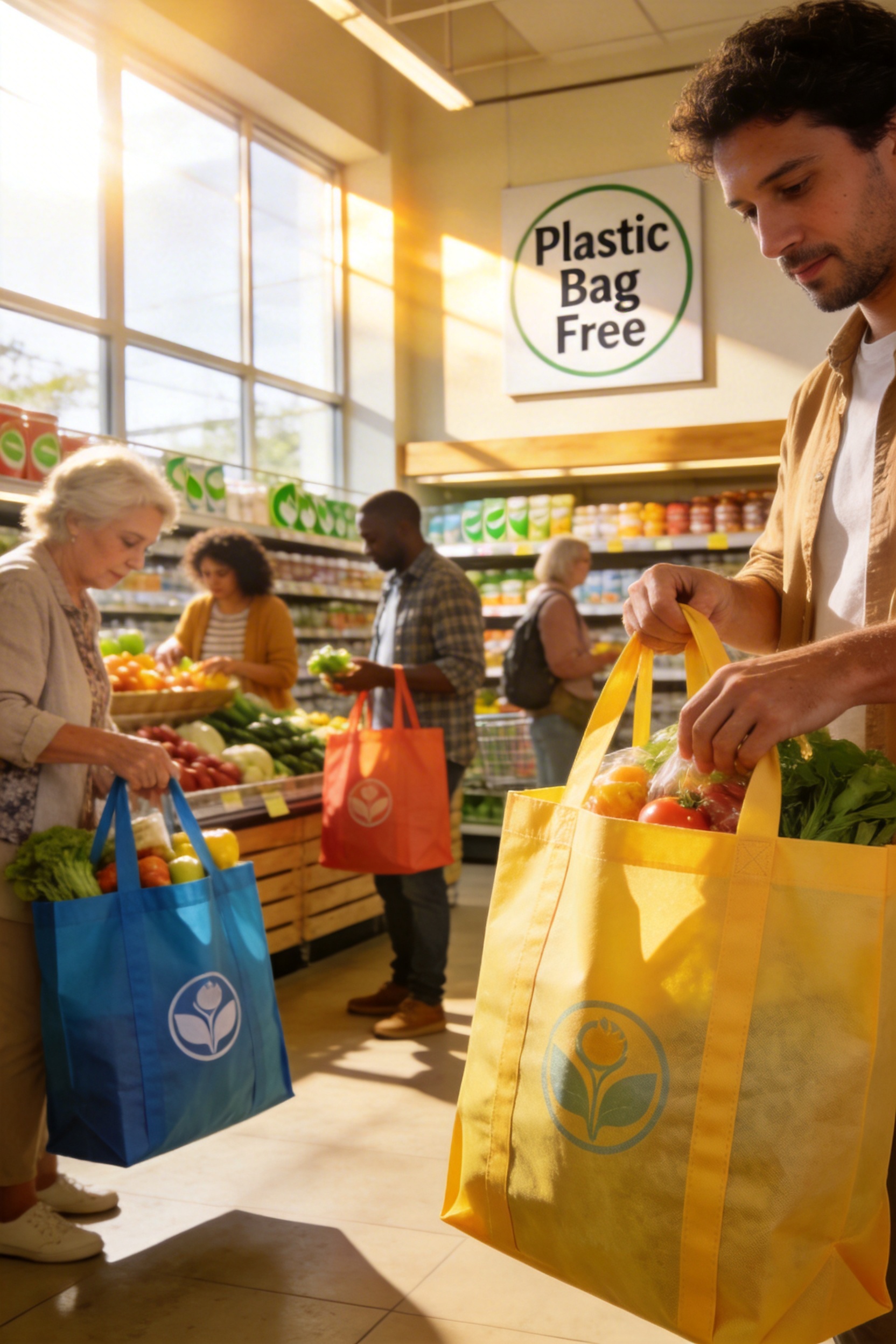
One of the most appealing aspects of non-woven bags is their versatility. They can be manufactured in a wide range of sizes, shapes, and colors, making them suitable for everything from grocery shopping to promotional giveaways. Additionally, their surface is ideal for printing, allowing businesses to customize bags with logos, brand messages, or unique designs—turning a functional item into a powerful marketing tool.
Advantages of Non-Woven Bags Over Competitors
To understand why non-woven bags are gaining traction, it is essential to compare them to other common packaging options, including single-use plastic bags, cotton bags, and paper bags. Each alternative has its own set of drawbacks, which non-woven bags address effectively.
1. Environmental Sustainability
The most significant advantage of non-woven bags lies in their environmental impact. Single-use plastic bags are a major contributor to plastic pollution: according to the Environmental Protection Agency (EPA), the average American uses over 1,000 plastic bags per year, and less than 10% of these are recycled. Plastic bags can take up to 500 years to decompose in landfills, and many end up in oceans, where they harm marine life and break down into microplastics.
Non-woven bags, by contrast, are reusable—often up to 150 times or more. This reduces the number of bags needed over time, directly cutting down on waste. Moreover, when made from PCR PP, non-woven bags divert plastic waste from landfills: for every 1 ton of PCR PP used, approximately 1.5 tons of plastic waste is kept out of the environment (per industry estimates). Unlike cotton bags, which require 2,700 liters of water to produce a single bag (World Wildlife Fund), non-woven bags use minimal water in production—only for cleaning machinery and maintaining hygiene standards.
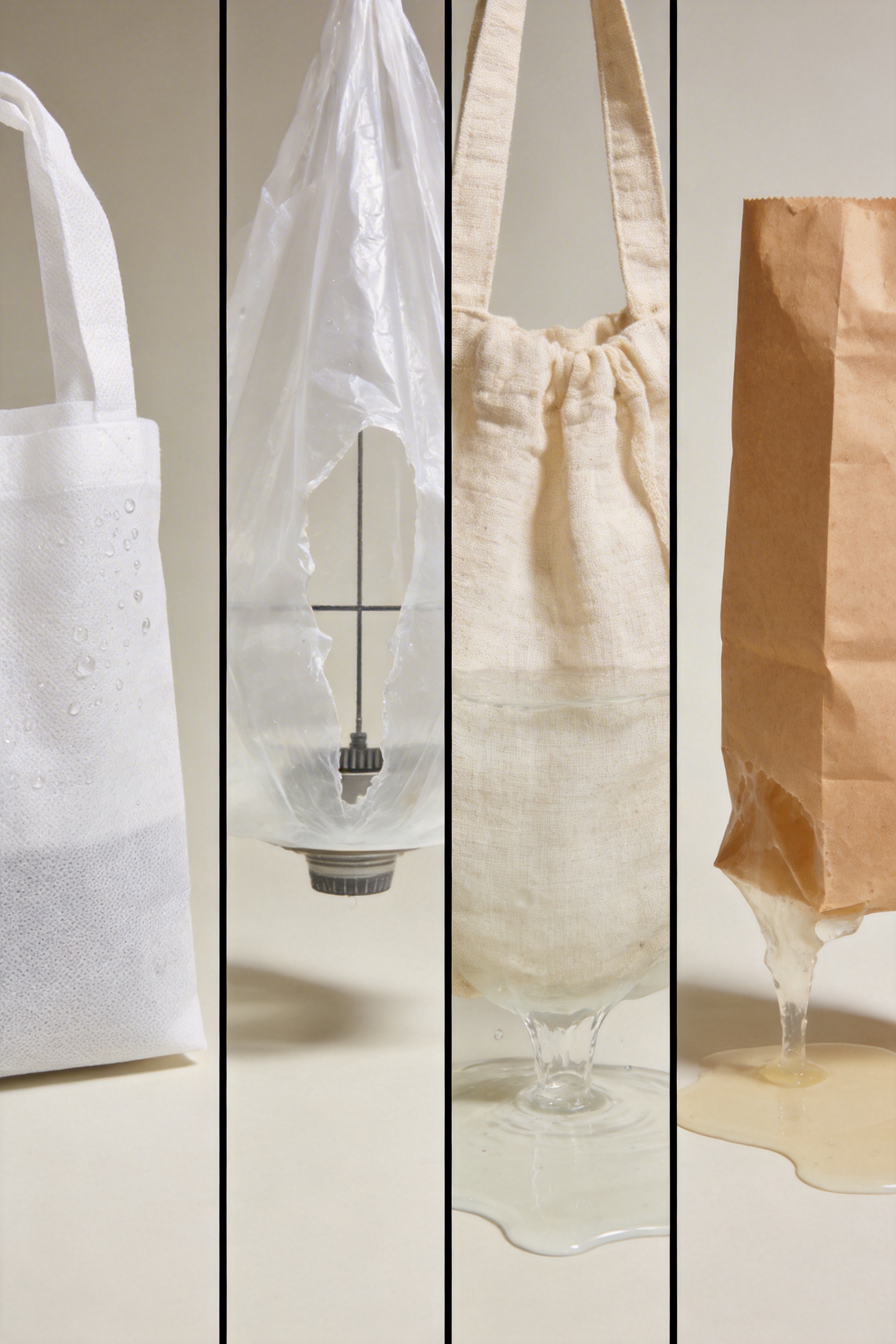
Paper bags, while made from renewable resources, have their own environmental costs: they require more energy to produce than plastic bags, and their production contributes to deforestation. Additionally, paper bags are less durable than non-woven bags—they tear easily when wet or loaded with heavy items, meaning they are often discarded after just one or two uses. Non-woven bags, on the other hand, are water-resistant and can hold up to 10 kilograms (22 pounds) of weight without tearing, making them a more sustainable choice in the long run.
2. Cost-Effectiveness
While non-woven bags are more expensive than single-use plastic bags upfront, their long-term cost-effectiveness makes them a better investment for businesses and consumers alike. For businesses, using non-woven bags as part of their packaging strategy can reduce costs associated with providing disposable bags to customers. For example, a retail store that switches from plastic bags to non-woven bags can save money over time because customers will reuse the bags, reducing the number of bags the store needs to purchase annually.
Manufacturers like Yuqian Packaging Technology (Jiangsu) Co., Ltd. offer competitive pricing for bulk orders, making non-woven bags accessible to businesses of all sizes. The company’s large-scale production capacity (30,000 m² plant) allows it to keep production costs low, which translates to lower prices for clients. Additionally, non-woven bags are durable enough to last for months or even years, so consumers do not need to replace them frequently—saving money on repeated purchases of disposable bags.
3. Customization Flexibility
Non-woven bags offer unparalleled customization options compared to other reusable bags. Their smooth surface is ideal for full-color printing, allowing businesses to add logos, brand slogans, product images, or even custom designs. This makes non-woven bags an effective marketing tool: every time a customer uses the bag, it serves as a walking advertisement for the business.
Manufacturers can also produce non-woven bags in a wide range of sizes and shapes to meet specific needs. For example, a food service company might order small, insulated non-woven bags for takeaway meals, while a retail store might order large, sturdy bags for grocery shopping. Some manufacturers even offer custom features like zippers, pockets, or reinforced handles to enhance functionality.
4. Durability & Functionality
Non-woven bags are surprisingly durable, despite their lightweight design. The bonded fiber structure makes them resistant to tearing, stretching, and punctures—unlike plastic bags, which often tear when loaded with heavy items or caught on sharp edges. A high-quality non-woven bag can hold up to 10 kilograms (22 pounds) of weight, making it suitable for carrying groceries, books, or other heavy items.
Another key functional advantage is water resistance. Non-woven bags are impermeable to light rain and spills, so they can protect items inside from getting wet. This is a significant benefit over paper bags, which dissolve when exposed to water, and cotton bags, which absorb water and become heavy and difficult to carry. Additionally, non-woven bags are easy to clean: a quick wipe with a damp cloth removes most stains, making them suitable for carrying food items or other messy products.
Advanced Manufacturing Processes for High-Quality Non-Woven Bags
The quality of non-woven bags depends heavily on the manufacturing processes used. Leading manufacturers invest in modern technology and sustainable practices to ensure their products meet the highest standards of durability, safety, and eco-friendliness. Yuqian Packaging Technology (Jiangsu) Co., Ltd., for example, uses state-of-the-art equipment and rigorous quality control measures to produce non-woven bags that are both high-performing and environmentally responsible.
1. Sustainable Material Sourcing
The first step in manufacturing high-quality non-woven bags is sourcing sustainable materials. Yuqian Packaging prioritizes using post-consumer recycled (PCR) polypropylene (PP) in its production, which is made from recycled plastic bottles, containers, and other PP products. The company also sources virgin PP from reputable suppliers that adhere to strict environmental standards. All materials are tested for safety and quality before being used in production, ensuring that the final products are free from harmful chemicals and meet food contact safety requirements.
The company’s commitment to sustainable sourcing is reflected in its certifications: it holds QS (National Industrial Product Production License), ISO9001 Quality Management System Certification, BRC Global Standards for Packaging and Packaging Materials, German DIN Safety Certification, and EU ROHS+ Testing Certification. These certifications not only validate the quality of the company’s products but also ensure compliance with international environmental and safety regulations.
2. Modern Production Lines
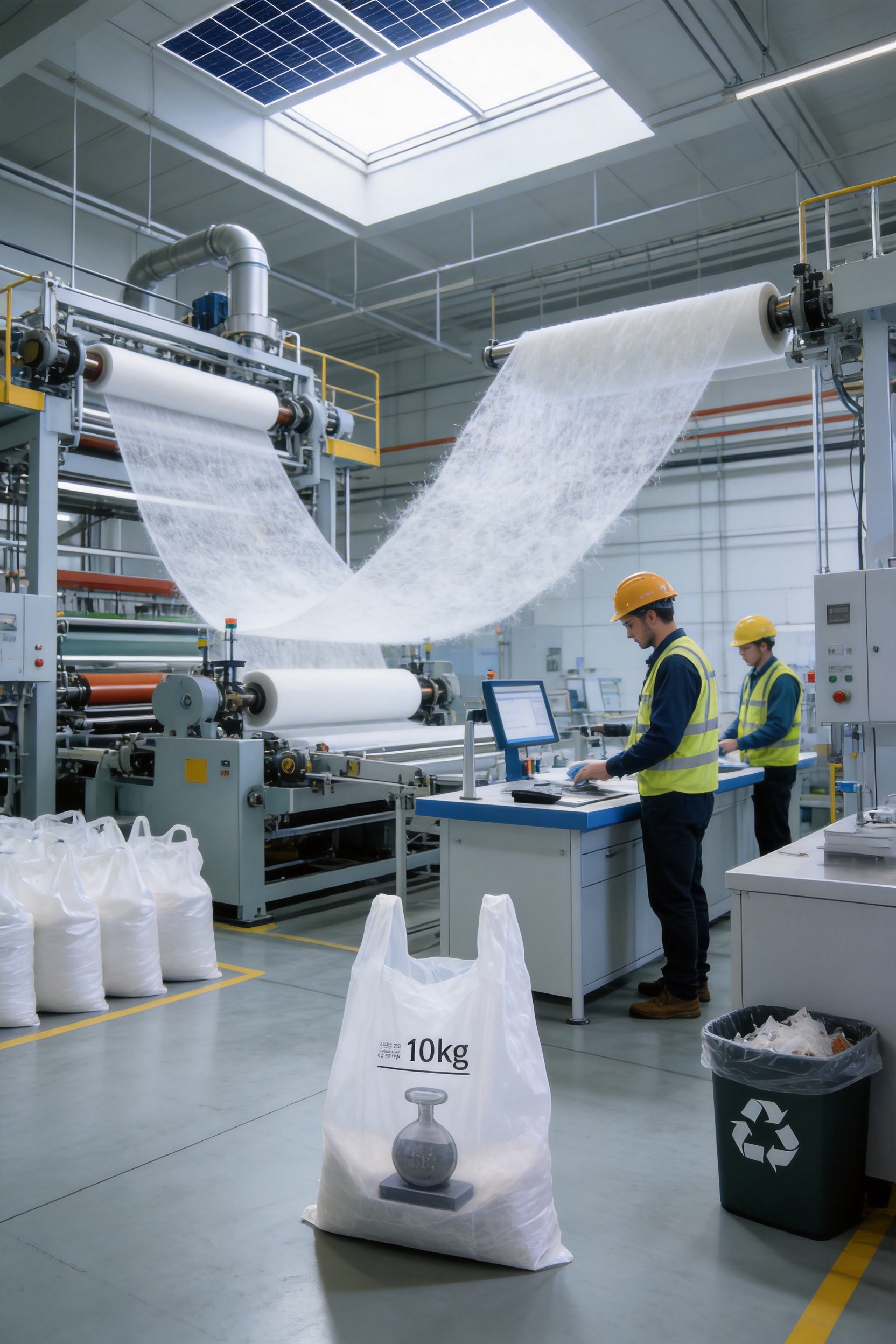
Yuqian Packaging uses advanced spunbond technology to produce non-woven fabric. This process involves melting PP pellets at high temperatures, extruding them into fine fibers, and laying the fibers onto a moving mesh to form a web. The web is then bonded using heat and pressure, resulting in a strong, uniform fabric. This method is more efficient than traditional weaving or knitting and produces less waste.
Once the non-woven fabric is produced, it is cut and sewn into bags using automated machinery. The automated lines ensure precision and consistency, reducing human error and increasing production speed. Each bag is inspected at multiple stages of production: raw material testing, fabric quality checks, cutting precision, sewing quality, and final inspection. This rigorous quality control process ensures that every bag meets the company’s high standards.
3. Eco-Friendly Manufacturing Practices
In addition to using sustainable materials, Yuqian Packaging implements eco-friendly manufacturing practices to minimize its environmental impact. The company uses energy-efficient machinery that reduces electricity consumption by 25% compared to older models. It also recycles production scraps: any leftover fabric or PP is collected, melted down, and reused in future production runs, reducing waste by 30%.
Water conservation is another priority: the company uses a closed-loop water system that recycles water used for cleaning machinery and maintaining hygiene standards. This reduces water consumption by 40% compared to traditional production methods. Additionally, the company has installed solar panels on its plant roof to generate renewable energy, further reducing its carbon footprint.
Key Strengths of Yuqian Packaging Technology (Jiangsu) Co., Ltd.
Yuqian Packaging Technology (Jiangsu) Co., Ltd. is a leading manufacturer of non-woven bags and other food packaging products, with a reputation for quality, innovation, and sustainability. Since its establishment in 2010, the company has grown to become a high-tech enterprise with a 30,000 m² plant in Taizhou City, Jiangsu Province, and a Shanghai branch (established in 2019) to serve international clients. Its key strengths include:
1. Decade-Long Expertise & R&D Investment
With over 13 years of experience in the packaging industry, Yuqian Packaging has developed deep expertise in non-woven bag production. The company invests 5-8% of its annual revenue in research and development (R&D), focusing on improving material sustainability, enhancing product functionality, and reducing production waste. Its R&D team consists of 20+ engineers and scientists who collaborate with universities and research institutions to develop innovative solutions, such as biodegradable non-woven bags and insulated bags for food service.
2. Comprehensive Certifications
Yuqian Packaging holds a wide range of international certifications that validate the quality and safety of its products. These include:
- QS National Industrial Product Production License: Mandatory for food contact products in China, ensuring compliance with national safety standards.
- ISO9001 Quality Management System Certification: Validates the company’s commitment to consistent quality and customer satisfaction.
- BRC Global Standards for Packaging and Packaging Materials: Recognized worldwide, this certification ensures that products are safe for food contact and meet strict quality requirements.
- German DIN Safety Certification: Confirms that products meet German safety standards for packaging materials.
- EU ROHS+ Testing Certification: Ensures that products are free from harmful substances such as lead, mercury, and cadmium, making them safe for use in the European market.
3. Large-Scale Production Capacity
The company’s 30,000 m² plant is equipped with 50+ automated production lines, allowing it to produce up to 1 million non-woven bags per day. This large-scale capacity enables Yuqian Packaging to handle bulk orders from large retailers, food service companies, and promotional agencies. The Shanghai branch, established in 2019, expands the company’s reach to international clients, providing faster logistics and better customer support.
4. Customization & Design Capabilities
Yuqian Packaging offers personalized design services to meet the unique needs of its clients. Its in-house design team can create custom bag designs, including sizes, shapes, colors, and printing options. The company also provides sample production services, allowing clients to test prototypes before placing bulk orders. This customization capability has made Yuqian Packaging a preferred partner for businesses looking to create branded non-woven bags for marketing purposes.
5. Customer-Centric Approach
Yuqian Packaging prioritizes customer satisfaction, offering responsive support and flexible solutions. The company’s customer service team is available via phone, email, and online chat to answer questions and provide updates on orders. It also offers competitive pricing for bulk orders, with discounts based on order quantity. Additionally, the company has a reliable logistics network that ensures on-time delivery to clients worldwide.
Applications of Non-Woven Bags in Modern Life
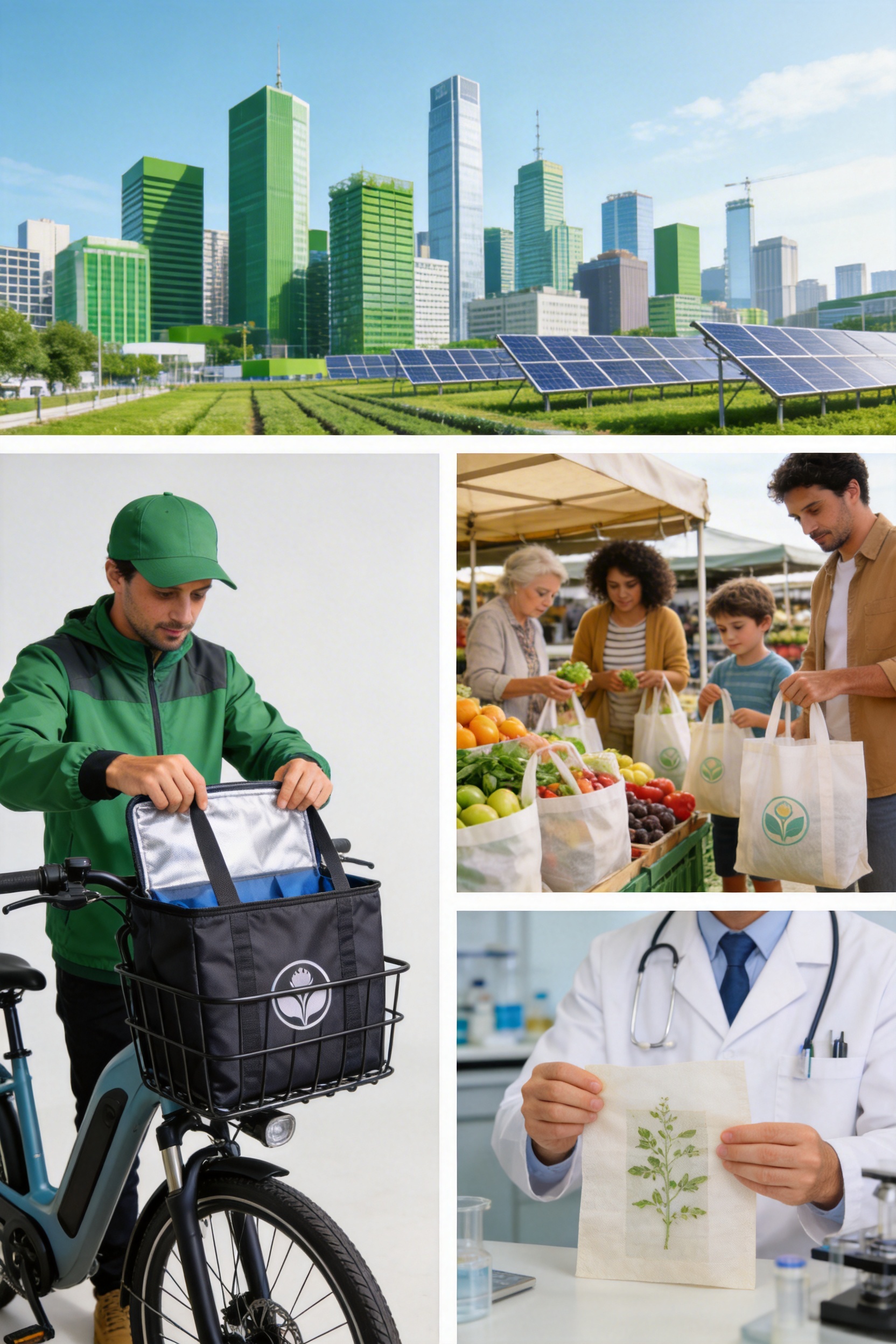
Non-woven bags are versatile and can be used in a wide range of applications, from retail and food service to promotional events and daily life. Some of the most common uses include:
1. Retail & Shopping
Non-woven bags are increasingly replacing single-use plastic bags in supermarkets, malls, and convenience stores. They are sturdy enough to hold heavy groceries and can be reused multiple times, reducing waste and saving businesses money. Many retailers also use branded non-woven bags as a way to enhance their brand image and attract eco-conscious customers.
2. Food Service & Takeaway
Non-woven bags are ideal for food service and takeaway, as they are safe for food contact (certified by BRC and DIN) and can be insulated to keep food hot or cold. Restaurants, cafes, and delivery services use non-woven bags to carry takeaway meals, drinks, and snacks. The bags are also easy to clean, making them suitable for repeated use.
3. Promotional & Marketing
Non-woven bags are a popular promotional item for businesses and organizations. They are cost-effective, customizable, and have a long lifespan, making them an effective way to increase brand visibility. Companies often distribute branded non-woven bags at trade shows, corporate events, and community gatherings to promote their products or services.
4. Daily Use
Non-woven bags are also used in daily life for a variety of purposes, including carrying books, gym gear, travel essentials, and personal items. Their lightweight design and durability make them a convenient alternative to heavier bags like cotton or leather.
Q&A Section
This section addresses common questions about non-woven bags and their manufacturing:
Q1: Are non-woven bags truly eco-friendly?
A: Yes, non-woven bags are a highly eco-friendly alternative to single-use plastics. Unlike disposable plastic bags that take hundreds of years to decompose, non-woven bags are reusable (up to 150+ times) and recyclable. Leading manufacturers like Yuqian Packaging prioritize using post-consumer recycled (PCR) polypropylene (PP) in their production, diverting plastic waste from landfills. Additionally, their manufacturing processes are energy-efficient and use minimal water, reducing their carbon footprint by up to 30% compared to traditional cotton bag production.
Q2: How durable are non-woven bags compared to other reusable options?
A: Non-woven bags are surprisingly durable. A high-quality non-woven bag can hold up to 10 kilograms (22 pounds) of weight without tearing, making it more durable than single-use plastic bags (which often tear after one use) and paper bags (which tear when wet or loaded with heavy items). While cotton bags are also durable, non-woven bags are lighter and more water-resistant, making them more practical for daily use.
Q3: Can non-woven bags be customized with logos or designs?
A: Yes, non-woven bags offer excellent customization options. Their smooth surface is ideal for full-color printing, allowing businesses to add logos, brand slogans, or custom designs. Leading manufacturers like Yuqian Packaging have in-house design teams that can create custom bag sizes, shapes, and features (such as zippers or pockets) to meet specific client needs. The company also provides sample production services to test prototypes before bulk orders.
Q4: What certifications ensure the safety of non-woven bags for food contact?
A: For food contact safety, look for certifications like BRC Global Standards for Packaging and Packaging Materials, German DIN Safety Certification, and EU ROHS+ Testing Certification. These certifications confirm that the bags are free from harmful chemicals and meet strict safety requirements for food contact. Yuqian Packaging holds all these certifications, ensuring that its non-woven bags are safe for carrying takeaway meals, snacks, and other food items.
Q5: Does Yuqian Packaging offer bulk order discounts?
A: Yes, Yuqian Packaging offers competitive pricing for bulk orders. The company’s large-scale production capacity allows it to keep costs low, and discounts are available based on order quantity. Additionally, the company provides flexible payment terms and on-time delivery to ensure client satisfaction. For more information on bulk pricing, clients can contact the company via phone or email.
Comparison of Non-Woven Bags vs Competitors
The table below summarizes the key differences between non-woven bags and other common packaging options:
| Feature | Non-Woven Bag | Single-Use Plastic Bag | Cotton Bag | Paper Bag |
|---|---|---|---|---|
| Reusability | 100–150+ times | 1–2 times (often discarded immediately) | 50–70 times | 1–3 times (prone to tearing/wetting) |
| Water Resistance | High (impermeable to light rain) | Medium (thin, prone to leaking) | Medium (absorbs water, heavy when wet) | Low (dissolves/wets easily) |
| Production Carbon Footprint | Low (≈0.5 kg CO₂e per 100 bags) | Low per unit but high cumulative (due to single use) | High (≈2.5 kg CO₂e per 100 bags) | Medium (≈1.2 kg CO₂e per 100 bags) |
| Customization Potential | Very High (full-color printing, custom sizes/shapes) | Low (limited printing options) | Medium (printing fades over time) | Medium (printing limited by paper texture) |
| Food Contact Safety | High (certified by BRC, DIN, ROHS+) | Low (risk of chemical leaching) | Medium (requires washing to avoid dirt) | Medium (may have ink residues) |
The Future of Non-Woven Bags
The future of non-woven bags looks promising, as global demand for sustainable packaging continues to grow. According to a report by the World Packaging Organization (2023), the reusable packaging market is expected to grow at a compound annual growth rate (CAGR) of 7.5% through 2030, driven by increasing plastic bans and consumer demand for eco-friendly products.
Manufacturers like Yuqian Packaging are investing in innovative technologies to improve the sustainability of non-woven bags. For example, the company is developing biodegradable non-woven bags that break down in industrial composting facilities within 180 days, reducing their environmental impact even further. It is also exploring the use of plant-based materials (such as PLA) to replace PP in some products, making them fully compostable.
Another trend is the increasing demand for insulated non-woven bags for food service. As online food delivery continues to grow, businesses are looking for durable, eco-friendly bags that keep food hot or cold during transit. Yuqian Packaging’s insulated non-woven bags, which use high-quality insulation materials, are well-positioned to meet this demand.
References
1. World Packaging Organization (2023). "Sustainable Packaging Trends Report 2023–2030".
2. European Bioplastics (2022). "Reusable Packaging Market Analysis: Global Insights".
3. ISO 9001:2015 Quality Management System Guidelines (International Organization for Standardization).
4. BRC Global Standards for Packaging and Packaging Materials (2021 Edition).
5. DIN EN 13432:2000 Standard for Compostable Packaging (German Institute for Standardization).
6. Environmental Protection Agency (EPA) (2022). "Plastic Waste Management Report".
7. World Wildlife Fund (WWF) (2021). "The Environmental Impact of Cotton Production".
Conclusion
Non-woven bags have emerged as a sustainable, cost-effective, and versatile solution to the global plastic pollution crisis. Their durability, recyclability, and customization options make them an ideal alternative to single-use plastics, cotton bags, and paper bags. Leading manufacturers like Yuqian Packaging Technology (Jiangsu) Co., Ltd. are at the forefront of this movement, using advanced manufacturing processes and sustainable practices to produce high-quality non-woven bags that meet the needs of businesses and consumers alike.
As the world continues to prioritize environmental sustainability, non-woven bags will play an increasingly important role in reducing waste and protecting ecosystems. With ongoing innovation in materials and production processes, the future of non-woven bags is bright—offering a practical and eco-friendly way to meet the packaging needs of the modern world.