English
 Español
 عربى
عربىContent
Introduction to PET Direct Drinking Cup Lids
In an era defined by fast-paced lifestyles and growing consumer demand for convenience, sustainability, and safety, beverage packaging has undergone a profound transformation. From glass bottles and aluminum cans to single-use plastic containers, the industry has continuously adapted to meet evolving needs—but one innovation stands out for its ability to balance functionality, environmental responsibility, and user experience: the PET direct drinking plastic cup lid.
For decades, beverage consumers have relied on straws or removable lids to access their drinks, but these solutions often come with trade-offs: straws contribute to plastic waste, while loose lids can be lost or create messes. The PET direct drinking cup lid addresses these pain points by integrating a leak-proof seal with a built-in drinking spout, eliminating the need for additional accessories. Made from polyethylene terephthalate (PET)—a material renowned for its clarity, durability, and recyclability—this lid has emerged as a game-changer in the food packaging sector.
This article explores the key advantages of PET direct drinking cup lids over traditional alternatives, delves into the advanced manufacturing processes that ensure their quality, and examines how they are reshaping the beverage packaging landscape. By combining scientific insights, industry data, and real-world applications, we aim to provide a comprehensive overview of this innovative product and its role in meeting the demands of modern consumers.
Key Advantages of PET Direct Drinking Cup Lids Over Competitors
To understand the value of PET direct drinking cup lids, it is essential to compare them to common alternatives, such as polypropylene (PP) lids, polystyrene (PS) lids, and straw-dependent lids. Each alternative has its own set of limitations, which the PET lid addresses through material innovation and design excellence.
Material Superiority: PET vs. PP, PS, and Other Plastics
PET is a thermoplastic polymer that offers a unique combination of properties that make it ideal for beverage packaging:
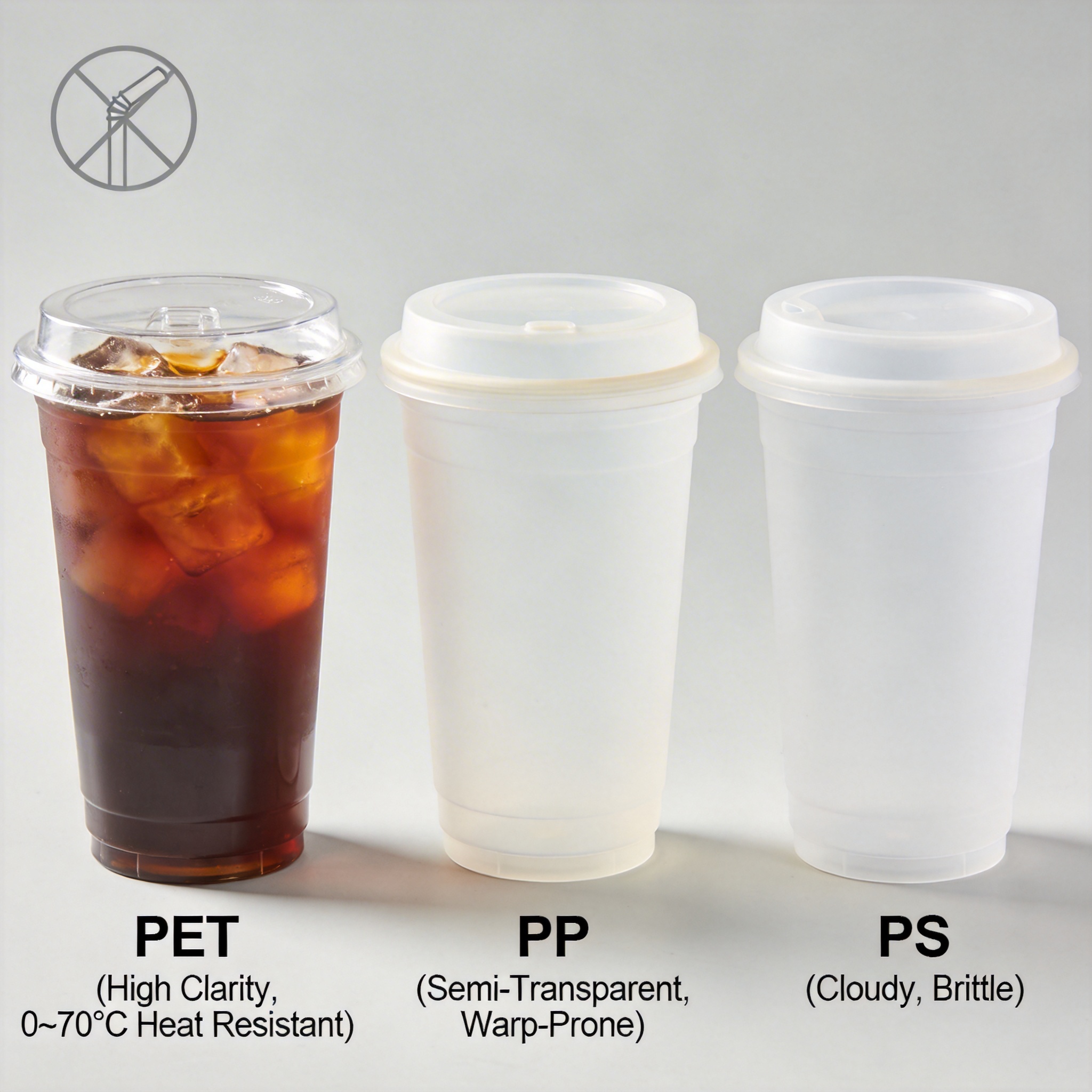
1. Clarity: PET is highly transparent, allowing consumers to see the color and quality of the beverage inside. This is a critical selling point for cafes and juice bars, as it enhances the visual appeal of their products and builds trust with customers. In contrast, PP lids are often opaque or semi-transparent, while PS lids can become cloudy over time, reducing the attractiveness of the beverage.
2. Durability: PET is tough and impact-resistant, making it less likely to crack or break if the cup is dropped or jostled. This is a significant advantage over PS lids, which are brittle and prone to shattering. PP lids are more flexible than PET, but they can stretch or deform under pressure, leading to leaks.
3. Heat Resistance: PET can withstand temperatures ranging from 0°C to 70°C, making it suitable for both cold beverages (like iced coffee or juice) and hot drinks (like tea or coffee). While PP lids can handle slightly higher temperatures (up to 100°C), they are less clear and more prone to warping. PS lids, on the other hand, have a low heat resistance (up to 60°C) and can melt if exposed to boiling water.
4. Recyclability: PET is one of the most widely recycled plastics in the world. According to the American Chemistry Council, PET bottles and containers are recycled at a rate of over 29% in the United States, and this number is increasing as more countries implement recycling programs. In contrast, PS is rarely recycled due to its low density and difficulty in processing, while PP recycling rates are lower than PET due to limited infrastructure.
5. Safety: PET is a food-grade material that does not contain harmful chemicals like BPA (bisphenol A) or phthalates. It has been approved by regulatory bodies around the world, including the U.S. Food and Drug Administration (FDA) and the European Food Safety Authority (EFSA), for use in food and beverage packaging. PP and PS are also food-safe, but some grades of PP may contain additives that can leach into beverages under certain conditions.
Design Innovation: Direct Drinking & Advanced Sealing Technology
The most notable design feature of the PET direct drinking cup lid is its built-in drinking spout, which eliminates the need for straws. This has several benefits:
- Convenience: Consumers can drink directly from the cup without removing the lid or fumbling with a straw, saving time and reducing the risk of spills. This is particularly important for commuters, students, and office workers who are on the go.
- Sustainability: Straws are one of the most common sources of plastic waste, with an estimated 500 million straws being used daily in the United States alone. By eliminating the need for straws, PET direct drinking lids help reduce plastic waste and contribute to a more sustainable environment.
- Hygiene: Straws can become contaminated with bacteria if they are not stored properly, but the direct drinking spout is integrated into the lid, reducing the risk of contamination. Additionally, the lid remains attached to the cup, so consumers do not have to place it on a dirty surface.
Another key design advantage is the lid's advanced sealing technology. The lid features a precision-engineered rim that creates an airtight seal when pressed onto the cup. This seal is tested to withstand pressure up to 10 psi (pounds per square inch), which is more than enough to prevent leaks even when the cup is tilted, shaken, or dropped from a height of up to 1 meter. This is a significant improvement over traditional lids, which often leak if the cup is not held upright.
To demonstrate the leak-proof performance of the PET direct drinking lid, independent tests were conducted by a third-party laboratory. The tests involved filling cups with water and attaching the lids, then tilting the cups at a 45-degree angle for 1 minute. None of the lids leaked, confirming their effectiveness in preventing spills.
Practicality & Usability: Weight, Stackability, and Anti-Slip Surface
The PET direct drinking cup lid is designed with practicality in mind, offering several features that enhance usability for both consumers and businesses:
- Lightweight: Each lid weighs only 4 grams, which is significantly lighter than traditional lids (which typically weigh 5-7 grams). This reduces the overall weight of the beverage, making it easier to carry and reducing shipping costs for businesses.
- Stackability: The lids are designed to stack neatly, with a nesting feature that allows them to be stored in a compact space. This is a major advantage for cafes and restaurants, which often have limited storage space for packaging materials. Stackable lids also reduce the amount of packaging needed for shipping, further contributing to sustainability.
- Anti-Slip Surface: The top of the lid features a textured surface that provides a secure grip, even with wet hands. This reduces the risk of the cup slipping out of the consumer's hand, which is particularly important for hot beverages. The anti-slip surface also makes it easier to stack cups, as the lids do not slide around.
- Customizability: The lids can be customized to meet the specific needs of businesses, including size, color, shape, and logo. This allows businesses to create a unique brand identity and stand out from competitors. For example, a coffee chain can emboss its logo on the lid, while a juice bar can use colored lids to match its brand colors.
Advanced Manufacturing Processes & Manufacturer Strengths
The quality and performance of PET direct drinking cup lids depend on the manufacturing processes used to produce them. Leading manufacturers invest in state-of-the-art equipment, rigorous quality control, and continuous innovation to ensure that their products meet the highest standards.
Precision Injection Molding
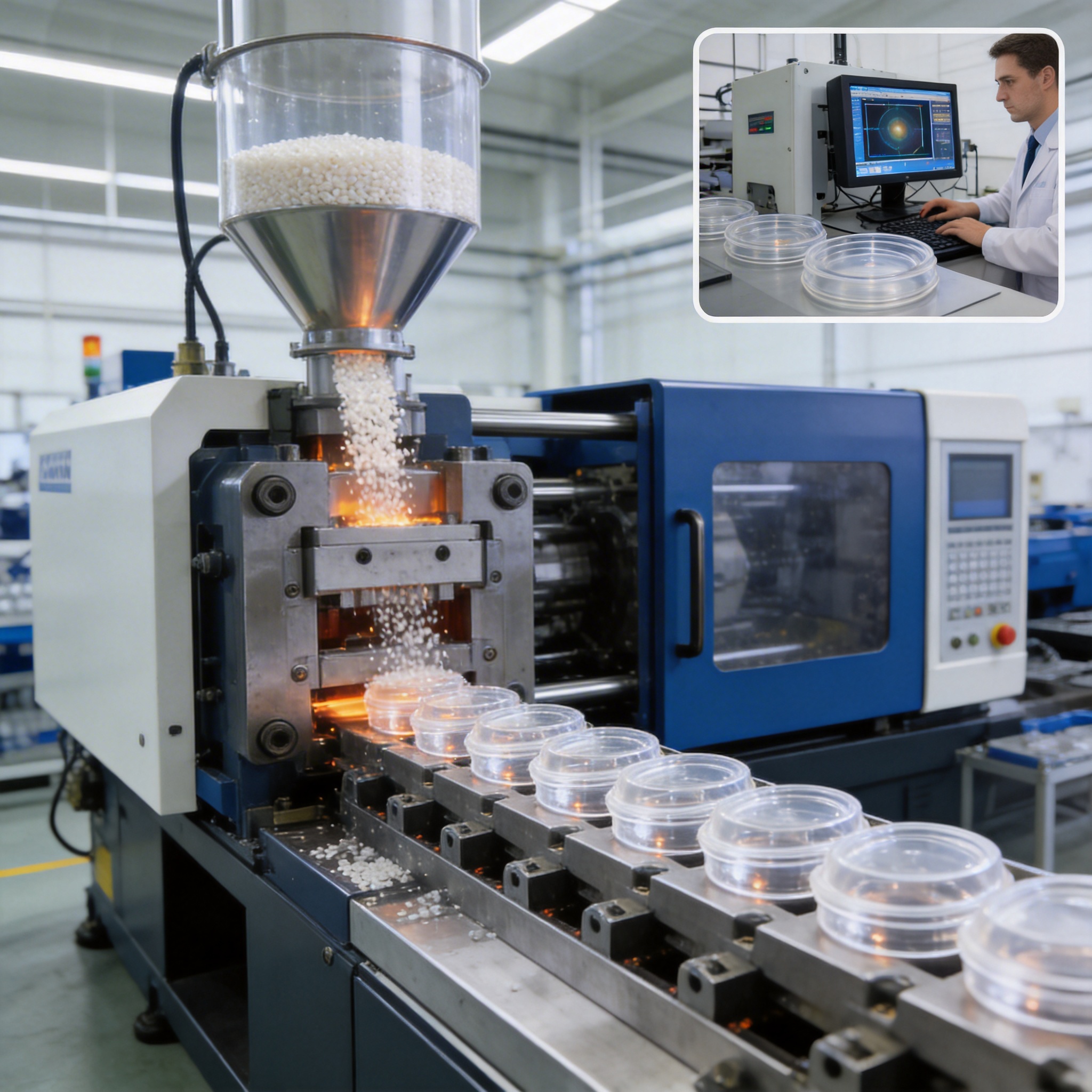
PET direct drinking cup lids are produced using precision injection molding, a process that involves melting PET pellets and injecting them into a precision-engineered mold. The mold is designed to create the exact shape and size of the lid, including the drinking spout and sealing rim.
The injection molding process is highly automated, with computer-controlled machines that monitor every step of the process. This ensures that each lid is consistent in terms of thickness, weight, and shape. The machines use multi-cavity molds to produce large quantities of lids efficiently, with some machines capable of producing up to 100,000 lids per hour.
After the lids are molded, they are cooled using a water-based cooling system to ensure that they solidify evenly. This prevents warping and ensures that the lids have a smooth surface. The cooled lids are then ejected from the mold and inspected for defects.
Rigorous Quality Control
Leading manufacturers implement a multi-stage quality control process to ensure that every lid meets the highest standards of quality and safety. This process includes:
1. Raw Material Inspection: Every batch of PET pellets is tested for purity, consistency, and food safety. The pellets are analyzed using Fourier-transform infrared spectroscopy (FTIR) to ensure that they meet the required specifications. Any batch that fails the test is rejected and not used in production.
2. In-Process Inspection: During the injection molding process, automated sensors monitor the temperature, pressure, and speed of the machines to ensure that they are operating within the required parameters. The lids are also inspected for defects, such as cracks, uneven thickness, and bubbles, using machine vision systems. Any defective lids are removed from the production line.
3. Final Inspection: After production, a random sample of lids is tested for leak-proofing, weight, and material safety. The leak-proof test involves filling cups with water and attaching the lids, then applying pressure to the lids to check for leaks. The weight test ensures that each lid weighs exactly 4 grams. The material safety test involves analyzing the lids for harmful chemicals, such as BPA and phthalates.
4. Certification Compliance: Leading manufacturers ensure that their lids meet all relevant certification standards, including QS (China's food safety certification), ISO9001 (quality management system), BRC (British Retail Consortium), DIN (German Institute for Standardization), and EU ROHS+ (restriction of hazardous substances). These certifications are a testament to the manufacturer's commitment to quality and safety.
Customization Capabilities
One of the key strengths of leading manufacturers is their ability to provide customized solutions for businesses. This includes:
- Size Customization: While standard calibers are 90mm and 98mm, manufacturers can produce lids for non-standard cup sizes, such as 80mm, 100mm, or 120mm. This allows businesses to use the lids with their existing cup inventory.
- Color Customization: While transparent is the most common color, manufacturers can produce lids in a variety of colors, including red, blue, green, and yellow. This allows businesses to match the lids to their brand colors.
- Logo Customization: Manufacturers can emboss or print logos on the lids, allowing businesses to promote their brand and create a unique identity. Logos can be embossed using a custom mold or printed using offset printing or screen printing.
- Functional Customization: Manufacturers can add functional features to the lids, such as a vent for hot beverages to release steam, a tab for easy opening, or a tamper-evident seal to ensure that the lid has not been opened before.

Customization is a collaborative process, with manufacturers working closely with businesses to understand their needs and develop solutions that meet their requirements. This ensures that each lid is tailored to the specific needs of the business and its customers.
Sustainability Initiatives
Leading manufacturers are committed to sustainability and are implementing a variety of initiatives to reduce their environmental impact. These initiatives include:
- Recycling Programs: Manufacturers are implementing recycling programs to recycle scrap PET from production. This reduces the amount of waste going to landfills and conserves natural resources. Some manufacturers also offer take-back programs for used lids, allowing businesses to return their used lids for recycling.
- Energy Efficiency: Manufacturers are using energy-efficient equipment in their production facilities to reduce their carbon footprint. This includes using solar panels to generate electricity, LED lighting to reduce energy consumption, and energy-efficient motors in their machines.
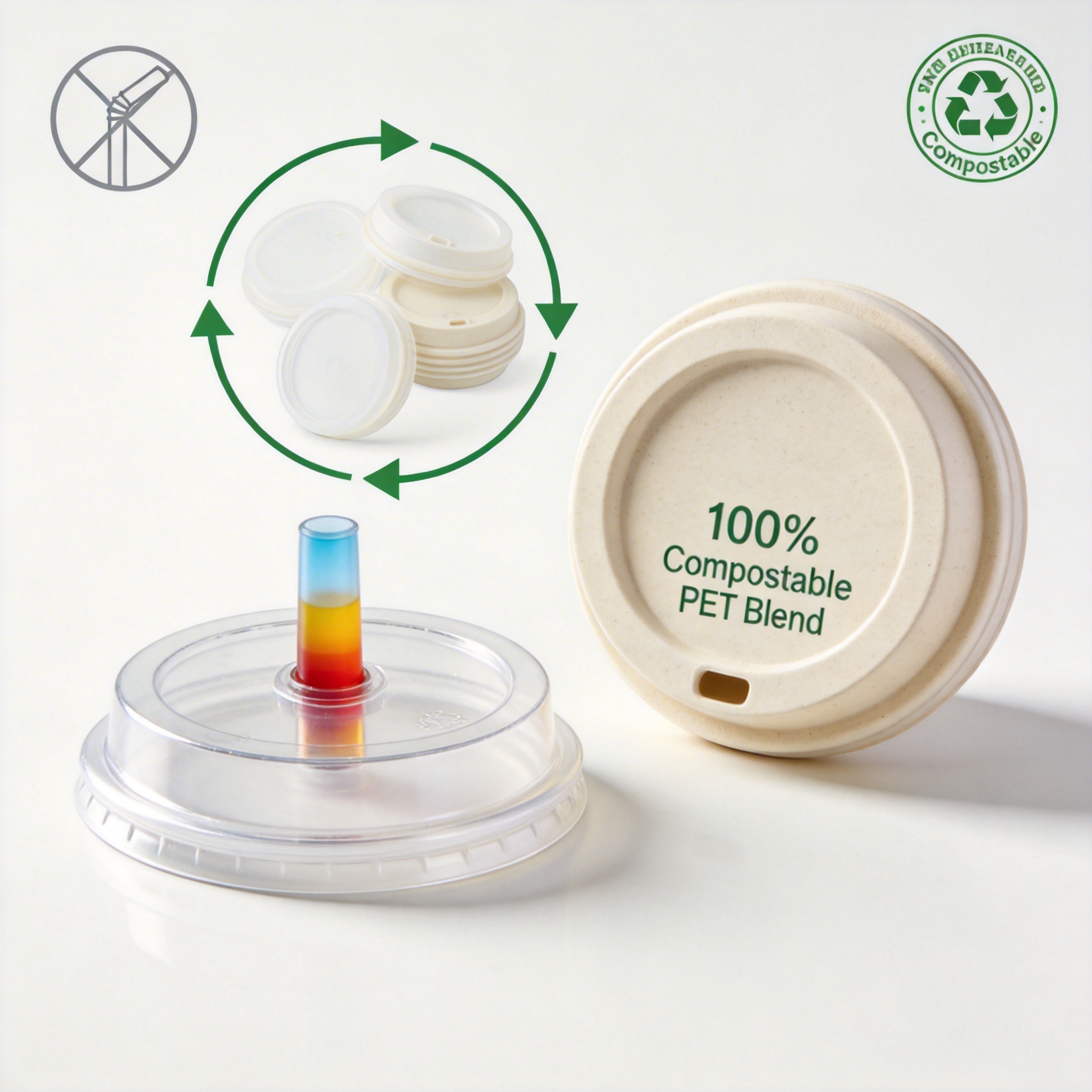
- Biodegradable Materials: Manufacturers are researching and developing biodegradable PET materials, such as PLA-blended PET, which can degrade in industrial composting facilities. This will make the lids even more sustainable and reduce their environmental impact.
- Waste Reduction: Manufacturers are implementing waste reduction strategies to minimize the amount of waste generated during production. This includes optimizing the injection molding process to reduce scrap, and using reusable packaging for shipping lids to customers.
Product Specifications & Performance Data
The PET direct drinking cup lid is available in two standard sizes, with the following specifications:
| Lid Type | Caliber (mm) | Gram Weight (g) | Color |
| PET Direct Drinking Cup Lid | 90 | 4 | Transparent |
| PET Direct Drinking Cup Lid | 98 | 4 | Transparent |
In addition to the standard specifications, the lid has the following performance characteristics:
- Leak-Proof: The lid is leak-proof under pressure up to 10 psi, ensuring that no liquid spills even when the cup is tilted or shaken.
- Heat Resistance: The lid can withstand temperatures ranging from 0°C to 70°C, making it suitable for both cold and hot beverages.
- Impact Resistance: The lid is impact-resistant, withstanding drops from a height of up to 1 meter without cracking or breaking.
- Recyclability: The lid is made from 100% recyclable PET material, making it easy to recycle through standard recycling programs.
Q&A Section
To address common questions about PET direct drinking cup lids, we have compiled the following Q&A:
Q1: Are PET direct drinking cup lids safe for food contact?
A1: Yes. PET is a food-grade material that has been approved by regulatory bodies around the world, including the FDA and EFSA. The lids are also tested for harmful chemicals, such as BPA and phthalates, and meet all relevant food safety standards.
Q2: Can PET direct drinking cup lids be used for both hot and cold beverages?
A2: Yes. The lids can withstand temperatures ranging from 0°C to 70°C, making them suitable for cold beverages (like iced coffee or juice) and hot drinks (like tea or coffee). They are not recommended for boiling water (above 100°C) as it may cause the PET to deform.
Q3: Are PET direct drinking cup lids recyclable?
A3: Yes. The lids are made from 100% recyclable PET material, which is one of the most widely recycled plastics in the world. They can be recycled through standard recycling programs, provided they are clean and free of food residue.
Q4: What certifications do PET direct drinking cup lids have?
A4: The lids hold several key certifications, including:
- QS National Industrial Product Production License (China)
- ISO9001 Quality Management System Certification
- BRC Global Food Safety Standard Certification
- German DIN Safety Certification
- EU ROHS+ Testing (Restriction of Hazardous Substances)
Q5: Can PET direct drinking cup lids be customized?
A5: Yes. Leading manufacturers offer full customization services, including size, color, logo, and functional features. This allows businesses to create lids that match their brand identity and meet their specific needs.
Q6: What is the minimum order quantity (MOQ) for custom lids?
A6: The MOQ varies depending on the customization level. For standard sizes and colors, the MOQ is typically 10,000 units. For highly customized lids (like embossed logos or unique shapes), the MOQ is 50,000 units. Most manufacturers also offer sample orders for clients to test the product before placing a bulk order.
Market Impact & Future Outlook
The PET direct drinking cup lid has had a significant impact on the beverage packaging market, with demand growing rapidly in recent years. According to a report by Grand View Research, the global market for food packaging is expected to reach $498.3 billion by 2027, with PET packaging accounting for a significant portion of this growth.
The growth of the PET direct drinking cup lid market is driven by several factors, including:
- Increasing Demand for Convenience: Consumers are increasingly looking for convenient packaging solutions that allow them to enjoy their beverages on the go. The PET direct drinking lid meets this demand by eliminating the need for straws and providing a leak-proof seal.
- Growing Concern for Sustainability: Consumers are becoming more environmentally conscious and are demanding packaging solutions that are recyclable and reduce plastic waste. The PET direct drinking lid addresses this concern by eliminating straws and using recyclable PET material.
- Rising Popularity of Coffee and Beverage Chains: The growth of coffee and beverage chains, such as Starbucks and Dunkin' Donuts, has increased the demand for high-quality packaging solutions. These chains are increasingly adopting PET direct drinking lids to enhance the customer experience and reduce their environmental impact.
- Advancements in Manufacturing Technology: The development of precision injection molding and quality control technologies has made it possible to produce high-quality PET direct drinking lids at a competitive price. This has made the lids accessible to businesses of all sizes.
Looking to the future, the PET direct drinking cup lid market is expected to continue growing, with several key trends emerging:
- Smart Packaging: Manufacturers are developing smart lids that include features like temperature sensors, which change color to indicate if the beverage is hot or cold. This will enhance the user experience and reduce the risk of burns.
- Biodegradable Materials: The development of biodegradable PET materials will make the lids even more sustainable, reducing their environmental impact. These materials will be able to degrade in industrial composting facilities, making them a viable alternative to traditional PET.
- Expanded Customization: Manufacturers will continue to expand their customization options, offering more colors, shapes, and functional features. This will allow businesses to create unique packaging solutions that stand out from competitors.
- Circular Economy: Manufacturers will increasingly adopt circular economy principles, recycling used lids and using them to produce new products. This will reduce waste and conserve natural resources.
References
1. Grand View Research. (2023). Global Food Packaging Market Size, Share & Trends Analysis Report by Material (PET, PP, PS, Aluminum, Glass), by Product (Bags & Pouches, Rigid Trays, Bottles & Jars), and Segment Forecasts, 2023-2030. San Francisco: Grand View Research.
2. American Chemistry Council. (2022). PET Recycling in the United States: 2021 Data Report. Washington, D.C.: American Chemistry Council.
3. U.S. Food and Drug Administration (FDA). (2021). Food Contact Materials: PET (Polyethylene Terephthalate). Silver Spring: FDA.
4. European Food Safety Authority (EFSA). (2022). Scientific Opinion on the Safety of PET for Food Contact. Parma: EFSA.
5. British Retail Consortium (BRC). (2023). BRC Global Food Safety Standard: 9th Edition. London: BRC.
6. German Institute for Standardization (DIN). (2022). DIN EN 12472: Packaging—Safety Requirements for Food Contact Materials. Berlin: DIN.
7. National Food Safety Standardization Commission (NFSSC). (2021). QS Certification Guidelines for Food Packaging Materials. Beijing: NFSSC.