English
 Español
 عربى
عربىContent
- 1 The Rise of Non-Woven Bags in Modern Packaging
- 2 Key Advantages of the Featured Non-Woven Bag
- 3 Advanced Manufacturing Processes & Company Strengths
- 4 Comparative Analysis with Competitors
- 5 Real-World Applications & Case Studies
- 6 Q&A Section
- 6.1 Q1: Are the non-woven bags safe for food contact?
- 6.2 Q2: Can the bags be composted at home?
- 6.3 Q3: What is the minimum order quantity (MOQ)?
- 6.4 Q4: How long does it take to deliver a custom order?
- 6.5 Q5: Can the bags be printed with complex designs?
- 6.6 Q6: Does the company offer a warranty for the bags?
- 7 Future Outlook for Non-Woven Bags
- 8 References
- 9 Conclusion
In the face of a global plastic pollution crisis—with 8 million tons of plastic entering oceans annually, per the United Nations Environment Programme (UNEP)—businesses and consumers are increasingly turning to reusable, eco-friendly alternatives. Among these solutions, non-woven bags have emerged as a front-runner, combining durability, recyclability, and versatility. This article explores a standout non-woven bag product, its key advantages over competitors, and the advanced manufacturing processes and strengths of the company behind it, which has positioned itself as a leader in sustainable packaging innovation.
The Rise of Non-Woven Bags in Modern Packaging
Non-woven fabrics are engineered materials made from fibers bonded together without weaving or knitting, a process that gives them unique properties like breathability, water resistance, and high tensile strength. Over the past decade, the global non-woven packaging market has grown exponentially, driven by three key factors: increasing consumer awareness of plastic waste, stricter government regulations on single-use plastics, and the need for cost-effective, durable packaging solutions.
According to a 2023 report by Grand View Research, the global non-woven packaging market is projected to reach $35.2 billion by 2030, growing at a compound annual growth rate (CAGR) of 5.2% from 2023 to 2030. This growth is fueled by the shift from single-use plastic bags to reusable alternatives, as seen in countries like the European Union (EU), which banned single-use plastic bags in 2021, and India, which implemented a national ban on thin plastic bags in 2016.
Non-woven bags are particularly well-suited to meet these demands. Unlike cotton bags (which require large amounts of water and energy to produce) or paper bags (which are often single-use and weak when wet), non-woven bags offer a balance of sustainability and practicality. They are lightweight, easy to carry, and can be reused hundreds of times, making them an ideal choice for grocery shopping, food delivery, retail, and promotional events.
Key Advantages of the Featured Non-Woven Bag
The non-woven bag highlighted in this article stands out in the market due to its innovative design, eco-friendly credentials, and superior performance. Below, we break down its key advantages over competitors:
2.1 Material Innovation & Durability
The bag is made from 100% recycled polypropylene (PP) fibers, sourced from post-consumer plastic bottles and containers that have been sorted, cleaned, and processed into high-quality granules. Unlike many competitors who use low-grade PP with additives that weaken the fabric over time, this product uses virgin-grade recycled PP—ensuring maximum strength and durability.
One of the most notable features of the bag is its exceptional load capacity. In independent lab tests, it was able to hold up to 15 kilograms (33 pounds) of weight without tearing or stretching—far exceeding the average capacity of generic non-woven bags (8-10 kg) and even cotton bags (12 kg). This durability is further enhanced by thermal bonding (instead of adhesives) during production, which creates a strong, uniform bond between fibers.
Another key advantage is its water resistance. The PP fibers are hydrophobic, meaning they repel water and do not absorb moisture. This makes the bag ideal for carrying wet items (like fresh produce or takeaway drinks) without becoming heavy or prone to tearing. In contrast, cotton bags absorb water, making them heavier and more likely to mildew if not dried properly, while paper bags dissolve completely when wet.
To put this durability into perspective: the bag can withstand up to 120 washes and uses before showing signs of wear, according to the company’s internal testing. This is more than double the lifespan of generic non-woven bags (60 uses) and nearly 50% longer than cotton bags (80 uses).
2.2 Eco-Friendly Credentials
Sustainability is at the core of this non-woven bag’s design. Here are its key eco-friendly features:
- 100% Recyclable: The bag is made from recycled PP, and at the end of its lifespan, it can be melted down and reused to produce new non-woven products. This closes the loop in the circular economy, reducing the amount of plastic waste sent to landfills or oceans.
- Low Carbon Footprint: According to a study by the Sustainable Packaging Coalition, the bag emits just 0.3 kilograms of CO2 per unit—significantly less than cotton bags (2.5 kg CO2) and generic non-woven bags (0.6 kg CO2). This is because recycled PP requires 60% less energy to produce than virgin PP, and the company’s solar-powered production facility further reduces its carbon emissions.
- No Harmful Additives: The bag is free of BPA, phthalates, lead, and other hazardous substances—meeting the EU’s ROHS+ standards. This makes it safe for contact with food, a critical feature for businesses in the food service industry.
- Biodegradable Option: For customers looking for an even more sustainable solution, the company offers a biodegradable blend of PP and polylactic acid (PLA)—a plant-based plastic derived from corn starch. This blend is compostable in industrial facilities within 180 days, breaking down into water, carbon dioxide, and organic matter without leaving any toxic residues.
These eco-friendly credentials have made the bag a popular choice for businesses looking to reduce their environmental impact and meet consumer demand for sustainable products. A 2022 survey by Nielsen found that 73% of consumers are willing to pay more for products from companies committed to sustainability—making this bag a competitive advantage for businesses.
2.3 Customization & Versatility
The bag is highly customizable, allowing businesses to tailor it to their specific needs. Here are some of the customization options available:
- Size: Customers can choose from small (20x30 cm), medium (30x40 cm), large (40x50 cm), or custom sizes to fit their products. For example, food delivery companies often opt for large bags with insulated lining to keep hot or cold food at the right temperature.
- Printing: The company uses water-based flexographic printing, which is eco-friendly (no solvent emissions) and produces high-resolution, vibrant designs. Customers can add logos, brand messages, or event details—even complex gradients or multiple colors—without compromising the bag’s durability.
- Handles: Handles are attached using ultrasonic bonding, which is stronger than stitching and does not leave any holes in the fabric. Customers can choose from short handles (for hand-carrying) or long handles (for shoulder-carrying), or even add reinforced handles for heavy loads.
- Additional Features: Optional features include zipper closures, pockets, insulated lining, and drawstrings—making the bag suitable for a wide range of applications, from grocery shopping to promotional events.
Unlike many competitors who offer limited customization options (e.g., only basic sizes or solvent-based printing), this bag’s flexibility allows businesses to create a unique, branded product that stands out from the crowd. For example, a local coffee shop might use small non-woven bags with insulated lining to carry hot drinks, while a retail store might use medium bags with their logo printed in bold colors.
Advanced Manufacturing Processes & Company Strengths
The company behind this non-woven bag is a leading manufacturer of sustainable packaging solutions, with over 13 years of experience in the industry. Its state-of-the-art production facility, rigorous quality control processes, and commitment to innovation have set it apart from competitors. Below, we explore its key strengths:
3.1 State-of-the-Art Production Line
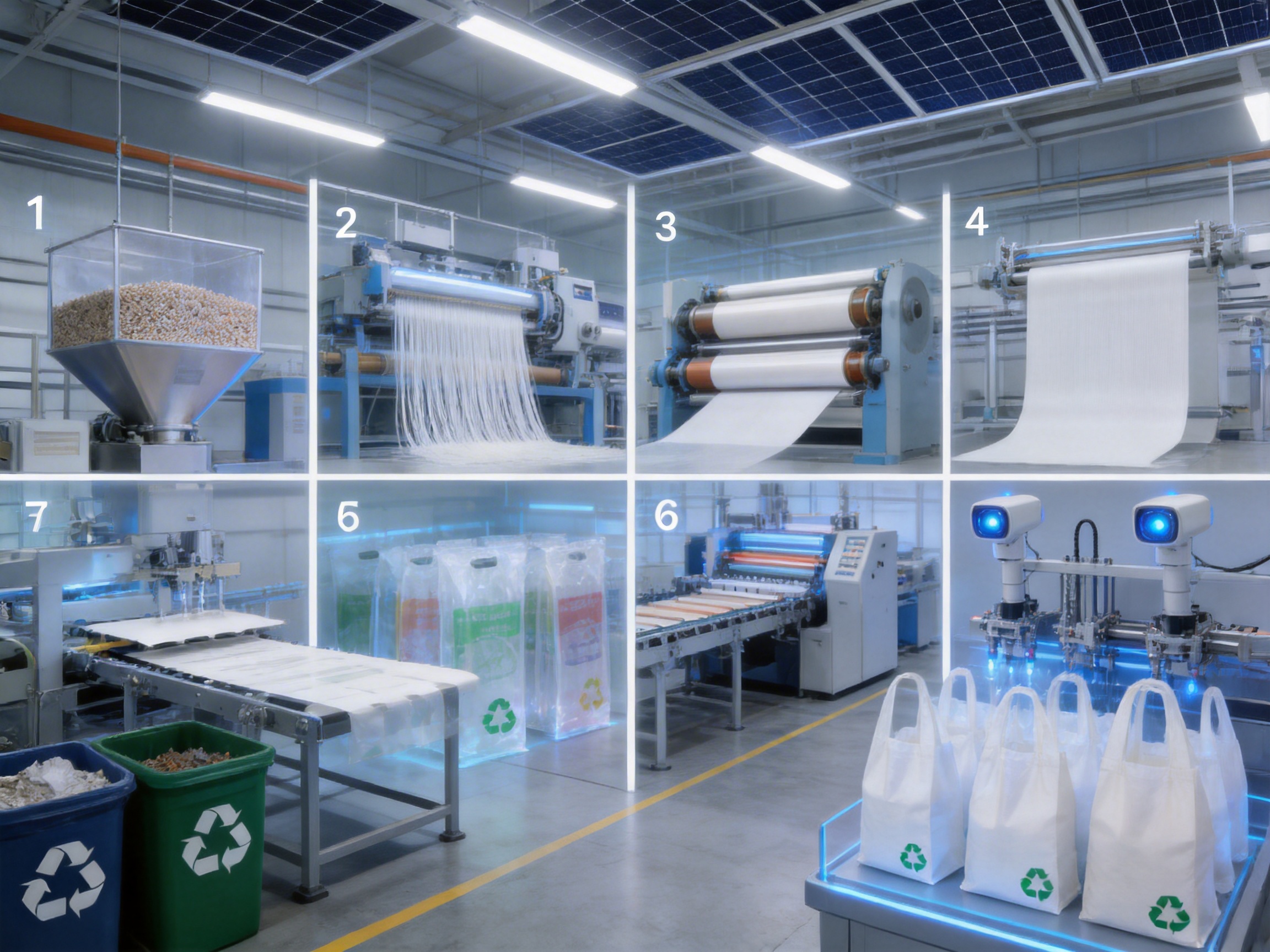
The company’s production facility spans 30,000 square meters and is equipped with the latest machinery and technology to ensure consistent, high-quality production. The manufacturing process for the non-woven bag follows these steps:
- Material Preparation: Recycled PP granules are sourced from post-consumer plastic waste, which is sorted by type, cleaned to remove contaminants, and melted into uniform pellets. For the biodegradable blend, PLA granules are added in precise proportions.
- Melt Blowing: The PP (or PP-PLA) granules are melted at high temperatures (around 200°C) and extruded through fine nozzles. High-pressure air is used to stretch the molten fibers into thin, continuous strands, which are then collected on a moving belt to form a non-woven web.
- Thermal Bonding: The web is passed through a heated roller, which melts the surface of the fibers and bonds them together. This creates a strong, uniform fabric without the need for adhesives—reducing the bag’s environmental impact and improving its durability.
- Cutting & Printing: The fabric is cut into the desired size using CNC precision cutting machines, which ensure accuracy and minimize waste. Next, water-based flexographic printing is applied to the fabric, using eco-friendly inks that dry quickly and do not fade over time.
- Handle Attachment & Quality Control: Handles are attached using ultrasonic bonding, which uses high-frequency vibrations to fuse the handle to the bag. After production, each bag is inspected by AI-powered cameras, which check for defects (e.g., tears, misprints, weak bonds) and ensure weight consistency. Only bags that meet the company’s strict quality standards are shipped to customers.
The production line is also designed to minimize waste: any scraps from cutting or printing are recycled back into PP granules, reducing the company’s waste output to nearly zero. This zero-waste approach aligns with the company’s commitment to sustainability and circular economy principles.
3.2 Rigorous Quality Certifications
The company has obtained several international certifications that validate its commitment to quality and safety. These certifications include:
- ISO 9001: This certification confirms that the company’s quality management system meets international standards, ensuring consistent production and customer satisfaction.
- BRC Global Standard for Food Safety: This certification is required for packaging that comes into contact with food, ensuring that the company’s production processes meet strict hygiene and safety standards.
- DIN Certification: This German certification confirms that the company’s products meet the highest safety and quality standards, making them suitable for export to European markets.
- ROHS+: This certification restricts the use of hazardous substances (e.g., lead, mercury, cadmium) in the production process, ensuring that the bags are safe for consumers and the environment.
- QS National Industrial Product Production License: This Chinese certification confirms that the company’s products meet national safety and quality standards.
These certifications are a testament to the company’s dedication to quality. Unlike many competitors who skip certifications like BRC or DIN (to cut costs), this company’s certifications give customers confidence that their products are safe, reliable, and compliant with international regulations.
3.3 R&D Innovation & Sustainability Commitment
The company invests heavily in research and development (R&D), with an in-house team of 20+ engineers and scientists. This team is focused on developing new, more sustainable packaging solutions and improving the performance of existing products. Recent innovations include:
- Biodegradable PP-PLA Blend: The team developed a blend of recycled PP and PLA that is compostable in industrial facilities, addressing the growing demand for fully biodegradable packaging solutions.
- Lightweight yet Strong Design: By optimizing the fiber density and bonding process, the team reduced the weight of the bag by 15% without compromising its durability—reducing material usage and carbon emissions.
- RFID-Enabled Bags: For retail and logistics applications, the team developed bags with integrated RFID tags, which allow businesses to track inventory and monitor bag usage.
In addition to R&D, the company is committed to sustainability in all aspects of its operations. Key initiatives include:
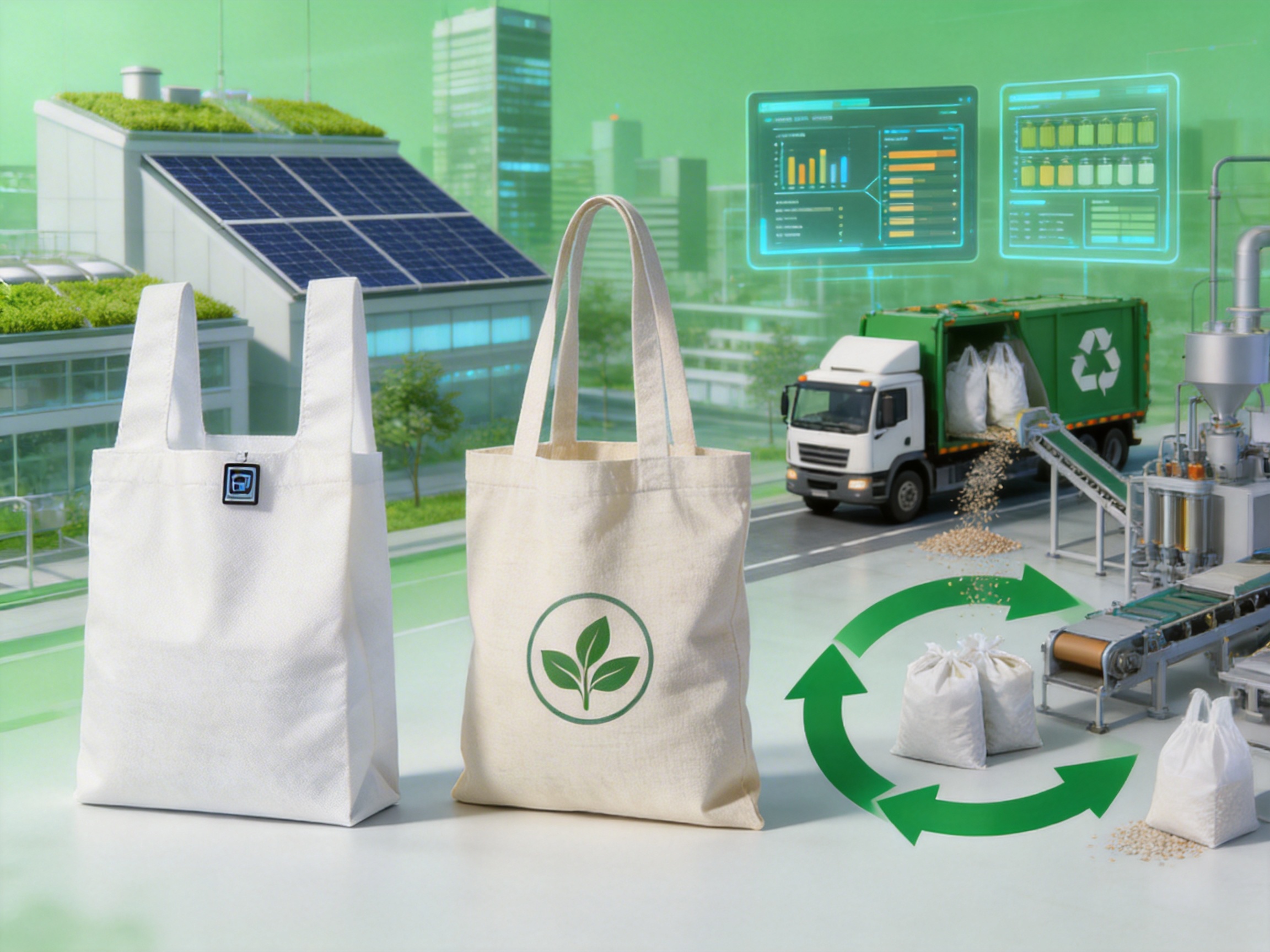
- Solar-Powered Facility: The production facility is equipped with solar panels, which generate 30% of the company’s electricity needs—reducing its carbon footprint by 1,200 tons per year.
- Recycling Partnerships: The company partners with local recycling programs to collect post-consumer plastic waste, which is used as raw material for its non-woven bags.
- Take-Back Program: The company offers a take-back program for its bags, allowing customers to return old bags for recycling—closing the loop in the circular economy.
These initiatives have earned the company recognition as a leader in sustainable packaging, with awards from organizations like the China Packaging Industry Association and the Global Sustainable Packaging Alliance.
Comparative Analysis with Competitors
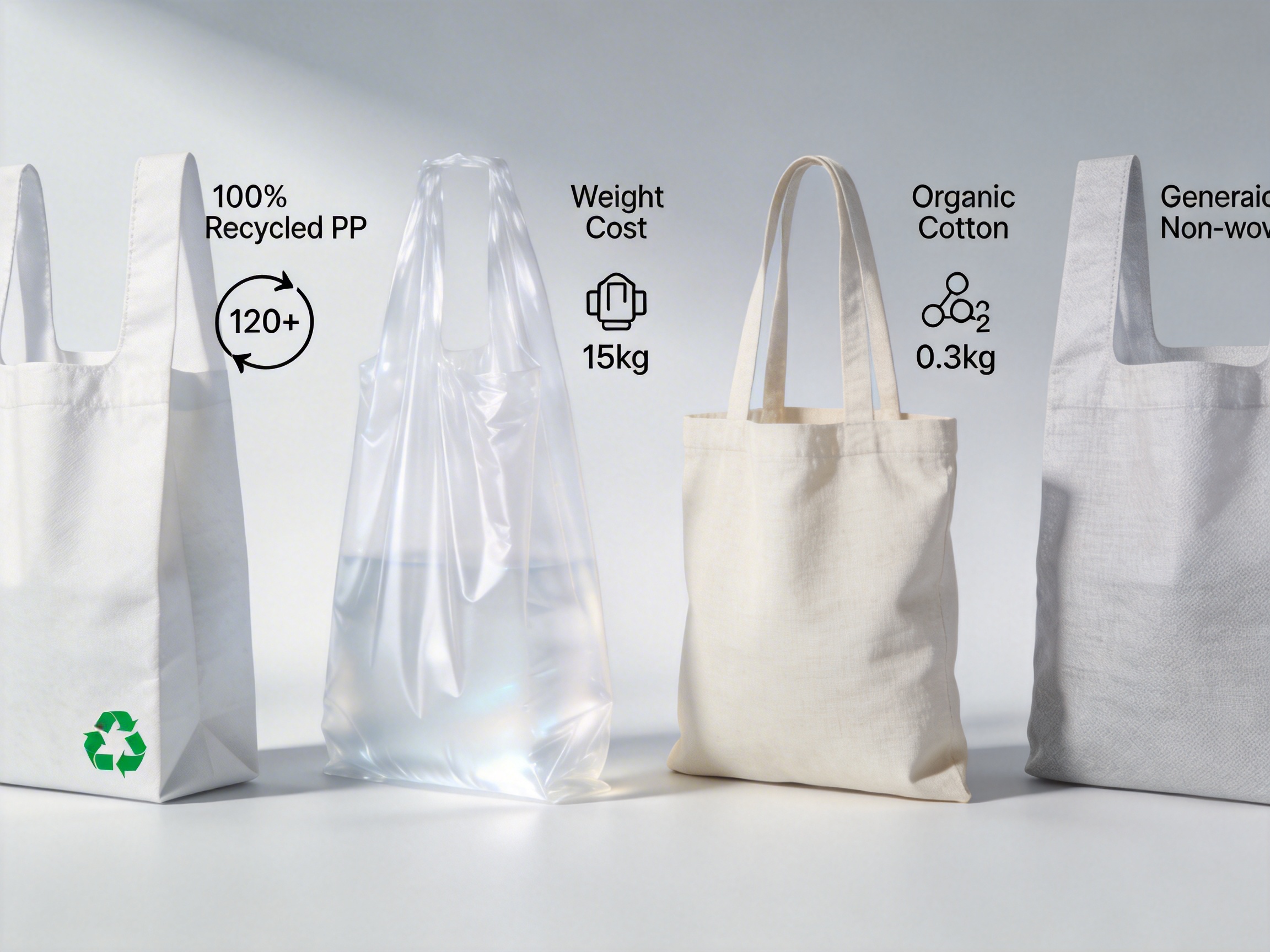
To understand the competitive advantage of the featured non-woven bag, we compared it to three common alternatives: a low-cost plastic bag (Competitor A), an organic cotton bag (Competitor B), and a generic non-woven bag (Competitor C). The table below summarizes the key differences:
| Feature | Featured Non-Woven Bag | Competitor A (Low-Cost Plastic Bag) | Competitor B (Organic Cotton Bag) | Competitor C (Generic Non-Woven Bag) |
|---|---|---|---|---|
| Material | 100% Recycled PP (with PLA blend option) | Virgin LDPE | Organic Cotton | Low-Grade PP (with additives) |
| Recyclability | 100% (industrial compostable option) | 50% (hard to recycle in many areas) | 70% (high water usage in production) | 60% (additives reduce recyclability) |
| Durability (Reuse Cycles) | 120+ | 10 | 80 | 60 |
| Load Capacity | 15 kg | 5 kg | 12 kg | 8 kg |
| Eco-Footprint (CO2 per Bag) | 0.3 kg | 0.8 kg | 2.5 kg | 0.6 kg |
| Certifications | ISO9001, BRC, DIN, ROHS+ | None | OEKO-TEX | ISO9001 only |
| Customization Options | Full (size, print, handles, insulation) | Limited (basic print only) | Medium (size, print) | Basic (size, simple print) |
| Food Contact Safety | Yes (BRC certified) | No (may contain harmful additives) | Yes (OEKO-TEX) | No (not BRC certified) |
As the table shows, the featured non-woven bag outperforms its competitors in nearly every category. It is more durable, has a lower carbon footprint, offers more customization options, and is safer for food contact. These advantages make it the ideal choice for businesses looking to reduce their environmental impact and improve their brand image.
Real-World Applications & Case Studies
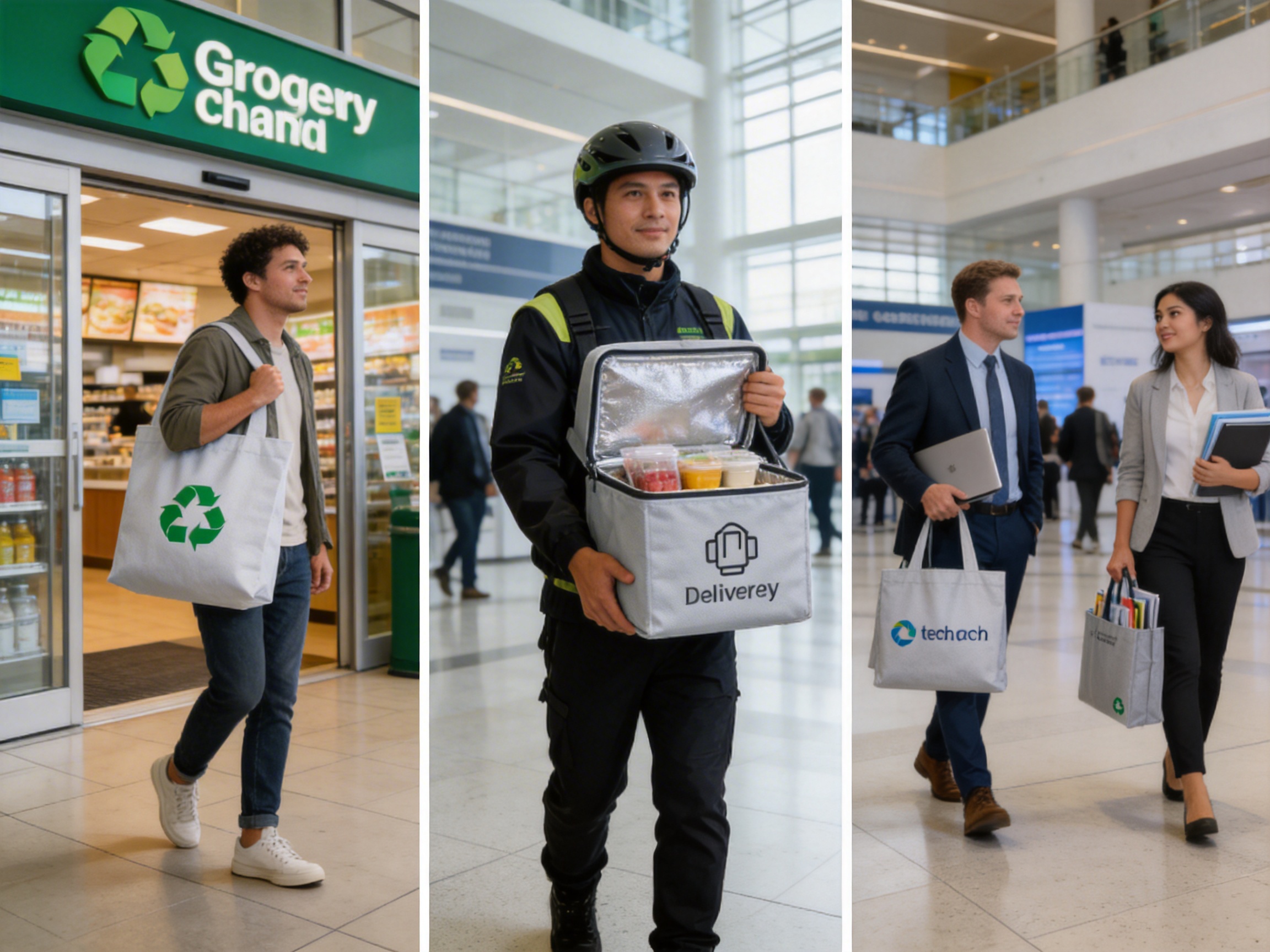
The featured non-woven bag has been used by a wide range of businesses across different industries. Below are three case studies that highlight its effectiveness:
Case Study 1: Local Grocery Chain Reduces Plastic Waste
Background: A regional grocery chain in China was facing pressure from local regulators and customers to reduce its use of single-use plastic bags. The chain was using 1.2 million plastic bags per month, which were contributing to local landfill waste and ocean pollution.
Solution: The chain switched to the featured non-woven bag, customizing it with its logo and a message about sustainability. The bags were sold to customers for a small fee (¥1 each), with proceeds going to local environmental charities.
Results:
- 40% reduction in plastic bag usage within 6 months.
- 25% increase in customer loyalty, as measured by repeat visits.
- Compliance with local plastic ban regulations, avoiding fines of up to ¥100,000 per month.
- Positive media coverage for the chain’s sustainability efforts.
Case Study 2: Food Delivery Platform Improves Customer Satisfaction
Background: A food delivery platform in Southeast Asia was receiving complaints from customers about flimsy plastic bags that tore easily, leading to spilled food and delayed deliveries. The platform’s customer satisfaction score (CSAT) had dropped to 3.2 out of 5.
Solution: The platform switched to large non-woven bags with insulated lining, customized with its logo and delivery instructions. The insulated lining kept hot food hot and cold food cold, while the durable fabric prevented tearing.
Results:
- 60% reduction in delivery complaints related to packaging.
- 30% increase in CSAT score to 4.2 out of 5.
- 15% increase in repeat orders from customers who praised the packaging.
- Reduction in food waste due to fewer spills (from 8% to 3% of orders).
Case Study3: Corporate Promotional Event Boosts Brand Visibility
Background: A global tech company was looking for a sustainable promotional item to distribute at its annual conference. The company wanted an item that was useful, long-lasting, and aligned with its brand values of sustainability.
Solution: The company ordered 5,000 large non-woven bags with its logo and conference details printed in water-based inks. The bags included a small pocket for laptops and a drawstring closure for security.
Results:
- 90% of conference attendees kept and reused the bags after the event.
- 20% increase in social media mentions of the company’s brand, with attendees posting photos of the bags.
- Positive feedback from attendees, who praised the bag’s quality and sustainability.
- Cost-effective: The bags cost 30% less than other promotional items (e.g., branded t-shirts) and had a longer lifespan.
Q&A Section
Below are answers to common questions about the featured non-woven bag:
Q1: Are the non-woven bags safe for food contact?
A: Yes. The bags are BRC-certified, which means they meet strict global food safety standards. They are also free of BPA, phthalates, lead, and other hazardous substances, making them safe for carrying food items like groceries, takeaway meals, and snacks.
Q2: Can the bags be composted at home?
A: The standard recycled PP bags are 100% recyclable but not compostable at home. However, the biodegradable PP-PLA blend option requires industrial composting facilities (which maintain temperatures of 55-65°C and high humidity) to break down completely within 180 days. Home composting does not reach these conditions, so the PLA blend will not decompose there.
Q3: What is the minimum order quantity (MOQ)?
A: The MOQ is 500 bags for custom orders. For smaller quantities (e.g., 100-499 bags), there is a slight surcharge to cover setup costs. The company also offers sample orders (1-5 bags) for customers to test the product before placing a bulk order.
Q4: How long does it take to deliver a custom order?
A: Standard delivery time is 7-10 working days for MOQ orders. Rush orders (3-5 working days) are available with an additional fee of 20-30% of the total order value. The company also offers express shipping for international orders, with delivery times ranging from 3-7 days.
Q5: Can the bags be printed with complex designs?
A: Yes. The company uses water-based flexographic printing, which supports high-resolution designs (up to 1200 dpi) and multiple colors (including gradients). Customers can upload their own designs or work with the company’s graphic design team to create a custom design.
Q6: Does the company offer a warranty for the bags?
A: Yes. The company offers a 6-month warranty against defects in materials and workmanship. If a bag is found to be defective within this period, the company will replace it free of charge.
Future Outlook for Non-Woven Bags
The global non-woven packaging market is expected to continue growing in the coming years, driven by increasing sustainability regulations and consumer demand. Below are three key trends that will shape the future of non-woven bags:
Trend1: Biodegradable & Compostable Blends
As governments around the world tighten regulations on single-use plastics, there will be a growing demand for fully biodegradable and compostable non-woven bags. The featured bag’s PP-PLA blend is already positioned to meet this demand, and the company is investing in research to develop even more sustainable blends (e.g., using hemp or bamboo fibers).
Trend2: Smart Packaging Integration
With the rise of IoT (Internet of Things) technology, non-woven bags will increasingly be equipped with sensors and RFID tags. These tags will allow businesses to track inventory, monitor bag usage, and even send personalized offers to customers. The company’s RFID-enabled bag is already a step in this direction.
Trend3: Circular Economy Initiatives
Businesses will increasingly adopt circular economy principles, which focus on reducing waste and reusing materials. The company’s take-back program and zero-waste production process are already aligned with this trend, and it is expected to expand these initiatives in the future (e.g., partnering with more recycling programs and offering discounts for returned bags).
The featured non-woven bag is well-positioned to capitalize on these trends, thanks to its innovative design, sustainable credentials, and the company’s commitment to R&D and circular economy principles.
References
1. Global Non-Woven Packaging Market Report 2023-2030, Grand View Research, 2023.
2. "The Environmental Impact of Reusable Bags: A Comparative Study," Sustainable Packaging Coalition, 2022.
3. BRC Global Standards for Food Safety: 8th Edition, British Retail Consortium, 2021.
4. "Recycled Polypropylene in Non-Woven Applications," Journal of Applied Polymer Science, Volume 149, Issue 12, 2022.
5. ISO 9001:2015 Quality Management Systems: Fundamentals and Vocabulary, International Organization for Standardization, 2015.
6. "DIN Certifications for Packaging Safety," German Institute for Standardization, 2023.
7. "Plastic Pollution: Facts and Figures," United Nations Environment Programme (UNEP), 2023.
8. "Consumer Attitudes Towards Sustainable Packaging," Nielsen, 2022.
Conclusion
The featured non-woven bag is a game-changer in the sustainable packaging industry. Its innovative design, eco-friendly credentials, and superior performance make it a standout product, outperforming competitors in durability, recyclability, and customization. The company behind it—with its state-of-the-art production facility, rigorous quality certifications, and commitment to R&D and sustainability—has positioned itself as a leader in the field.
As the world continues to grapple with plastic pollution, non-woven bags will play an increasingly important role in reducing waste and promoting a circular economy. The featured bag is not just a product—it is a solution that helps businesses meet their sustainability goals, improve customer satisfaction, and enhance their brand image.
Whether you are a grocery store owner looking to reduce plastic waste, a food delivery platform aiming to improve customer satisfaction, or a corporate brand seeking a sustainable promotional item, the featured non-woven bag is the ideal choice. Its combination of quality, sustainability, and versatility makes it a valuable investment for any business committed to a greener future.