English
 Español
 عربى
عربىContent
- 1 Introduction: A Smarter Lid for Modern Beverage Service
- 2 Product Overview
- 3 Key Specifications
- 4 Food-Grade PP Material: Safety, Stability, and Environmental Value
- 5 One-Piece Sealing Structure: Better Leakage Resistance
- 6 Dual-Purpose Plug Hole for Drinking Convenience
- 7 Advantages Over Conventional Cup Lids
- 8 Advanced Injection Molding Manufacturing Process
- 9 Manufacturing Strengths of the Company
- 10 Quality Management and Certification Value
- 11 Customization and Design for Brand Differentiation
- 12 Applications in Beverage and Foodservice Markets
- 13 Environmental Responsibility in Disposable Packaging
- 14 Operational Benefits for Buyers
- 15 Comparison with Alternative Lid Materials
- 16 Packaging Safety During Transportation
- 17 Role in a Complete Disposable Food Packaging Container System
- 18 OEM and Custom Manufacturing Capabilities
- 19 Why This One-Piece Lid Is a Competitive Choice
- 20 Frequently Asked Questions
- 20.1 What is the PP plastic one-piece cup lid made of?
- 20.2 What cup size does this lid fit?
- 20.3 What is the gram weight of the lid?
- 20.4 What colors are available?
- 20.5 Can the plug be customized?
- 20.6 Is the lid leak-proof?
- 20.7 Is PP environmentally friendly?
- 20.8 What makes this lid better than ordinary disposable lids?
- 20.9 Can this product be used for customized disposable food packaging container solutions?
- 20.10 What certifications support the manufacturer’s quality capability?
- 21 Conclusion: Reliable Lid Design for the Future of Takeaway Beverage Packaging
- 22 References
- 23 Product: PP plastic one-piece cup lid
Introduction: A Smarter Lid for Modern Beverage Service
In today’s fast-moving beverage market, a cup lid is no longer a simple accessory. It is a functional packaging component that influences drinking comfort, leak prevention, portability, hygiene, brand presentation, and environmental responsibility. The PP plastic one-piece cup lid is designed to meet these demands with a compact, practical, and customizable structure suitable for takeaway drinks, foodservice chains, convenience stores, coffee shops, tea brands, and large-scale beverage packaging applications.
Made from food-grade polypropylene, commonly known as PP, this one-piece cup lid combines safety, durability, recyclability, and stable performance. Its integrated sealing structure fits closely with the cup body, helping to prevent splashing and leakage during carrying, delivery, storage, and consumption. Compared with ordinary disposable lids that may deform easily, loosen during transport, or require separate sealing parts, the one-piece design offers a more reliable user experience while improving operational efficiency for beverage businesses.
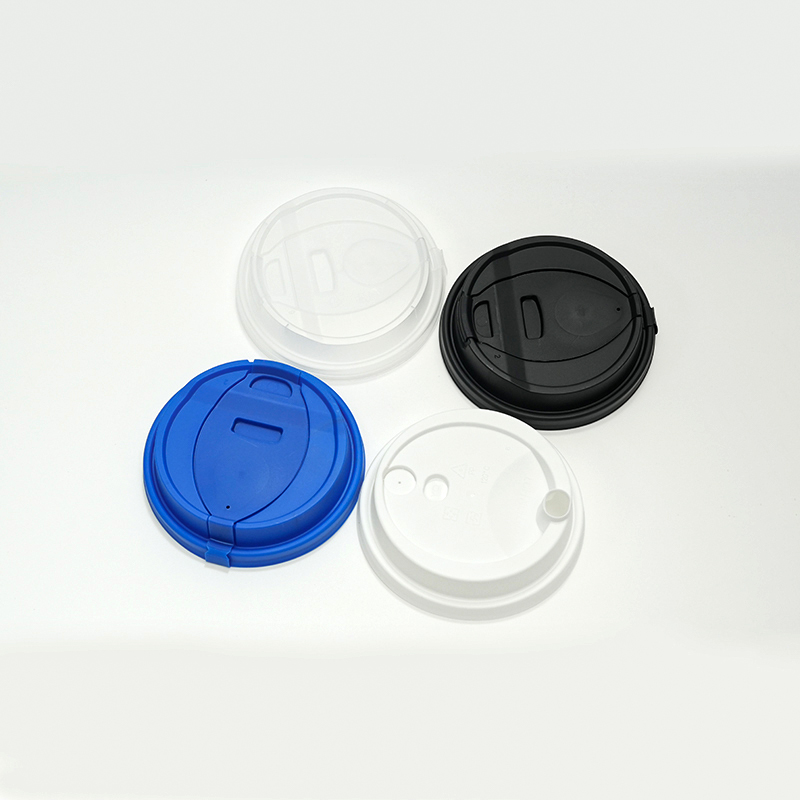
The product is especially suitable for brands seeking a balance between practical performance and visual customization. It can be supplied in transparent, white, black, green, purple, gold, and other customized color options depending on lid type and customer requirements. The plug hole and stopper design can also be adapted in different colors and shapes, allowing beverage brands to create a more recognizable packaging identity. This is particularly valuable in a competitive disposable food packaging container market where presentation and convenience both influence customer loyalty.
Yuqian Packaging Technology (Jiangsu) Co., Ltd. manufactures this PP plastic one-piece cup lid with advanced production equipment, established quality management systems, and extensive industry experience. The company was established in 2010 and is located in Taizhou City, Jiangsu Province, China, with a plant area of approximately 30,000 square meters. As a high-tech enterprise focused on research, development, production, and sales of new food packaging materials and products, the company provides OEM and customized manufacturing services for food and beverage packaging customers worldwide.
Product Overview
The PP plastic one-piece cup lid is an injection molded lid designed for beverage cups with a 90 mm caliber. It is available in several structural and surface styles, including glossy one-piece cover, frosted one-piece lid, and big mouth one-piece cover. Each model is engineered to support drinking convenience, secure closure, and space-saving storage. The standard gram weight is approximately 5 grams, making it lightweight for transport and cost control while retaining dependable structural strength.
The product name, PP plastic one-piece cup lid, reflects its material and design logic. Instead of relying on a multi-part assembly that may increase production complexity or create weak points in sealing performance, the lid integrates key functional parts into a unified structure. This makes it easier to use, easier to stack, and easier to apply in high-volume beverage service environments.
One of the central design features is the dual-purpose plug hole. This structure provides convenient drinking access while maintaining good sealing performance when the plug is closed or properly positioned. For consumers, this means they can drink more comfortably without excessive liquid exposure. For beverage sellers, it helps reduce customer complaints related to spills, splashes, and leakage.
The one-piece lid is also designed with customization in mind. The plug can be produced in various colors and shapes, giving brands flexibility to match seasonal promotions, product lines, brand colors, or premium drink categories. The leak-proof solution can also be customized according to user needs, which allows buyers to match the lid to different cup bodies, drink types, serving temperatures, and transportation scenarios.
Key Specifications
| Lid Type | Caliber | Gram Weight | Available Colors | Main Application |
| Glossy one-piece cover | 90 mm | 5 g | Transparent, white | General takeaway drinks, tea, juice, coffee, and cold beverages |
| Frosted one-piece lid | 90 mm | 5 g | White, transparent | Brands seeking a soft matte appearance and clean visual presentation |
| Big mouth one-piece cover | 90 mm | 5 g | Transparent, white, black, green, purple, gold | Specialty beverages, drinks with toppings, and customized brand packaging |
This specification table shows the practical range of the product. Although the lid is lightweight, it supports multiple commercial uses. The 90 mm caliber is widely applied in beverage packaging, which helps distributors and foodservice operators simplify inventory planning. The consistent gram weight also supports predictable shipping costs and stable production control.
Food-Grade PP Material: Safety, Stability, and Environmental Value
Polypropylene is one of the most widely used materials in food packaging because it combines food safety with reliable processing performance. For a cup lid, material selection is critical. The lid comes into direct or near-direct contact with beverages, steam, aroma, and the consumer’s mouth. Therefore, the material must be non-toxic, odorless, chemically stable, and suitable for food-contact applications.
The PP plastic one-piece cup lid uses food-grade PP raw materials. This gives the product several important advantages over lids made with low-quality plastics or poorly controlled recycled blends. Food-grade PP helps preserve the taste and smell of beverages because it is odorless under normal use conditions. It does not easily introduce unwanted flavors into drinks, which is especially important for coffee, milk tea, fruit tea, sparkling drinks, and fresh juices.
PP also has good resistance to chemical corrosion. Many beverages contain acids, sugars, dairy components, fruit extracts, or flavoring ingredients. A stable PP lid can better withstand these conditions without quick deformation or quality decline. This improves consumer confidence and helps protect brand reputation.
Another major advantage is recyclability. PP can be recycled and reused when collected and processed through appropriate recycling systems. In a market increasingly shaped by environmental regulations and consumer expectations, recyclable packaging materials offer practical sustainability value. While single-use packaging remains necessary in many takeaway and delivery scenarios, choosing recyclable PP can reduce environmental pressure compared with non-recyclable or poorly sorted materials.
The company also pays attention to packaging materials used for product transportation. Recyclable or biodegradable packaging materials may be selected to reduce contamination and support greener logistics. Protective packaging is chosen to improve safety during transport, helping prevent deformation, contamination, or breakage before the lids reach the customer.
One-Piece Sealing Structure: Better Leakage Resistance
A beverage lid succeeds or fails at the point where it meets the cup. If the lid does not fit tightly, liquid may splash, leak, or spill during movement. This is a common problem in takeaway beverage packaging, especially during delivery by scooter, bicycle, or car. The PP plastic one-piece cup lid is designed with an integrated sealing structure that fits tightly with the cup body. This reduces the risk of liquid leakage and improves user satisfaction.
Compared with ordinary lids that rely on a loose snap fit, the one-piece sealing design provides a more stable connection. It helps hold the lid in place when the cup is tilted, carried in a bag, placed in a cup holder, or transported with other items. This is essential for modern beverage service, where products often travel from store counters to offices, homes, public transport, outdoor events, and delivery routes.
Leak resistance is not only a consumer convenience feature. It also has direct business value. Spilled beverages can create refund requests, negative reviews, damaged delivery packaging, and poor customer experience. A better-sealing lid helps reduce these risks. It also helps foodservice operators maintain professional packaging standards and protect the appearance of the drink during handover.
The product’s leak-proof solution can be customized according to customer needs. This is important because cup bodies vary by material, wall thickness, rim shape, production tolerance, and application. A lid that works well with one cup may not achieve the same performance with another. Through customization, the manufacturer can optimize fit, tightness, plug design, drinking opening structure, and overall usability.
Dual-Purpose Plug Hole for Drinking Convenience
The dual-purpose plug hole is one of the most practical features of the PP plastic one-piece cup lid. It is designed to support convenient drinking while improving sealing performance. For consumers, the drinking experience should be simple, hygienic, and comfortable. A well-designed plug hole allows users to access the beverage without removing the lid completely, reducing the chance of spills and keeping the drink more protected from dust or outside contamination.
The plug can be produced in different colors and shapes, which adds both functional and decorative value. For example, a brand may choose a bright plug color to distinguish drink categories, such as black for coffee, green for fruit tea, purple for seasonal beverages, or gold for premium products. Shape variations can also help create visual recognition or improve the tactile experience of opening and closing.
In high-volume foodservice environments, small usability details matter. Staff need lids that are easy to apply quickly and consistently. Consumers need lids that are easy to drink from without confusion. The one-piece structure helps simplify handling because fewer separate parts are required. A dual-purpose plug feature supports flexible use while keeping the cup neat and portable.
For takeaway and delivery businesses, this design improves service reliability. Customers can receive drinks that are easier to carry and less likely to spill during movement. This helps beverage brands strengthen trust and repeat purchase behavior, especially in competitive markets where packaging quality can influence online ratings and word-of-mouth recommendations.
Advantages Over Conventional Cup Lids
The PP plastic one-piece cup lid offers several advantages compared with conventional disposable cup lids. These advantages relate to structure, user experience, customization, sustainability, operational efficiency, and brand value.
Improved Sealing Performance
Many ordinary lids are designed with basic snap-on rims that may loosen during transportation. If the cup rim tolerance changes or the lid material is too thin, the seal may become unreliable. The integrated sealing structure of the one-piece lid is engineered to fit tightly with the cup body, helping reduce splashing and leakage.
Better Consumer Experience
Consumers expect a lid that opens easily, closes securely, and allows comfortable drinking. The dual-purpose plug hole supports drinking convenience while helping maintain closure. A smooth, stable lid improves the overall perception of beverage quality.
Greater Brand Customization
Competitor lids may offer only limited color choices or standard designs. This product supports multiple lid styles and colors, with customizable plug shapes, plug colors, and leak-proof solutions. That flexibility allows beverage brands to build stronger visual identity.
Food-Grade and Recyclable Material
Low-cost lids may use inconsistent materials or lack full quality control. This PP lid is made from food-grade polypropylene, which is non-toxic, odorless, recyclable, and suitable for food packaging. The material supports both health and environmental objectives.
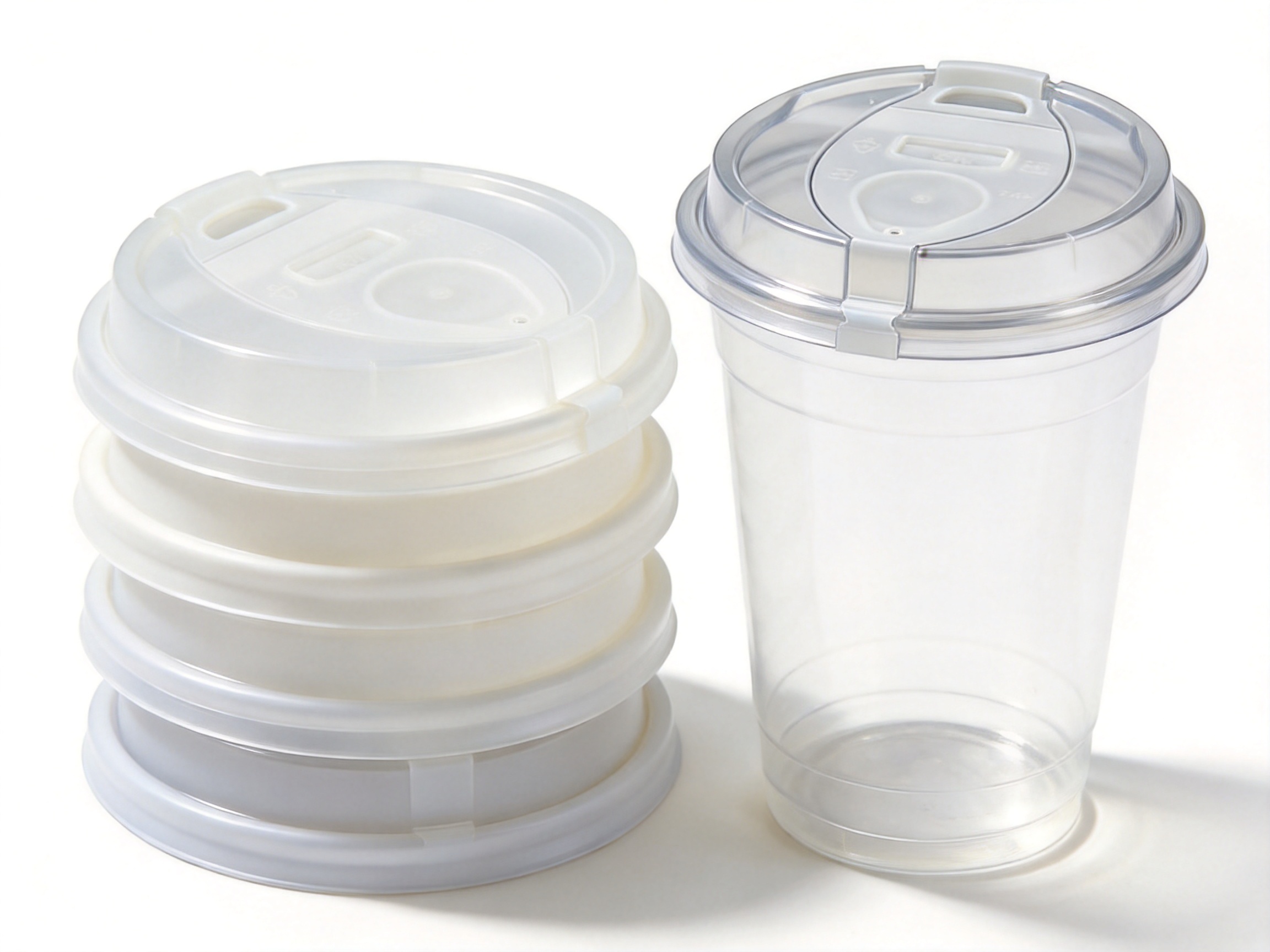
Stackable and Space-Saving
Storage efficiency is crucial for distributors, restaurants, and beverage shops. The stackable design helps reduce storage space, simplify warehouse handling, and improve counter organization. This provides operational value beyond the product itself.
Professional Manufacturing Support
A strong product requires a strong manufacturing system. Yuqian Packaging Technology (Jiangsu) Co., Ltd. combines production experience, advanced equipment, and quality certifications to support stable supply and consistent product quality. This helps customers reduce procurement risk.
Advanced Injection Molding Manufacturing Process
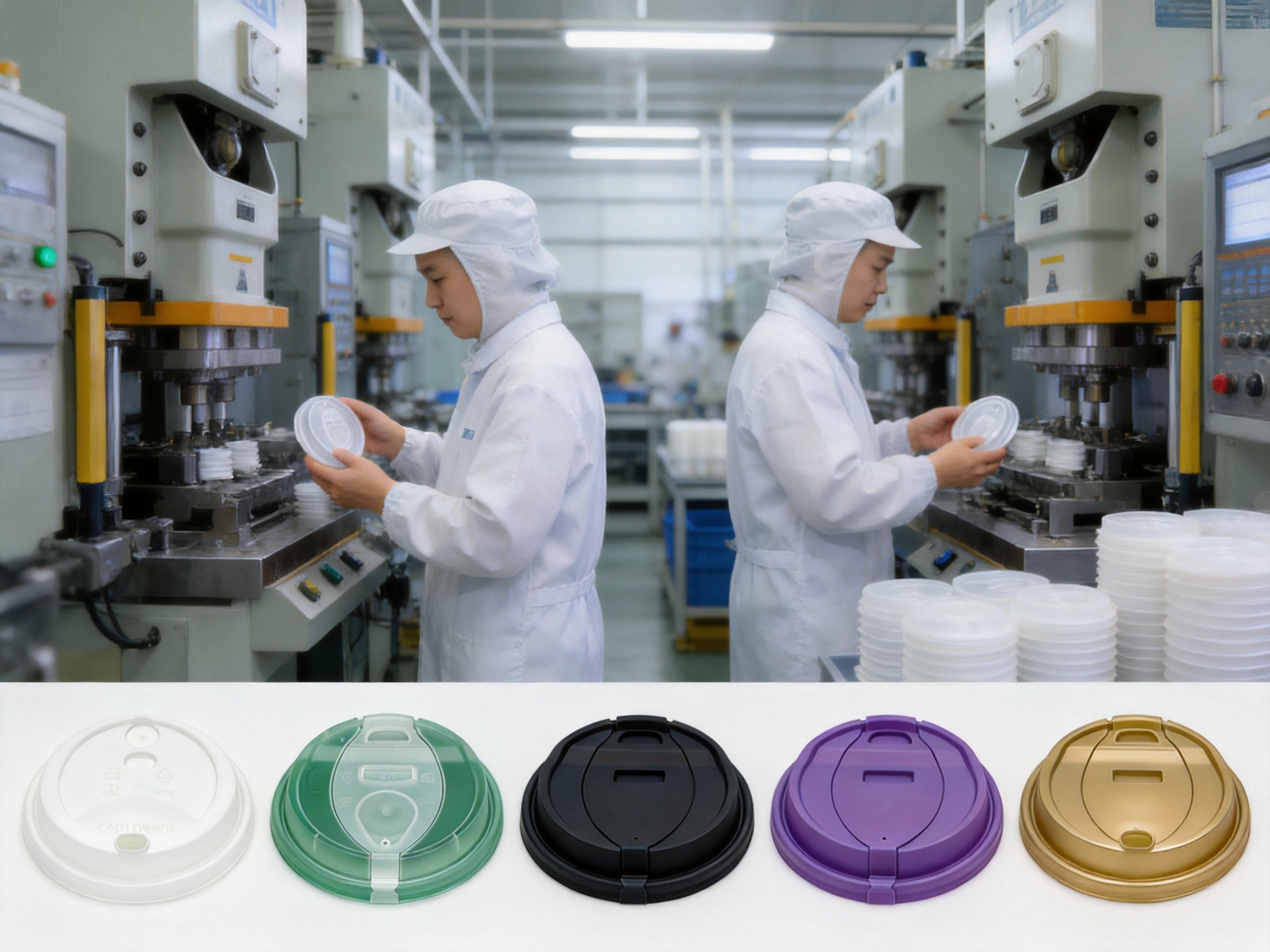
The PP plastic one-piece cup lid belongs to the category of PP injection molded cup lids. Injection molding is a highly efficient and precise manufacturing process suitable for producing large quantities of plastic parts with stable dimensions and repeatable quality. For food packaging, this process is particularly valuable because it can produce smooth surfaces, consistent sealing edges, and accurate structural details.
The process begins with material selection. Food-grade PP raw materials are selected according to product safety and performance requirements. Material quality affects lid strength, flexibility, appearance, odor control, heat resistance, and long-term stability. Consistent raw material management helps ensure that every batch of lids meets customer expectations.
Next, the PP material is fed into injection molding equipment, where it is heated and plasticized under controlled conditions. The molten material is then injected into precision molds. Mold design is essential because the sealing rim, plug hole, drinking opening, stacking structure, and surface finish all depend on accurate mold engineering. A small error in mold dimension can affect fit and leakage resistance, so the manufacturing process must maintain strict control.
After injection and cooling, the formed lids are released from the mold. The cooling stage must be managed carefully to reduce warping, shrinkage variation, or surface defects. A lid that appears acceptable visually may still fail if the sealing rim is distorted. Therefore, experienced technical control is required throughout the molding cycle.
Post-production inspection is also important. Quality checks may include appearance inspection, dimensional measurement, weight verification, stacking performance, sealing fit, plug function, and packaging condition. For a 5 g lid, even small deviations can influence performance, so consistent process control is a competitive advantage.
Yuqian Packaging Technology uses advanced production equipment and accumulated manufacturing experience to efficiently and accurately produce one-piece cup lids that meet customer requirements. The company’s production capability supports OEM orders, customized design, and large-scale supply, making it suitable for foodservice chains, beverage distributors, and packaging brands.
Manufacturing Strengths of the Company
Yuqian Packaging Technology (Jiangsu) Co., Ltd. was established in 2010 and has developed into a professional manufacturer of new food packaging materials and products. Located at No. 8 Tongyang Road, Suchen Town, Taizhou City, Jiangsu Province, China, the company operates a plant area of approximately 30,000 square meters. This manufacturing scale allows the company to support product development, production, storage, quality control, and customer service for domestic and international markets.
The company is a research and development, production, and sales enterprise focused on food packaging solutions. Its product categories include plastic cups, plastic cup lids, takeaway bowls, disposable straws, recycle bags, peripheral products, and injection film lining cup and bowl boxes. This broad product range allows customers to source multiple packaging components from one supplier, improving procurement efficiency and packaging consistency.
The company’s technical accumulation is especially valuable for customized disposable food packaging container solutions. Modern beverage and catering brands often require packaging that is not only functional but also aligned with brand identity. The manufacturer can provide personalized design options for disposable food packaging, helping customers create packaging systems with unique market appeal.
The company has obtained multiple certifications and compliance qualifications, including the QS national industrial product production license, ISO9001 Quality Management System certification, BRC certification, German authoritative safety DIN certification, and EU RoHS-related testing. These certifications reflect a commitment to production control, safety standards, and international market requirements.
In January 2019, the company expanded business channels and service capabilities by establishing a Shanghai branch. This supports market development, customer communication, and service responsiveness. For customers purchasing customized cup lids or disposable packaging containers, responsive communication is often as important as manufacturing capacity because design confirmation, sample development, testing, and delivery coordination require close cooperation.
Quality Management and Certification Value
Quality management is essential in food packaging manufacturing. A cup lid may appear simple, but it must meet multiple requirements at the same time: food safety, fit accuracy, structural strength, surface cleanliness, storage stability, and transportation durability. Certifications and management systems help ensure that these requirements are built into daily production instead of handled only after problems occur.
The QS national industrial product production license demonstrates that the company has met relevant production qualification requirements. ISO9001 Quality Management System certification shows that the company operates under recognized quality management principles, including process control, continual improvement, customer focus, and documented management. BRC certification is also important in food packaging and related supply chains because it reflects attention to safety, hygiene, and product integrity.
German DIN safety certification and EU RoHS-related testing further support market confidence. While different customers may have different regulatory requirements depending on region and application, these certifications indicate that the manufacturer understands the importance of international compliance. For buyers, this reduces risk when selecting a packaging partner.
Quality control also protects brand reputation. Beverage businesses depend on packaging that performs consistently. If one batch fits well and another batch leaks, customer confidence declines. A structured quality management system helps maintain batch-to-batch stability, which is essential for chain stores and distributors handling high-volume orders.
Customization and Design for Brand Differentiation
In the beverage industry, packaging is a silent salesperson. Before a customer tastes the drink, they see and touch the cup, lid, color, shape, and overall presentation. A customized PP plastic one-piece cup lid can help brands stand out in crowded takeaway and delivery markets.
Color customization is one of the most direct ways to enhance visual identity. Transparent lids provide a clean and universal look, allowing the drink color to remain visible. White lids communicate simplicity and cleanliness. Black lids may suggest premium quality or specialty coffee. Green can connect with freshness, nature, or fruit-based drinks. Purple and gold can be used for seasonal campaigns, luxury lines, or distinctive branding.
The plug design can also be customized in color and shape. This gives brands a small but memorable design detail. In multi-product beverage stores, plug colors may help staff and customers distinguish drink types or temperature categories. For example, one plug color may indicate sugar-free drinks, another may indicate hot beverages, and another may identify a promotional product.
Leak-proof solutions can be customized based on customer needs. This is critical because beverage brands often use different cup materials, lid diameters, rim designs, and filling volumes. Custom engineering can help match the lid to the cup body more precisely, improving sealing performance and consumer satisfaction.
The company can also provide product packaging designs that attract consumers. Packaging cartons, bags, or protective materials can be selected with attention to recyclability, biodegradability, and transport safety. This supports both marketing presentation and environmental responsibility.
Applications in Beverage and Foodservice Markets
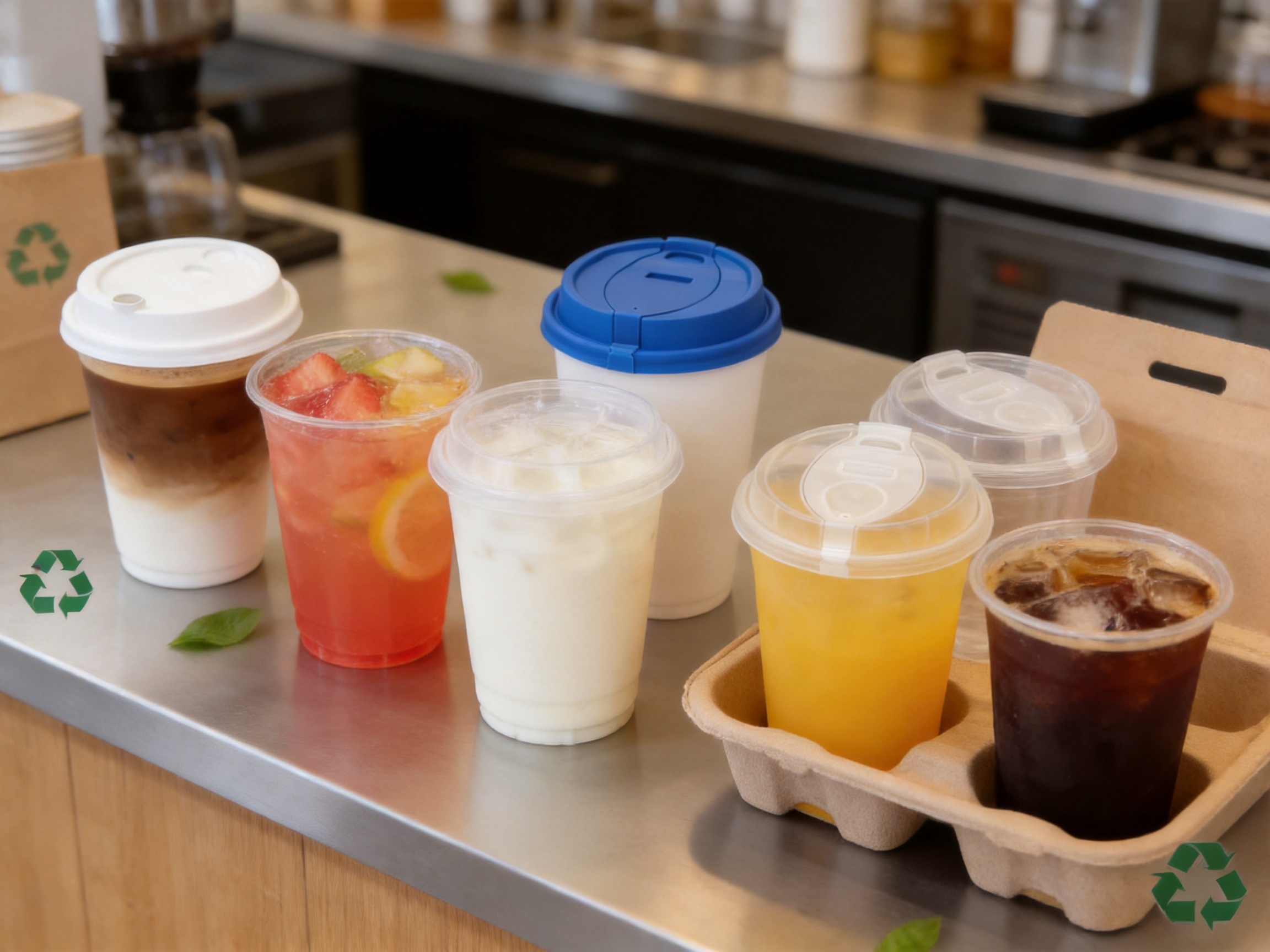
The PP plastic one-piece cup lid is suitable for a wide range of beverage packaging applications. Its 90 mm caliber and lightweight structure make it practical for many cup formats used by tea shops, coffee shops, juice bars, convenience stores, fast-food restaurants, dessert shops, and delivery platforms.
For milk tea and fruit tea, leakage prevention is especially important because drinks may contain toppings, ice, fruit pulp, or syrup. A stable lid helps maintain cleanliness during shaking, carrying, or delivery. The big mouth one-piece cover can be useful for specialty beverages that require more open drinking access or topping compatibility.
For coffee and hot beverages, lid material stability and drinking comfort are important. PP provides useful heat resistance compared with some other plastics, and its odorless quality helps protect beverage aroma. A well-designed drinking opening improves the experience for office workers, commuters, and customers consuming drinks on the go.
For cold drinks and juices, transparent or white lid options can preserve a clean, refreshing appearance. The lid helps prevent ice or liquid from spilling while allowing easy drinking access. In retail and takeaway settings, the neat appearance of a one-piece lid can improve shelf presentation.
For foodservice chains, standardization matters. A consistent lid design supports staff training, storage planning, packaging efficiency, and quality control. Because the lids are stackable, stores can keep larger quantities available without occupying excessive space. This is particularly valuable for high-traffic beverage shops where packaging speed influences service time.
Environmental Responsibility in Disposable Packaging
Disposable packaging is essential in many modern consumption scenarios, but it must evolve toward better environmental performance. The PP plastic one-piece cup lid addresses this need through recyclable material selection, lightweight design, and attention to responsible packaging materials.
PP is recyclable in appropriate waste management systems. While recycling effectiveness depends on local collection, sorting, and processing infrastructure, choosing a recyclable material is still an important step. It gives consumers, retailers, and municipalities a better opportunity to recover material value compared with non-recyclable packaging types.
The lid’s lightweight design also contributes to material efficiency. At approximately 5 grams, it uses limited material while still providing practical strength and sealing performance. Reducing unnecessary material use can lower shipping weight, reduce resource consumption, and improve cost efficiency.
The company also considers the packaging used to protect the lids during transportation. Recyclable or biodegradable packaging materials may be selected to reduce pollution. At the same time, protective packaging must remain strong enough to prevent product damage. A sustainable packaging strategy must balance environmental goals with product safety, because damaged goods create waste and additional emissions through replacement shipments.
Green packaging is not only a technical issue but also a market expectation. Consumers increasingly prefer brands that demonstrate environmental awareness. Foodservice companies that use recyclable PP lids and communicate responsible packaging choices can improve public perception and align with sustainability trends.
Operational Benefits for Buyers
For distributors, beverage chains, and food packaging buyers, the value of a cup lid is measured not only by unit price but also by total operational performance. A low-cost lid that leaks, deforms, or causes complaints can become more expensive in the long run. The PP plastic one-piece cup lid provides several operational benefits that improve purchasing value.
First, the stackable structure helps save storage space. Warehouses, restaurant counters, and delivery preparation areas often have limited space. Stackable lids allow more units to be stored neatly and accessed quickly.
Second, the consistent 90 mm caliber simplifies compatibility planning. Buyers can standardize cup and lid systems more easily, reducing inventory complexity. This is useful for chains with multiple stores or distributors serving many customers.
Third, the product supports customization, allowing buyers to differentiate themselves instead of relying on generic packaging. Customized colors and plug designs can strengthen brand recognition and make packaging more attractive to consumers.
Fourth, reliable sealing performance can reduce waste and complaint costs. A better lid protects drinks during transportation, lowers the risk of refunds, and improves the delivery experience.
Fifth, the manufacturer’s certification background and production capacity reduce procurement risk. Buyers can cooperate with a supplier that understands food packaging standards, quality systems, and international customer requirements.
Comparison with Alternative Lid Materials
Different lid materials exist in the market, including PET, PS, paper-based composite lids, PLA, and other biodegradable or conventional plastics. Each material has advantages and limitations. PP is often selected for beverage cup lids because it offers a practical balance of performance, safety, and cost.
Compared with PS, PP generally offers better toughness and chemical resistance. PS can be brittle under certain conditions, while PP provides better flexibility for snap-fit applications. This is useful for lids that need to grip cup rims securely.
Compared with PET, PP may provide better suitability for some heat-related applications and has a different balance of flexibility and rigidity. PET is valued for clarity, but PP remains strong for molded lid structures and can be produced in multiple colors and surface finishes.
Compared with some biodegradable materials, PP often provides more stable performance and lower cost in high-volume foodservice use. Biodegradable materials can be valuable in specific waste systems, but they may have limitations in heat resistance, storage conditions, or price. PP remains a reliable mainstream option, especially when recyclability and functional durability are priorities.
Compared with paper-based lids, PP offers stronger liquid resistance and molded sealing detail. Paper lids may appeal to some sustainability-focused markets, but they can require coatings or composite layers that complicate recycling. PP lids can provide precise injection molded features that improve sealing and drinking convenience.
The best material depends on customer application, region, regulations, and sustainability goals. However, for many beverage businesses requiring strong sealing, customization, food-grade safety, and scalable production, PP is an effective and competitive choice.
Packaging Safety During Transportation
Product quality must be protected after production. Cup lids are lightweight and stackable, but they still require appropriate packaging to prevent deformation, dust exposure, moisture contamination, or impact damage. Protective packaging is especially important for export shipments and long-distance logistics.
The manufacturer pays attention to safe packaging design. Protective materials can help maintain lid shape and cleanliness throughout transportation. At the same time, packaging materials can be selected with recyclability or biodegradability in mind to reduce environmental impact.
Safe transportation packaging benefits both supplier and customer. It reduces rejected shipments, avoids delays, and ensures that products arrive ready for use. For foodservice buyers, this reliability is essential because packaging shortages or damaged lids can disrupt daily operations.
Role in a Complete Disposable Food Packaging Container System
The PP plastic one-piece cup lid is part of a broader disposable food packaging container ecosystem. Beverage cups, cup lids, takeaway bowls, straws, bags, and peripheral products must work together to create a complete customer experience. A reliable lid enhances the performance of the cup and improves the overall value of the packaging system.
Yuqian Packaging Technology provides multiple packaging product categories, allowing customers to develop coordinated solutions. For example, a beverage brand may require plastic cups, matching PP lids, disposable straws, and recycle bags. A restaurant may require takeaway bowls and compatible lids. Working with a manufacturer that understands multiple packaging formats can simplify development and improve consistency.
This system-level thinking is important because customers do not experience packaging as separate components. They experience the entire package: how it looks, how it feels, whether it leaks, whether it is easy to carry, and whether it supports the brand image. A well-designed one-piece cup lid contributes directly to this experience.
OEM and Custom Manufacturing Capabilities
OEM manufacturing is valuable for businesses that want packaging tailored to their own brands, applications, and market requirements. The PP plastic one-piece cup lid can be customized in color, plug shape, plug color, and leak-proof structure. This allows buyers to create products that are not only functional but also unique.
The customization process typically begins with understanding customer needs. These may include cup dimensions, beverage type, usage temperature, delivery environment, color preference, packaging requirements, order quantity, and regulatory considerations. After these requirements are confirmed, design and sampling can be arranged to test fit and performance.
Testing is an important part of custom development. A lid must be evaluated for sealing tightness, ease of application, drinking convenience, stacking behavior, and visual quality. If necessary, adjustments can be made to the mold or design before mass production.
The company’s experience in injection molding and food packaging allows it to support efficient customization. For customers, this means faster development cycles, fewer compatibility issues, and better final product performance. For brands competing in busy beverage markets, customized packaging can become a practical marketing tool.
Why This One-Piece Lid Is a Competitive Choice
The PP plastic one-piece cup lid is competitive because it addresses the key pain points of beverage packaging: leakage, convenience, safety, storage, customization, and sustainability. It is not designed merely as a disposable cover, but as a performance component within a complete beverage service system.
Its one-piece sealing structure improves fit and reduces the risk of splashing. Its dual-purpose plug hole improves usability. Its food-grade PP material supports safety and recyclability. Its stackable design reduces storage pressure. Its customization options support brand differentiation. Its manufacturing background and certifications provide confidence for buyers seeking stable supply.
Compared with many generic cup lids, this product offers more thoughtful design and stronger customization potential. Compared with lower-grade alternatives, it provides better material assurance and more reliable production control. Compared with suppliers with limited capabilities, the manufacturer offers a broader packaging product range, experienced production systems, and recognized certifications.
For beverage brands, the lid can help improve customer satisfaction and reduce packaging-related complaints. For distributors, it offers a practical product with broad market application. For foodservice chains, it supports standardized operations and brand presentation. For sustainability-focused buyers, it offers recyclable material and responsible packaging considerations.
Frequently Asked Questions
What is the PP plastic one-piece cup lid made of?
The lid is made from food-grade polypropylene, also known as PP. This material is non-toxic, odorless, chemically stable, recyclable, and suitable for food and beverage packaging applications.
What cup size does this lid fit?
The standard product information lists a 90 mm caliber. Compatibility should still be confirmed with the specific cup body because rim shape, wall thickness, and production tolerance can affect sealing performance.
What is the gram weight of the lid?
The listed gram weight is approximately 5 grams. This lightweight design supports efficient transportation and storage while maintaining practical structural performance.
What colors are available?
Available colors depend on lid type. Glossy one-piece covers are available in transparent and white. Frosted one-piece lids are available in white and transparent. Big mouth one-piece covers are available in transparent, white, black, green, purple, and gold. Additional customization may be discussed based on order requirements.
Can the plug be customized?
Yes. The plug can be produced in different colors and shapes. This allows beverage brands to match product lines, brand colors, seasonal campaigns, or special promotional designs.
Is the lid leak-proof?
The lid is designed with a one-piece sealing structure that fits tightly with the cup body to help prevent splashing and leakage. Leak-proof performance can also be customized according to user needs and cup compatibility requirements.
Is PP environmentally friendly?
PP is recyclable when collected and processed through appropriate recycling systems. The lid’s recyclable material and lightweight design support more responsible disposable packaging use. The company also considers recyclable or biodegradable packaging materials for product transportation where appropriate.
What makes this lid better than ordinary disposable lids?
Its advantages include integrated sealing, dual-purpose plug hole design, food-grade PP material, customizable colors and plug styles, stackable storage, and production under established quality management systems. These features improve usability, brand value, and procurement reliability.
Can this product be used for customized disposable food packaging container solutions?
Yes. The lid can be integrated into broader disposable food packaging container programs, especially for beverage cups and takeaway drink systems. Customization can help brands create a coordinated and distinctive packaging appearance.
What certifications support the manufacturer’s quality capability?
The manufacturer has obtained qualifications and certifications including the QS national industrial product production license, ISO9001 Quality Management System certification, BRC certification, German DIN safety certification, and EU RoHS-related testing.
Conclusion: Reliable Lid Design for the Future of Takeaway Beverage Packaging
The PP plastic one-piece cup lid is a practical, customizable, and reliable solution for modern beverage packaging. It combines food-grade PP material, integrated sealing performance, dual-purpose drinking convenience, color customization, stackable storage, and responsible environmental considerations. These features make it suitable for takeaway drinks, delivery beverages, coffee shops, tea brands, juice bars, foodservice chains, and packaging distributors.
Its value lies not only in covering a cup but in improving the entire customer experience. A secure lid helps prevent leakage. A convenient plug hole improves drinking comfort. A clean appearance enhances brand presentation. A recyclable PP material supports sustainability goals. A stable manufacturing system ensures consistent supply and performance.
Yuqian Packaging Technology (Jiangsu) Co., Ltd. supports this product with advanced injection molding capability, a large production base, rich manufacturing experience, OEM customization services, and recognized quality certifications. For buyers seeking a dependable disposable food packaging container manufacturer and factory partner, this PP plastic one-piece cup lid offers a strong combination of performance, design flexibility, and professional production support.
References
1. Robertson, G. L. Food Packaging: Principles and Practice. CRC Press.
2. Coles, R., McDowell, D., and Kirwan, M. J. Food Packaging Technology. Blackwell Publishing.
3. Marsh, K., and Bugusu, B. Food Packaging: Roles, Materials, and Environmental Issues. Journal of Food Science.
4. ISO 9001 Quality Management Systems: Requirements. International Organization for Standardization.
5. British Retail Consortium. Global Standard for Packaging Materials.
6. Selke, S. E. M., and Culter, J. D. Plastics Packaging: Properties, Processing, Applications, and Regulations. Hanser Publications.