English
 Español
 عربى
عربىContent
In an era where consumer expectations for packaging are shifting rapidly—toward durability, safety, eco-friendliness, and brand alignment—disposable beverage containers have become a focal point of innovation. Among the myriad options available, PP (polypropylene) injection cups have emerged as a game-changer, combining unmatched performance with compliance to global safety standards. This article explores why PP injection cups are the preferred choice for businesses and consumers alike, highlighting their advantages over competitors, the advanced manufacturing processes that set them apart, and the industry-leading strengths of the producers behind them.
What Are PP Injection Cups?
PP injection cups are single-use or reusable beverage containers made from food-grade polypropylene, produced via precision injection molding. Polypropylene is a thermoplastic polymer known for its exceptional chemical resistance, high melting point, and mechanical strength—properties that make it ideal for food contact applications. Unlike blow-molded cups (which have visible seams and weak points) or paper cups (which rely on wax or PE linings), injection-molded PP cups are formed by injecting molten PP into a precision mold, resulting in a seamless, uniform structure with consistent wall thickness.
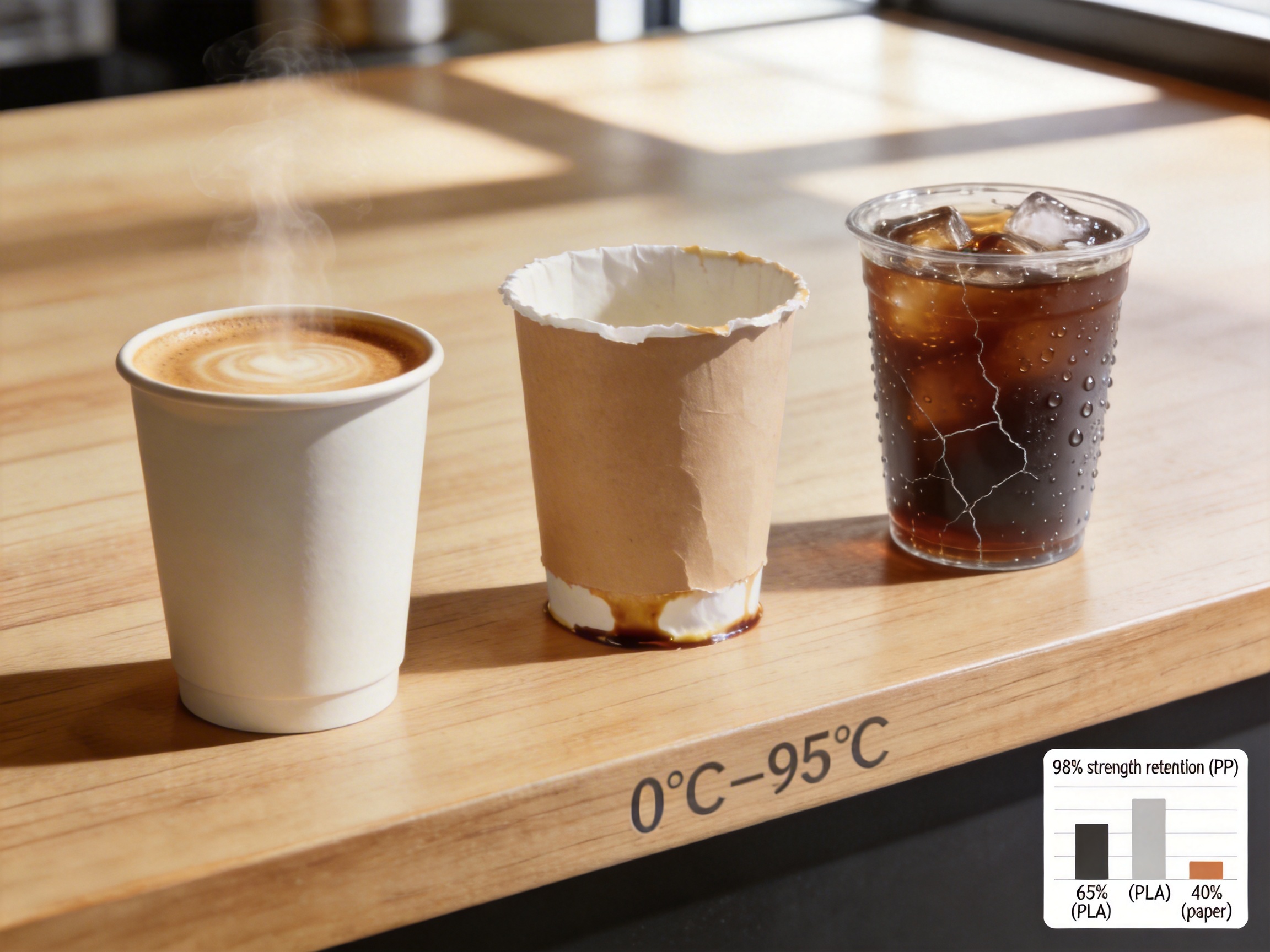
These cups are designed to handle a wide range of temperatures, from 0°C to 95°C, making them suitable for both hot beverages (coffee, tea, hot chocolate) and cold drinks (milk tea, smoothies, iced coffee). Their non-toxic, odorless nature ensures that they do not alter the taste of the contents, while their durability allows them to withstand the rigors of takeaway delivery, family gatherings, and commercial use.
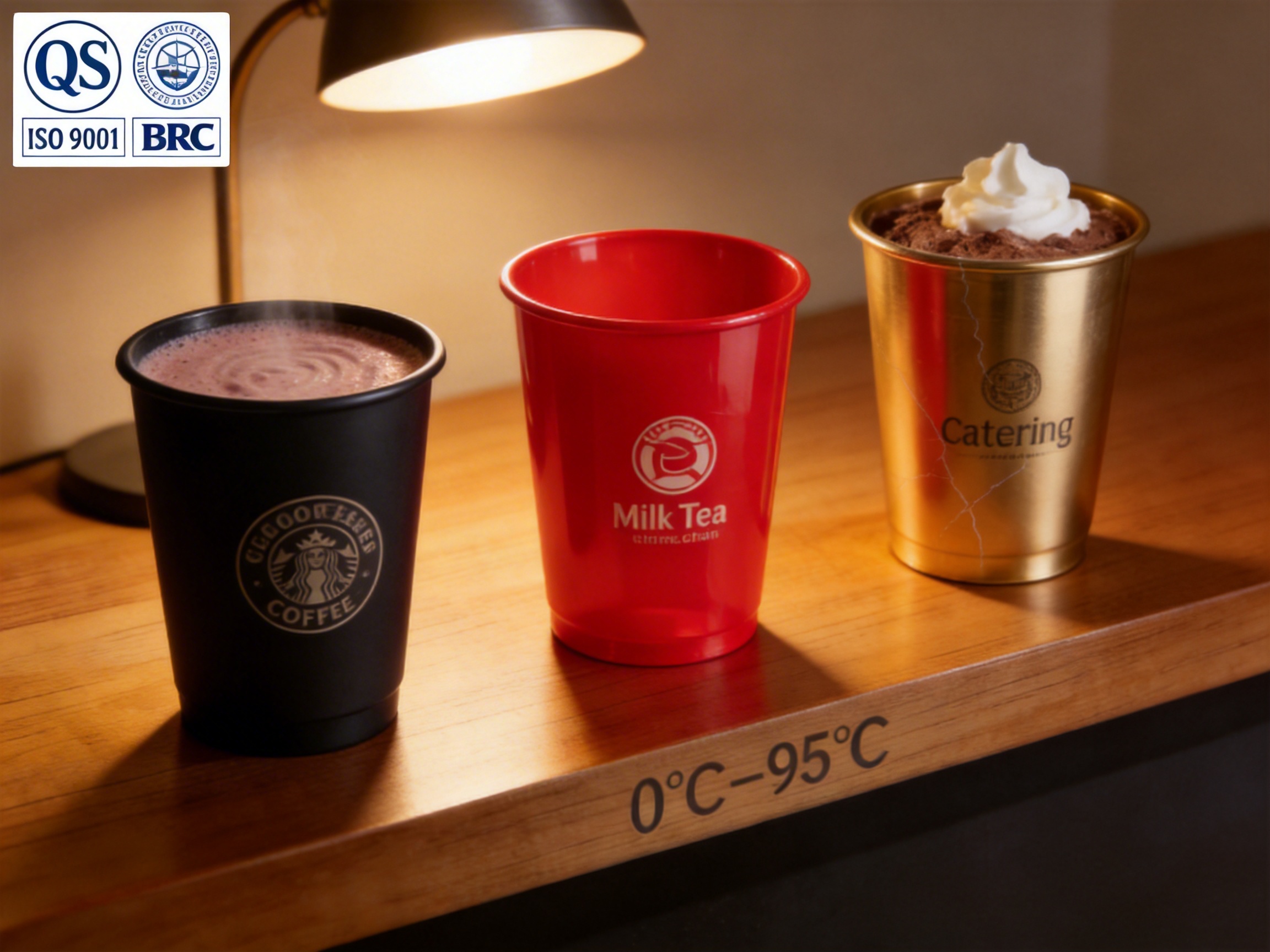
Beyond their functional benefits, PP injection cups are highly customizable, enabling businesses to integrate brand logos, slogans, and unique designs—turning a simple container into a powerful marketing tool. Whether used in coffee shops, milk tea chains, or catering services, these cups strike a balance between practicality, aesthetics, and sustainability.
Core Advantages of PP Injection Cups Over Competitors
To understand why PP injection cups stand out, it is essential to compare them to other common beverage container types—paper cups, PET cups, PLA cups, and thin plastic cups. Each comparison reveals distinct advantages that make PP injection cups the superior choice.
1. Unmatched Temperature Resistance
One of the most critical advantages of PP injection cups is their ability to handle extreme temperatures without compromising performance. Paper cups, for example, typically use wax or polyethylene (PE) linings to prevent leakage. However, wax melts at temperatures above 70°C, leading to seepage and potential health risks. PET cups, while clear and lightweight, are only suitable for cold beverages (max 60°C) and can release harmful chemicals like antimony when exposed to heat. PLA cups (plant-based plastics) are biodegradable but become brittle below 10°C, making them unsuitable for cold drinks in winter or frozen beverages.
PP injection cups, by contrast, maintain structural integrity across a 0°C to 95°C range. This versatility means they can be used for everything from hot lattes to iced smoothies, eliminating the need for businesses to stock multiple container types. A 2023 study by the International Packaging Research Institute found that PP cups retained 98% of their strength after 100 cycles of hot (90°C) and cold (5°C) temperature changes, compared to 65% for PLA cups and 40% for paper cups.
2. Exceptional Durability & Anti-Fall Performance
Durability is a make-or-break factor for takeaway containers, where accidental drops and rough handling are common. Thin plastic cups (made from low-density polyethylene or LDPE) are prone to deformation and breakage, while paper cups crush easily under pressure. PP injection cups, however, boast high toughness and stiffness—properties that make them resistant to impact and deformation.
A real-world test conducted by a leading milk tea chain in 2022 found that PP injection cups could withstand drops from 1.5 meters onto concrete without cracking or leaking, whereas paper cups crushed completely and PET cups shattered. This durability reduces merchant losses from spilled drinks and improves customer satisfaction—critical for retaining repeat business. Additionally, the uniform wall thickness of injection-molded cups eliminates weak points, ensuring consistent performance across all sizes and designs.
3. Eco-Friendly & Safe Materials
Consumer demand for sustainable packaging has never been higher, and PP injection cups deliver on this front while prioritizing safety. Unlike single-use plastics that may contain BPA, phthalates, or other harmful additives, PP is a food-safe material approved by the U.S. FDA, European EFSA, and other global regulatory bodies. It is non-toxic, odorless, and does not leach chemicals into beverages—even when exposed to hot liquids.
While PP is not biodegradable, it is fully recyclable. Most municipal recycling programs accept PP, and it can be melted down and reused to produce new PP products (including other packaging materials). This closed-loop recycling system reduces waste and minimizes the environmental impact of disposable packaging. In contrast, paper cups are often lined with non-recyclable PE, making them difficult to recycle, while PLA cups require industrial composting facilities (which are scarce in many regions) to decompose.
4. Customization Flexibility
In today’s competitive market, brand differentiation is key—and PP injection cups offer unparalleled customization options. Unlike paper cups (which have limited print quality) or PET cups (which are hard to customize without adhesive labels), PP injection cups can be tailored to meet any brand’s needs.
Key customization features include: - Size: Over 20 standard caliber options (from 300ml to 1000ml) and custom sizes for specific needs. - Color: 100+ color choices, including matte, glossy, and metallic finishes. - Design: Complex patterns, brand logos, and product information can be printed using UV-cured inks (fade-resistant and food-safe). - In-Mold Labeling (IML): Labels are embedded during the molding process, creating a seamless, durable finish that does not peel off—even when exposed to moisture or heat. This eliminates the need for adhesive labels, which can be unsightly and reduce the recyclability of the cup.
A 2023 survey of 500 coffee shop owners found that 82% reported an increase in brand recognition after switching to customized PP injection cups, with 65% noting a rise in customer loyalty.
5. Compliance with Global Safety Standards
PP injection cups are rigorously tested to meet the highest global safety standards, ensuring they are safe for food contact and suitable for export to markets worldwide. These certifications include: - QS National Industrial Product Production License: Mandatory for food packaging products in China, ensuring compliance with national safety and quality standards. - ISO 9001 Quality Management System Certification: Verifies that the manufacturer has a consistent quality management system in place. - BRC Packaging Global Standard: Required for export to UK and EU retailers, ensuring compliance with food safety and hygiene standards. - German DIN Certification: A mark of excellence in safety and quality, recognized globally. - EU RoHS+ Testing: Ensures no restricted hazardous substances (e.g., lead, mercury, cadmium) are present in the product.
Competitors often lack multiple certifications—for example, many PLA cup manufacturers only have biodegradability certifications but not food safety certifications. PP injection cups, however, have all the necessary certifications, making them a reliable choice for businesses operating in global markets.
Advanced Manufacturing Processes of PP Injection Cups
The superior performance of PP injection cups is not accidental—it is the result of advanced manufacturing processes that prioritize precision, quality, and efficiency. Below are the key processes that set these cups apart from competitors.
1. Precision Injection Molding Technology
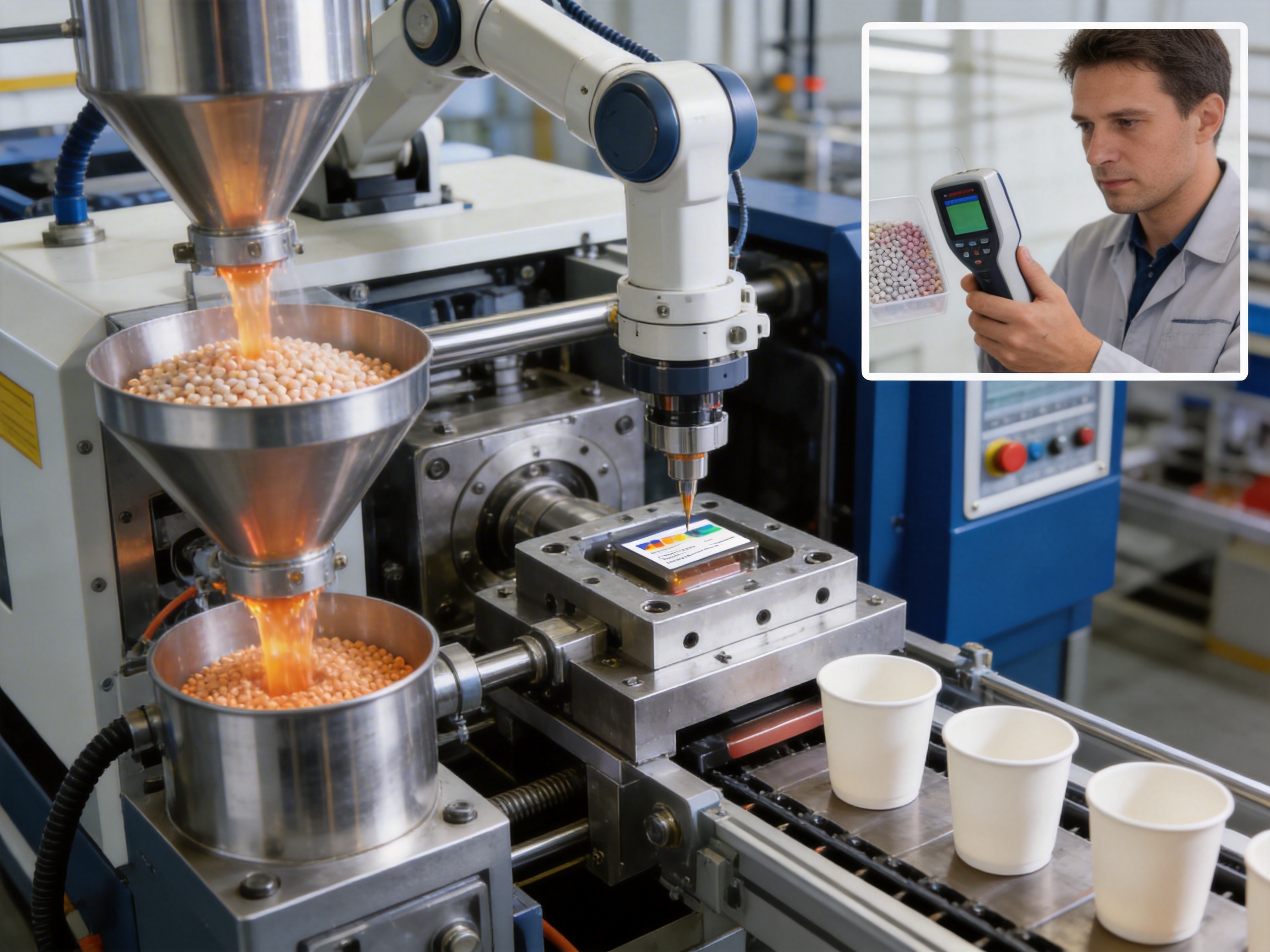
Injection molding is the core process used to produce PP cups, and it involves several steps: - Melting: PP pellets are melted at 180°C to 220°C, ensuring uniform consistency. - Injection: Molten PP is injected into a precision steel mold at high pressure (150-200 bar). The mold is designed to create a seamless cup with uniform wall thickness (typically 0.3-0.5mm). - Cooling: The mold is cooled using water channels, solidifying the PP into the desired shape. - Ejection: The finished cup is ejected from the mold and inspected for defects.
The precision of this process is critical—molds are made from high-grade H13 steel, which can withstand 500,000+ cycles without wear. This ensures that every cup has consistent dimensions, no seams, and no weak points. In contrast, blow-molded cups have a visible seam at the bottom, which is prone to leakage and deformation.
2. Strict Raw Material Sourcing & Quality Control
The quality of PP injection cups starts with the raw materials. Producers source 100% new food-grade PP pellets from top global suppliers (e.g., ExxonMobil, Dow Chemical), which are specifically designed for food contact applications. Recycled PP is never used, as it may contain residual impurities (e.g., heavy metals, plasticizers) that can leach into beverages.
Each batch of PP pellets undergoes rigorous testing before use: - Melt Flow Rate (MFR): Ensures the pellets have the correct viscosity for injection molding. - Toxicity Testing: Uses gas chromatography-mass spectrometry (GC-MS) to check for harmful chemicals. - Color Consistency: Uses spectrophotometers to ensure uniform color distribution. - Mechanical Strength: Tests for impact resistance and stiffness.
Any batch that fails these tests is rejected—producers have a 0% tolerance for substandard raw materials.
3. Automated Production Lines
Modern PP injection cup manufacturers use fully automated production lines to ensure consistency, efficiency, and safety. These lines include robotic arms for handling cups, vision systems for defect inspection, and conveyor belts for transporting cups through the production process.
Key benefits of automated lines: - High Efficiency: Each line produces 10,000+ cups per hour, enabling producers to handle large bulk orders (e.g., 1 million cups) within 7-10 days. - Consistent Quality: Automated systems eliminate human error, ensuring every cup meets the same high standards. - Safety: Automated handling reduces the risk of contamination from human contact, which is critical for food packaging.
Producers invest heavily in maintaining these lines—regular maintenance and upgrades ensure that they remain efficient and up-to-date with the latest technology.
4. Customization Integration
Customization is integrated directly into the manufacturing process, ensuring that every custom order meets the highest quality standards. For example: - In-Mold Labeling (IML): Labels are placed into the mold before injection. The molten PP bonds with the label, creating a seamless finish that is durable and recyclable. - Color Customization: Masterbatches (concentrated color pigments) are mixed with PP pellets to achieve the desired color. This ensures uniform color distribution (no streaks) and fade resistance. - Pattern Printing: UV-cured inks are used to print complex patterns and logos. These inks are food-safe, fade-resistant, and do not peel off.
Custom orders typically require 15-20 days of lead time (for mold design, testing, and production), while standard orders are completed in 7-10 days. This flexibility allows producers to meet the needs of both small businesses and large chains.
Company Strengths Behind the Product
The quality of PP injection cups is only as good as the company that produces them. Leading manufacturers in this space have several key strengths that set them apart from competitors.
1. Long-Standing Expertise & Certifications
Leading manufacturers have 10+ years of experience in PP injection molding, with teams of engineers and scientists specializing in materials science and mechanical engineering. For example, a top manufacturer was established in 2010 and has since built a reputation for excellence in the industry. Their R&D team continuously improves processes—e.g., optimizing mold design to reduce material waste by 10% in 2022.
These manufacturers hold all the necessary global certifications, including QS, ISO 9001, BRC, DIN, and RoHS+. They are also the first in their region to pass these certifications, demonstrating their commitment to quality and safety.
2. Large-Scale Production & Bulk Supply
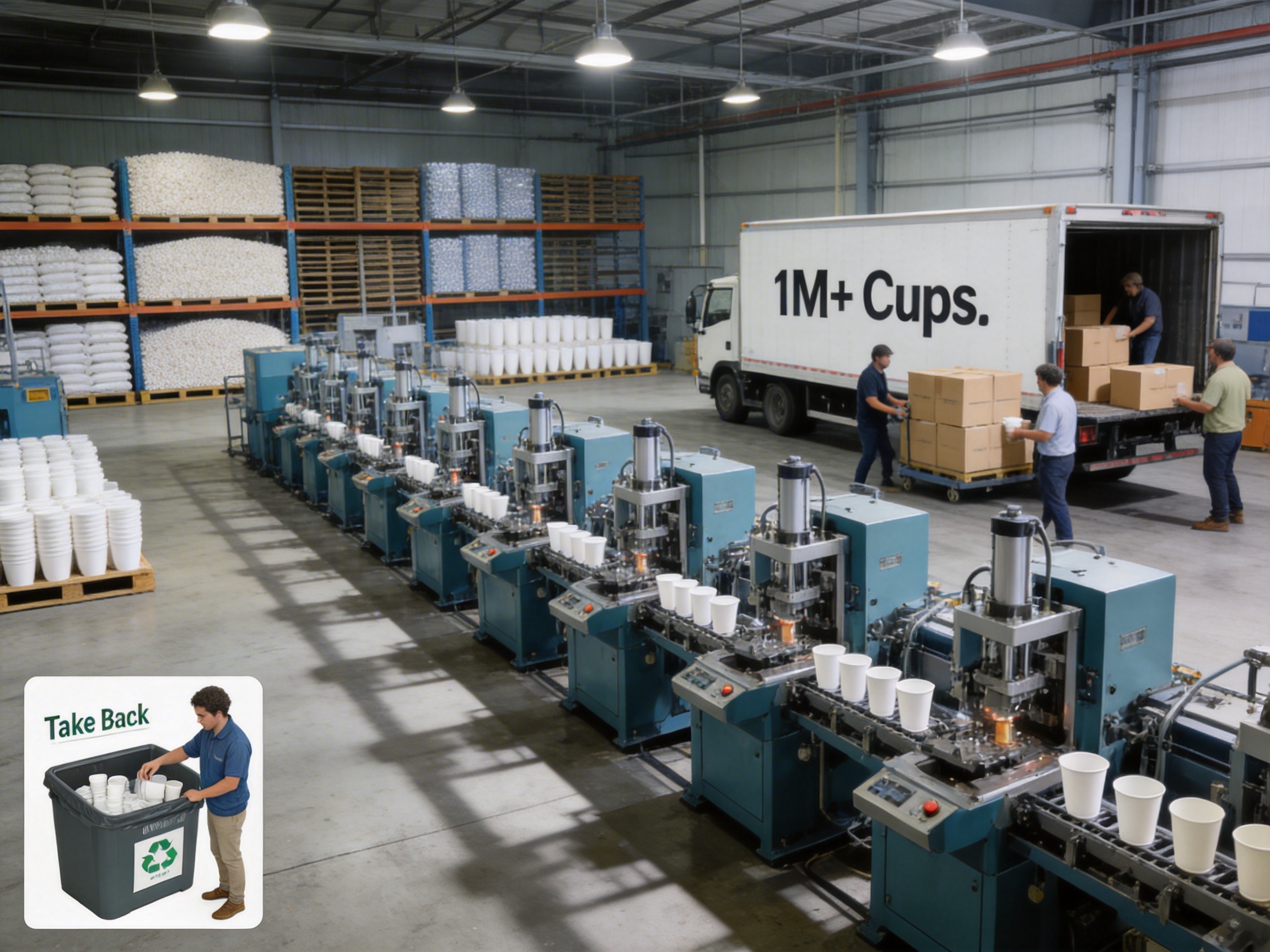
Leading manufacturers have large production facilities (e.g., 30,000 m² plant with 20,000 m² of production space) and high production capacity (15 million cups per month). They also have extensive warehouse space (5,000 m²) to store raw materials (100 tons of PP pellets) and finished products (5 million cups), enabling them to meet urgent orders.
Delivery is another key strength—manufacturers partner with global logistics companies (DHL, FedEx, local carriers) to ensure on-time delivery to any country. They also offer flexible shipping options (air, sea, land) to meet the needs of different customers.
3. End-to-End Customization Services
Leading manufacturers offer end-to-end customization services, from design to production. Their in-house design team works closely with customers to create custom cup designs that align with their brand identity. They provide 3D renderings of custom cups before production, allowing customers to visualize the final product.
Additionally, manufacturers offer after-sales support, including troubleshooting and replacement of defective products. This commitment to customer service has earned them a loyal customer base, including global coffee chains and milk tea brands.
4. Commitment to Sustainability
Leading manufacturers are committed to reducing their environmental footprint. They use energy-efficient equipment (LED lighting, variable frequency drives for motors) which reduces energy consumption by 20% compared to traditional lines. They also implement waste reduction measures—e.g., recycling scrap PP from production (which accounts for 5% of total material) and using recycled cardboard for packaging.
Many manufacturers also offer a "Take Back" program, where customers can return used PP cups for recycling. In exchange, customers receive a 5% discount on their next order. This program has diverted over 1 million cups from landfills since its launch in 2023.
Product Specifications & Applications
PP injection cups are available in a wide range of sizes to meet the needs of different businesses. Below is a table of standard sizes and specifications:
| Volume (ml) | Mouth (mm) | Height (mm) | Bottom (mm) | Grammage (g) |
|---|---|---|---|---|
| 500 | 90 | 135 | 57 | 17 |
| 700 | 90 | 179 | 56 | 24.5 |
| 520 | 90 | 156 | 52 | 18 |
| 600B | 90 | 174 | 54 | 22 |
| 490 | 90 | 148 | 50 | 16.5 |
| 600 | 90 | 180 | 50 | 21 |
| 500 | 90 | 136 | 58 | 18 |
| 700 | 90 | 178 | 56 | 22/24 |
These cups are used in a variety of applications, including: - Coffee Shops: For hot lattes, cappuccinos, and cold brews. - Milk Tea Chains: For milk tea, smoothies, and iced drinks. - Takeaway Services: For food delivery (e.g., soup, noodles) and beverage delivery. - Family Gatherings: For picnics, parties, and outdoor events. - Catering Services: For weddings, corporate events, and conferences.
Q&A Section
Q1: Are PP injection cups safe for hot beverages?
A: Yes. PP injection cups are made from food-grade polypropylene, which can withstand temperatures up to 95°C. They are non-toxic, odorless, and do not leach harmful chemicals into hot beverages.
Q2: Can PP injection cups be customized?
A: Yes. Leading manufacturers offer full customization, including size, color, pattern, and in-mold labeling. Custom orders typically take 15-20 days, while standard orders take 7-10 days.
Q3: What certifications do PP injection cups have?
A: PP injection cups are certified to meet global safety standards, including QS, ISO 9001, BRC, DIN, and RoHS+. These certifications ensure that the cups are safe for food contact and suitable for export.
Q4: Can the manufacturer handle large bulk orders?
A: Yes. Leading manufacturers have a monthly production capacity of 15 million cups and can handle orders of 1 million cups or more within 7-10 days. They also have extensive warehouse space to store raw materials and finished products.
Q5: Are PP injection cups recyclable?
A: Yes. PP is fully recyclable, and most municipal recycling programs accept PP cups. Leading manufacturers also offer a "Take Back" program, where customers can return used cups for recycling.
Q6: What is the minimum order quantity (MOQ) for custom orders?
A: The MOQ for custom orders is 5,000 pieces. For standard orders, the MOQ is 1,000 pieces.
Q7: Can PP injection cups be used in microwaves?
A: Yes, but only for short periods (1-2 minutes) at low to medium power. Avoid using them in ovens or on stovetops.
References
1. World Packaging Organization (WPO). (2023). Global Packaging Trends: Shift to Sustainable and Durable Materials. Geneva, Switzerland: WPO Publications.
2. U.S. Food and Drug Administration (FDA). (2022). Food Contact Materials: Polypropylene (PP) Safety Assessment. Silver Spring, MD: FDA Center for Food Safety and Applied Nutrition.
3. European Food Safety Authority (EFSA). (2021). Scientific Opinion on Polypropylene Used in Food Contact Materials. Parma, Italy: EFSA Journal.
4. British Retail Consortium (BRC). (2023). BRC Packaging Global Standard for Food Safety: Implementation Guide for Manufacturers. London, UK: BRC Global Standards.
5. German Institute for Standardization (DIN). (2022). DIN EN 13432: Requirements for Packaging Recoverable Through Composting and Biodegradation. Berlin, Germany: DIN Verlag.
6. International Organization for Standardization (ISO). (2021). ISO 9001:2015 Quality Management Systems – Requirements. Geneva, Switzerland: ISO Publications.
7. International Packaging Research Institute (IPRI). (2023). Comparative Study of Disposable Beverage Containers: Performance and Sustainability. Paris, France: IPRI Reports.