English
 Español
 عربى
Content
- 1 2. Why Polypropylene Is Suitable for Large-Capacity Cups
- 2 3. High Capacity for Expanding Product Portfolios
- 3 4.1 Wide and Smooth Mouth
- 4 4.2 Stable Body Geometry
- 5 4.3 High Transparency
- 6 4.4 Resistance to Deformation
- 7 5.1 Odor-Free and Food Packaging Considerations
- 8 6.1 Benefits of a Coordinated Cup-and-Lid System
- 9 7.1 Research and Development Orientation
- 10 7.2 Injection and Forming Process Control
- 11 7.3 Quality Management and Certification Background
- 12 8.1 Compared with Smaller Cups
- 13 8.2 Compared with Brittle Packaging
- 14 8.3 Compared with Opaque Packaging
- 15 8.4 Compared with Unmatched Lid Systems
- 16 8.5 Compared with Heavier Packaging
- 17 10.1 Design Services and Packaging Coordination
- 18 11.1 Dimensional Inspection
- 19 11.2 Appearance Inspection
- 20 11.3 Weight and Material Consistency
- 21 11.4 Lid Fit and Leakage Testing
- 22 11.5 Temperature Testing
- 23 11.6 Storage and Transportation Testing
- 24 13.1 Beverage Chains
- 25 13.2 Independent Cafés
- 26 13.3 Dessert Shops
- 27 13.4 Catering and Events
- 28 13.5 Delivery Kitchens
- 29 Q1: What is the capacity of the PP extra large plastic cup?
- 30 Q2: What are the main dimensions of the cup?
- 31 Q3: Does the cup include a lid?
- 32 Q4: Is the cup suitable for cold beverages?
- 33 Q5: Can the cup hold warm products?
- 34 Q6: Is the cup transparent?
- 35 Q7: Is the cup resistant to deformation?
- 36 Q8: What is the cup made from?
- 37 Q9: Is the cup suitable for delivery?
- 38 Q10: Can the cup be customized?
- 39 Q11: What certifications does the company report?
- 40 Q12: How should the cup be stored?
- 41 Q13: Is PP recyclable?
- 42 Q14: What information should a buyer provide when requesting a quotation?
- 43 Product: PP extra large plastic cup
In the food and beverage industry, packaging is more than a container. It is part of the serving experience, a functional tool for protecting products, and an important representation of a catering brand. Restaurants, beverage shops, cafés, takeaway operators, event organizers, and foodservice distributors all require packaging that combines capacity, safety, appearance, durability, and production consistency. The PP extra large plastic cup is designed to meet these demands through a high-volume format, transparent appearance, strong material performance, and compatibility with a matching 120 mm cup lid.
With a nominal volume of 1,000 ml, this extra large cup provides ample space for cold beverages, fruit drinks, milk-based drinks, iced tea, smoothies, desserts, and other takeaway products. Its 120 mm mouth gives customers convenient access to the contents and supports the use of a broad, stable lid. The 162 mm height and 72 mm bottom diameter create a practical structure that offers generous capacity while maintaining a manageable footprint for storage, transport, and display.
The cup is manufactured from polypropylene, commonly identified as PP. This material is widely used for food packaging because it offers a useful balance of toughness, lightness, clarity, and temperature resistance. According to the product specifications, the cup is adaptable to temperatures from -10°C to 120°C. It also features a round and smooth mouth, good transparency, resistance to deformation, and a non-toxic, odor-free, environmentally considerate profile when produced and used in accordance with applicable food-contact requirements.
This article examines the product’s specifications, structural advantages, application potential, manufacturing strengths, quality considerations, and customization opportunities. It also explains why a large-capacity PP cup can be a practical alternative to smaller disposable cups and less suitable packaging materials.
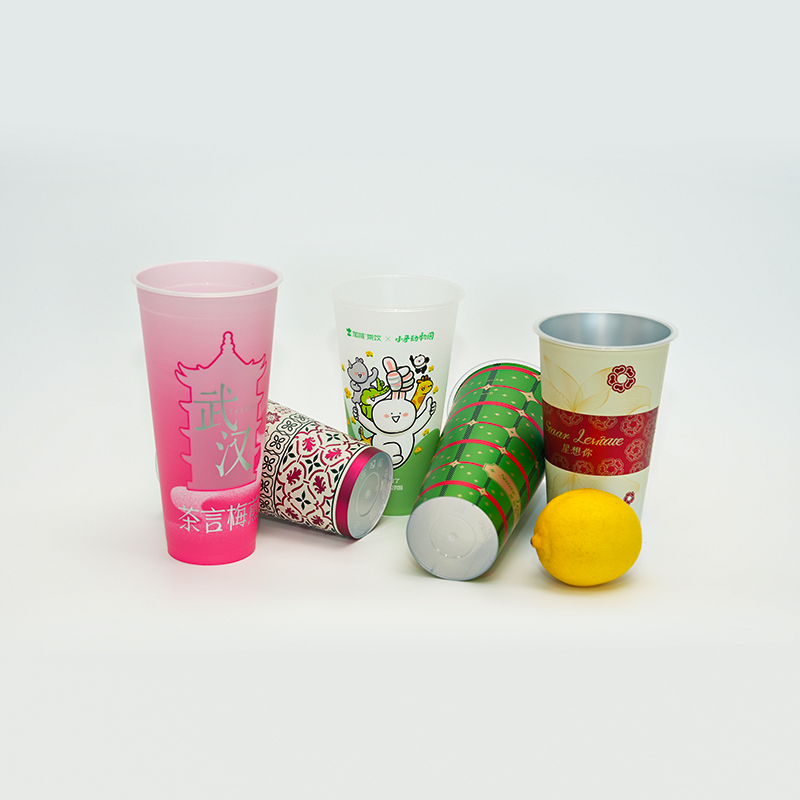
1. Product Overview
The PP extra large plastic cup is a disposable food and beverage packaging product developed for situations where a standard serving size is not sufficient. Its 1,000 ml capacity makes it suitable for large drinks, sharing beverages, layered desserts, fruit combinations, cold noodle products, and other foodservice applications requiring additional internal volume.
The product has a 120 mm mouth diameter, a height of 162 mm, and a bottom diameter of 72 mm. These dimensions provide a relatively wide opening for filling, topping, sealing, drinking, and visual presentation. The cup weighs approximately 33 grams, while the corresponding 120 caliber cup lid weighs approximately 7.3 grams. The relatively low weight helps reduce packaging material consumption and supports efficient handling during storage and delivery.
| Item | Specification |
| Product type | PP extra large plastic cup |
| Category | Plastic Cup |
| Nominal volume | 1,000 ml |
| Mouth diameter | 120 mm |
| Height | 162 mm |
| Bottom diameter | 72 mm |
| Cup grammage | 33 g |
| Matching lid | 120 caliber cup lid |
| Lid grammage | 7.3 g |
| Temperature adaptability | -10°C to 120°C |
A large cup must do more than hold a greater volume. It must maintain dimensional stability, resist deformation during filling and transport, and provide an acceptable appearance on the counter or in the customer’s hand. The PP extra large cup addresses these requirements through a material and shape combination intended for practical foodservice use.
2. Why Polypropylene Is Suitable for Large-Capacity Cups
Polypropylene is a thermoplastic polymer used in many types of food containers, lids, trays, and disposable packaging. Its popularity comes from a combination of mechanical and processing characteristics. PP is lightweight, has good toughness, and can be formed into thin but useful packaging structures. It also has a relatively high melting point compared with some other commonly used packaging plastics, which contributes to its broad temperature adaptability.
For an extra large cup, toughness is especially important. A larger container naturally experiences greater forces when it is filled, carried, stacked, or placed in a delivery bag. If the material is too brittle, the rim may crack or the sidewall may split. If the material is too soft, the cup can lose its shape. The selected PP structure provides a practical balance that helps the cup remain usable during normal foodservice handling.
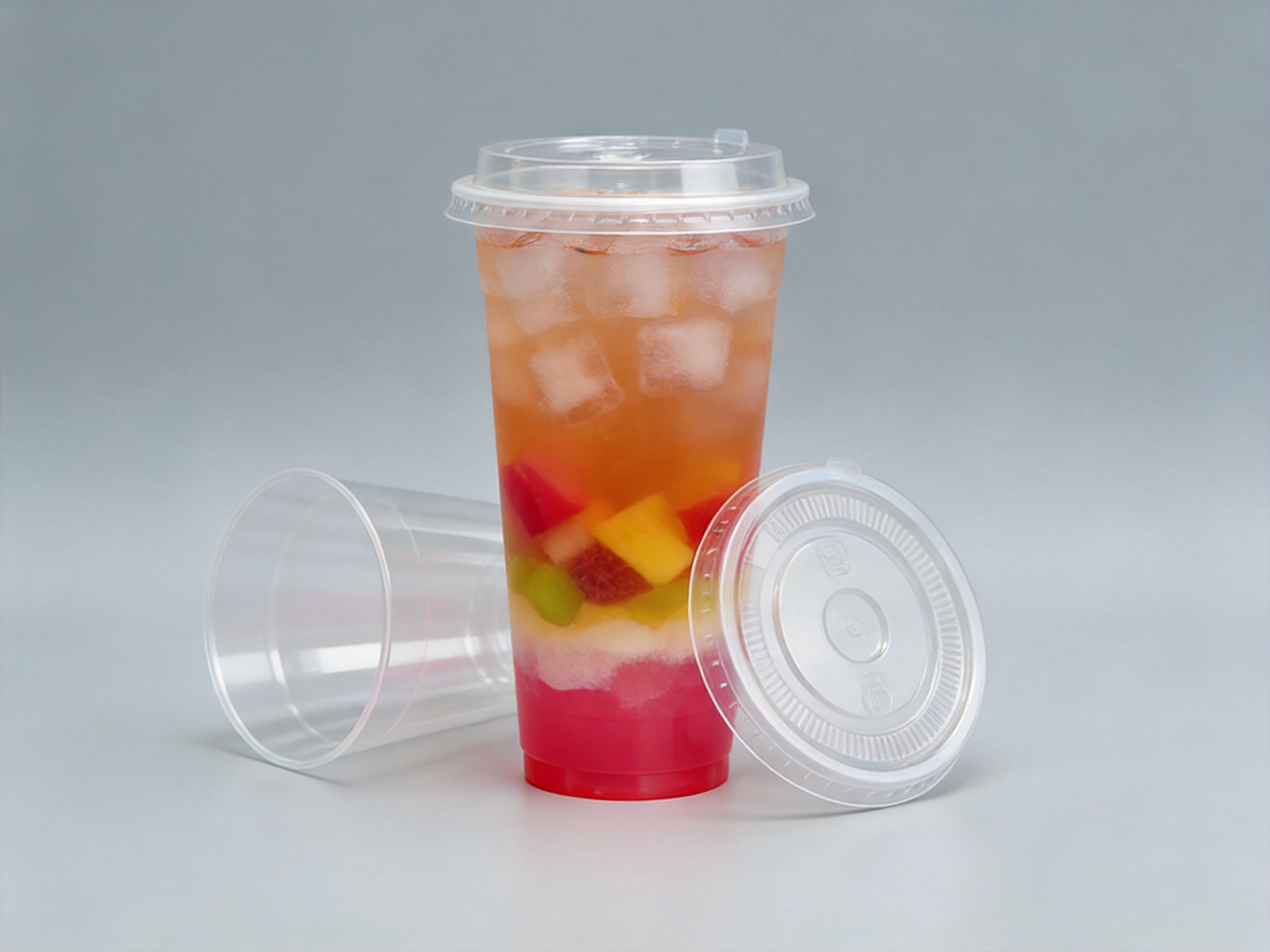
PP also supports a clean, smooth appearance. The product is described as highly transparent, allowing the contents to remain visible. This is valuable for colorful beverages, fruit drinks, smoothies, layered desserts, and products with decorative toppings. Visibility can influence purchase decisions because customers often want to see the quality, color, quantity, and texture of what they are buying.
Another useful characteristic is its low weight. Packaging buyers must consider not only the price of the cup itself but also the cost of storage, transportation, packing labor, and waste handling. A light cup can help reduce shipping weight and make large-volume distribution more efficient, provided that the cup maintains adequate strength for its intended use.
3. High Capacity for Expanding Product Portfolios
The 1,000 ml volume gives food and beverage brands more flexibility than a conventional small or medium cup. A large size can be used as a premium serving option, a family-size beverage, a promotional format, or a container for products with large quantities of ice, fruit, cream, toppings, or mixed ingredients.
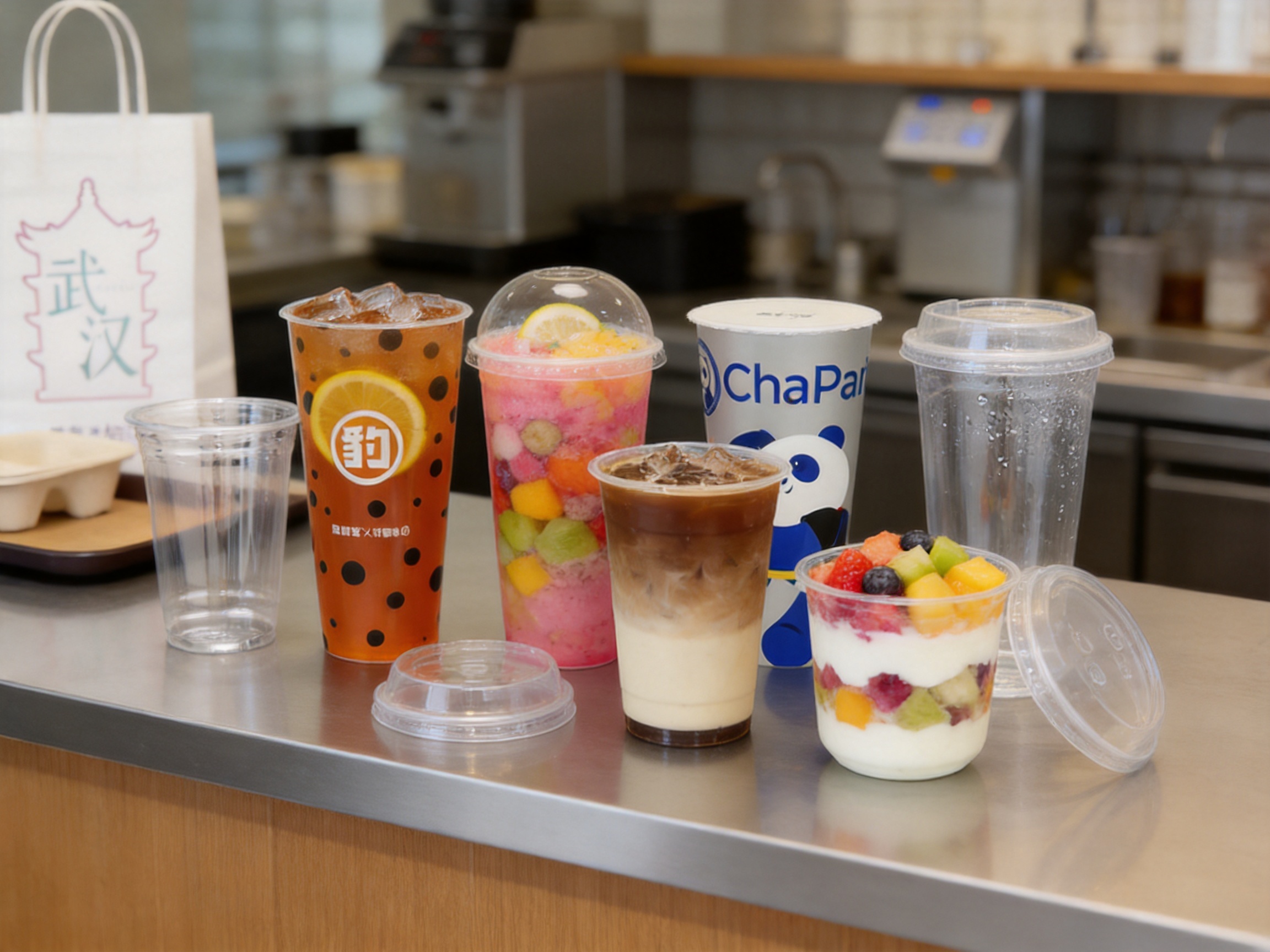
For beverage shops, the cup can accommodate iced tea, fruit tea, lemonade, cold coffee, milkshakes, smoothies, juice blends, flavored water, and other cold drinks. The broad mouth is helpful when a beverage includes fruit pieces, jelly, tapioca pearls, coconut products, cereal, or ice cream. The extra internal capacity also allows the operator to add ice while maintaining a substantial serving size.
For takeaway food businesses, the cup may be suitable for chilled desserts, fruit salads, yogurt combinations, mousse products, pudding, mixed snacks, and other visually appealing foods. Whether it is used for drinks or food, the transparent body helps the contents function as part of the product presentation.
| Application area | Potential uses |
| Beverage shops | Large iced tea, fruit tea, lemonade, smoothies, juice, milk drinks |
| Cafés | Cold coffee, blended drinks, dessert beverages, seasonal specials |
| Dessert businesses | Fruit cups, layered desserts, pudding, yogurt, mousse, ice cream combinations |
| Restaurants | Takeaway drinks, chilled side dishes, prepared fruit, specialty portions |
| Events and catering | Large-portion refreshments, promotional servings, outdoor beverage service |
| Delivery services | High-volume drinks and foods requiring a secure matching lid |
Large-capacity packaging can also help businesses simplify product presentation. Instead of using several smaller containers for a single order, an operator may use one appropriately sized cup. This can reduce the number of separate items handled during preparation and may make the final order easier for customers to carry.
At the same time, businesses should select the size according to the product’s actual serving requirements. A 1,000 ml cup is particularly appropriate when the large format contributes to convenience, value, portion size, or visual appeal. The best packaging solution is not always the largest one; it is the one that matches the product, sales channel, and customer expectation.
4. Structural Advantages of the Cup Design
4.1 Wide and Smooth Mouth
The 120 mm mouth is one of the product’s most important functional features. A broad opening makes filling faster and gives foodservice staff more room to add ingredients. It can also make the cup easier to clean in certain reusable test or sampling situations, although the product is designed primarily as disposable packaging.
The round mouth is described as smooth. A smooth rim supports a more comfortable drinking experience and helps create a neat interface with a compatible lid. It can also reduce the risk of sharp or uneven edges that may occur when packaging is poorly formed or insufficiently finished.
A wide mouth is especially valuable for products that contain pieces or toppings. A narrow opening can restrict the passage of fruit, ice, pearls, jellies, or large straws. The 120 mm opening gives businesses more freedom when designing recipes and presentation styles.
4.2 Stable Body Geometry
The 162 mm height and 72 mm bottom diameter form a tall cup structure with a stable base. The bottom surface provides a defined contact area for counters, trays, cup holders, and delivery bags. A stable base is important because a large beverage has a greater center of mass than a small beverage, especially when it contains ice or dense ingredients.
The product’s good toughness and resistance to deformation support the intended geometry during filling and normal handling. Consistent shape also helps when cups are stacked before use. Uniformly formed cups can be easier for employees to separate, count, store, and transfer to a preparation area.
4.3 High Transparency
Transparency helps the cup become part of the selling process. Customers can see the beverage color, fruit pieces, ice distribution, cream layers, and decorative ingredients. For products with a strong visual identity, opaque packaging could hide important qualities. Clear PP allows the contents to remain central to the presentation.
High transparency can also support quality control at the point of service. Employees can quickly inspect fill levels, ingredient distribution, and visible contamination before handing an order to a customer. In delivery applications, the recipient can identify the product without opening the package.
4.4 Resistance to Deformation
Large disposable cups are frequently exposed to pressure from stacking, packing, delivery bags, and customer handling. A cup that easily collapses may leak, spill, or create a poor impression. The product’s stated resistance to deformation is therefore an important competitive advantage for businesses that value reliable presentation.
Resistance to deformation does not mean that the cup is indestructible. The cup should still be protected from excessive compression, sharp objects, misuse, and conditions beyond the specified application. However, appropriate material selection and controlled forming can provide the level of durability expected in routine foodservice use.
5. Temperature Adaptability and Foodservice Versatility
The product is described as adaptable to temperatures from -10°C to 120°C. This range gives the cup broad functional versatility. In practice, users should always confirm the exact requirements of their application, including the temperature of the food, the duration of exposure, filling conditions, and whether the product is intended for reheating or only for holding.
At the lower end of the range, the cup can be considered for chilled drinks, refrigerated desserts, fruit products, and cold food applications. The material’s toughness is useful in cold environments because some plastics become more brittle at low temperatures. A PP cup designed for this range can provide a practical option for refrigerated takeaway products.
At higher temperatures, the stated adaptability may support contact with warm food or beverages within appropriate limits. Businesses should distinguish between temperature tolerance and suitability for direct high-temperature processing. A disposable cup may be able to tolerate a specified temperature for a limited period without being intended for oven use, sterilization, or repeated heating.
For professional purchasing, it is recommended to evaluate the cup using representative samples. Testing should include the actual recipe, fill temperature, holding duration, lid condition, transport movement, and storage environment. This approach helps verify performance under real operating conditions rather than relying only on general material data.
| Use condition | Recommended evaluation point |
| Cold beverages | Check clarity, rigidity, condensation handling, and lid fit |
| Refrigerated desserts | Check product compatibility, stacking, and storage duration |
| Warm contents | Confirm temperature, contact time, handling comfort, and shape retention |
| Delivery service | Test sealing, movement, pressure, tipping, and bag compatibility |
| High-topping products | Check mouth clearance, usable volume, and lid engagement |
5.1 Odor-Free and Food Packaging Considerations
The product is described as non-toxic and odor-free. These properties are important because unwanted odor can affect the perceived quality of beverages and food. A packaging material should not introduce an unpleasant smell that competes with the product’s natural aroma or flavor.
Food packaging performance depends on more than the polymer name. Additives, colorants, processing conditions, storage, transport, and cleanliness can all influence the final product. For this reason, responsible manufacturers maintain controlled production conditions and provide relevant documentation when required by the customer or destination market.
Purchasers should communicate the intended food type, filling temperature, storage period, and regulatory market to the manufacturer. This information allows the supplier to confirm whether the cup and lid combination is appropriate for the planned use.
6. Matching 120 Caliber Cup Lid
A cup is only as effective as its closure system. The PP extra large cup is listed with a matching 120 caliber cup lid weighing approximately 7.3 grams. The lid is designed around the cup’s 120 mm mouth, creating a coordinated packaging solution for takeaway and delivery applications.
A compatible lid can support spill reduction, improve portability, and protect the beverage or food from dust and external contact during short-distance transport. It can also help the product maintain a professional appearance when delivered to a customer or displayed for pickup.
Matching diameter is essential, but diameter alone does not guarantee a satisfactory closure. The rim profile, lid geometry, material flexibility, engagement force, and production tolerances must work together. A properly manufactured cup and lid set should be evaluated for fit under actual operating conditions.
Businesses should check whether the lid design is intended for a straw, direct drinking, spoon access, or another serving method. The broad mouth may be particularly suitable for products requiring large-diameter straws or direct access to toppings. The choice of closure can therefore influence the customer experience as well as the packaging’s transport performance.
6.1 Benefits of a Coordinated Cup-and-Lid System
A coordinated system simplifies purchasing and reduces compatibility uncertainty. When a cup and lid are selected from unrelated sources, small differences in dimensions can lead to loose fitting, difficult application, excessive pressure, or leakage. A matched product specification provides a clearer starting point for quality control.
It can also simplify inventory management. A foodservice operator can establish a single packaging specification for a large-format menu category instead of testing multiple cup and lid combinations. This may reduce training time and help employees apply the lid more consistently.
For distributors, offering the cup and lid as a set can make the product easier to present to customers. Buyers can understand the complete packaging solution and assess the total package weight, storage requirements, and application potential.
7. Manufacturing Strengths and Production Capability
The supplier, Yuqian Packaging Technology (Jiangsu) Co., Ltd., was established in 2010 and is located in Taizhou City, Jiangsu Province, China. The company operates a plant area of approximately 30,000 square meters and focuses on the research, development, production, and sales of new food packaging materials and products.
A manufacturing base of this scale can support more than basic production. It may provide space for raw material management, forming equipment, quality inspection, packaging, warehouse operations, product development, and order coordination. For customers purchasing disposable food packaging, production capability is important because supply consistency can be as important as the individual product’s design.
The company describes itself as a high-tech enterprise and has developed experience in food packaging products, biodegradable new materials, cups, bowls, lids, straws, recycling bags, and related packaging categories. This broader product range can be useful for customers seeking a coordinated packaging portfolio rather than one isolated item.
7.1 Research and Development Orientation
Food packaging markets change quickly. New beverage formats, delivery models, sustainability expectations, and regional regulations create demand for continuous product improvement. A supplier with research and development capability is better positioned to study new materials, adapt dimensions, improve performance, and develop products for changing market needs.
For the PP extra large cup, research and development may involve optimizing wall thickness, rim design, bottom stability, transparency, stacking behavior, lid compatibility, and material efficiency. These factors must be balanced carefully. Increasing material can improve rigidity but also raises weight and cost. Reducing material can improve efficiency but may affect strength. The manufacturing objective is to achieve reliable performance with an appropriate material structure.
7.2 Injection and Forming Process Control
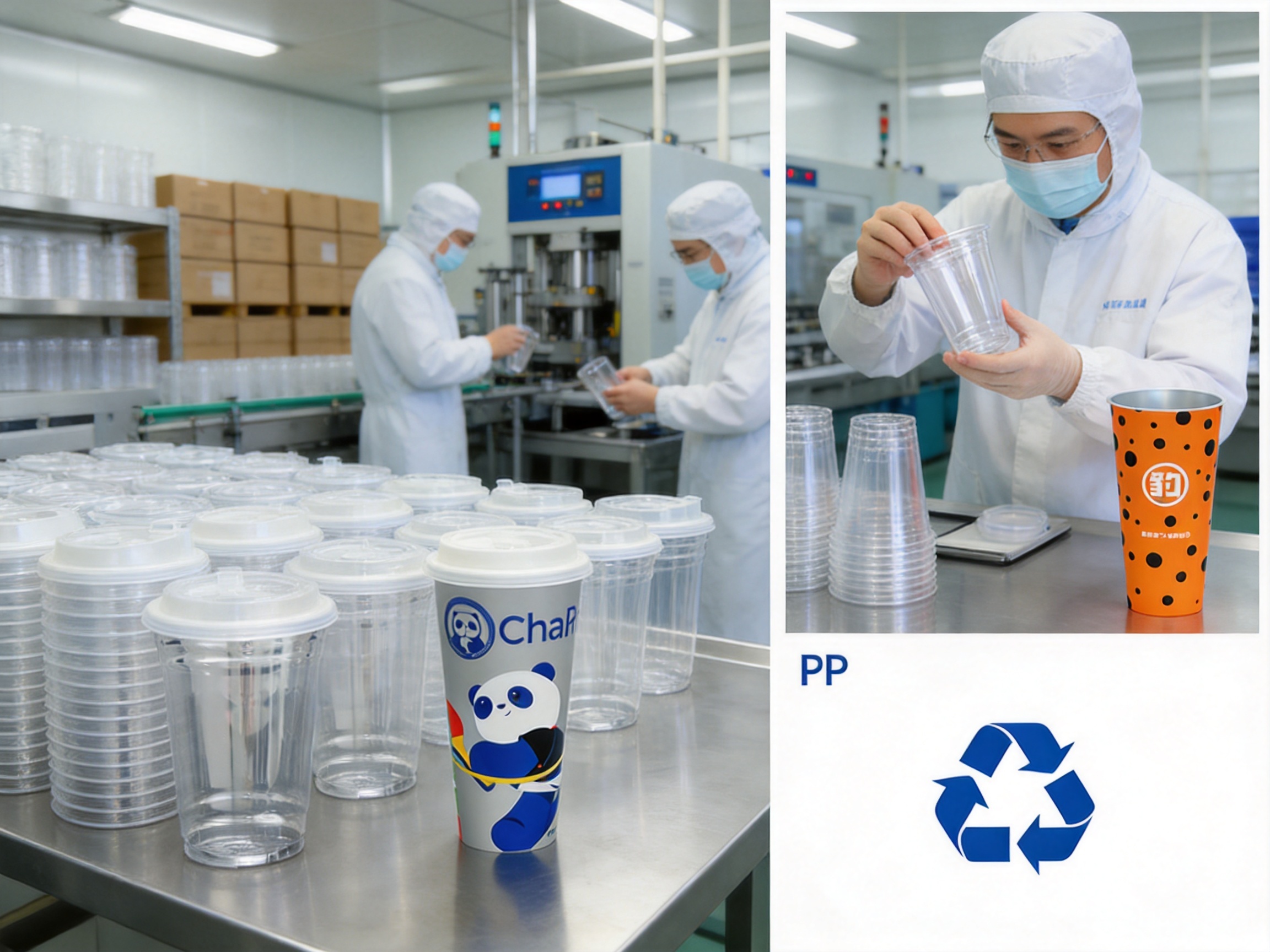
Plastic packaging production requires control over temperature, pressure, cooling, mold condition, cycle timing, and material distribution. In a typical thermoplastic forming process, PP resin is heated until it becomes suitable for shaping, transferred into a mold or forming system, and cooled into the required geometry. The exact process depends on the product design and equipment configuration.
For a large cup, process control is important because uneven material distribution can lead to weak areas, inconsistent transparency, an unstable base, or an irregular rim. A controlled manufacturing process helps maintain repeatable dimensions across production batches.
Important inspection points may include mouth diameter, cup height, bottom diameter, wall appearance, weight, rim smoothness, stacking performance, and lid fit. Regular monitoring helps identify deviations before products reach customers.
The company’s experience with food packaging and its stated quality certifications indicate an established approach to production management. Customers can further strengthen assurance by requesting product samples, specification sheets, test reports, and agreed inspection standards before placing large orders.
7.3 Quality Management and Certification Background
The company reports that it has passed the QS national industrial product production license and achieved ISO9001 Quality Management System certification. It also identifies BRC certification, German authoritative safety DIN certification, and EU ROHS+ testing among its qualifications and testing experience.
These certifications and testing references are relevant because they demonstrate attention to structured manufacturing and compliance-related requirements. ISO9001, for example, is associated with quality management processes, documented procedures, corrective action, and continual improvement. BRC-related systems are widely recognized in food and packaging supply chains where hygiene, product safety, and traceability are important considerations.
Certification does not eliminate the need for product-specific verification. Different markets and applications may require different tests. Customers should confirm the current validity and scope of each certification, as well as whether it applies to the specific product, facility, material, and destination market.
8. Advantages Over Less Suitable Packaging Options
The PP extra large plastic cup competes with several alternative packaging formats, including smaller plastic cups, paper-based cups, rigid containers made from other polymers, and packaging without an appropriate matching lid. Each alternative has its own applications, but the PP cup offers a useful combination for businesses that need a large transparent container with strong toughness and a broad temperature range.
8.1 Compared with Smaller Cups
Smaller cups can be appropriate for standard drinks, but they may require customers to purchase multiple containers for large servings or mixed products. The 1,000 ml format provides a single high-capacity solution. This can simplify preparation and may create a more attractive value proposition for customers seeking a large serving.
The wide 120 mm mouth also allows the cup to accommodate ingredients that might be difficult to place into a narrow container. This makes it more adaptable for drinks and desserts containing large pieces, toppings, or layered components.
8.2 Compared with Brittle Packaging
Some transparent packaging materials offer excellent appearance but may be less resistant to impact or bending. For delivery, outdoor events, and busy service counters, toughness can be more important than a rigid or premium feel. PP’s good toughness helps provide a practical solution for routine handling.
8.3 Compared with Opaque Packaging
Opaque packaging can protect products from light, but it hides the visual qualities that many beverage and dessert businesses use to attract customers. Transparent PP enables product visibility and can support layered presentation, colorful beverages, and visible ingredient combinations.
8.4 Compared with Unmatched Lid Systems
A cup without an appropriate lid can be difficult to transport. Using a lid designed for another rim size may create a loose fit or make application inconsistent. The availability of a 120 caliber matching lid gives the product an advantage for takeaway, delivery, and organized foodservice operations.
8.5 Compared with Heavier Packaging
Heavy packaging can increase shipping expenses and storage requirements. The cup weighs approximately 33 grams, and the lid weighs approximately 7.3 grams. This relatively lightweight configuration can help businesses manage logistics while still receiving a large-capacity package.
9. Sustainability and Responsible Use
Modern packaging decisions must consider environmental responsibility as well as product performance. A disposable plastic product should be evaluated in the context of material efficiency, manufacturing quality, transportation, use, collection, and end-of-life management.
The PP extra large cup uses a lightweight structure to deliver a large volume. Efficient material use can reduce the amount of packaging required per serving when the large format is appropriate. However, the environmental result depends on how the product is used and managed after consumption.
Users should follow local waste-sorting rules and recycling systems. PP recycling availability differs by country, city, and waste infrastructure. Clear guidance for employees and customers can improve the chance that suitable packaging enters an appropriate collection stream.
The company also identifies biodegradable new materials and food packaging products among its business areas. This indicates an interest in developing packaging solutions in response to sustainability trends. Customers seeking alternative materials should discuss product requirements, compostability conditions, certification needs, and disposal infrastructure before making claims about environmental performance.
Environmental communication should be accurate and specific. Terms such as recyclable, biodegradable, compostable, and reduced-material should not be used interchangeably. Each claim should be supported by relevant testing, certification, and the conditions under which the claim applies.
| Environmental consideration | Practical action |
| Material efficiency | Select a size that matches the actual serving requirement |
| Transport impact | Optimize carton packing and shipment volume |
| Waste sorting | Follow local PP collection and recycling instructions |
| Customer communication | Use clear, verifiable disposal information |
| Alternative materials | Confirm certification and end-of-life conditions before use |
10. Customization and Brand Development Opportunities
The product can serve as a standard packaging platform while also offering potential for customization. Food and beverage brands may require specific colors, printing, labels, packing quantities, lid types, or dimensions. Customization should be discussed with the manufacturer at the quotation and sample stages.
For large transparent cups, branding can be developed through printed graphics, adhesive labels, sleeves, or coordinated accessories. The most suitable approach depends on the required visual effect, order volume, budget, production timeline, and destination market.
Custom branding can help a large cup become a mobile advertisement. A customer carrying a branded beverage may expose the brand to other people in public spaces, offices, schools, gyms, or transportation areas. A well-designed package can communicate product flavor, serving size, brand personality, and promotional information.
Customization should not compromise functionality. Graphics should remain legible without hiding all product visibility if transparency is a key selling point. The printed surface should be evaluated for adhesion, abrasion resistance, condensation exposure, and contact with handling conditions. The lid should remain compatible after any changes to the cup rim or packaging configuration.
10.1 Design Services and Packaging Coordination
The company’s stated service model includes personalized design support for disposable food packaging. This can help customers move from an initial concept to a more complete packaging specification. A coordinated development process may include discussion of cup volume, mouth size, lid selection, material, artwork, packaging quantity, and delivery requirements.
Customers should provide detailed information at the beginning of the project. Useful information includes the product type, fill temperature, target market, annual quantity, preferred appearance, stacking needs, delivery conditions, and required certificates. The more precise the project brief, the easier it is to identify an appropriate product structure.
11. Purchasing and Quality Evaluation Guide
Before ordering the PP extra large cup in commercial quantities, buyers should conduct a structured evaluation. Sampling allows the customer to confirm whether the product meets operational requirements and whether the cup works effectively with the chosen beverage or food.
11.1 Dimensional Inspection
Measure the mouth diameter, height, and bottom diameter of representative samples. Confirm that the measurements correspond with the agreed specification and that variation remains within an acceptable range. Check whether cups stack consistently and separate easily during use.
11.2 Appearance Inspection
Inspect transparency, surface smoothness, rim condition, bottom flatness, and visible defects. Look for black spots, bubbles, scratches, warping, contamination, uneven color, or other abnormalities. A clean appearance is particularly important when the cup is used for transparent beverages and premium desserts.
11.3 Weight and Material Consistency
Weigh sample cups and lids to verify consistency around the listed values of 33 grams and 7.3 grams. Weight variation may indicate changes in material distribution or forming conditions. The acceptable tolerance should be agreed in advance, since actual production requirements may differ according to the customer’s application.
11.4 Lid Fit and Leakage Testing
Apply the 120 caliber lid to filled cups and examine the closure. Test the package while upright, tilted, gently shaken, placed in a delivery bag, and exposed to realistic transport movement. Observe whether the lid remains secure and whether liquid escapes around the rim.
11.5 Temperature Testing
Use the actual product at its intended temperature. Test cold beverages, refrigerated foods, or warm contents according to the planned application. Observe changes in shape, clarity, rim performance, handling comfort, and lid security over the expected holding period.
11.6 Storage and Transportation Testing
Packaging performance can change after long storage or exposure to heat and humidity. Buyers should consider warehouse conditions, carton stacking, shipment duration, and seasonal temperature differences. A suitable cup should arrive in usable condition and retain its intended appearance after normal storage.
12. Operational Benefits for Foodservice Businesses
The PP extra large cup can support operational efficiency in several ways. Its large capacity may reduce the need to combine multiple containers for one order. Its wide mouth can make filling and topping easier. Its transparency can simplify visual inspection. Its matching lid can support more consistent takeaway preparation.
Standardization is another advantage. When a business uses a clearly defined cup and lid combination, employees can be trained around one process. They know which lid to select, how much product to fill, where to place toppings, and how to pack the final order. Standardized procedures can help reduce mistakes during busy service periods.
The cup may also help businesses build seasonal menus. A large transparent format can be used for summer fruit drinks, holiday desserts, promotional smoothies, or limited-edition combinations. Because the packaging is visually open, the same cup can present different recipes without requiring a completely new container format.
For distributors, the product can complement other disposable packaging categories, including plastic cup lids, takeaway bowls, disposable straws, recycle bags, peripheral products, and injection film lining cups and bowl boxes. A broader category portfolio may allow distributors to provide a more complete solution to restaurants and catering businesses.
13. Recommended Applications by Business Type
13.1 Beverage Chains
Beverage chains can use the cup for oversized drinks, promotional upgrades, sharing beverages, and high-topping recipes. The transparent body supports consistent visual merchandising across stores. A matching lid helps unify service procedures between locations.
13.2 Independent Cafés
Independent cafés can use the large cup for signature beverages and seasonal products. The clear format allows a small business to create distinctive presentation without investing in complex packaging shapes. Printed branding or labels can strengthen local identity.
13.3 Dessert Shops
Dessert shops may benefit from the wide opening and visual transparency. Layered fruit, cream, yogurt, pudding, and toppings can be arranged so that customers see the product before opening the lid. The 1,000 ml format is suitable for generous portions or products designed for sharing.
13.4 Catering and Events
Outdoor events, exhibitions, festivals, and catering operations often require packaging that is light, easy to distribute, and simple for customers to carry. The PP cup can be considered for large drinks and prepared cold foods when its size matches the event’s serving concept.
13.5 Delivery Kitchens
Delivery kitchens need packaging that protects the product during movement. The cup and matching lid should be tested together with the business’s bags, sealing process, and delivery routes. When properly specified, the large cup can provide an efficient format for beverages that need to remain attractive after transport.
14. Supplier Support and International Cooperation
Yuqian Packaging Technology (Jiangsu) Co., Ltd. is located at No. 8 Tongyang Road, Suchen Town, Taizhou City, Jiangsu Province, China. The company also established a Shanghai branch in January 2019 to improve service quality and expand business channels. A manufacturing company with production and branch support can offer customers a broader communication structure for product discussions, sample development, order coordination, and export service.
International buyers should confirm commercial details directly with the supplier. These may include minimum order quantity, sample policy, lead time, carton dimensions, loading quantity, payment terms, export documentation, production schedule, and destination-market compliance.
Communication should also cover whether the product is available as a standard item or requires a custom order. The product specification identifies the 1,000 ml capacity, 120 mm mouth, 162 mm height, 72 mm bottom, 33 gram cup weight, and compatible 120 caliber lid. Any changes to these parameters may affect tooling, testing, price, lead time, and packaging configuration.
The supplier can be contacted through the provided telephone number, fax number, or email address for current commercial information. Buyers should request the latest product documents because specifications, certifications, and production arrangements can be updated over time.
15. Frequently Asked Questions
Q1: What is the capacity of the PP extra large plastic cup?
The nominal capacity is 1,000 ml. The actual usable fill level may depend on the recipe, ice quantity, toppings, headspace, and lid design. Businesses should conduct a filling test before finalizing the serving standard.
Q2: What are the main dimensions of the cup?
The listed dimensions are a 120 mm mouth diameter, 162 mm height, and 72 mm bottom diameter. Production tolerances should be confirmed with the supplier for purchasing and quality-control purposes.
Q3: Does the cup include a lid?
The product information lists a matching 120 caliber cup lid as an associated item. The lid has a listed weight of approximately 7.3 grams. Buyers should confirm whether the lid is included in the quotation or ordered separately.
Q4: Is the cup suitable for cold beverages?
Yes. Its large capacity, transparency, toughness, and stated temperature adaptability make it suitable for many cold beverage applications, including iced tea, fruit drinks, smoothies, juice, and cold coffee. Actual use should be evaluated with the specific recipe and lid.
Q5: Can the cup hold warm products?
The stated temperature adaptability extends to 120°C, but the exact application should be verified. Customers should confirm the intended contact temperature and duration with the supplier and conduct a practical test before commercial use.
Q6: Is the cup transparent?
Yes. The product is described as highly transparent. This allows customers to see beverage color, fruit, ice, toppings, and layered food presentation.
Q7: Is the cup resistant to deformation?
The product is described as having good toughness and not being easily deformed. It should nevertheless be protected from excessive compression, sharp objects, and handling conditions outside its intended application.
Q8: What is the cup made from?
The product title identifies it as a PP cup, meaning that polypropylene is the principal material. Customers requiring detailed resin, additive, or compliance information should request the appropriate documentation from the supplier.
Q9: Is the cup suitable for delivery?
It can be considered for delivery when used with the compatible 120 caliber lid and an appropriate transport system. Buyers should test leakage, lid retention, tipping, condensation, stacking, and movement in the actual delivery bag.
Q10: Can the cup be customized?
The supplier provides personalized design and disposable food packaging services. Customization options may include dimensions, artwork, printing, labeling, packing, or related accessories. Availability depends on order quantity, technical requirements, and production planning.
Q11: What certifications does the company report?
The company reports QS national industrial product production licensing, ISO9001 Quality Management System certification, BRC certification, German authoritative safety DIN certification, and EU ROHS+ testing. Buyers should request current documents and verify their scope for the specific product and market.
Q12: How should the cup be stored?
Store cups in a clean, dry environment away from direct sunlight, strong odors, chemicals, excessive heat, and heavy compression. Cartons should be handled according to the supplier’s packing and storage recommendations.
Q13: Is PP recyclable?
PP can be recyclable in systems that accept it, but availability differs by location. Businesses should follow local collection rules and avoid making broad recycling claims without confirming the relevant infrastructure and certification requirements.
Q14: What information should a buyer provide when requesting a quotation?
Useful information includes required cup capacity, intended food or beverage, temperature, annual quantity, lid preference, printing or customization needs, destination country, packaging requirements, delivery schedule, and requested compliance documents.
16. Conclusion
The PP extra large plastic cup is a practical high-capacity packaging option for food and beverage businesses that need volume, visibility, toughness, and convenient closure compatibility. Its 1,000 ml capacity supports large drinks, desserts, fruit products, and other takeaway applications. The 120 mm round mouth improves filling and topping access, while the 162 mm height and 72 mm bottom provide a useful tall-cup format.
Its highly transparent appearance helps showcase product quality and supports attractive presentation. The stated temperature adaptability of -10°C to 120°C broadens its potential applications, while the PP material provides a balance of low weight, good toughness, and resistance to deformation. The associated 120 caliber lid creates a more complete packaging solution for takeaway and delivery.
Beyond the product itself, the supplier offers the advantages of established food packaging experience, a substantial manufacturing base, research and development activity, a broad packaging portfolio, and reported quality and safety certifications. These strengths can support both standard product supply and customized packaging projects.
For the best results, buyers should confirm current specifications, test cup-and-lid performance with their own products, review applicable food-contact requirements, and establish clear quality standards before mass production. When selected for the right application, this PP extra large cup can help food and beverage brands improve portion flexibility, product presentation, operating efficiency, and takeaway convenience.
References
1. Product specification information for the PP extra large plastic cup, including dimensions, capacity, material characteristics, and matching lid data.
2. Polypropylene material guidance for food packaging applications, including toughness, transparency, temperature performance, and forming considerations.
3. ISO9001 quality management principles for manufacturing consistency, documented processes, inspection, and continual improvement.
4. BRC-related food packaging safety and quality management guidance.
5. General guidance on food-contact packaging evaluation, including migration considerations, temperature testing, storage, and intended-use assessment.
6. General guidance on polypropylene recycling, waste sorting, and responsible packaging communication.
7. Company information supplied for Yuqian Packaging Technology (Jiangsu) Co., Ltd., including establishment date, production location, service scope, certifications, and contact details.