English
 Español
 عربى
عربىContent
- 1 Understanding Low-Temperature Resistant PET Plastic Cups
- 2 Advantages Over Competitor Alternatives
- 3 Advanced Manufacturing Processes
- 4 Product Specifications & Variants
- 5 Frequently Asked Questions (FAQ)
- 5.1 Q1: Can these cups be used for both cold and warm beverages?
- 5.2 Q2: Are these cups recyclable?
- 5.3 Q3: What certifications do these cups have?
- 5.4 Q4: Can I customize the cups with my brand logo?
- 5.5 Q5: What is the minimum order quantity (MOQ) for customization?
- 5.6 Q6: How long does it take to deliver a large order?
- 5.7 Q7: Are these cups safe for microwave use?
- 6 Sustainability & Future Trends
- 7 References
- 8 Conclusion
In today’s fast-paced global economy, disposable packaging has become an indispensable part of the food and beverage (F&B) industry, enabling convenient takeaway services, cold beverage distribution, and frozen product storage. However, traditional disposable cups often fail to meet the demands of modern consumers and businesses—whether due to poor temperature resistance, lack of food safety certifications, limited customization, or environmental unsustainability. Low-temperature resistant PET plastic cups have emerged as a transformative solution, addressing these pain points while delivering unmatched performance, versatility, and eco-friendliness. This article explores the unique advantages of these cups, the advanced manufacturing processes behind their quality, their diverse applications, and answers common questions from F&B operators and consumers alike.
Understanding Low-Temperature Resistant PET Plastic Cups
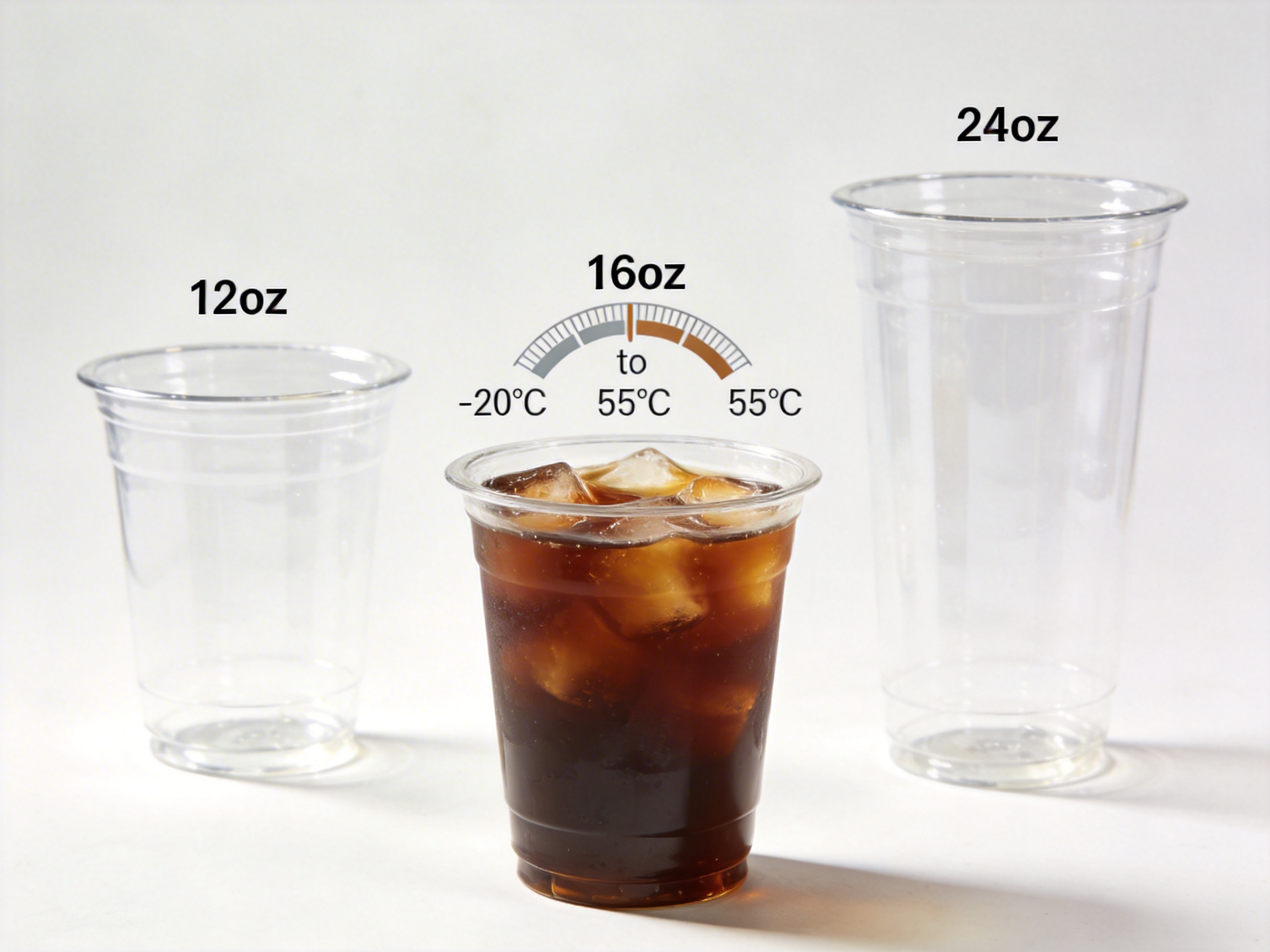
Low-temperature resistant PET plastic cups are specialized packaging solutions engineered from a food-grade polyethylene terephthalate (PET) blend. Unlike standard PET cups, which become brittle and prone to cracking at temperatures below 0°C, these cups are formulated to maintain structural integrity and performance across a wide temperature range of -20°C to 55°C. This makes them ideal for use in refrigerators, freezers, cold climate settings, and even warm environments (e.g., hot beverage takeaway in moderate climates).
At the core of these cups is a modified PET resin. PET is already a preferred choice for F&B packaging due to its exceptional clarity, high strength-to-weight ratio, and recyclability. However, the addition of impact modifiers (e.g., ethylene-based copolymers) and thermal stabilizers enhances the material’s low-temperature toughness. These additives prevent molecular chain crystallization at cold temperatures, ensuring the cup remains flexible and resistant to cracking even when exposed to freezing conditions (e.g., iced coffee stored at -18°C or frozen smoothies).
Key physical properties of these cups include: - High Transparency: A glossy, crystal-clear surface that showcases beverage contents, enhancing brand visibility and consumer appeal. - Smooth Finish: Round cup mouths and seamless inner walls for easy cleaning (critical for reusable or single-use applications). - Lightweight Durability: Low grammage (weight) reduces shipping costs and carbon footprint while maintaining resistance to impact and deformation. - Non-Toxicity: Food-grade PET ensures no harmful substances leach into beverages, meeting global safety standards.
Advantages Over Competitor Alternatives
Low-temperature resistant PET cups outperform traditional alternatives (e.g., regular PET, polypropylene (PP), polystyrene (PS), biodegradable plastics) in multiple key areas:
1. Unmatched Temperature Stability
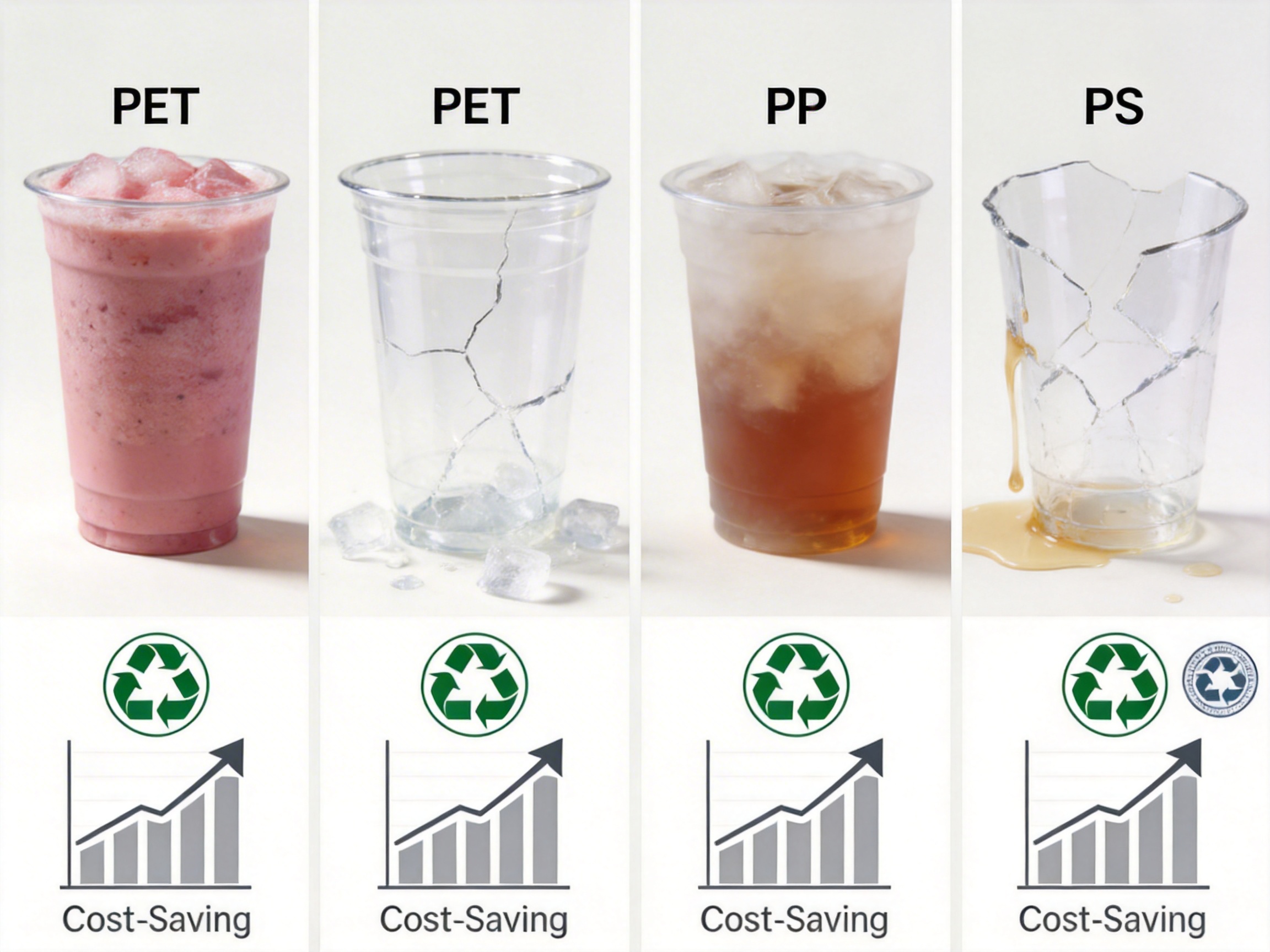
Regular PET cups crack or become brittle at temperatures below 0°C, making them unsuitable for frozen or refrigerated products. PP cups, while heat-resistant, lack the clarity of PET and can become cloudy over time. PS cups are brittle at low temperatures and prone to shattering. In contrast, low-temperature PET cups maintain flexibility and shape stability from -20°C to 55°C, making them the only option for businesses serving both cold and warm beverages year-round.
2. Rigorous Food Safety Certifications
Unlike uncertified generic cups, these cups have passed third-party certifications including: - QS National Industrial Product Production License (China) - ISO 9001 Quality Management System Certification - BRC Global Food Safety Standard Certification - German DIN Safety Certification - EU ROHS+ Testing (restriction of hazardous substances) These certifications ensure compliance with international food safety regulations, reducing liability risks for businesses and building consumer trust.
3. Superior Recyclability & Environmental Impact
While biodegradable plastics often require industrial composting facilities (rare in many regions), low-temperature PET cups are widely recyclable in standard curbside recycling programs. PET is one of the most recycled plastics globally, with a 2022 report from the Plastics Industry Association showing a 31% recycling rate in the U.S. alone. This reduces reliance on virgin plastic and aligns with global sustainability goals (e.g., UN Sustainable Development Goal 12: Responsible Consumption and Production).
4. Flexible Customization Options
Competitors often offer limited customization, but low-temperature PET cups support: - In-Mold Labeling (IML): Durable, scratch-resistant labels integrated during manufacturing (no peeling or fading). - Color & Pattern Customization: Pantone-matched colors and custom graphics for brand promotion. - Caliber Variations: Multiple mouth diameters to fit lids, straws, and other accessories. This flexibility helps businesses differentiate their products and strengthen brand identity.
5. Cost-Effective Durability
While biodegradable cups are often 20-30% more expensive than PET, low-temperature PET cups offer long-term cost savings. Their durability reduces replacement costs for businesses (e.g., fewer cracked cups during transportation) and improves customer satisfaction (no leaks or spills).
Advanced Manufacturing Processes
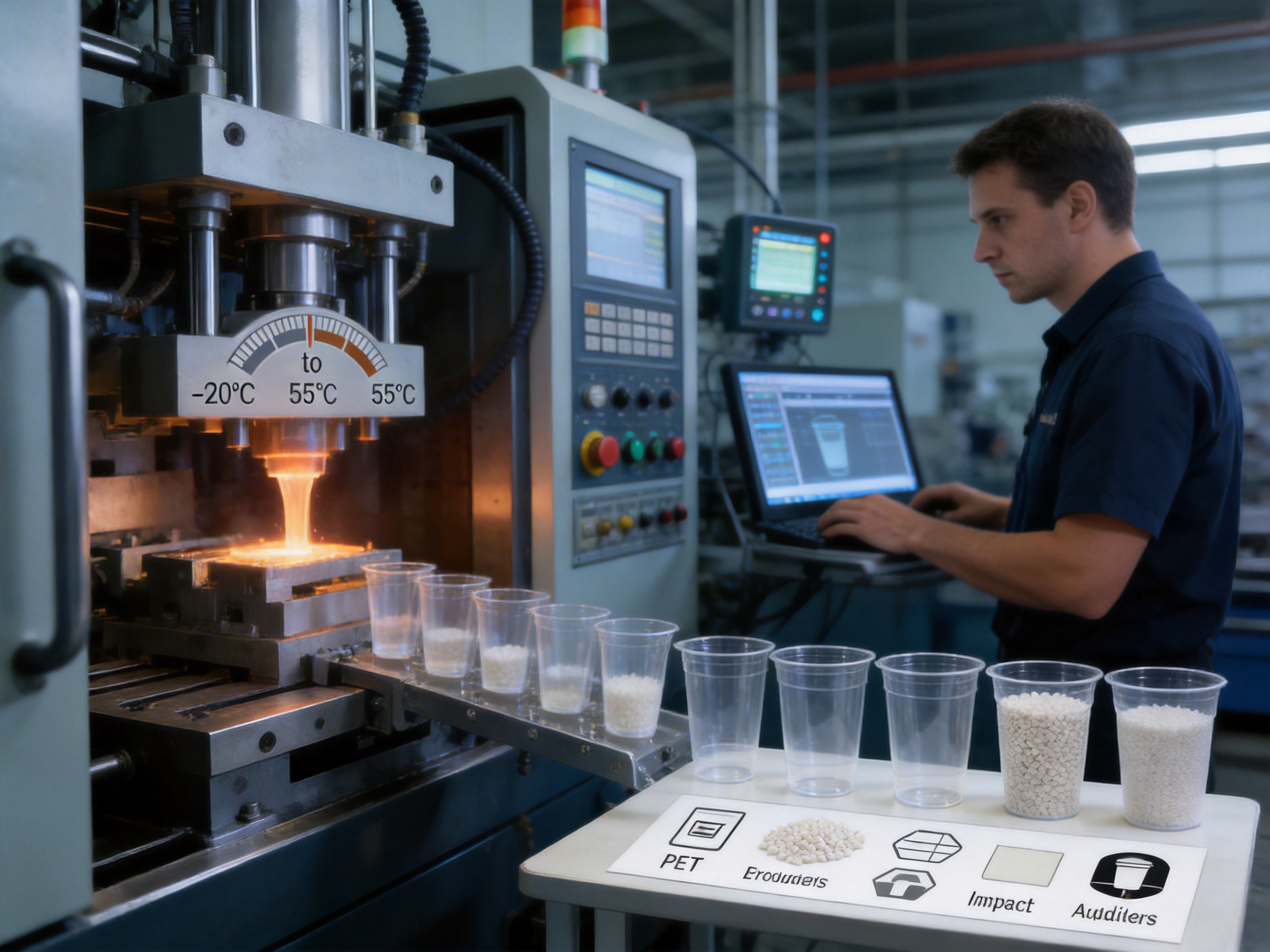
The quality of low-temperature resistant PET cups is a direct result of cutting-edge manufacturing processes and strict quality control. Below is a breakdown of the key steps:
1. Material Sourcing & Formulation
Raw materials are sourced from certified suppliers of food-grade PET resin and impact modifiers. The resin is blended in precise ratios (e.g., 95% PET + 5% impact modifier) to optimize low-temperature toughness without compromising clarity or recyclability. Each batch undergoes pre-production testing to ensure compliance with safety standards.
2. Precision Injection Molding
Injection molding is the core manufacturing process, using advanced machines with closed-loop temperature and pressure control. The process involves: - Melting: PET resin is melted at 260-280°C. - Injection: Molten resin is injected into precision molds at high pressure (150-200 bar). - Cooling: Molds are cooled with chilled water to solidify the resin (cycle time: 10-15 seconds per cup). - Ejection: Finished cups are ejected from molds and trimmed to remove excess material.
Advanced machines ensure consistent wall thickness (0.3-0.5 mm) and dimensional accuracy, reducing defects by up to 90% compared to traditional molding.
3. Rigorous Quality Control
Quality control is integrated into every stage of production: - In-Process Checks: Automated sensors measure cup weight, dimension, and clarity every 10 seconds. - Post-Production Testing: - Drop Test: Cups filled with water are dropped from 1.5 meters to test impact resistance. - Temperature Resistance Test: Cups are exposed to -20°C for 24 hours to verify no cracking or deformation. - Leak Test: Cups are filled with liquid and inverted for 5 minutes to check for leaks. - Third-Party Audits: Annual audits by BRC and DIN ensure ongoing compliance with safety standards.
4. Customization Integration
Customization is integrated during the molding process: - IML: Labels are placed in molds before injection, ensuring they are bonded to the cup surface (no adhesive required). - Color Matching: Masterbatches are added to the PET resin to achieve custom Pantone colors. - Pattern Design: Laser-etched molds create intricate patterns or logos without additional printing.
5. Mass Production & Scalability
Manufacturers operate large-scale production lines with a monthly capacity of up to 10 million cups, enabling them to meet the demands of global F&B chains. Automated packaging lines (e.g., shrink-wrapping, case packing) ensure fast order fulfillment and reduce human error.
Product Specifications & Variants
Low-temperature resistant PET cups are available in a wide range of specifications to meet diverse business needs. Below is a comprehensive table of common variants:
| Specification | Volume (ml) | Mouth Diameter (mm) | Height (mm) | Bottom Diameter (mm) | Grammage (g) |
|---|---|---|---|---|---|
| 12oz | 400 | 90 | 108 | 56 | 11 |
| 16oz | 500 | 90 | 135 | 56 | 13.5 |
| 20oz | 600 | 90 | 158 | 54 | 14.3 |
| 12oz | 400 | 93 | 106 | 57 | 12 |
| 12oz | 400 | 98 | 109 | 55 | 11.6 |
| 14oz-A | 420 | 98 | 105 | 56 | 11 |
| 14oz-B | 420 | 98 | 106 | 62 | 14 |
| 16oz-Y | 500 | 98 | 120 | 62 | 14.3 |
| 16oz-B | 540 | 98 | 120 | 65 | 13.5 |
| 20oz | 600 | 98 | 143 | 62 | 15.5 |
| 24oz | 700 | 98 | 155 | 60 | 16.5 |
| 16oz | 600 | 117 | 82 | 90 | 16 |
| 24oz | 1000 | 117 | 107 | 90 | 21 |
This range allows businesses to select cups tailored to their products: 12oz cups for small iced coffee servings, 24oz variants for large frozen smoothies, and wide-mouth (117mm) cups for takeaway soups or salads. The different bottom diameters also enable stable stacking, reducing storage space and transportation costs.
Frequently Asked Questions (FAQ)
Below are answers to common questions about low-temperature resistant PET plastic cups:
Q1: Can these cups be used for both cold and warm beverages?
A: Yes. The temperature range of -20°C to 55°C allows them to handle frozen smoothies, iced coffee, and warm beverages (e.g., hot tea up to 55°C). However, they are not recommended for boiling water (above 100°C) as this may cause deformation.
Q2: Are these cups recyclable?
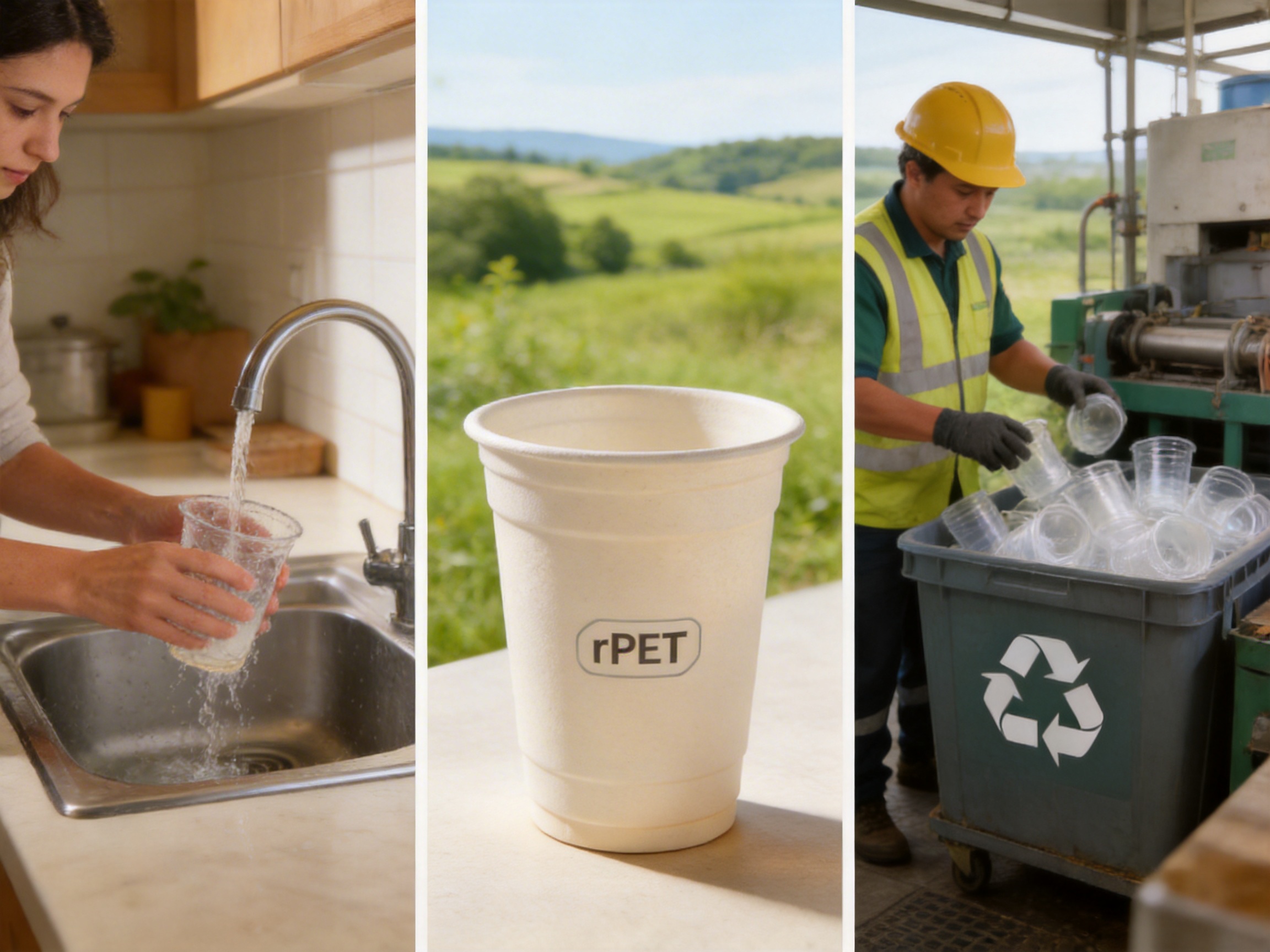
A: Yes. PET is one of the most widely recycled plastics globally. Most curbside recycling programs accept PET cups, provided they are rinsed to remove food residue. Recycled PET (rPET) can be used to make new cups, textiles, or plastic bottles, reducing reliance on virgin plastic.
Q3: What certifications do these cups have?
A: These cups have passed rigorous third-party certifications, including: - QS National Industrial Product Production License (China) - ISO 9001 Quality Management System Certification - BRC Global Food Safety Standard Certification - German DIN Safety Certification - EU ROHS+ Testing (restriction of lead, mercury, and other hazardous substances)
Q4: Can I customize the cups with my brand logo?
A: Yes. Customization options include in-mold labeling (IML), color matching (Pantone), and pattern design. IML is the most popular option, as it ensures labels are durable and do not peel off during use or washing.
Q5: What is the minimum order quantity (MOQ) for customization?
A: The MOQ varies by customization type: - IML: 50,000 cups - Color matching: 30,000 cups - Standard cups: 10,000 cups Customization lead times are typically 15-20 days from order confirmation.
Q6: How long does it take to deliver a large order?
A: For standard orders (no customization), delivery time is 7-10 days. For custom orders, delivery time is 20-25 days (including production and shipping). Manufacturers offer express shipping options for urgent orders (3-5 days).
Q7: Are these cups safe for microwave use?
A: No. PET cups are not microwave-safe, as microwaving may cause the cup to melt or release harmful substances. For microwaveable packaging, consider PP cups, but these lack the clarity of PET.
Sustainability & Future Trends
Low-temperature resistant PET cups are at the forefront of sustainable packaging innovation. Key trends shaping their future include:
1. Circular Economy Integration
Manufacturers are increasingly using recycled PET (rPET) in their cups. For example, some brands now offer cups made from 30% rPET, with plans to reach 50% by 2025. This reduces carbon emissions by up to 25% compared to virgin PET cups (per the Ellen MacArthur Foundation).
2. Compostable Additives
Research is ongoing to develop PET cups with compostable additives that break down in industrial composting facilities (within 180 days) while maintaining their low-temperature performance. This addresses the issue of PET cups ending up in landfills.
3. Smart Packaging
Future cups may include smart sensors to track temperature, freshness, and recycling status. For example, a sensor could alert consumers when a beverage is at the optimal drinking temperature or when the cup is ready for recycling.
References
1. U.S. Food and Drug Administration (FDA). (2023). "Food Contact Materials: PET Plastics." Retrieved from FDA website.
2. European Food Safety Authority (EFSA). (2022). "Assessment of PET for Food Packaging." EFSA Journal, 20(10), e07892.
3. ISO 9001:2015. (2015). "Quality Management Systems—Requirements." International Organization for Standardization.
4. BRC Global Standards. (2023). "Food Safety Certification: BRCGS for Packaging Materials."
5. DIN EN 15346:2014. (2014). "Plastics—Determination of the resistance to environmental stress cracking (ESC) of polyethylene (PE) materials." Deutsches Institut für Normung.
6. Ellen MacArthur Foundation. (2022). "The Circular Economy: A Guide to PET Recycling."
7. Plastics Industry Association. (2022). "2022 National Postconsumer Plastic Bottle Recycling Report."
Conclusion
Low-temperature resistant PET plastic cups represent a paradigm shift in disposable F&B packaging. Their unique combination of temperature stability, food safety certifications, recyclability, and customization flexibility makes them the ideal choice for businesses looking to meet consumer demands and sustainability goals. Backed by advanced manufacturing processes and rigorous quality control, these cups deliver consistent performance and value. As the F&B industry continues to evolve, low-temperature PET cups will remain a key solution for businesses seeking to balance convenience, quality, and environmental responsibility.