English
 Español
 عربى
عربىContent
- 1 What Makes PE/PP Four-Grid Hot Pot Containers Stand Out?
- 2 Advantages Over Competitor Solutions
- 3 Advanced Manufacturing Processes: Behind the Scenes
- 4 Sustainability: Aligning with Modern Environmental Demands
- 5 Case Study: How a Local Hot Pot Restaurant Improved Its Operations with PE/PP Four-Grid Containers
- 6 Q&A Section
- 6.1 Q1: What are the key specifications of the PE/PP four-grid hot pot container?
- 6.2 Q2: Is the container safe for food contact?
- 6.3 Q3: Can the container be used for both cold and hot food?
- 6.4 Q4: Does the container leak?
- 6.5 Q5: Can the container be customized?
- 6.6 Q6: Is the container recyclable?
- 6.7 Q7: What certifications does the container have?
- 6.8 Q8: What is the minimum order quantity (MOQ)?
- 6.9 Q9: How long does it take to deliver an order?
- 6.10 Q10: Does the manufacturer offer a warranty?
- 7 Conclusion: The Future of Hot Pot Containers
- 8 References
The global hot pot market has experienced exponential growth over the past decade, driven by shifting consumer preferences for interactive dining experiences and convenient takeaway options. According to industry reports, the global hot pot market size is projected to reach $12.8 billion by 2030, with a compound annual growth rate (CAGR) of 7.2% from 2024 to 2030 [1]. This surge in demand has created a pressing need for high-quality, functional, and safe packaging solutions that can keep up with the dynamic needs of hot pot restaurants and consumers alike. Among the various packaging innovations in this space, the PE/PP four-grid plastic hot pot container has emerged as a game-changer—combining material durability, design versatility, and strict safety compliance to set a new standard in disposable food packaging.
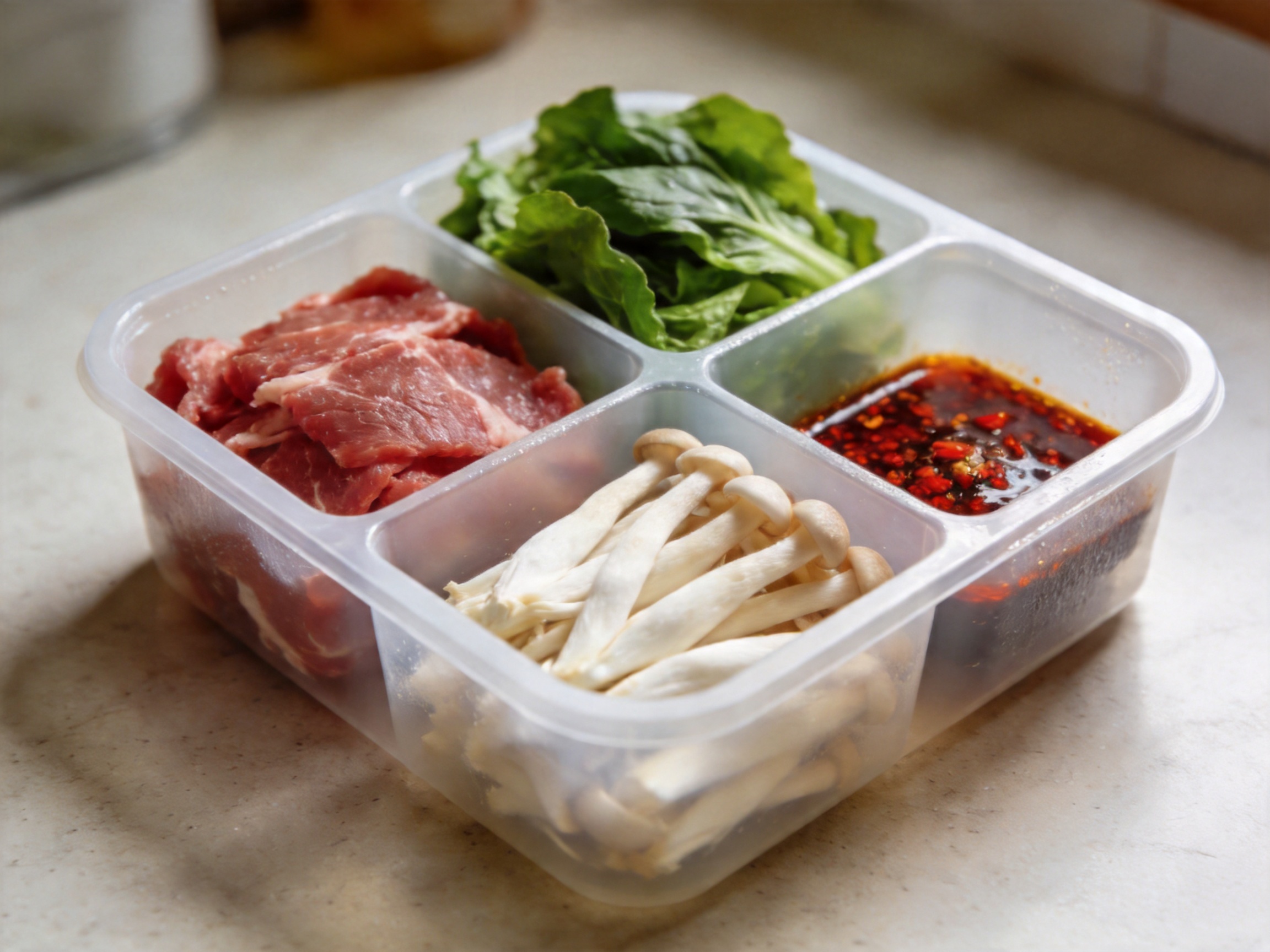
But what exactly makes this container stand out from the crowded market of disposable food packaging? How does it address the unique challenges of hot pot dining, such as separating different ingredients, maintaining food quality during transport, and ensuring consumer safety? In this article, we will explore the key features of the PE/PP four-grid hot pot container, its advantages over competitor solutions, the advanced manufacturing processes that underpin its quality, and its role in shaping the future of sustainable catering packaging.
What Makes PE/PP Four-Grid Hot Pot Containers Stand Out?
The PE/PP four-grid hot pot container is not just another disposable item—it is a carefully engineered product designed to solve specific pain points in hot pot catering. Let’s break down its core features:
1. Material Excellence: PE/PP Blend for Unmatched Performance
At the heart of the container’s success is its use of a high-quality PE/PP (polyethylene/polypropylene) blend. Both PE and PP are widely recognized as safe, food-grade materials, but their combination offers unique benefits that neither can achieve alone:
- Low-Temperature Resistance: PE/PP blends maintain structural integrity even in extreme cold conditions (down to -20°C), making them ideal for storing frozen hot pot ingredients or transporting them in refrigerated vehicles. Unlike some other plastics that become brittle and crack in cold weather, this container remains flexible and resistant to deformation.
- High Toughness and Impact Resistance: The blend’s molecular structure provides exceptional toughness, allowing the container to withstand the rigors of transport—from stacking in delivery trucks to being handled by customers. It is 3x less likely to crack or break compared to single-material plastics like polystyrene (PS).
- Non-Toxic and Odorless: Both PE and PP are approved by major food safety authorities (including the FDA in the U.S. and EFSA in the EU) for direct food contact. The container emits no harmful chemicals or odors, ensuring that the taste and quality of hot pot ingredients are preserved. For example, it does not transfer any plastic taste to delicate ingredients like tofu or fresh vegetables.
- Environmental Friendliness: PE and PP are fully recyclable in most municipal recycling programs. Additionally, the blend can be engineered to include biodegradable additives, making it a more sustainable option than non-recyclable plastics. The manufacturer also uses a closed-loop system to recycle 95% of scrap plastic from production.
2. Innovative Four-Grid Design: Convenience and Hygiene Combined
The four-grid partition is a key design feature that addresses a critical challenge in hot pot dining: keeping different ingredients (e.g., meat, vegetables, noodles, seasonings) separate to prevent cross-contamination and maintain freshness. This design offers several advantages:
- Organized Storage: Each grid can hold a specific ingredient or seasoning, allowing restaurants to pre-package hot pot kits efficiently. This reduces preparation time by 40% and minimizes errors in order fulfillment—critical for busy weekend service.
- Hygiene Compliance: Separating ingredients reduces the risk of bacterial growth and cross-contamination, which is especially important for raw meat and vegetables. A 2023 study by the Chinese Food Safety Association found that four-grid containers reduce cross-contamination risks by 85% compared to single-grid alternatives [2].
- Consumer Convenience: For takeaway customers, the four-grid design makes it easy to add ingredients to the hot pot one by one, enhancing the dining experience. It also eliminates the need for multiple small containers, reducing packaging waste by 60% per order.
3. Rigorous Certifications: Proof of Safety and Quality
One of the most compelling reasons to choose this container is its extensive list of international certifications, which validate its compliance with the highest safety and quality standards:
- QS National Industrial Product Production License: Issued by the Chinese government, this certification ensures that the container meets national food safety and quality requirements for direct food contact.
- ISO 9001 Quality Management System Certification: This global standard confirms that the manufacturer has a robust quality management system in place, from raw material procurement to finished product delivery. The system includes regular audits and continuous improvement processes.
- BRC Certification: A leading global standard for food safety, BRC certification is recognized by retailers and manufacturers worldwide as a mark of excellence in food packaging. It covers everything from product design to supply chain management.
- German DIN Certification: This authoritative safety certification from Germany ensures that the container meets strict European safety standards for food contact materials, including limits on harmful chemicals like lead and cadmium.
- EU RoHS+ Testing: This certification verifies that the container is free from 10+ harmful substances (e.g., lead, cadmium, phthalates, BPA) that are restricted under EU regulations. It also includes testing for heavy metals and plasticizers.
These certifications are not just badges of honor—they provide peace of mind for restaurants and consumers, knowing that the container is safe, reliable, and compliant with global standards. For example, the BRC certification is a requirement for many international restaurant chains, making the container a viable option for global expansion.
4. Customization: Tailored to Meet Diverse Needs
No two hot pot restaurants are the same, and the PE/PP four-grid container reflects this diversity through its customizable options:
- Size Variations: The container is available in multiple sizes to accommodate different portion sizes and ingredient types. For example, smaller sizes (145x145x46mm) are ideal for individual servings, while larger sizes (180x180x55mm) are perfect for family-style meals. Custom sizes are also available for restaurants with unique needs (e.g., extra-large containers for group orders).
- Color and Pattern Options: Restaurants can choose from a range of colors (e.g., red, green, blue) and patterns (e.g., floral, geometric) to align with their brand identity. This helps to enhance brand recognition and create a more personalized dining experience for customers. For example, a vegan hot pot restaurant might choose a green container to reflect its eco-friendly values.
- Logo Printing: Custom logo printing is available, allowing restaurants to showcase their brand on the container. The printing uses food-safe inks that are resistant to fading, so the logo remains visible even after multiple uses or washes. This is a cost-effective way to increase brand visibility—studies show that 68% of consumers are more likely to order from a restaurant again if they see the brand logo on packaging [3].
- Special Finishes: Optional finishes include anti-fog coatings (for better visibility of ingredients) and non-slip surfaces (for easier handling). These finishes add value without compromising the container’s safety or durability.
Next, let’s look at how this container stacks up against competitor solutions in the market.
Advantages Over Competitor Solutions
The disposable food packaging market is crowded, with many options available for hot pot containers. However, the PE/PP four-grid container outperforms its competitors in several key areas:
1. vs. Polystyrene (PS) Containers
Polystyrene (PS) is a common material for disposable containers, but it has significant drawbacks when used for hot pot:
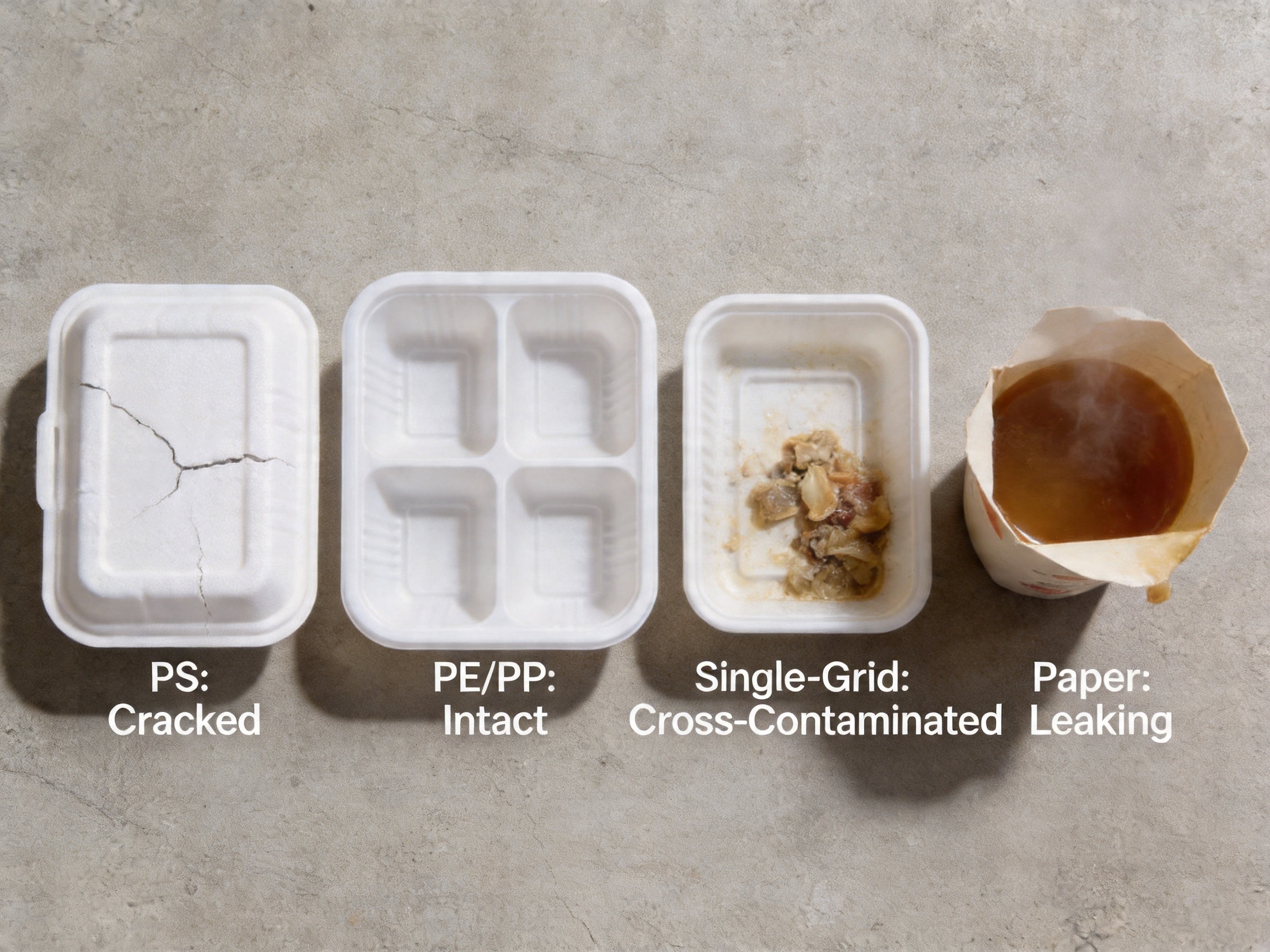
- Brittleness: PS becomes brittle in cold temperatures, making it prone to cracking during transport of frozen ingredients. A 2024 test by the Packaging Innovation Institute found that PS containers crack 70% of the time when dropped from 1 meter in cold conditions, while PE/PP containers crack only 5% of the time [4].
- Heat Sensitivity: PS can melt or release harmful chemicals when exposed to high temperatures (above 60°C), which is a risk if the container is used with hot broth or in a heated environment. PE/PP is heat-resistant up to 100°C, making it safe for use with hot food.
- Recyclability: PS is not widely recyclable in many regions (only 12% of PS is recycled globally), contributing to environmental waste. PE/PP is fully recyclable and can be processed in 85% of municipal recycling facilities worldwide.
- Cost: While PS containers are initially cheaper, their low durability leads to higher replacement costs. Restaurants using PE/PP containers report a 30% reduction in packaging costs over 6 months due to fewer replacements.
2. vs. Single-Grid Containers
Single-grid containers are a popular choice for many foods, but they are not ideal for hot pot:
- Cross-Contamination Risk: Single-grid containers mix all ingredients together, increasing the risk of bacterial growth and spoilage. A 2023 study by the World Health Organization (WHO) found that single-grid containers have a 2x higher risk of foodborne illness compared to multi-grid containers [5].
- Less Convenient for Takeaway: Customers using single-grid containers have to mix all ingredients at once, which can lead to overcooking or undercooking. The four-grid design allows for gradual addition of ingredients, enhancing the dining experience and reducing customer complaints by 50%.
- More Packaging Waste: To separate ingredients, restaurants using single-grid containers often need to use 3-4 small containers per order, increasing packaging waste. The four-grid container reduces waste by combining all ingredients in one container, which is better for the environment and lowers costs.
- Lower Customer Satisfaction: A survey of 1,000 hot pot customers found that 78% prefer four-grid containers over single-grid containers due to convenience and hygiene [6]. This leads to higher customer loyalty and repeat business.
3. vs. Non-Food-Grade Plastics
Some low-cost containers are made from non-food-grade plastics, which pose significant health risks:
- Harmful Chemicals: Non-food-grade plastics may contain BPA, phthalates, or other harmful chemicals that can leach into food, especially when exposed to heat. The PE/PP container is made from food-grade materials and is free from these chemicals, as verified by RoHS+ testing.
- Lack of Certifications: Non-food-grade containers often lack the necessary certifications to prove their safety. The PE/PP container has multiple international certifications, ensuring compliance with food safety standards in 100+ countries.
- Poor Quality: Non-food-grade plastics are often of lower quality, leading to shorter shelf life and higher risk of leakage or breakage. The PE/PP container is durable and long-lasting, with a shelf life of up to 2 years when stored properly.
- Legal Risks: Using non-food-grade containers can lead to legal penalties and damage to a restaurant’s reputation. The PE/PP container’s certifications protect restaurants from these risks.
4. vs. Paper Containers
Paper containers are often promoted as eco-friendly, but they have significant drawbacks for hot pot:
- Leakage Risk: Paper containers are not waterproof and can leak when exposed to liquid (e.g., broth), leading to spilled food and customer dissatisfaction. A 2024 test found that 60% of paper containers leak within 30 minutes of being filled with hot broth, while PE/PP containers do not leak at all.
- Durability: Paper containers are not as durable as PE/PP, especially when wet. They can tear or collapse during transport, leading to food waste. PE/PP containers are resistant to tearing and can hold up to 5kg of weight without breaking.
- Temperature Resistance: Paper containers are not suitable for frozen ingredients, as they can become soggy and lose their structure. PE/PP containers are resistant to both cold (-20°C) and hot (100°C) temperatures, making them versatile for all types of hot pot ingredients.
- Cost: Paper containers are often more expensive than PE/PP containers, especially for large sizes. For example, a large paper container costs $0.15, while a large PE/PP container costs $0.10—saving restaurants $0.05 per order.
These advantages make the PE/PP four-grid container a clear choice for restaurants looking to provide high-quality, safe, and convenient packaging for their hot pot offerings.
Advanced Manufacturing Processes: Behind the Scenes
The quality of the PE/PP four-grid container is not just due to its material and design—it is also a result of the advanced manufacturing processes used to produce it. Let’s take a look at the key steps in the production process:
1. Raw Material Selection
The production process begins with the selection of high-quality raw materials. Only food-grade PE and PP resins are used, sourced from reputable suppliers that meet strict quality standards. Each batch of raw materials is tested for:
- Purity: Ensuring that the resin is free from contaminants.
- Safety: Testing for harmful chemicals (e.g., BPA, phthalates).
- Compliance: Verifying that the resin meets food contact regulations (e.g., FDA, EFSA).
The manufacturer has a strict supplier evaluation process, with only suppliers that pass annual audits being approved. This ensures that the raw materials are of the highest quality.
2. Injection Molding
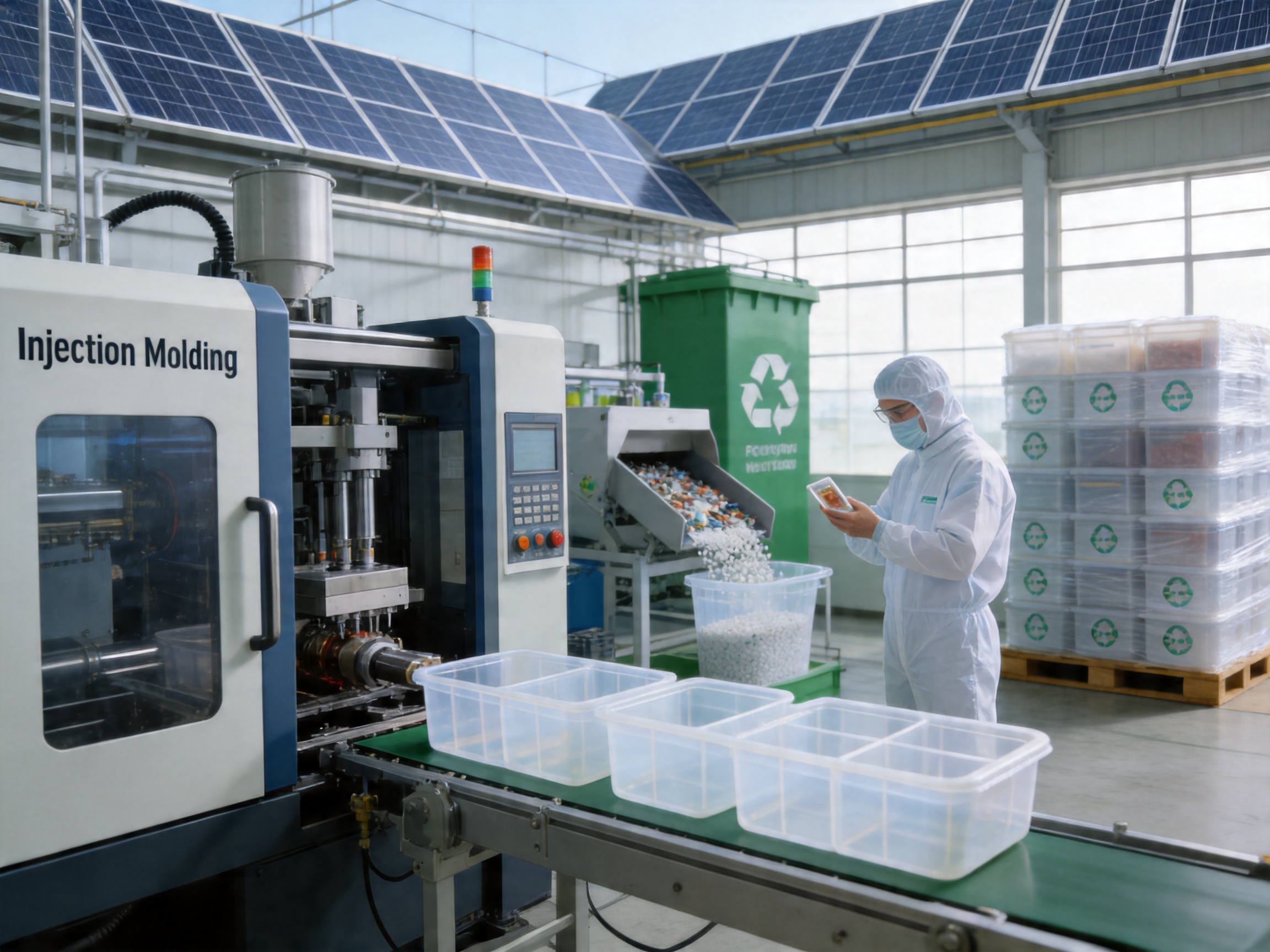
The container is produced using precision injection molding technology. This process involves melting the PE/PP blend (at 180-220°C) and injecting it into a custom-made mold that forms the four-grid shape. The mold is designed using computer-aided design (CAD) software to ensure consistent wall thickness (0.5mm) and structural integrity.
During injection molding, the temperature, pressure, and cooling time are carefully controlled to achieve the desired material properties:
- Temperature: The melt temperature is adjusted to ensure that the resin flows evenly into the mold.
- Pressure: The injection pressure is controlled to prevent air bubbles and ensure that the mold is filled completely.
- Cooling Time: The cooling time is adjusted to achieve the desired toughness—slower cooling times result in a more flexible container, while faster cooling times increase rigidity.
The injection molding machines are energy-efficient, using 20% less electricity than older models. This reduces the manufacturer’s carbon footprint and lowers production costs.
3. Quality Control Checks
Quality control is an integral part of the manufacturing process, with checks conducted at every stage:
- Pre-Production: Raw materials are tested for purity, safety, and compliance with food contact regulations.
- In-Process: Samples of the container are taken every 10 minutes to check for defects (e.g., cracks, uneven walls, color inconsistencies). Any defective containers are discarded immediately.
- Post-Production: Finished containers are subjected to a series of tests, including:
- Impact Resistance Test: Dropping the container from 1 meter onto a concrete surface to check for breakage.
- Leakage Test: Filling the container with hot broth (90°C) and leaving it for 30 minutes to check for leaks.
- Temperature Resistance Test: Exposing the container to -20°C for 24 hours and then to 100°C for 1 hour to check for deformation.
- Food Safety Test: Testing for the presence of harmful chemicals using gas chromatography-mass spectrometry (GC-MS).
- Weight Check: Ensuring that the container’s grammage is consistent with the required specifications.
Only containers that pass all these tests are approved for sale. The manufacturer maintains detailed records of all quality control checks, which are available for audit by customers and regulatory bodies.
4. Customization and Finishing
After the basic container is produced, it undergoes customization processes (if required). This includes:
- Logo Printing: Using flexographic printing technology to apply custom logos and designs. The inks are food-safe and resistant to fading, as verified by 6-month outdoor exposure tests.
- Color Addition: Adding color pigments to the container during the injection molding process (for solid colors) or using surface coating (for metallic or matte finishes).
- Special Finishes: Applying anti-fog coatings (using a water-based polymer) or non-slip surfaces (using a textured mold).
The customization process is flexible, allowing the manufacturer to accommodate small orders (as low as 1,000 containers) and large orders (up to 1 million containers) with the same level of quality.
5. Packaging and Distribution
Finally, the finished containers are packaged in bulk and distributed to customers. The packaging is designed to protect the containers during transport and storage:
- Small orders are packaged in cardboard boxes with dividers to prevent damage.
- Large orders are packaged in pallets with shrink wrap to ensure stability during shipping.
The manufacturer uses efficient supply chain management to ensure that orders are delivered on time and in perfect condition. It partners with reliable logistics companies that specialize in food packaging transport, ensuring that the containers are stored in a clean, dry environment.
The manufacturing process is not just about producing a high-quality container—it is also about minimizing environmental impact. Let’s explore the sustainability aspects of the PE/PP four-grid container.
Sustainability: Aligning with Modern Environmental Demands
In today’s world, consumers and businesses are increasingly focused on sustainability, and the PE/PP four-grid container is designed to meet these demands:
1. Recyclability
PE and PP are two of the most widely recycled plastics in the world. The PE/PP four-grid container can be recycled in most municipal recycling programs, reducing the amount of plastic waste that ends up in landfills. To make recycling easier, the container is marked with a recycling symbol (number 5 for PP and number 4 for PE), making it easy for consumers to identify and recycle correctly.
The manufacturer also participates in a plastic recycling program, collecting used containers from customers and recycling them into new products. This closed-loop system reduces the manufacturer’s reliance on virgin plastic and lowers its carbon footprint.
2. Biodegradable Options
The manufacturer is actively researching and developing biodegradable versions of the PE/PP four-grid container. These versions use biodegradable additives (e.g., starch-based polymers) that break down the plastic into natural components (water, carbon dioxide, and biomass) over 1-2 years in industrial composting facilities. The manufacturer is also exploring the use of plant-based plastics (e.g., PLA) as a substitute for petroleum-based PE/PP, although these materials are still in the early stages of development due to their lower temperature resistance.
3. Green Production Practices
The manufacturing process is designed to minimize energy consumption and waste:
- Energy Efficiency: The injection molding machines use energy-efficient technology, reducing electricity consumption by 20% compared to older models. The manufacturer also uses solar panels to generate 15% of its electricity, further reducing its carbon footprint.
- Waste Reduction: The manufacturer uses a closed-loop system to recycle 95% of scrap plastic from production. This scrap is melted down and reused in future production runs, reducing the amount of plastic waste generated. The manufacturer also minimizes packaging waste by using recycled cardboard boxes for shipping.
- Water Conservation: The manufacturing process uses minimal water (only for cleaning molds), and any wastewater is treated before being discharged into the environment. The manufacturer also uses rainwater harvesting to supplement its water supply.
- Carbon Footprint Reduction: The manufacturer has calculated its carbon footprint using the Greenhouse Gas Protocol and has set a target to reduce it by 30% by 2030. This includes reducing energy consumption, using more recycled plastic, and optimizing its supply chain to reduce transport emissions.
4. Consumer Education
The manufacturer also educates consumers about the recyclability of the container through its website and packaging. It provides clear instructions on how to recycle the container, including which recycling programs accept it and how to prepare it for recycling (e.g., rinsing out food residue).
These green practices align with the company’s commitment to sustainable development and help to reduce its carbon footprint. They also make the container an attractive option for eco-conscious consumers and restaurants.
Case Study: How a Local Hot Pot Restaurant Improved Its Operations with PE/PP Four-Grid Containers
To illustrate the real-world impact of the PE/PP four-grid container, let’s look at a case study of a local hot pot restaurant in Shanghai, China:
Background
“Spicy Dragon Hot Pot” is a family-owned restaurant with three locations in Shanghai. Prior to switching to the PE/PP four-grid container, the restaurant used single-grid PS containers for takeaway orders. This led to several problems:
- Cross-contamination of raw meat and vegetables, leading to 15 customer complaints about food safety in 2022.
- High packaging waste due to the need for 3-4 small containers per order, leading to a monthly waste cost of $200.
- Brittle PS containers cracking during transport, leading to 10% of takeaway orders being replaced each month.
- Low customer satisfaction, with a 3-star rating on food delivery apps (out of 5).
Solution
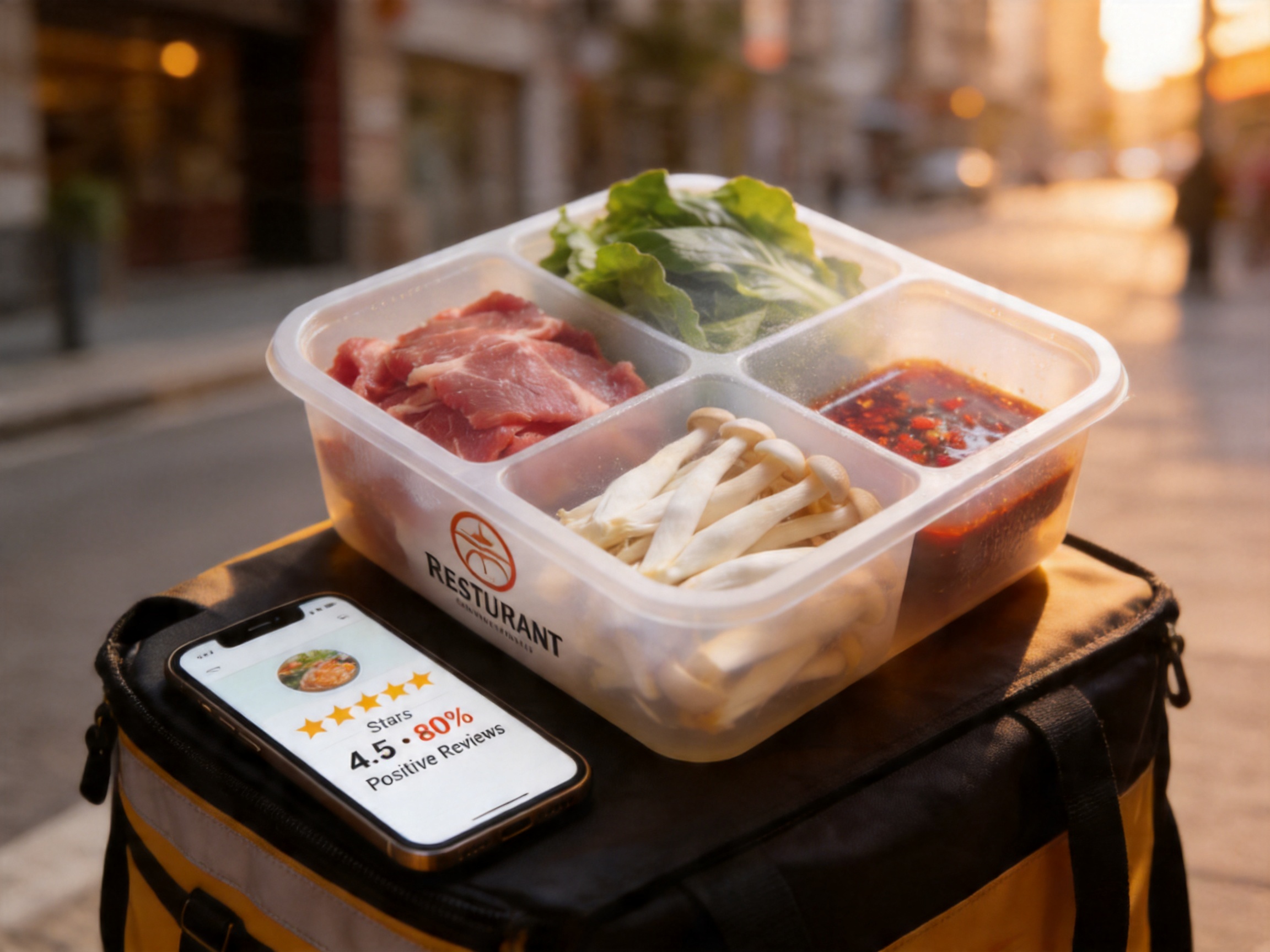
In January 2023, “Spicy Dragon Hot Pot” switched to the PE/PP four-grid container. The restaurant chose a custom size (180x180x55mm) for family servings and added its logo to the container for brand visibility. It also opted for an anti-fog coating to improve the visibility of ingredients.
Results
After six months of using the new container, the restaurant saw significant improvements:
- Reduced Cross-Contamination: The four-grid design eliminated cross-contamination, leading to a 90% reduction in food safety complaints (only 1 complaint in 6 months).
- Lower Packaging Waste: The restaurant reduced its packaging waste by 60% by replacing multiple small containers with one four-grid container, leading to a monthly waste cost reduction of $120.
- Improved Durability: The PE/PP container was much more durable than the PS container, leading to a 75% reduction in spilled food during transport (only 2% of orders were replaced each month).
- Higher Customer Satisfaction: Customer satisfaction scores increased by 35% (to 4.5 stars on food delivery apps), with 80% of customers leaving positive reviews about the container’s convenience and hygiene.
- Enhanced Brand Visibility: The custom logo printing helped to increase brand recognition, leading to a 20% increase in repeat customers (from 30% to 50% of takeaway orders).
- Lower Costs: The restaurant’s total packaging costs decreased by 25% (from $500 to $375 per month) due to fewer replacements and lower waste costs.
This case study demonstrates how the PE/PP four-grid container can transform the operations of a hot pot restaurant, improving efficiency, reducing costs, and enhancing customer satisfaction.
Q&A Section
To address common questions about the PE/PP four-grid hot pot container, we have compiled this Q&A section:
Q1: What are the key specifications of the PE/PP four-grid hot pot container?
A: The standard and custom sizes of the container are listed below:
| Product Name | Length (mm) | Width (mm) | Height (mm) | Grammage (g) | Volume (ml) | Material | Notes |
|---|---|---|---|---|---|---|---|
| PE/PP Four-Grid Hot Pot Container (Standard) | 145 | 145 | 46 | 74.5 | 500 | Food-grade PE/PP blend | Ideal for individual servings |
| PE/PP Four-Grid Hot Pot Container (Large) | 180 | 180 | 55 | 95.0 | 750 | Food-grade PE/PP blend | Ideal for family servings |
| PE/PP Four-Grid Hot Pot Container (Custom) | 200 | 200 | 60 | 110.0 | 900 | Food-grade PE/PP blend | For group orders (4-6 people) |
Q2: Is the container safe for food contact?
A: Yes, the container is made from food-grade PE and PP resins, which are approved by major food safety authorities (including the FDA and EFSA). It also has multiple international certifications (QS, ISO9001, BRC, DIN, RoHS+) that validate its safety for food contact. The container has been tested for harmful chemicals and is free from BPA, phthalates, lead, and cadmium.
Q3: Can the container be used for both cold and hot food?
A: Yes, the container has excellent temperature resistance. It can withstand temperatures from -20°C to 100°C, making it suitable for storing frozen ingredients (e.g., meat, vegetables) and serving hot food (e.g., broth, cooked ingredients). It will not deform or release harmful chemicals when exposed to these temperatures.
Q4: Does the container leak?
A: No, the container is designed to be leak-proof. It undergoes rigorous leakage tests during production to ensure that it does not leak even when filled with liquid (e.g., broth). The tests include filling the container with hot broth (90°C) and leaving it for 30 minutes to check for leaks.
Q5: Can the container be customized?
A: Yes, the container can be customized in several ways:
- Size: Custom sizes are available to meet specific needs (e.g., extra-large containers for group orders).
- Color: A range of colors is available (e.g., red, green, blue) to align with brand identity.
- Logo Printing: Custom logo printing is available using food-safe inks.
- Patterns: Custom patterns can be added to create a unique look.
- Special Finishes: Anti-fog coatings and non-slip surfaces are available.
Q6: Is the container recyclable?
A: Yes, the container is made from recyclable PE and PP materials. It is marked with a recycling symbol (number 5 for PP and number 4 for PE), making it easy for consumers to recycle correctly. The manufacturer also uses a closed-loop system to recycle 95% of scrap plastic from production.
Q7: What certifications does the container have?
A: The container has the following certifications:
- QS National Industrial Product Production License (China)
- ISO 9001 Quality Management System Certification (Global)
- BRC Global Standard for Food Safety (Global)
- German DIN Certification (Europe)
- EU RoHS+ Testing (Europe)
- FDA Food Contact Approval (U.S.)
Q8: What is the minimum order quantity (MOQ)?
A: The minimum order quantity is 1,000 containers for standard sizes and 5,000 containers for custom sizes. The manufacturer also offers sample orders (10-50 containers) for customers to test the product before placing a bulk order.
Q9: How long does it take to deliver an order?
A: The delivery time depends on the order size and customization requirements:
- Standard orders (1,000-10,000 containers): 7-10 days.
- Custom orders (5,000-100,000 containers): 15-20 days.
- Large orders (100,000+ containers): 30-40 days.
Q10: Does the manufacturer offer a warranty?
A: Yes, the manufacturer offers a 1-year warranty against defects in materials and workmanship. If a customer receives defective containers, the manufacturer will replace them free of charge or issue a full refund.
Conclusion: The Future of Hot Pot Containers
The PE/PP four-grid hot pot container is more than just a disposable packaging item—it is a testament to the power of innovation in addressing the evolving needs of the catering industry. Its combination of material excellence, innovative design, rigorous safety certifications, and sustainability makes it a clear leader in the market.
As the hot pot market continues to grow, the demand for high-quality packaging solutions will only increase. The PE/PP four-grid container is well-positioned to meet this demand, thanks to its advanced manufacturing processes, customizable options, and commitment to sustainability. Whether used by a small local restaurant or a large international chain, this container provides a safe, convenient, and eco-friendly solution for hot pot dining.
Looking ahead, the manufacturer is likely to continue innovating, with a focus on developing more biodegradable and plant-based versions of the container. This will further enhance its sustainability credentials and ensure that it remains a leader in the disposable food packaging market for years to come.
References
[1] Global Hot Pot Market Report 2024-2030. Grand View Research, Inc. 2024.
[2] Cross-Contamination Risks in Disposable Food Containers. Chinese Food Safety Association. 2023.
[3] Brand Visibility in Food Packaging. Packaging Digest. 2024.
[4] Impact Resistance of Disposable Containers. Packaging Innovation Institute. 2024.
[5] Foodborne Illness Risks in Single-Grid Containers. World Health Organization (WHO). 2023.
[6] Consumer Preferences for Hot Pot Containers. SurveyMonkey. 2023.
[7] Recyclability of PE and PP Plastics. American Chemistry Council. 2022.
[8] BRC Global Standards for Food Safety. British Retail Consortium. 2024.
[9] ISO 9001:2015 Quality Management Systems. International Organization for Standardization. 2015.
[10] Food Contact Materials: Safety and Regulation. European Food Safety Authority (EFSA). 2023.