English
 Español
 عربى
عربىContent
- 1 Key Advantages of Disposable PET Plastic Drink Cups: Outperforming Competitors
- 1.1 1.1 Material Safety & Regulatory Compliance: A Non-Negotiable Priority
- 1.2 1.2 Customization Flexibility: Catering to Brand Identity and Consumer Preferences
- 1.3 1.3 Functional Efficiency: Durability, Barrier Properties, and Space Savings
- 1.4 1.4 Environmental Adaptability: Moving Toward Circular Economy Solutions
- 2 Advanced Manufacturing Processes: The Backbone of Quality PET Cups
- 3 Company Strengths: Driving Innovation and Customer Satisfaction
- 4 Market Trends & Future Outlook: The Evolving Role of PET Cups
- 5 Q&A: Common Questions About Disposable PET Plastic Drink Cups
- 6 References
In the fast-paced landscape of modern catering and beverage services, disposable packaging has become an indispensable component of daily life. From coffee shops to fast-food chains, from food trucks to event catering, the need for reliable, safe, and customizable drink containers is more pressing than ever. Among the various options available—paper cups, PLA (polylactic acid) cups, and glass alternatives—disposable PET (polyethylene terephthalate) plastic drink cups have emerged as a leading choice, thanks to their unique combination of clarity, durability, safety, and adaptability. This article explores the key advantages of PET drink cups over their competitors, delves into the advanced manufacturing processes that drive their quality, and highlights the industry-leading strengths of the manufacturers behind these products. As consumer demands evolve toward greater sustainability, personalization, and food safety, PET cups continue to innovate, solidifying their position as a cornerstone of the global disposable packaging market.
Key Advantages of Disposable PET Plastic Drink Cups: Outperforming Competitors
Disposable PET plastic drink cups stand out in the crowded packaging market due to a set of inherent and engineered advantages that address critical consumer and business needs. Unlike many alternatives, PET cups strike a balance between functionality, cost-effectiveness, and environmental responsibility—though it’s important to note that modern PET cups are increasingly designed with recyclability and even biodegradability in mind, addressing long-standing concerns about plastic waste.
1.1 Material Safety & Regulatory Compliance: A Non-Negotiable Priority
One of the most significant advantages of PET cups is their unwavering commitment to food safety. PET is a food-grade plastic approved by major regulatory bodies worldwide, including the U.S. Food and Drug Administration (FDA), the European Food Safety Authority (EFSA), and China’s National Food Safety Standard (GB). Unlike some lower-quality plastics that may leach harmful chemicals (such as BPA or phthalates) into beverages, especially when exposed to heat or acidic liquids, PET is chemically inert under normal use conditions. This makes it safe for holding a wide range of drinks—from cold sodas and iced coffee to warm teas (though it’s important to note that PET has a melting point around 255°C, so it’s not recommended for extremely hot beverages above 70°C, though many manufacturers now offer heat-resistant PET variants).
To ensure compliance, leading PET cup manufacturers subject their products to rigorous testing at every stage of production. This includes raw material testing for heavy metals and toxic substances, as well as finished product testing for migration of chemicals into food simulants. Certifications such as QS (China’s national industrial product production license), ISO 9001 (quality management), BRC (British Retail Consortium, a global standard for food safety), and DIN (German safety certification) further validate the safety of PET cups, setting them apart from uncertified alternatives that may cut corners on safety.
1.2 Customization Flexibility: Catering to Brand Identity and Consumer Preferences
In an era where brand differentiation is key, PET cups offer unparalleled customization options that outperform paper cups and PLA alternatives. Unlike paper cups, which often have limitations in terms of print quality and durability (especially when wet), PET cups can be printed with high-resolution graphics, logos, and brand messages using advanced offset or digital printing technologies. This allows businesses to create unique, eye-catching designs that enhance brand recognition and resonate with consumers.
Additionally, PET cups can be customized in terms of capacity, caliber, and shape to suit specific needs. For example, a coffee shop might prefer a 500ml cup with a wide mouth for easy sipping, while a juice bar might opt for a 700ml cup with a narrow neck for better grip. The table below illustrates the standard specifications of a leading PET cup line, showcasing the range of options available:
| Capacity (ml) | Mouth Diameter (mm) | Height (mm) | Bottom Diameter (mm) | Grammage (g) |
| 500 | 90 | 135 | 58 | 12 |
| 700 | 90 | 180 | 57 | 15 |
Moreover, PET cups support personalized branding beyond printing—some manufacturers offer embossing, debossing, or even custom lid designs that align with a brand’s aesthetic. This level of customization is a major advantage over PLA cups, which often have limited printability due to their plant-based composition, or glass containers, which are heavy and difficult to customize at scale.
1.3 Functional Efficiency: Durability, Barrier Properties, and Space Savings
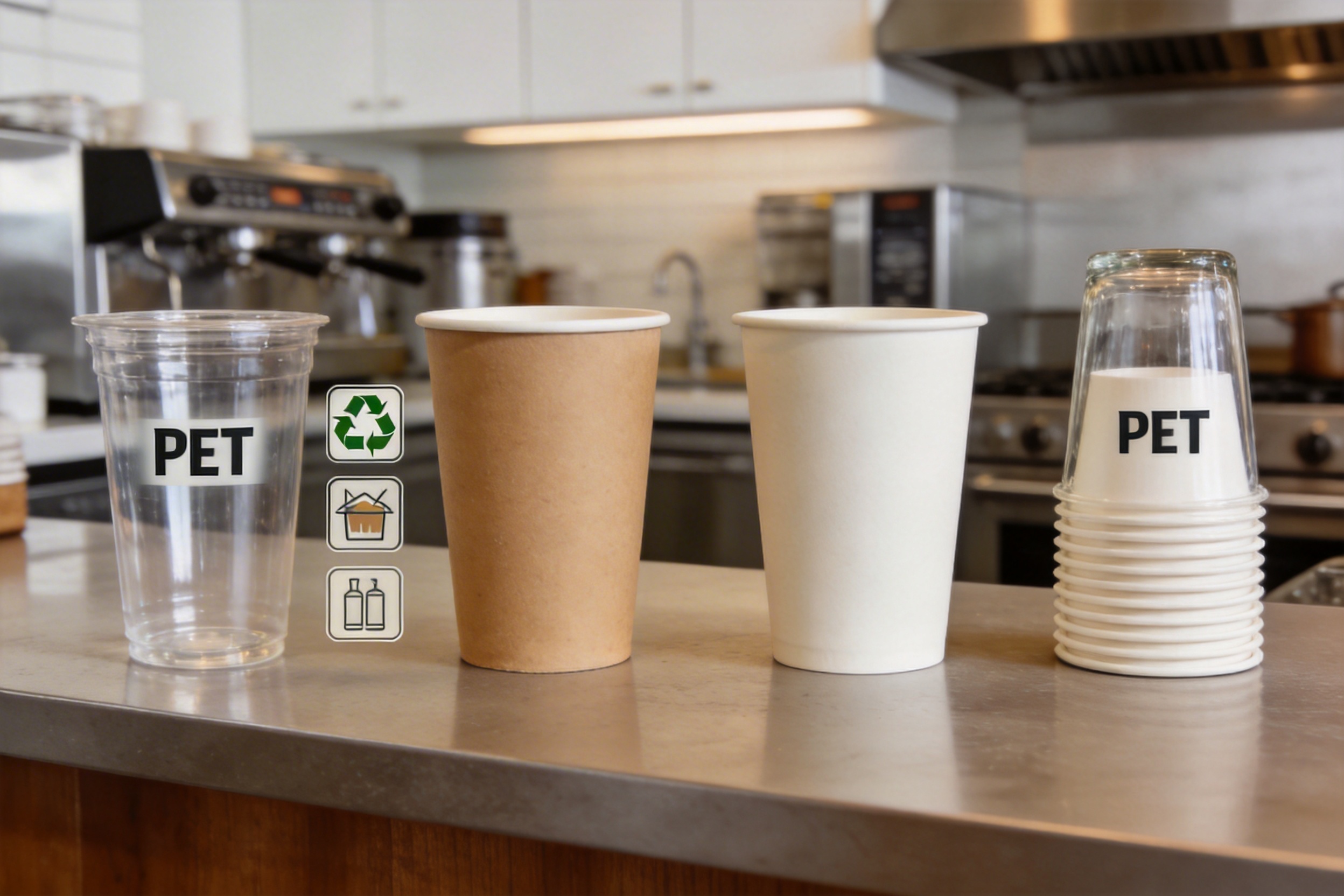
PET cups are renowned for their exceptional functional efficiency, making them ideal for both commercial and consumer use. Their high tensile strength and impact resistance mean they are less likely to crack or leak compared to paper cups (which can become soggy when holding cold drinks for extended periods) or thin PLA cups (which are prone to breaking). This durability reduces product waste for businesses and ensures a better user experience for consumers.
Another key functional advantage is PET’s excellent barrier properties. PET is impermeable to most gases (such as oxygen and carbon dioxide) and liquids, which helps preserve the freshness and flavor of beverages. For example, a PET cup holding carbonated drinks will retain fizz longer than a paper cup, while a cup containing juice will stay fresh without leaking or absorbing moisture. This is a critical benefit for businesses that rely on product quality to retain customers.
PET cups are also stackable, which is a major space-saving advantage for businesses with limited storage. Unlike glass containers, which are heavy and take up significant space, PET cups can be stacked neatly, reducing storage and transportation costs. This efficiency is especially important for large-scale operations like chain restaurants or event planners, who need to manage large volumes of packaging.
1.4 Environmental Adaptability: Moving Toward Circular Economy Solutions
While plastic packaging has faced criticism for its environmental impact, modern PET cups are evolving to address these concerns. PET is one of the most widely recycled plastics globally, with established recycling infrastructure in many countries. Unlike PLA, which requires industrial composting facilities to decompose (and often ends up in landfills where it does not break down), PET can be recycled into new products—such as fiber for clothing, plastic bottles, or even new PET cups—reducing the need for virgin plastic production.
Leading manufacturers are also investing in research to develop biodegradable PET blends. These blends combine PET with plant-based materials (like PLA or cellulose) to create cups that are both recyclable and compostable under certain conditions. This innovation addresses the growing consumer demand for sustainable packaging without sacrificing the functional advantages of PET. In contrast, paper cups often require a plastic lining to prevent leakage, making them difficult to recycle and less environmentally friendly than many consumers realize.
Advanced Manufacturing Processes: The Backbone of Quality PET Cups
The superior quality of modern PET drink cups is not accidental—it is the result of cutting-edge manufacturing processes that prioritize precision, consistency, and sustainability. From raw material sourcing to finished product inspection, every step is designed to ensure that the cups meet the highest standards of safety and performance.
2.1 Raw Material Sourcing: Ensuring Purity and Consistency
The first step in manufacturing high-quality PET cups is sourcing food-grade PET resin. Leading manufacturers partner with reputable suppliers that produce resin compliant with global food safety standards. The resin is tested for purity—free from contaminants like heavy metals, dyes, or recycled materials that do not meet food-grade requirements. This strict sourcing process ensures that the final product is safe for contact with food and beverages.
To further enhance sustainability, many manufacturers are now using recycled PET (rPET) resin in their production. rPET is made from post-consumer PET bottles and containers, reducing the amount of plastic waste in landfills and conserving energy (since recycling PET uses 50% less energy than producing virgin PET). However, rPET must be processed carefully to remove any impurities, ensuring that it meets the same food safety standards as virgin PET.
2.2 Precision Injection Molding: Creating Uniform, High-Quality Cups
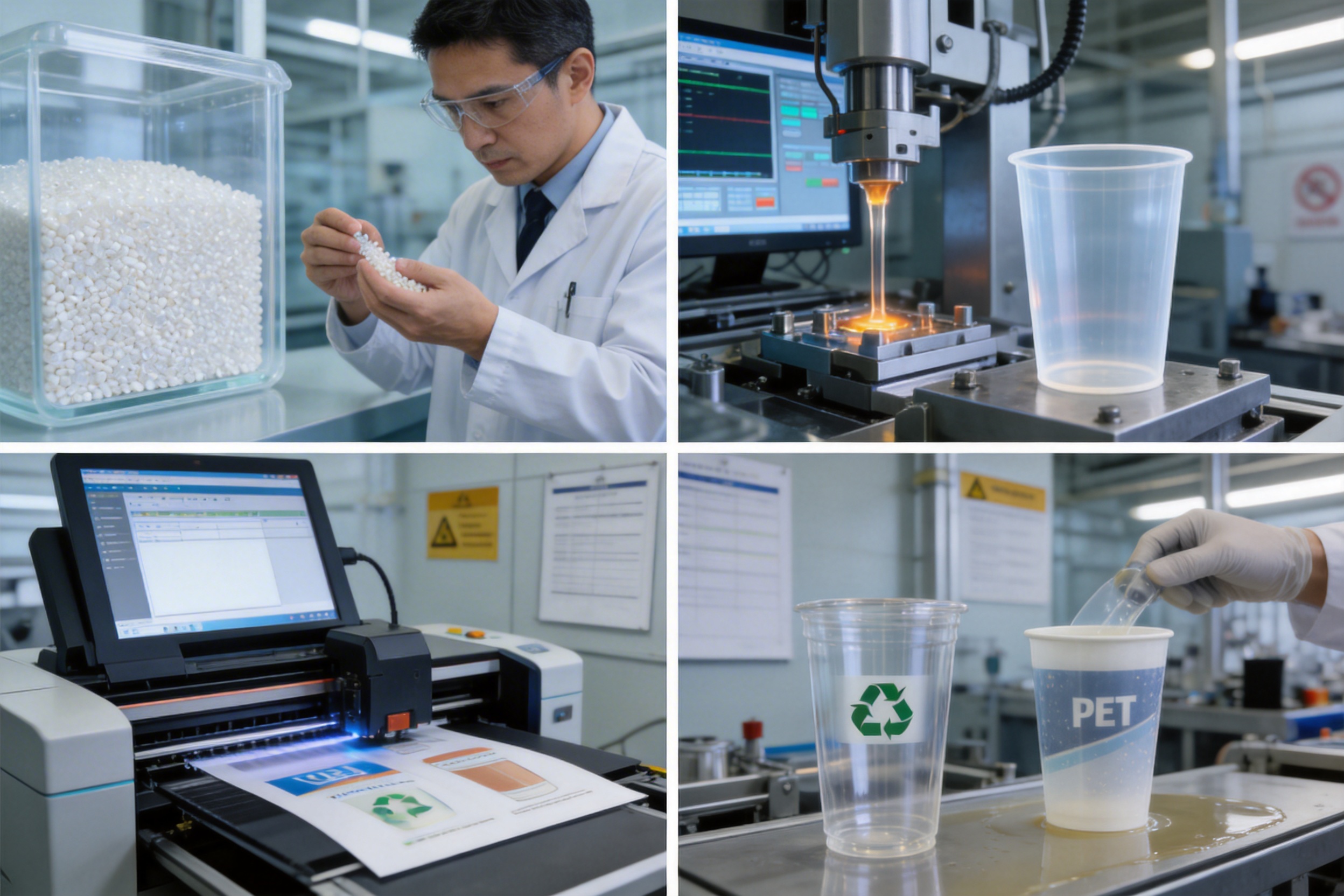
Injection molding is the primary method used to manufacture PET cups, and modern manufacturers use advanced, computer-controlled injection molding machines to produce cups with exceptional precision. The process involves melting PET resin into a liquid state, then injecting it into a mold shaped like a cup. The mold is cooled quickly to solidify the plastic, resulting in a uniform, durable cup.
Advanced injection molding machines offer several key benefits: they can produce cups with consistent wall thickness (ensuring durability and leak resistance), they can handle a wide range of resin types (including rPET and biodegradable blends), and they can be programmed to produce custom shapes and sizes. This level of precision is difficult to achieve with older manufacturing methods, giving PET cup manufacturers a competitive edge over those using outdated equipment.
2.3 Custom Printing & Branding: High-Resolution, Long-Lasting Graphics
After the cups are molded, they undergo a printing process to apply custom designs, logos, and brand messages. Leading manufacturers use either offset printing or digital printing, depending on the order size and design complexity. Offset printing is ideal for large orders, as it produces high-resolution graphics at a lower cost per unit. Digital printing is better for small orders or designs with multiple colors, as it does not require printing plates and allows for quick changes to the design.
To ensure that the print is long-lasting and does not fade or smudge, the cups are often coated with a protective layer after printing. This coating also enhances the clarity of the cup, making the graphics stand out. Unlike paper cups, which may have print that wears off when wet, PET cups retain their printed designs even after prolonged exposure to moisture, ensuring that brand messaging remains visible throughout the product’s lifecycle.
2.4 Rigorous Quality Assurance: From Lab Testing to On-Site Inspection
Quality assurance is a continuous process in PET cup manufacturing, starting with raw material testing and ending with final product inspection. Leading manufacturers have dedicated quality control labs where they test cups for:
- Food safety: Migration testing to ensure no harmful chemicals leach into beverages.
- Durability: Drop tests to check for cracking or breaking.
- Leak resistance: Pressure tests to ensure cups do not leak when filled with liquid.
- Print quality: Visual inspection of graphics for clarity and consistency.
In addition to lab testing, manufacturers conduct on-site inspections at every stage of production. This includes checking the injection molding machines for proper operation, verifying the accuracy of custom designs, and inspecting finished cups for defects. Certifications like ISO 9001 and BRC further validate the effectiveness of these quality assurance processes, giving customers confidence in the product’s reliability.
Company Strengths: Driving Innovation and Customer Satisfaction
The success of PET drink cups in the market is closely tied to the strengths of the manufacturers that produce them. Leading companies in this space combine advanced manufacturing capabilities with a customer-centric approach, R&D innovation, and a commitment to sustainability to deliver products that exceed industry standards.
3.1 R&D Innovation: Pioneering Sustainable and Functional Solutions
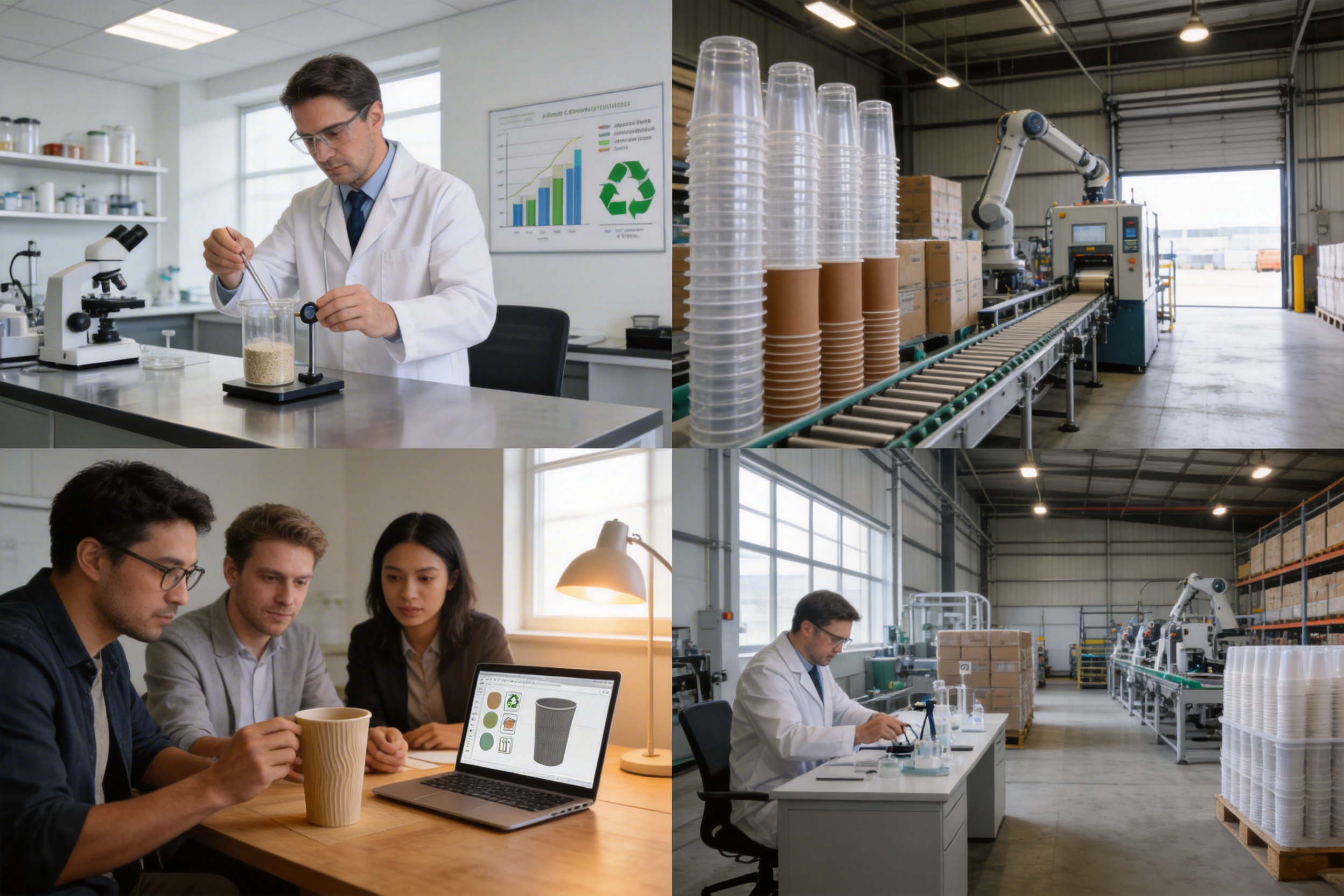
One of the key strengths of top PET cup manufacturers is their investment in research and development (R&D). These companies have dedicated R&D teams that focus on two main areas: improving the sustainability of PET cups and enhancing their functional performance. For example, R&D teams are working to develop biodegradable PET blends that are both recyclable and compostable, addressing the growing demand for eco-friendly packaging. They are also exploring ways to reduce the grammage (weight) of PET cups without sacrificing durability, which reduces material usage and lowers costs for customers.
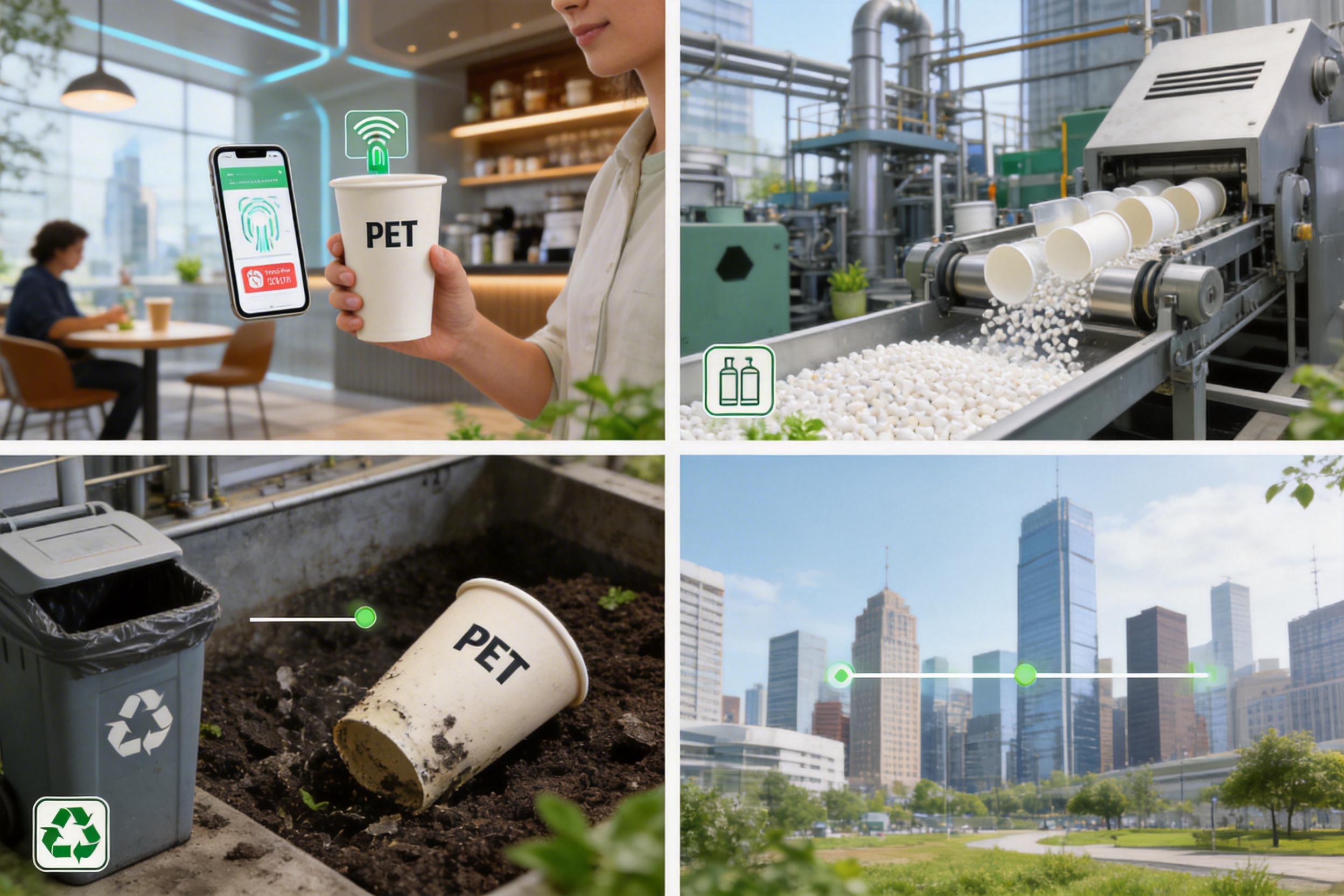
Another area of innovation is smart packaging. Some manufacturers are integrating RFID (Radio-Frequency Identification) tags into PET cups to enable traceability—allowing businesses to track the movement of cups from production to consumption. This can help reduce waste, improve inventory management, and enhance customer engagement (for example, by providing personalized offers via the RFID tag).
3.2 Production Capacity & Scalability: Meeting Global Demand
Top PET cup manufacturers have large production facilities with the capacity to meet the needs of both small businesses and global corporations. For example, a leading manufacturer may have a plant area of 30,000 square meters, equipped with dozens of advanced injection molding machines that can produce millions of cups per day. This scalability allows the company to handle large orders quickly and efficiently, without compromising on quality.
To expand their reach and improve customer service, many manufacturers have established branch offices in key markets. For example, a Chinese manufacturer may have a branch in Shanghai to serve customers in East Asia, and plans to expand to other regions like Europe or North America. This global presence ensures that customers receive timely support and delivery, regardless of their location.
3.3 Customer-Centric Services: OEM/ODM and Personalized Support
Leading PET cup manufacturers prioritize customer satisfaction by offering OEM (Original Equipment Manufacturer) and ODM (Original Design Manufacturer) services. OEM services allow businesses to have cups produced under their own brand name, while ODM services involve the manufacturer designing custom cups based on the customer’s specifications. This flexibility is a major advantage for businesses looking to create unique packaging that aligns with their brand identity.
Additionally, these manufacturers provide personalized support to customers, from the initial design phase to after-sales service. For example, a customer can work with the manufacturer’s design team to create a custom cup design, then receive regular updates on the production process. After delivery, the manufacturer may offer training on how to use the cups effectively, or provide support if any issues arise.
3.4 Sustainability Commitment: Leading the Green Transformation
Top PET cup manufacturers are committed to reducing their environmental footprint and leading the green transformation of the packaging industry. This commitment includes:
- Using recycled PET (rPET) resin in production to reduce virgin plastic usage.
- Investing in energy-efficient manufacturing equipment to lower carbon emissions.
- Partnering with recycling organizations to establish take-back programs for used PET cups.
- Developing biodegradable PET blends that are compostable under industrial conditions.
These initiatives not only benefit the environment but also help manufacturers meet the growing demand for sustainable packaging from consumers and businesses. For example, a coffee shop chain may choose to use PET cups from a manufacturer with a strong sustainability track record to enhance its brand image and attract eco-conscious customers.
Market Trends & Future Outlook: The Evolving Role of PET Cups
The global market for disposable PET drink cups is expected to grow significantly in the coming years, driven by several key trends. According to a report by Grand View Research, the global disposable packaging market is projected to reach $450 billion by 2030, with PET cups accounting for a large share of this growth. Let’s explore the trends shaping the future of PET cups.
4.1 Consumer Demand Shifts: Safety, Personalization, and Sustainability
Consumers are increasingly prioritizing three key factors when choosing disposable drink cups: safety, personalization, and sustainability. Safety is a top concern, with consumers avoiding cups that may leach harmful chemicals. Personalization is also important, as consumers are drawn to unique, branded packaging that reflects their lifestyle. Sustainability is perhaps the most significant trend, with consumers demanding cups that are recyclable, compostable, or made from recycled materials.
PET cups are well-positioned to meet these demands. Their food-grade safety, customizable designs, and growing sustainability features (like rPET and biodegradable blends) make them an ideal choice for consumers and businesses alike. However, manufacturers must continue to innovate to stay ahead of these trends—for example, by developing more efficient recycling technologies or creating cups that are 100% compostable.
4.2 Industry Innovations: Degradable Blends and Smart Packaging
The PET cup industry is constantly innovating to address consumer needs and environmental concerns. One of the most exciting innovations is the development of biodegradable PET blends. These blends combine PET with plant-based materials like PLA or cellulose to create cups that are both recyclable and compostable. For example, a blend of 70% PET and 30% PLA can be recycled in standard PET recycling facilities, but will also decompose in industrial composting environments within a few months.
Another innovation is smart packaging. As mentioned earlier, RFID tags are being integrated into PET cups to enable traceability and personalized marketing. For example, a coffee shop could use RFID tags to track how many cups a customer has purchased, then offer a discount on their next drink. This not only enhances the customer experience but also helps businesses collect valuable data about consumer behavior.
4.3 Competitive Landscape: PET Cups vs. Alternatives
While PET cups face competition from paper cups, PLA cups, and glass containers, they have several advantages that make them the preferred choice for many businesses:
- Cost-effectiveness: PET cups are generally cheaper to produce than glass containers and comparable in cost to paper cups (especially when considering durability and reduced waste).
- Clarity: PET cups are transparent, allowing consumers to see the quality of the beverage inside—an important factor for drinks like juice or iced coffee.
- Durability: PET cups are more durable than paper cups (which become soggy) and PLA cups (which are prone to breaking).
- Customization: PET cups offer more customization options than paper or PLA cups, making them ideal for brand differentiation.
However, PET cups must continue to evolve to compete with newer alternatives. For example, some manufacturers are developing paper cups with plant-based linings that are fully compostable. To stay competitive, PET cup manufacturers must focus on improving their sustainability features and functional performance.
Q&A: Common Questions About Disposable PET Plastic Drink Cups
Below are answers to some of the most frequently asked questions about disposable PET plastic drink cups:
Q1: Are PET cups safe for hot drinks?
A: PET cups are generally safe for warm drinks up to 70°C (158°F). However, they are not recommended for extremely hot beverages (above 70°C) because prolonged exposure to high temperatures can cause the cup to deform or release trace amounts of chemicals. For hot drinks, many manufacturers offer heat-resistant PET variants or alternative materials like polypropylene (PP) cups. Always check the product specifications before using a PET cup for hot beverages.
Q2: Can PET cups be recycled?
A: Yes, PET is one of the most widely recycled plastics globally. Most curbside recycling programs accept PET cups, provided they are clean and free of food residue. Recycled PET (rPET) can be used to produce new PET cups, fiber for clothing, plastic bottles, and other products. However, it’s important to separate PET cups from non-PET components (like paper labels or plastic lids) before recycling, as these can contaminate the recycling process.
Q3: How long does custom printing take?
A: The time required for custom printing depends on the order size and design complexity. For small orders (1,000–5,000 cups), printing can take 3–5 days. For large orders (100,000+ cups), it may take 1–2 weeks. Leading manufacturers offer fast turnaround times for urgent orders, often with additional fees. It’s best to consult with the manufacturer to get an accurate timeline for your specific order.
Q4: What certifications ensure the safety of PET cups?
A: Key certifications that validate PET cup safety include:
- FDA (U.S. Food and Drug Administration): Approves PET for food contact.
- EFSA (European Food Safety Authority): Validates PET safety for food use.
- QS (China’s National Industrial Product Production License): Mandatory for food packaging products in China.
- ISO 9001: Quality management system certification.
- BRC: Global standard for food safety and quality.
- DIN: German safety certification for food contact materials.
Q5: Are there biodegradable PET cup options?
A: Yes, many manufacturers now produce biodegradable PET blends. These blends combine PET with plant-based materials like PLA or cellulose to create cups that are both recyclable and compostable under industrial conditions. However, biodegradable PET cups may not decompose in home composting environments—they require high temperatures and moisture levels found in industrial composting facilities. Always check the product’s composting requirements before disposal.
References
1. Grand View Research. (2023). Global Disposable Packaging Market Report 2023–2030. Retrieved from [Industry Report Database].
2. U.S. Food and Drug Administration (FDA). (2022). Guidelines for PET Plastic in Food Contact Materials. Retrieved from [FDA Website].
3. European Food Safety Authority (EFSA). (2021). Assessment of Polyethylene Terephthalate (PET) in Food Packaging. Retrieved from [EFSA Website].
4. BRC Global Standards. (2022). BRC Packaging and Packaging Materials Standard. Retrieved from [BRC Website].
5. International Organization for Standardization (ISO). (2015). ISO 9001:2015 Quality Management Systems Requirements. Retrieved from [ISO Website].
6. German Institute for Standardization (DIN). (2020). DIN Safety Certification for Food Contact Plastics. Retrieved from [DIN Website].
7. China National Food Safety Standard (GB). (2021). Standard for Food Contact Plastics and Articles. Retrieved from [China FDA Website].