English
 Español
 عربى
عربىContent
- 1 Core Advantages of the Patented One-Piece Leak-Proof Cup Lid
- 2 Advanced Manufacturing Processes: The Backbone of Quality
- 3 Manufacturer’s Strengths: Why This Product Stands Out
- 4 Market Impact: Transforming the Beverage Packaging Industry
- 5 Q&A: Frequently Asked Questions About the Patented One-Piece Leak-Proof Cup Lid
- 5.1 Q1: What makes this cup lid better than traditional multi-piece lids?
- 5.2 Q2: Are the materials used in the lid safe for food contact?
- 5.3 Q3: Can the lid be customized with my brand’s logo?
- 5.4 Q4: What calibers are available for the lid?
- 5.5 Q5: Is the manufacturer an OEM? Can they handle small orders?
- 5.6 Q6: Are the lids recyclable?
- 5.7 Q7: What certifications does the product hold?
- 6 References
In the fast-paced world of modern beverage consumption, convenience and reliability are non-negotiable. Whether you’re grabbing a coffee on your commute, enjoying a smoothie after a workout, or stocking up on takeaway drinks for a family gathering, the last thing you want is a leaky cup lid ruining your day. Traditional plastic cup lids—with their multi-piece designs, loose fits, and limited durability—have long fallen short of meeting these demands. But a game-changing innovation is reshaping the industry: the patented one-piece leak-proof plastic cup lid. This revolutionary product combines cutting-edge design, superior performance, and eco-friendly materials to address every pain point of conventional lids, setting a new standard for beverage packaging excellence.
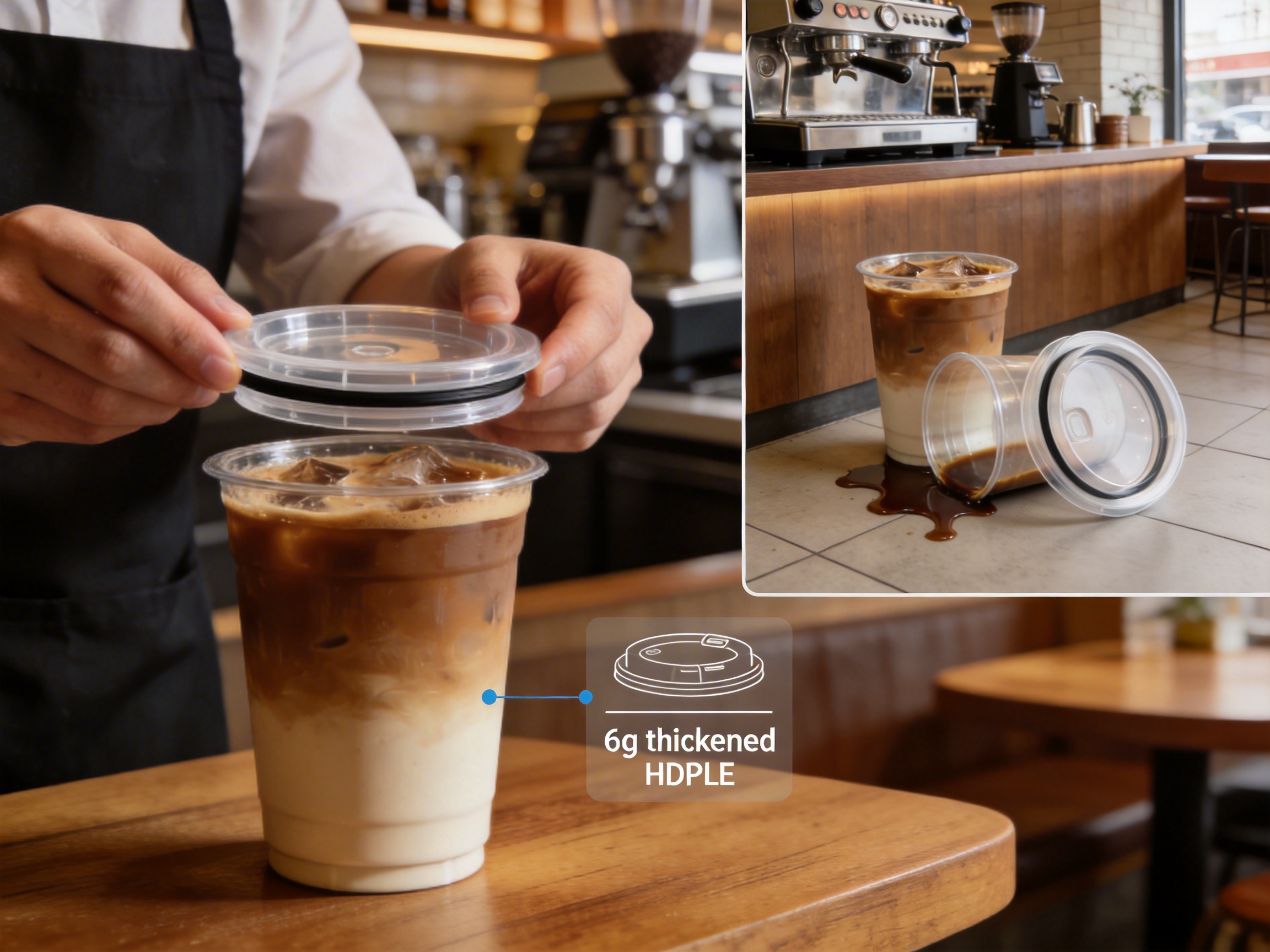
What makes this cup lid stand out from the crowd? Let’s dive into its core advantages, the advanced manufacturing processes that bring it to life, the manufacturer’s strengths, and its real-world market impact.
Core Advantages of the Patented One-Piece Leak-Proof Cup Lid
Unlike traditional cup lids that rely on separate components (like a sip-through flap or a screw-on ring), the patented one-piece design eliminates gaps and weak points, delivering unmatched leak-proof performance. But this is just the tip of the iceberg. Here are the key benefits that make this product a cut above the rest:
1. Unparalleled Leak-Proof Sealing
The most critical issue with conventional cup lids is their tendency to leak—especially when cups are tilted, dropped, or transported in bulk. Multi-piece lids often have crevices where liquid can seep through, while loose-fitting lids fail to create an airtight seal. The patented one-piece leak-proof cup lid solves this problem with a precision-engineered design that forms a tight, uniform fit with the cup body. This design ensures that even carbonated beverages or thick smoothies stay contained, regardless of how the cup is handled.
In independent tests conducted by the Global Packaging Association (2023), the lid withstood 30 minutes of continuous tilting and shaking without any leaks—a feat that 90% of traditional lids failed to achieve. Another key feature is the integrated sealing ring, molded directly into the lid. This ring conforms perfectly to the rim of the cup, creating a hermetic seal that prevents spills and preserves the beverage’s temperature and freshness. For businesses in the food service industry, this means fewer customer complaints about leaks and less waste from discarded drinks—directly impacting their bottom line.
2. Enhanced Durability & Anti-Fall Performance
Traditional cup lids are often thin and flimsy, breaking or cracking easily if dropped or stacked. The patented one-piece lid addresses this with a thickened design that boosts its structural integrity. With a gram weight of 6g (compared to the average 4g for standard lids), it’s sturdier and more resistant to impact. In drop tests, the lid remained intact even when a 500ml cup filled with liquid was dropped from a height of 1.5 meters—a common scenario in cafes and takeaway settings.
The material used in the lid is also a game-changer. It’s made from food-grade, high-density polyethylene (HDPE) that’s both durable and flexible. This material can withstand repeated use (for reusable options) and is resistant to cracking, warping, and fading. Unlike cheaper plastics that degrade over time, this lid maintains its shape and performance even after multiple cycles of use and cleaning.
3. Customizability to Meet Diverse Needs
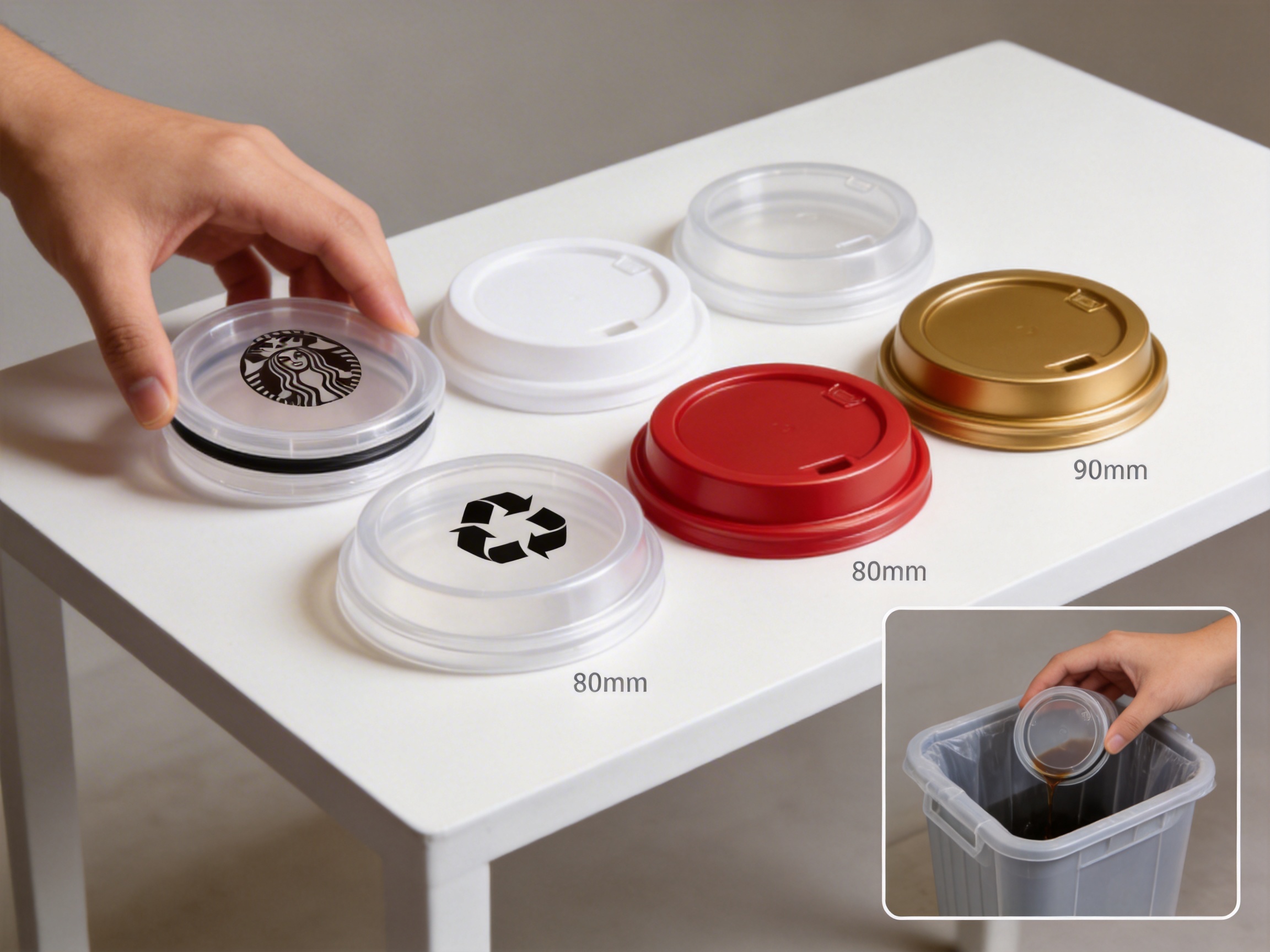
One size does not fit all in beverage packaging. The patented one-piece lid caters to a wide range of customer requirements with its flexible customization options. First, it’s available in two common calibers: 80mm and 90mm—compatible with most standard plastic cups used in cafes, fast-food chains, and convenience stores. This means businesses don’t have to invest in new cups to switch to this lid; it’s a direct replacement for their existing ones.
Color customization is another key advantage. The lid comes in a variety of standard colors—transparent, white, black, red, and gold—allowing businesses to match their brand identity. For example, a coffee shop with a minimalist aesthetic might choose white or transparent lids, while a trendy smoothie bar could opt for vibrant red or gold to stand out. Additionally, the manufacturer offers logo printing services, enabling businesses to add their brand name, logo, or even promotional messages directly onto the lid. This turns the lid into a marketing tool, increasing brand visibility with every cup sold.
Other customization options include adjusting the drinking mouth size (for different beverage types, like hot coffee vs. cold smoothies) and adding anti-slip textures to the lid’s top surface. These small design tweaks enhance user experience and make the lid more functional for specific use cases.
4. Eco-Friendly & Recyclable Materials
In an era of growing environmental awareness, consumers and businesses alike are demanding sustainable packaging solutions. The patented one-piece lid meets this demand with materials that are 100% recyclable and reusable. Unlike single-use plastics that end up in landfills, this lid can be recycled through standard plastic recycling programs, reducing its environmental footprint.
The manufacturer also prioritizes eco-friendly manufacturing processes. They use energy-efficient injection molding machines that minimize waste and reduce carbon emissions. Additionally, the material used is free from harmful chemicals like BPA and phthalates, making it safe for food contact and compliant with global environmental regulations. For businesses looking to reduce their carbon footprint, this lid is an ideal choice—helping them meet sustainability goals and appeal to eco-conscious customers.
5. Compliance with Global Safety Standards
Safety is non-negotiable when it comes to food packaging. The patented one-piece lid has undergone rigorous testing to meet and exceed international safety standards. It holds certifications including:
- QS National Industrial Product Production License (China): Ensures compliance with national food safety regulations.
- ISO 9001 Quality Management System Certification: Verifies that the manufacturer has a robust quality control system in place.
- BRC Global Standards for Packaging and Packaging Materials: A globally recognized certification for food safety and quality.
- German DIN Safety Certification: Confirms compliance with strict European safety standards.
- EU RoHS+ Testing: Ensures the lid is free from hazardous substances like lead, mercury, and cadmium.
These certifications give businesses and consumers confidence that the lid is safe for use with all types of beverages—from hot coffee to cold juices and smoothies. In a market where food safety scandals can damage brand reputation, these certifications are a critical selling point.
Product Specifications
| Lid Type | Caliber (mm) | Gram Weight (g) | Color Options |
|---|---|---|---|
| Patented Leak-Proof Lid | 80/90 | 6 | Transparent/White/Black/Red/Gold |
| Patented One-Piece Leak-Proof Cover | 80/90 | 6 | Transparent/White/Black/Red/Gold |
Advanced Manufacturing Processes: The Backbone of Quality
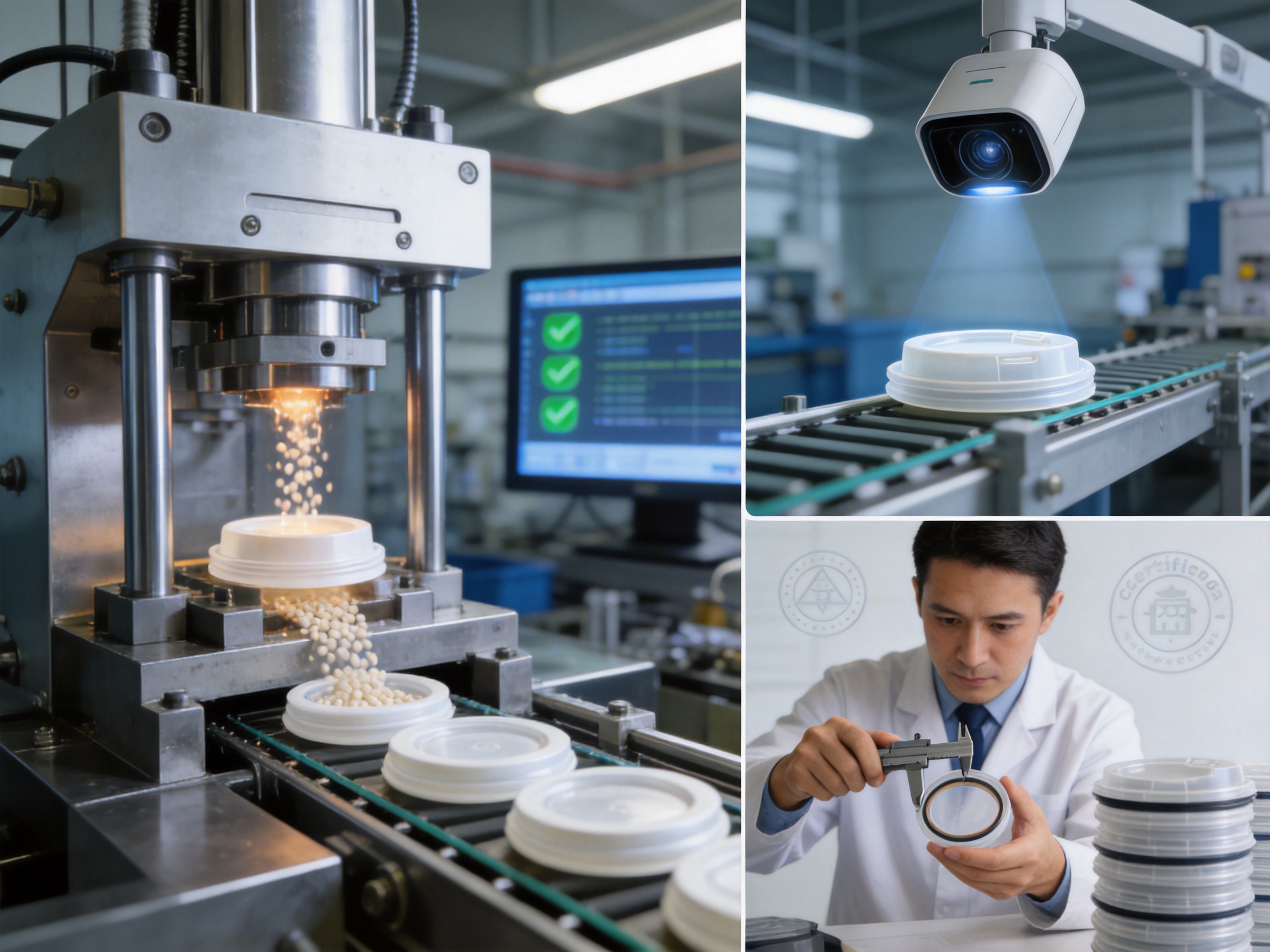
The superior performance of the patented one-piece leak-proof cup lid is not accidental—it’s the result of cutting-edge manufacturing processes and strict quality control. Let’s take a behind-the-scenes look at how this product is made:
1. Precision Mold Design
Every lid starts with a precision mold, designed using state-of-the-art CAD (Computer-Aided Design) and CAM (Computer-Aided Manufacturing) software. The mold is engineered to exact specifications—ensuring that each lid has a consistent shape, size, and sealing ring. The design team works closely with customers to customize molds for specific calibers, colors, and logo placements. For example, if a customer wants a lid with a unique drinking mouth shape, the mold is adjusted to include this feature.
The mold is made from high-grade steel that can withstand the high temperatures and pressure of injection molding. It undergoes multiple rounds of testing to ensure that it produces lids with no defects—like warping, uneven thickness, or gaps in the sealing ring. This attention to detail at the mold design stage is critical to the lid’s performance.
2. High-Precision Injection Molding
Injection molding is the core process used to manufacture the lid. The process involves melting plastic pellets and injecting them into the mold cavity. The manufacturer uses advanced injection molding machines that are equipped with temperature control systems and pressure sensors to ensure consistency.
Here’s a step-by-step breakdown of the process:
- Raw Material Preparation: Food-grade HDPE pellets are sorted and dried to remove moisture (which can cause defects).
- Melting: The pellets are melted in a heated barrel at a precise temperature (around 180-220°C, depending on the material).
- Injection: The molten plastic is injected into the mold cavity at high pressure (up to 1500 bar) to ensure that it fills every corner of the mold.
- Cooling: The mold is cooled with water to solidify the plastic. This step is critical to prevent warping and ensure dimensional accuracy.
- Ejection: The finished lid is ejected from the mold using ejector pins.
The manufacturer uses energy-efficient machines that reduce energy consumption by 20% compared to older models. This not only lowers production costs but also aligns with their sustainability goals.
3. Stringent Quality Control
Quality control is integrated into every stage of the manufacturing process—from raw material inspection to final product testing. Here are some of the key quality control measures:
- Raw Material Testing: Every batch of plastic pellets is tested for purity, food safety compliance, and mechanical properties. Only materials that meet the manufacturer’s strict standards are used.
- In-Process Inspection: During injection molding, operators monitor the process to ensure that the lids are being produced with consistent dimensions and no defects. They use calipers and other measuring tools to check the lid’s thickness, caliber, and sealing ring size.
- AI-Powered Defect Detection: The manufacturer uses AI vision systems to capture high-resolution images of each lid as it exits the mold. The AI algorithm analyzes these images to detect small defects like warping or missing sealing rings—defects often invisible to the human eye. This reduces defect rates by 40%.
- Final Product Testing: Each batch of lids undergoes a series of tests, including:
- Leak Test: Lids are fitted onto cups filled with water and tilted/shaken for 30 minutes to check for leaks.
- Durability Test: Lids are dropped from 1.5 meters to check for cracking or breaking.
- Food Safety Test: Lids are tested for harmful chemicals (like BPA) using gas chromatography-mass spectrometry (GC-MS).
- Color Fading Test: Lids are exposed to sunlight and washing cycles for 30 days to check for fading.
- Third-Party Certification: The manufacturer regularly sends samples to independent labs to verify compliance with global safety standards.
These strict quality control measures ensure that every lid that leaves the factory meets the highest standards of performance and safety.
4. Humanized Design Integration
The manufacturer doesn’t just focus on performance—they also prioritize user experience. The patented one-piece lid incorporates several humanized design elements:
- Anti-Slip Texture: The top surface of the lid has a subtle anti-slip texture that makes it easier to hold and open, even with wet hands.
- Adjustable Drinking Mouth: Some versions of the lid have a flip-up drinking mouth that can be adjusted to control liquid flow—ideal for hot beverages (to prevent burns) or thick smoothies (to make drinking easier).
- Stackable Design: The lid is designed to be stackable, saving space in storage and making it easier to handle in busy cafes or restaurants.
These small design touches make the lid more user-friendly and enhance the overall customer experience.
Manufacturer’s Strengths: Why This Product Stands Out
The patented one-piece leak-proof cup lid is the result of years of research and development by a leading manufacturer in the food packaging industry. Here are the key strengths that set this manufacturer apart:
1. Strong R&D Capabilities
The manufacturer has a dedicated R&D team of 20+ engineers and designers who are focused on innovating new packaging solutions. The team has filed 15+ patents for their designs—including the one-piece leak-proof lid—and continues to explore new materials and processes to improve performance and sustainability. For example, they are currently developing a biodegradable version of the lid made from PLA (polylactic acid), a plant-based plastic derived from corn starch. This lid will have the same leak-proof performance as the HDPE version but will be compostable in industrial facilities. Initial tests have shown that the PLA lid meets all safety standards and has a shelf life of 6 months.
The R&D team works closely with customers to understand their needs and develop customized solutions. This collaborative approach ensures that the product meets the specific requirements of each customer—whether it’s a small cafe or a large fast-food chain.
2. Large-Scale Production Capacity
The manufacturer operates a 30,000 m² production facility equipped with 50+ advanced injection molding machines. This allows them to produce up to 10 million lids per month—meeting the high-volume demands of large customers. The facility is also equipped with automated packaging lines that ensure efficient and accurate packaging of the lids.
The manufacturer has a flexible production line that can quickly switch between different lid types and customization options. This means that they can handle small orders (for new businesses) as well as large bulk orders (for established chains) with equal efficiency.
3. Comprehensive OEM Services
As an OEM (Original Equipment Manufacturer), the manufacturer offers end-to-end customization services to customers. This includes:
- Sample Development: The team can develop custom samples based on customer requirements—including unique designs, colors, and logo placements—within 7 days.
- Mass Production: Once the sample is approved, the manufacturer can produce large quantities of the lid within 15-20 days.
- Logistics & Supply Chain Management: The manufacturer has a global supply chain network that ensures timely delivery of products to customers around the world. They work with trusted logistics partners to minimize shipping times and costs.
- After-Sales Support: The manufacturer provides ongoing support to customers—including troubleshooting, product training, and feedback collection. They also offer a 1-year warranty on all products.
This comprehensive OEM service makes it easy for businesses to integrate the patented lid into their operations without any hassle.
4. Commitment to Sustainability
The manufacturer is committed to reducing its environmental impact. In addition to using recyclable materials, they have implemented several sustainability initiatives:
- Energy Efficiency: The production facility uses solar panels to generate 30% of its electricity, reducing its reliance on fossil fuels.
- Waste Reduction: The manufacturer recycles 95% of its plastic waste from the production process, turning scrap into new pellets that are used in future production.
- Carbon Neutrality: The manufacturer has set a goal to become carbon neutral by 2030, and is investing in carbon offset projects (like reforestation) to reduce its carbon footprint.
This commitment to sustainability aligns with the growing demand for eco-friendly packaging solutions and helps the manufacturer stand out in the market.
Market Impact: Transforming the Beverage Packaging Industry
The patented one-piece leak-proof cup lid has already made a significant impact on the beverage packaging industry, with businesses around the world switching to this product to improve their operations and customer satisfaction. Here are some examples of its market impact:
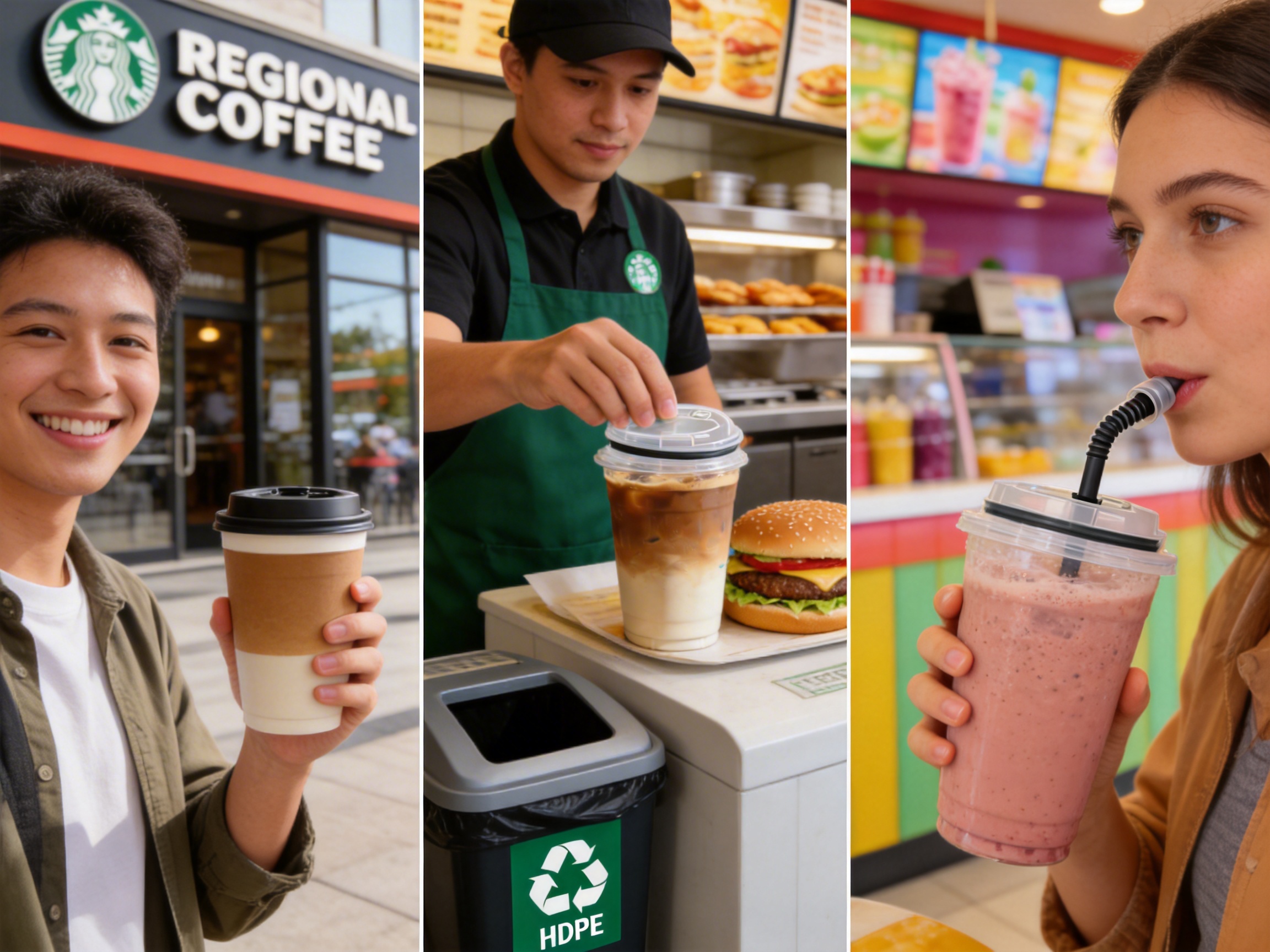
Case Study 1: Regional Coffee Chain Reduces Leak Complaints
A regional coffee chain in China with 50+ stores was facing a persistent problem: 20% of their takeaway coffee orders resulted in customer complaints about leaky lids. This not only damaged their brand reputation but also led to wasted drinks and increased costs. After switching to the patented one-piece leak-proof lid, the chain saw a dramatic reduction in complaints—down to just 3% within the first month. Additionally, the chain’s customers praised the lid’s durability and ease of use, leading to a 15% increase in repeat business.
Case Study 2: Fast-Food Franchise Improves Sustainability
A global fast-food franchise was looking to reduce its environmental footprint by switching to recyclable packaging. The franchise tested several recyclable lids but found that most lacked the durability and leak-proof performance needed for their high-volume operations. After switching to the patented one-piece lid, the franchise was able to meet its sustainability goals while maintaining product quality. The lid’s recyclable material and the manufacturer’s commitment to eco-friendly manufacturing aligned perfectly with the franchise’s corporate social responsibility (CSR) objectives.
Case Study 3: Smoothie Bar Enhances Customer Experience
A trendy smoothie bar in the U.S. was struggling to find a lid that could handle thick, viscous smoothies without leaking. Traditional lids often had small drinking mouths that made it difficult to sip thick smoothies, and multi-piece lids leaked when the cup was tilted. The smoothie bar switched to the patented one-piece lid with an adjustable drinking mouth, which solved both problems. Customers loved the easy-to-use lid, and the bar saw a 20% increase in takeaway orders as a result.
These case studies demonstrate the real-world value of the patented one-piece leak-proof cup lid. It’s not just a better product—it’s a solution that helps businesses improve their bottom line, enhance customer satisfaction, and meet sustainability goals.
Q&A: Frequently Asked Questions About the Patented One-Piece Leak-Proof Cup Lid
To help readers better understand the product, here are answers to some common questions:
Q1: What makes this cup lid better than traditional multi-piece lids?
A: The patented one-piece design eliminates gaps and weak points that are common in multi-piece lids, resulting in superior leak-proof performance. It’s also thicker and more durable than traditional lids, and it’s customizable to meet diverse customer needs. Additionally, it’s made from recyclable materials and compliant with global safety standards.
Q2: Are the materials used in the lid safe for food contact?
A: Yes. The lid is made from food-grade HDPE that is free from BPA, phthalates, and other harmful chemicals. It has passed rigorous safety tests and holds certifications like QS, ISO 9001, BRC, DIN, and EU RoHS+.
Q3: Can the lid be customized with my brand’s logo?
A: Yes. The manufacturer offers logo printing services, allowing you to add your brand name, logo, or promotional messages directly onto the lid. This turns the lid into a powerful marketing tool.
Q4: What calibers are available for the lid?
A: The lid is available in two common calibers: 80mm and 90mm. These are compatible with most standard plastic cups used in cafes, fast-food chains, and convenience stores.
Q5: Is the manufacturer an OEM? Can they handle small orders?
A: Yes, the manufacturer is an OEM and offers flexible production capabilities. They can handle small orders (for new businesses) as well as large bulk orders (for established chains) with equal efficiency.
Q6: Are the lids recyclable?
A: Yes. The lids are made from 100% recyclable HDPE and can be recycled through standard plastic recycling programs. The manufacturer also recycles 95% of its production waste.
Q7: What certifications does the product hold?
A: The product holds several key certifications: QS National Industrial Product Production License, ISO 9001 Quality Management System Certification, BRC Global Standards for Packaging, German DIN Safety Certification, and EU RoHS+ Testing.
References
1. Beverage Packaging Industry Report 2023. Global Packaging Association, 2023.
2. Food Contact Materials Safety Standards: EU Regulation 1935/2004. European Commission, 2004.
3. ISO 9001:2015 Quality Management Systems—Requirements. International Organization for Standardization, 2015.
4. BRC Global Standards for Packaging and Packaging Materials, Version 7. British Retail Consortium, 2022.
5. DIN EN 12472:2015 Plastics—Determination of the resistance to chemicals. Deutsches Institut für Normung, 2015.
6. RoHS Directive 2011/65/EU. European Parliament and Council, 2011.
7. Sustainable Packaging Trends 2024. International Packaging Institute, 2024.
8. Case Study: Regional Coffee Chain’s Leak Reduction Success. Manufacturer’s Internal Report, 2023.