English
 Español
 عربى
Content
- 1 Understanding PP Injection-Molded Cups
- 2 Key Product Specifications
- 3 Food-Grade Polypropylene Material
- 4 Advantages Compared with Competing Beverage Containers
- 5 Application Areas
- 6 Manufacturing Process and Quality Control
- 7 Company Manufacturing Strengths
- 8 Customization and Brand Development
- 9 Why Factory-Direct Supply Matters
- 10 Quality and Compliance Considerations
- 11 Environmental and Resource Considerations
- 12 Practical Selection Guide for Buyers
- 13 Commercial Value for Beverage Brands
- 14 Recommended Order and Development Process
- 15 Frequently Asked Questions
- 15.1 What are PP injection-molded cups made from?
- 15.2 Can the cups be used for hot beverages?
- 15.3 What sizes are available?
- 15.4 Are the cups suitable for takeaway beverage shops?
- 15.5 Can the cups be customized?
- 15.6 Do the cups fit all 90-millimeter lids?
- 15.7 Are PP injection-molded cups recyclable?
- 15.8 What certifications are associated with the manufacturer?
- 15.9 How should the cups be tested before mass purchase?
- 15.10 What information should be included in an inquiry?
- 16 Conclusion
- 17 References
- 18 Product: PP injection cup
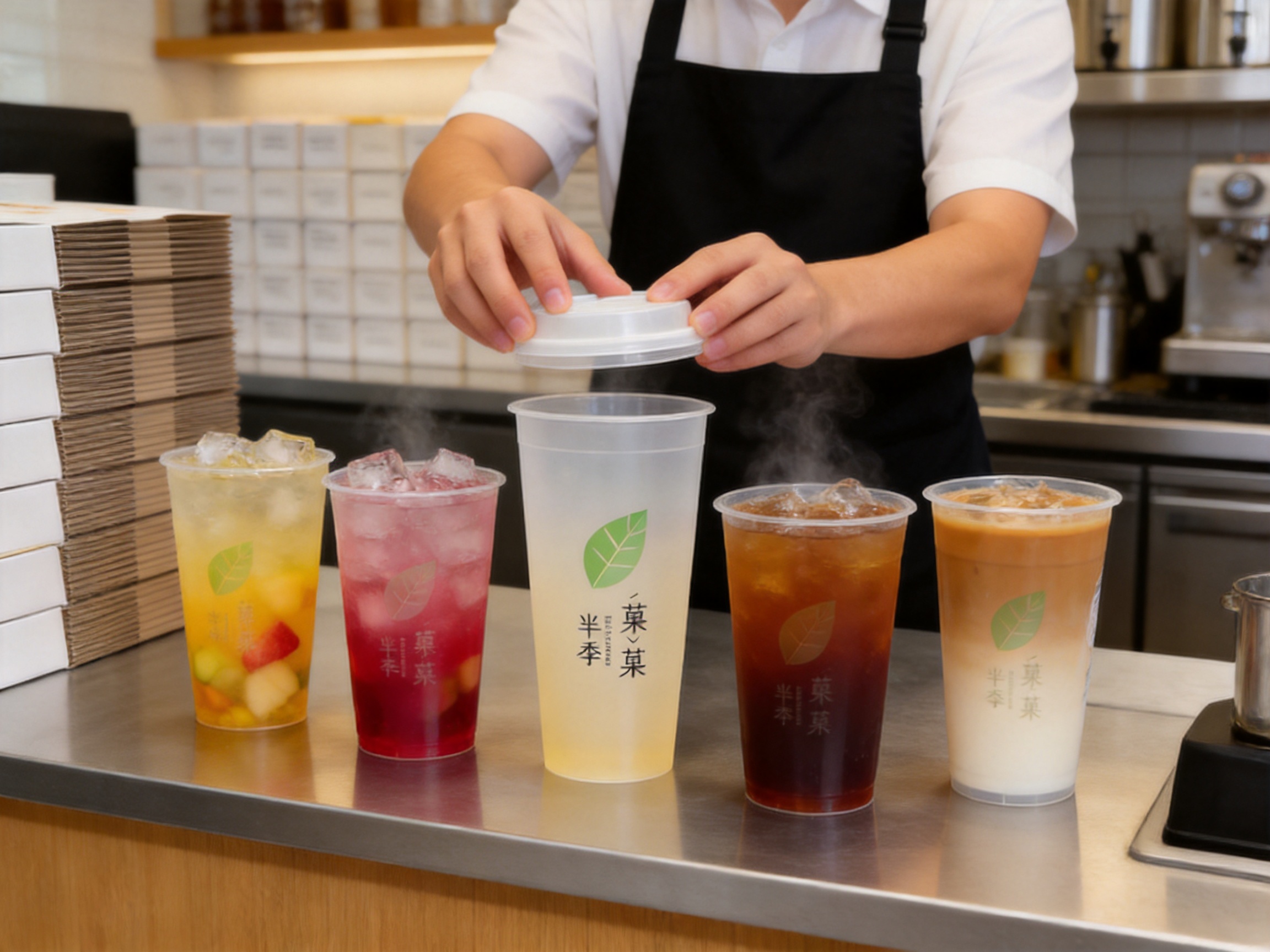
PP injection-molded cups have become an important packaging solution for beverage shops, coffee shops, milk tea stores, takeaway businesses, catering operators, and household occasions. Their popularity comes from a practical combination of heat resistance, impact strength, lightweight construction, clean appearance, and opportunities for brand customization. Compared with fragile glass, easily deformed thin packaging, or heavier traditional containers, polypropylene cups provide a balanced solution for businesses that need dependable performance in fast-moving beverage service.
This article examines the design, material characteristics, manufacturing strengths, customization possibilities, and commercial value of PP injection-molded cups. It also explains how a professional packaging manufacturer can support large-volume purchasing, consistent quality, product development, and brand presentation. The focus is on the PP injection cup supplied by Yuqian Packaging Technology (Jiangsu) Co., Ltd., a Chinese manufacturer of food packaging materials and products.
Understanding PP Injection-Molded Cups
PP injection-molded cups are disposable or semi-disposable beverage containers manufactured from polypropylene, commonly abbreviated as PP. Polypropylene is a thermoplastic material widely used in food packaging because it combines low density with useful rigidity, toughness, and resistance to moderate heat. In the injection molding process, PP material is heated until it reaches a flowable state and is then injected into a precision mold. After cooling, the formed cup is removed and prepared for inspection, packing, and shipment.
The injection molding method allows manufacturers to produce cups with defined dimensions, consistent wall structures, smooth surfaces, and repeatable shapes. It is particularly suitable for high-volume production because one mold can be used repeatedly to make large quantities of products with similar appearance and performance. This consistency is important for beverage chains and foodservice operators that need cups to fit matching lids, maintain a uniform presentation, and perform reliably during filling, sealing, transport, and consumption.
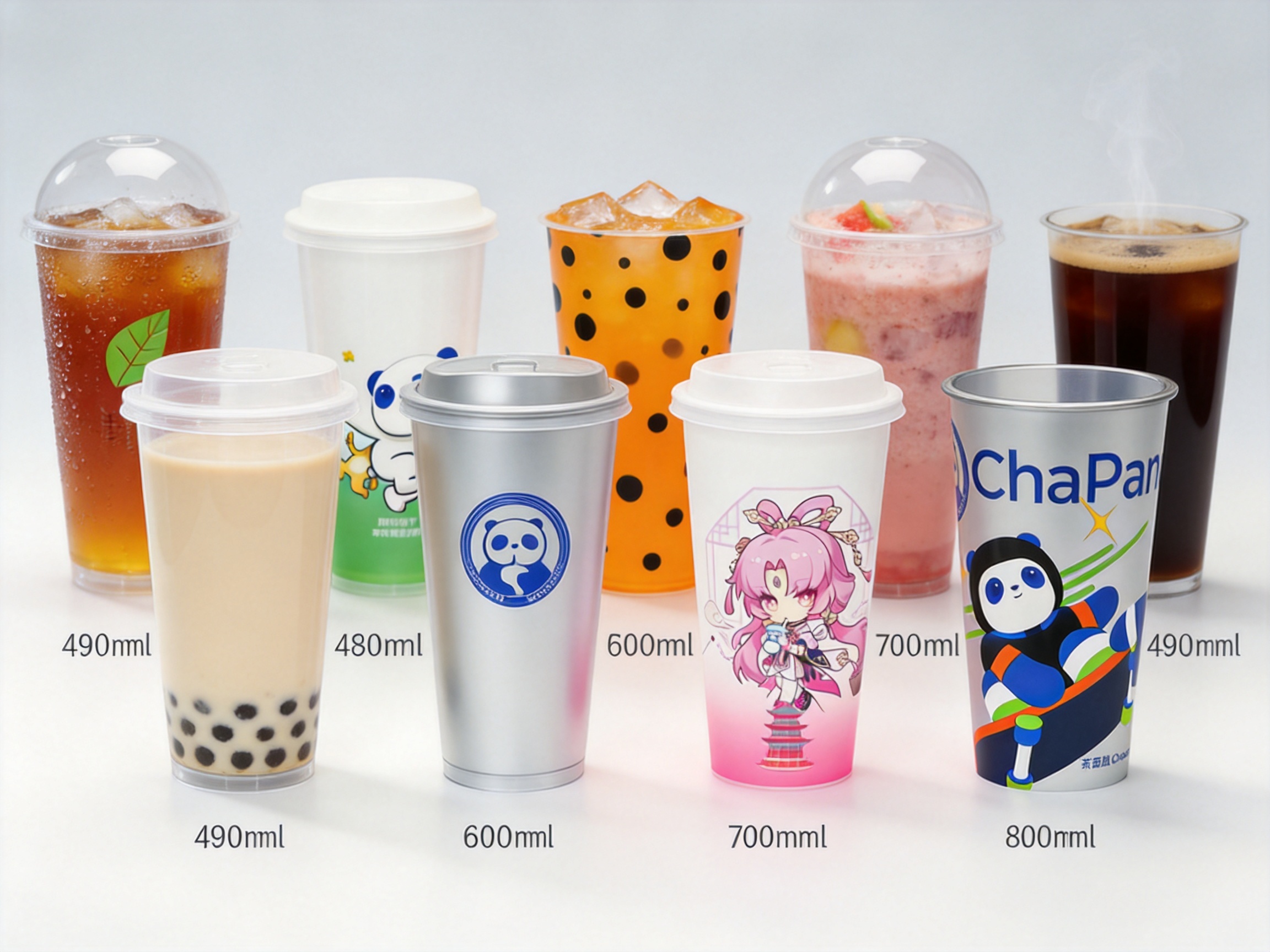
The product range described for this PP injection cup includes capacities from approximately 490 milliliters to 700 milliliters. These sizes are suitable for many popular beverage formats, including iced tea, fruit drinks, milk tea, coffee beverages, smoothies, juices, soft drinks, and other takeaway refreshments. The listed mouth diameter is generally 90 millimeters, which can support compatibility with appropriately matched lids and accessories.
Unlike packaging that depends only on thin walls and low material usage, an injection-molded PP cup can be engineered for a useful balance between weight and structural performance. Its design can provide sufficient stiffness for daily handling while retaining the toughness required for takeaway distribution. This balance helps reduce the risk of cracking, crushing, or sudden failure under ordinary use.
Key Product Specifications
The available cup specifications provide several volume and dimensional options. Different models vary in height, bottom diameter, and grammage, allowing buyers to select an appropriate design for their beverage menu, filling volume, visual proportions, and packaging system.
| Model or Volume | Approximate Mouth Diameter | Height | Bottom Diameter | Grammage |
|---|---|---|---|---|
| 500 ml | 90 mm | 135 mm | 57 mm | 17 g |
| 700 ml | 90 mm | 179 mm | 56 mm | 24.5 g |
| 520 ml | 90 mm | 156 mm | 52 mm | 18 g |
| 600B | 90 mm | 174 mm | 54 mm | 22 g |
| 490 ml | 90 mm | 148 mm | 50 mm | 16.5 g |
| 600 ml | 90 mm | 180 mm | 50 mm | 21 g |
| 500 ml | 90 mm | 136 mm | 58 mm | 18 g |
| 700 ml | 90 mm | 178 mm | 56 mm | 22–24 g |
Dimensions and grammage may vary according to the selected mold, product design, production requirements, and customization program. Buyers should confirm final technical drawings, tolerances, material specifications, lid compatibility, packing details, and sampling requirements before placing a production order.
The approximately 90-millimeter mouth format is useful for beverage businesses that want a broad opening for ice, fruit pieces, toppings, tapioca pearls, whipped cream, or other beverage additions. It can also support a comfortable drinking experience when used with a compatible flat lid, dome lid, straw lid, or other closure system.
Food-Grade Polypropylene Material
The primary material advantage of the cup is its use of new food-grade PP. According to the supplied product information, the material is selected for its non-toxic, odorless, lightweight, and food-contact suitability. New material can provide a clean and consistent appearance and is appropriate for businesses that place strong emphasis on consumer safety and product reliability.
Polypropylene is naturally lightweight, which helps reduce the handling burden for employees and customers. A lighter container can also help improve storage efficiency and reduce the amount of packaging weight moved through distribution channels. For takeaway businesses, this is valuable because cups are often transported in large cartons, filled at high speed, carried by delivery personnel, and handled by consumers in busy environments.
Another important feature of PP is its balance of toughness and rigidity. The cup is designed to resist ordinary impact and handling stress without becoming excessively heavy. It can remain stable during filling, lid application, carrying, and placement in delivery bags. This is especially useful for beverage shops that need packaging to perform consistently during peak operating periods.
The product information states that the cups are suitable for temperatures from 0 to 95°C. This range supports both cold and hot beverage applications when the cup is used according to the confirmed product specification. The temperature capability makes the same general packaging platform useful across different seasons and beverage categories. Cold drinks, warm tea, coffee, and other beverages can be served in a suitable PP format, subject to the specific product design and safe handling procedures of the user.
Temperature resistance does not mean that every application is automatically suitable. Buyers should verify the exact use conditions, contact time, filling temperature, lid performance, transportation environment, and relevant regulatory requirements. The stated range should be treated as a product guideline rather than a substitute for application testing. For extremely hot liquids, pressure-generating contents, microwave use, or commercial sterilization, separate technical evaluation is recommended.
Advantages Compared with Competing Beverage Containers
Lightweight Handling
PP injection-molded cups are lighter than many reusable or rigid alternatives. Their low weight makes them convenient for takeaway service and helps employees organize cups quickly during busy periods. Customers can carry a filled beverage with less effort, while delivery operators can transport multiple orders more efficiently.
Resistance to Breakage
Compared with glass, PP cups are less likely to shatter when dropped during normal handling. This reduces the risk of sharp fragments in service areas and delivery packaging. The cup’s toughness also helps it withstand the minor impacts that can occur when products are stacked, moved, or placed into a takeaway bag.
Balanced Rigidity
A container that is too soft may collapse when held, while a container that is excessively rigid may require more material and increase weight. Injection-molded PP allows the design to achieve a useful balance. The listed products are described as having good stiffness and resistance to deformation, which can help preserve the cup’s shape while it contains a beverage.
Hot and Cold Versatility
Many beverage businesses offer both chilled and warm products. A PP cup designed for a temperature range of 0–95°C can support a broader menu than packaging intended only for cold drinks. This versatility may simplify purchasing and inventory management, although the user should select the correct model and confirm the application before regular use.
Clean and Modern Appearance
The product is described as having simple lines and an attractive, elegant appearance. Smooth, well-defined cup geometry can improve the perceived quality of a beverage brand. A clean cup profile also provides a suitable base for color selection, printed decoration, labels, or in-mold labeling.
Reduced Operational Risk
For takeaway operators, packaging failures can lead to leaks, customer complaints, product replacement, and damage to brand reputation. A cup that combines toughness, stiffness, and suitable temperature performance can help reduce these risks. Packaging cannot eliminate every possible failure, but well-designed PP containers provide a strong foundation for dependable daily service.
Application Areas
PP injection-molded cups are suitable for a broad range of foodservice and beverage applications. Coffee shops can use them for iced coffee, warm coffee drinks, milk-based beverages, and seasonal products. Milk tea stores can use them for tea, fruit tea, pearl milk tea, and other drinks containing ice or toppings. Juice bars and smoothie shops can select larger volumes for fruit-based beverages, blended drinks, and cold refreshments.
Takeaway restaurants and catering businesses may use these cups when beverages are included with meals. Convenience stores and institutional foodservice operations can also benefit from a standard cup range that supports multiple menu categories. The cups may be useful for events, family gatherings, temporary food stalls, offices, and promotional beverage distribution, provided that the selected product is appropriate for the intended application.
The broad mouth design of many models is especially relevant to beverages served with ice or solid ingredients. A wider opening can simplify filling and improve visibility of the drink’s color, layers, fruit pieces, toppings, or decorative elements. It can also make it easier to use a compatible straw or spoon straw.
For businesses that rely on delivery, packaging performance is particularly important. Filled cups may be placed in carriers, stacked with other food products, moved by vehicle, and handled by several people before reaching the consumer. A lightweight cup with good toughness and stiffness can help maintain the presentation of the drink through this process.

PP injection cup
Manufacturing Process and Quality Control
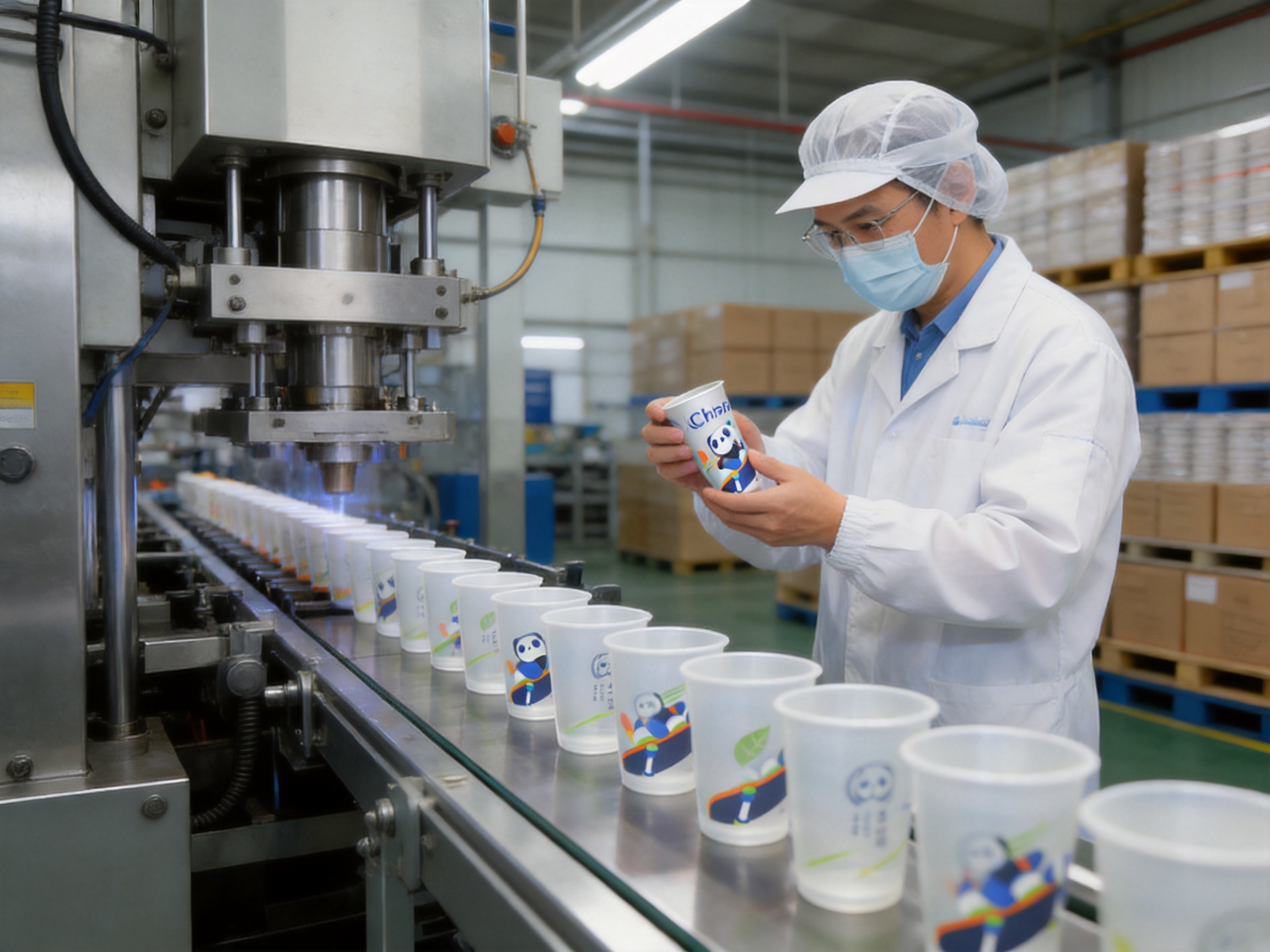
The performance of an injection-molded cup depends not only on the raw material but also on mold engineering, machine settings, process control, inspection, and packaging. A professional manufacturer must coordinate these stages to produce cups with consistent dimensions and reliable appearance.
Material Preparation
Production begins with the selection and preparation of polypropylene resin. The manufacturer must identify the required material grade, color requirements, food-contact suitability, and processing characteristics. New food-grade PP is used for the product described in the supplied information. Material handling should be controlled to avoid contamination and to maintain stable processing conditions.
When customized colors are required, approved colorants or masterbatch systems can be incorporated according to the specified design. Color consistency is important for brand identity, especially when a customer operates multiple stores and expects packaging to look uniform across locations. The final color should be confirmed through approved samples or a color reference before mass production.
Mold Engineering
The mold determines the cup’s fundamental shape, dimensions, wall structure, rim design, base geometry, and surface details. A well-designed mold helps maintain repeatability and supports efficient high-volume production. The mold must also work with the selected PP grade and the intended injection molding cycle.
Important mold considerations include the cup’s mouth diameter, height, bottom diameter, taper, stacking function, rim strength, demolding performance, and compatibility with matching lids. The mold may also include features that support decorative effects or in-mold labeling. Engineering decisions at this stage influence not only appearance but also material distribution, stability, and production efficiency.
Injection Molding
During injection molding, PP pellets are heated and plasticized inside the molding machine. The molten material is injected into the closed mold under controlled pressure. The cavity fills according to the designed flow path, and the material takes the shape of the cup. Cooling then solidifies the product before the mold opens and the cup is removed.
Process parameters such as temperature, injection speed, pressure, holding time, cooling time, and cycle timing must be controlled carefully. If these settings are not balanced, the cup may show defects such as uneven walls, incomplete filling, warping, sink marks, flow lines, excessive flash, or dimensional variation. Stable production requires appropriate equipment, trained operators, process records, and regular inspection.
Demolding and Trimming
After cooling, the cup is separated from the mold. The demolding process should protect the rim, sidewall, base, and decorative surface. Any unwanted gate marks, flash, or excess material must be controlled according to the product standard. A clean rim is especially important because it affects user comfort, lid fit, sealing performance, and the visual quality of the finished package.
Inspection and Packing
Finished cups should be inspected for appearance, dimensions, weight, deformation, cleanliness, and functional performance. Depending on the order requirements, inspection may include checking the mouth diameter, height, bottom diameter, grammage, stacking behavior, lid fit, drop resistance, and hot or cold application performance.
After inspection, cups are packed in a way that protects them from dust, crushing, moisture, and damage during storage and transport. Packaging quantities, carton marks, palletization, and shipping documentation should be confirmed with the buyer. Clear packing standards are particularly important for international orders and large-volume distribution.
Company Manufacturing Strengths
Yuqian Packaging Technology (Jiangsu) Co., Ltd. was established in 2010 and is located in Taizhou City, Jiangsu Province, China. The supplied company information describes a plant area of approximately 30,000 square meters and identifies the company as an enterprise engaged in the research and development, production, and sales of new food packaging materials and products.
An integrated structure covering research and development, production, and sales can benefit customers that require more than a standard catalog item. Product development, mold adjustment, material selection, sampling, production planning, quality control, and order communication can be coordinated through one manufacturing partner. This may simplify the process of developing a new cup or adapting an existing product to a particular brand requirement.
The company information also states that the business has passed or obtained a range of quality and safety certifications and assessments, including a QS national industrial product production license, ISO 9001 quality management system certification, BRC certification, German DIN safety certification, and EU RoHS+ testing. Certification status, scope, validity, and applicability should always be confirmed against current official documentation for the specific order and destination market.
Quality systems can support more consistent manufacturing by defining procedures for material control, process monitoring, inspection, corrective action, documentation, and customer communication. For buyers, a structured quality management approach is valuable because packaging performance must remain stable across repeated production batches rather than depend only on a single sample.
The company also established a Shanghai branch in January 2019, according to the supplied information. A branch or commercial support location can help improve communication, business development, customer service, and coordination for domestic and international customers. The practical value depends on the specific service arrangement, but it reflects an effort to expand business channels and improve support capability.
Customization and Brand Development
Disposable cups are not merely functional containers. They are visible parts of a beverage brand’s customer experience. A cup travels through the store, delivery network, workplace, street, and social environment. Its color, proportions, surface decoration, and logo presentation can influence how customers perceive the business.
The manufacturer offers customization options that may include cup colors, patterns, caliber selections, and in-mold labeling. These options allow a beverage company to develop packaging that reflects its visual identity. A simple cup with carefully selected colors can create a clean premium appearance, while printed patterns or graphic elements can make a product more recognizable.
Color Customization
Custom colors can be selected to match an existing logo, store interior, seasonal campaign, or product series. Buyers should provide a clear color reference and approve a physical sample because color perception can vary according to lighting, material thickness, surface finish, and printing method.
Pattern and Graphic Design
Patterns can be used to communicate product positioning. Minimal graphics may suit specialty coffee or premium tea, while energetic colors and illustrations may appeal to fruit drinks, youth-oriented brands, or promotional campaigns. Graphic designs should be evaluated for visibility after filling, condensation, stacking, and transportation.
In-Mold Labeling
In-mold labeling integrates a label or decorative film into the molding process. This technique can create a durable, carefully positioned graphic surface and may provide a more integrated appearance than applying a separate label after production. It is suitable for buyers who require detailed branding, repeatable placement, or a particular surface effect.
In-mold labeling requires coordination among the brand owner, design team, label supplier, mold engineer, and production department. Artwork dimensions, color references, label material, position, shrinkage, and production tolerances should be approved before the mold and label program are finalized.
Customized Caliber and Form
The cup mouth, height, base, and overall proportions can influence lid compatibility and beverage presentation. A buyer may need a particular caliber to match an existing lid system or straw format. Before requesting customization, the customer should provide the intended lid, beverage volume, filling method, stacking requirements, and distribution conditions. This information helps the manufacturer develop a more practical solution rather than focusing on appearance alone.
Why Factory-Direct Supply Matters
Factory-direct purchasing can provide advantages for buyers that need regular or large-volume supply. Direct communication may reduce the number of intermediaries involved in product development and order coordination. It can also make it easier to discuss technical changes, production schedules, sample approval, packaging requirements, and quality concerns.
The supplied information describes the company as having strong production capacity for bulk orders. Large beverage chains, wholesalers, importers, packaging distributors, and foodservice suppliers often need dependable delivery cycles and repeatable quality. A factory with established production planning and inventory coordination can be better positioned to manage these requirements than a small trading operation with limited control over manufacturing.
Factory-direct cooperation may also support cost optimization. The final price depends on material grade, cup weight, mold structure, order quantity, decoration, packing, shipping terms, and other factors. Buyers should compare complete specifications rather than focusing only on the unit price. A lower-priced cup may create additional costs if it has inconsistent dimensions, poor lid fit, higher breakage, unstable supply, or inadequate branding quality.
For long-term procurement, it is useful to establish a product specification sheet that records the approved material, color, dimensions, grammage, artwork, packaging configuration, inspection requirements, and acceptable tolerances. This document helps both parties maintain consistency when repeat orders are produced months after the initial delivery.
Quality and Compliance Considerations
Food packaging must be evaluated according to its intended market and application. Buyers should confirm which food-contact regulations apply in the destination country or region. The appropriate documentation may include material declarations, test reports, migration testing, production licenses, quality certificates, and other compliance records.
The product information refers to international food safety standards and several certifications or assessments. However, certification names should not be treated as a universal approval for every market or every use. The buyer should request current documents, verify the certification scope, and confirm that the test conditions correspond to the actual beverage application.
Quality control should consider both visible and functional characteristics. Visual inspection may cover color, surface smoothness, label position, print clarity, flash, contamination, scratches, and deformation. Dimensional inspection may cover mouth diameter, height, bottom diameter, wall profile, and lid fit. Functional inspection may cover stacking, filling, handling, drop resistance, and performance at the intended temperature.
Storage conditions also affect packaging quality. Cups should be stored in clean, dry areas away from excessive heat, direct sunlight, chemicals, and strong odors. Cartons should not be overloaded or placed where they may be crushed. A proper first-in, first-out inventory system can help maintain orderly stock rotation.
Environmental and Resource Considerations
PP is a plastic material, so responsible purchasing should consider material efficiency, product lifespan, collection systems, and local waste-management conditions. The cup’s lightweight design may help reduce packaging weight, but environmental performance depends on the full life cycle, including production, transportation, use, collection, and disposal.
Businesses should avoid making environmental claims that cannot be supported by evidence. If a product is recyclable in a particular market, the claim should reflect actual local collection and sorting infrastructure. Customers can also support responsible use by avoiding unnecessary overpackaging, selecting an appropriate cup weight, and working with waste-management partners where available.
The company information mentions biodegradable new materials and food packaging products as part of its broader business. Buyers interested in alternative materials should request separate technical data because a conventional PP cup and a biodegradable or compostable product may have different performance, storage, certification, and disposal requirements.
Material selection should always be matched to the actual application. A cup that performs well in hot and cold beverage service may be preferred for durability and consistency, while another application may require a different material system. Technical evaluation is the best way to balance performance, cost, regulatory compliance, and environmental objectives.
Practical Selection Guide for Buyers
When selecting a PP injection-molded cup, the first step is to define the beverage and serving conditions. Buyers should identify whether the cup will hold cold drinks, warm beverages, beverages containing ice, beverages with toppings, carbonated products, or liquids with extended contact time. The filling temperature and expected consumer handling should also be recorded.
The second step is to select the required volume. A 490- or 500-milliliter model may be suitable for standard servings, while 600- or 700-milliliter models may be better for large drinks, smoothies, fruit beverages, and promotional sizes. The final choice should consider actual fill volume, ice quantity, headspace, topping space, and the visual proportion of the finished beverage.
The third step is to confirm lid and accessory compatibility. A 90-millimeter mouth does not automatically guarantee compatibility with every 90-millimeter lid because rim profiles and sealing structures may differ. Buyers should test the actual cup and lid combination for fit, sealing, straw insertion, transportation, and consumer use.
The fourth step is to decide whether standard or customized packaging is appropriate. Standard cups may offer faster availability and lower development cost. Customized cups may provide stronger brand recognition but require artwork preparation, sampling, mold or label coordination, and potentially higher minimum order quantities.
The fifth step is to establish quality requirements before mass production. These may include acceptable color variation, weight tolerance, dimensional tolerance, surface standards, label position, packing quantity, carton strength, and inspection frequency. Clear standards reduce misunderstanding and help ensure that both the buyer and manufacturer evaluate the product in the same way.
The final step is to plan delivery and storage. Buyers should estimate monthly usage, seasonal demand, lead time, safety stock, warehouse space, and import procedures. Early planning is especially important for customized products because artwork approval, mold preparation, production scheduling, and shipping may require more time than standard products.
Commercial Value for Beverage Brands
A well-designed takeaway cup can support more than basic beverage containment. It can reinforce brand recognition, improve customer convenience, and contribute to operational efficiency. When customers carry a branded cup, the packaging may create additional visibility beyond the store itself. Consistent packaging across branches can also make a chain appear more organized and professional.
The PP injection cup’s combination of light weight and toughness can be valuable in high-volume service. Staff can fill and close cups efficiently, while customers can carry them with confidence. The cup’s ability to support both hot and cold applications may reduce the need to manage several unrelated packaging materials, although businesses should still use the correct model for each beverage.
For wholesalers and distributors, a range of capacities and customization options can broaden the customer base. Different beverage businesses can select different volumes, colors, patterns, or labels while relying on the same general manufacturing platform. This flexibility can support private-label programs and regional product lines.
For large orders, consistent supply is as important as product design. A customer may require repeated shipments over an extended period. A manufacturer with an established facility, production team, quality system, and development capability can provide a more suitable foundation for this type of partnership.
Recommended Order and Development Process
Step One: Initial Requirement Review
The buyer should provide the intended capacity, beverage type, temperature range, mouth diameter, lid requirements, decoration expectations, estimated order quantity, destination market, and preferred delivery schedule. Photos or samples of existing packaging can help clarify the desired result.
Step Two: Technical Recommendation
The manufacturer can recommend a standard model or propose a customized solution. At this stage, the parties should review product drawings, material details, weight, dimensions, stacking performance, lid compatibility, and decoration method.
Step Three: Sampling
Samples should be evaluated under realistic conditions. The buyer should fill the cup with the intended beverage, apply the actual lid, add ice or toppings if relevant, and simulate handling and transport. For warm beverages, the product should be tested at the intended filling temperature while observing deformation, handling comfort, and lid performance.
Step Four: Artwork and Approval
For customized products, artwork should be submitted in an agreed format. The buyer should approve color, scale, placement, text, logos, legal information, and any required marks. A physical sample or production proof should be retained as the reference standard.
Step Five: Mass Production
After technical and commercial approval, the manufacturer schedules production, prepares materials and molds, and carries out injection molding and decoration. Production records and inspection procedures should be maintained according to the agreed quality plan.
Step Six: Final Inspection and Shipment
Before shipment, the goods should be checked against the approved specification. Inspection may include quantity, appearance, dimensions, weight, packing, carton markings, and decoration quality. Shipping documents and delivery terms should be confirmed before dispatch.
Frequently Asked Questions
What are PP injection-molded cups made from?
These cups are made from polypropylene, or PP. The supplied product information specifies new food-grade PP material selected for its lightweight construction, toughness, stiffness, low odor, and suitability for food packaging applications.
Can the cups be used for hot beverages?
The stated product temperature range is 0–95°C, making the cups suitable for both cold and hot beverage applications when used according to the confirmed specification. Buyers should verify the exact model, filling temperature, lid, beverage type, and handling conditions before commercial use.
What sizes are available?
The listed options include approximately 490, 500, 520, 600, 600B, and 700 milliliters. Several models have a mouth diameter of approximately 90 millimeters. Height, bottom diameter, and grammage vary by model.
Are the cups suitable for takeaway beverage shops?
Yes. Their lightweight construction, resistance to ordinary impact, good stiffness, and suitability for hot and cold drinks make them appropriate for coffee shops, milk tea shops, juice stores, smoothie businesses, restaurants, and other takeaway beverage operations.
Can the cups be customized?
Customization options may include cup color, patterns, caliber, and in-mold labeling. The final options depend on the product design, order quantity, artwork, mold requirements, and production plan. A sample approval process is recommended for all customized products.
Do the cups fit all 90-millimeter lids?
No. A stated mouth diameter does not guarantee compatibility with every lid. Rim design, sealing profile, lid material, and dimensional tolerance can vary. Buyers should test the actual cup with the intended lid before placing a large order.
Are PP injection-molded cups recyclable?
Polypropylene may be recyclable in locations with suitable collection and processing systems, but actual recycling availability varies by market. Buyers should confirm local requirements and avoid unsupported environmental claims. Disposal guidance should be based on the conditions of the destination market.
What certifications are associated with the manufacturer?
The supplied company information refers to QS, ISO 9001, BRC, German DIN safety certification, and EU RoHS+ testing. Buyers should request current official documents and confirm their scope, validity, and relevance to the specific product and destination market.
How should the cups be tested before mass purchase?
Testing should include filling the cup with the intended beverage, applying the actual lid, checking leakage and lid fit, evaluating handling comfort, observing deformation at the intended temperature, and simulating transport. Dimensional, visual, and packing inspections should also be performed.
What information should be included in an inquiry?
An inquiry should include the required volume, quantity, material expectations, color, logo or artwork, lid type, beverage application, temperature range, packaging method, destination, delivery terms, and target schedule. Providing complete information helps the manufacturer prepare a more accurate quotation and recommendation.
Conclusion
PP injection-molded cups offer a practical combination of lightweight handling, toughness, stiffness, temperature versatility, and visual customization. Their ability to support both hot and cold beverages makes them useful for beverage businesses with diverse menus, while the available volume range allows operators to select packaging for standard, large, and specialty servings.
The main advantages over competing packaging formats include reduced breakage risk compared with glass, improved shape retention compared with softer containers, and a useful balance between product weight and structural performance. The clean surface and customizable design also enable businesses to use the cup as part of their brand presentation.
Reliable performance depends on more than the PP material itself. Mold quality, injection molding control, dimensional consistency, inspection, packing, storage, and lid compatibility all influence the final customer experience. A manufacturer with research and development capability, production capacity, quality systems, and customization services can help buyers move from a general packaging idea to a repeatable commercial product.
For beverage brands, wholesalers, foodservice distributors, and importers, the most effective approach is to define the application carefully, test samples under realistic conditions, confirm certifications and technical documents, approve artwork and dimensions, and establish a clear repeat-order specification. With this process, PP injection-molded cups can provide a dependable packaging platform for daily beverage service and long-term brand development.
References
1. Product specification and technical information supplied for the PP injection-molded cup, including dimensions, capacities, temperature range, material characteristics, and customization options.
2. Company information supplied for Yuqian Packaging Technology (Jiangsu) Co., Ltd., including manufacturing location, business history, facility information, product development activities, and certification statements.
3. General principles of thermoplastic injection molding, including material preparation, mold filling, cooling, demolding, inspection, and production process control.
4. General food-packaging quality management practices, including material traceability, dimensional inspection, food-contact evaluation, sampling, documentation, and batch consistency.
5. General guidance for evaluating disposable beverage containers, including temperature suitability, lid compatibility, transport performance, storage, and intended-use testing.