English
 Español
 عربى
عربىContent
- 1 Introduction: A Practical Green Upgrade for Beverage Service
- 2 Product Overview and Core Value
- 3 Specifications and Custom Options
- 4 Environmental Advantages Over Traditional Plastic Straws
- 5 Performance Advantages Over Ordinary Paper Straws
- 6 Food Safety and Hygiene Considerations
- 7 Advanced Manufacturing Strengths
- 8 Customization and Brand Design Value
- 9 Applications Across Foodservice and Beverage Markets
- 10 How the Product Supports Sustainable Food Packaging Strategies
- 11 Competitive Advantages for Importers, Distributors, and Chain Brands
- 12 Quality Control from Raw Material to Finished Product
- 13 Design Considerations for Choosing the Right Paper Straw
- 14 Manufacturing Process: From Concept to Delivery
- 15 Why Strong OEM Capability Matters
- 16 Integration with Broader Disposable Food Packaging Solutions
- 17 Market Trends Driving Paper Straw Demand
- 18 Customer Experience and Practical Usability
- 19 Responsible End-of-Life Considerations
- 20 Q&A Section
- 20.1 What is a disposable environmentally friendly paper straw?
- 20.2 What sizes are available?
- 20.3 What colors can customers choose?
- 20.4 Can the straws be individually wrapped?
- 20.5 Are these paper straws suitable for hot and cold drinks?
- 20.6 How do these paper straws compare with plastic straws?
- 20.7 How do these paper straws compare with low-quality paper straws?
- 20.8 Why is customization important?
- 20.9 What type of businesses can use these straws?
- 20.10 What manufacturing strengths support product quality?
- 21 Conclusion: A Small Product with Significant Packaging Value
- 22 References
- 23 Product: Disposable Environmentally Paper straw
Disposable Environmentally Paper straw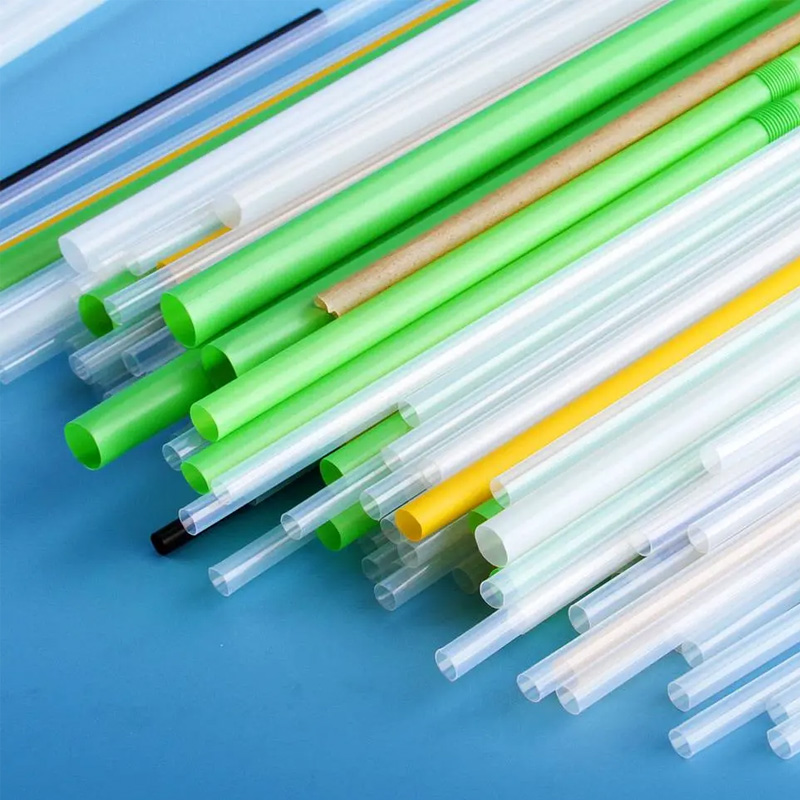
Introduction: A Practical Green Upgrade for Beverage Service
Disposable environmentally friendly paper straws have become an important product in the global shift from conventional plastic packaging to safer, cleaner, and more sustainable foodservice solutions. Restaurants, cafés, bubble tea shops, juice bars, hotels, convenience stores, airline catering providers, event organizers, and takeaway brands are all facing the same challenge: they must offer a pleasant drinking experience while reducing plastic waste and meeting stricter environmental expectations. A well-designed paper straw answers this challenge by combining convenience, food safety, disposability, and improved environmental performance in one simple product.
The disposable environmentally friendly paper straw described here is made from high-quality paper materials and is designed for reliable use in both hot and cold beverages. It is available in common specifications such as 6 mm, 8 mm, and 12 mm diameters, with lengths of 210 mm and 230 mm. These sizes cover a wide range of beverage applications, from water, soda, coffee, and tea to smoothies, milkshakes, fruit drinks, and beverages containing toppings. White and kraft paper colors are available, and specifications, printing, wrapping, and packing quantities can be customized according to customer needs.
Compared with ordinary low-grade paper straws, this product emphasizes stiffness, longer soaking time, comfortable mouthfeel, and dependable performance. Compared with traditional plastic straws, it offers compostable and recyclable characteristics and supports the reduction of plastic pollution. For businesses building an environmentally responsible brand image, paper straws are not just accessories; they are visible symbols of sustainability. Every customer who receives a paper straw immediately recognizes that the foodservice provider is making a conscious choice to move toward cleaner packaging.
Yuqian Packaging Technology (Jiangsu) Co., Ltd. supports this product with strong manufacturing capability, strict quality management, advanced production processes, and flexible OEM customization. Established in 2010 and located in Taizhou City, Jiangsu Province, China, the company focuses on research, development, production, and sales of new food packaging materials and products. With a plant area of approximately 30,000 square meters and a professional team serving domestic and international customers, the company provides one-stop solutions from product design and sample development to mass production and logistics support.
Product Overview and Core Value
The disposable environmentally friendly paper straw is designed as a direct alternative to plastic straws in beverage consumption. Its main value is to help foodservice operators maintain daily convenience while reducing dependence on plastic materials. The product is made with paper suitable for food-contact applications and manufactured to achieve a balance between structural strength, liquid resistance, safety, and environmental responsibility.
Its key product features include high-quality paper construction, stiff material, long soaking time in water, compostable and recyclable properties, safe use, easy degradation, and full customization of dimensions and printing. These features make it suitable for brands that want a packaging accessory that performs consistently while communicating environmental responsibility. A straw may seem like a small item, but it has direct contact with consumers, beverages, brand identity, and waste management systems. Therefore, its quality matters greatly.
For customers purchasing in bulk, consistency is one of the most important requirements. A straw that softens too quickly, collapses, separates, or has an unpleasant paper taste can damage the beverage experience and reduce customer satisfaction. This paper straw is produced to be stiff and stable, helping users drink smoothly without frequent replacement. Its structure is designed to resist deformation during ordinary drinking time, making it a practical choice for commercial beverage service.
The product also supports custom branding. Multi-color printing is available, and designs can be adjusted according to customer artwork. Independent paper wrapping can also be supplied for hygiene-conscious markets, takeaway orders, hotel rooms, flight meals, and self-service counters. Custom packing quantity further allows distributors and foodservice chains to match their inventory systems, retail requirements, and shipping plans.
Specifications and Custom Options
The product range includes several common sizes suitable for different beverage types. Smaller diameters are practical for water, juice, tea, coffee, and soft drinks. Larger diameters are better suited for thick drinks, smoothies, milkshakes, and beverages with pulp or toppings. The following table summarizes standard specifications.
| Specification | Diameter | Length | Available Color | Typical Application |
| 6 x 210 mm | 6 mm | 210 mm | White or Kraft Paper | Water, soda, tea, coffee, juice |
| 8 x 210 mm | 8 mm | 210 mm | White or Kraft Paper | Juice, iced tea, soft drinks, cocktails |
| 6 x 230 mm | 6 mm | 230 mm | White or Kraft Paper | Tall cups, takeaway drinks, cold beverages |
| 8 x 230 mm | 8 mm | 230 mm | White or Kraft Paper | Tall cups, milk tea, mixed drinks |
| 12 x 210 mm | 12 mm | 210 mm | White or Kraft Paper | Smoothies, milkshakes, thick beverages |
| 12 x 230 mm | 12 mm | 230 mm | White or Kraft Paper | Large cups, bubble tea, drinks with toppings |
Custom specifications may also be developed according to purchasing requirements. A beverage chain, for example, may need a special length to match a unique cup height. A hotel group may require individually wrapped straws with neutral kraft paper for a natural appearance. A dessert shop may prefer printed paper straws using seasonal colors. A distributor may request bulk packaging for wholesale markets. The ability to adjust diameter, length, color, printing, wrapping, and packing quantity gives customers greater control over cost, presentation, and usability.
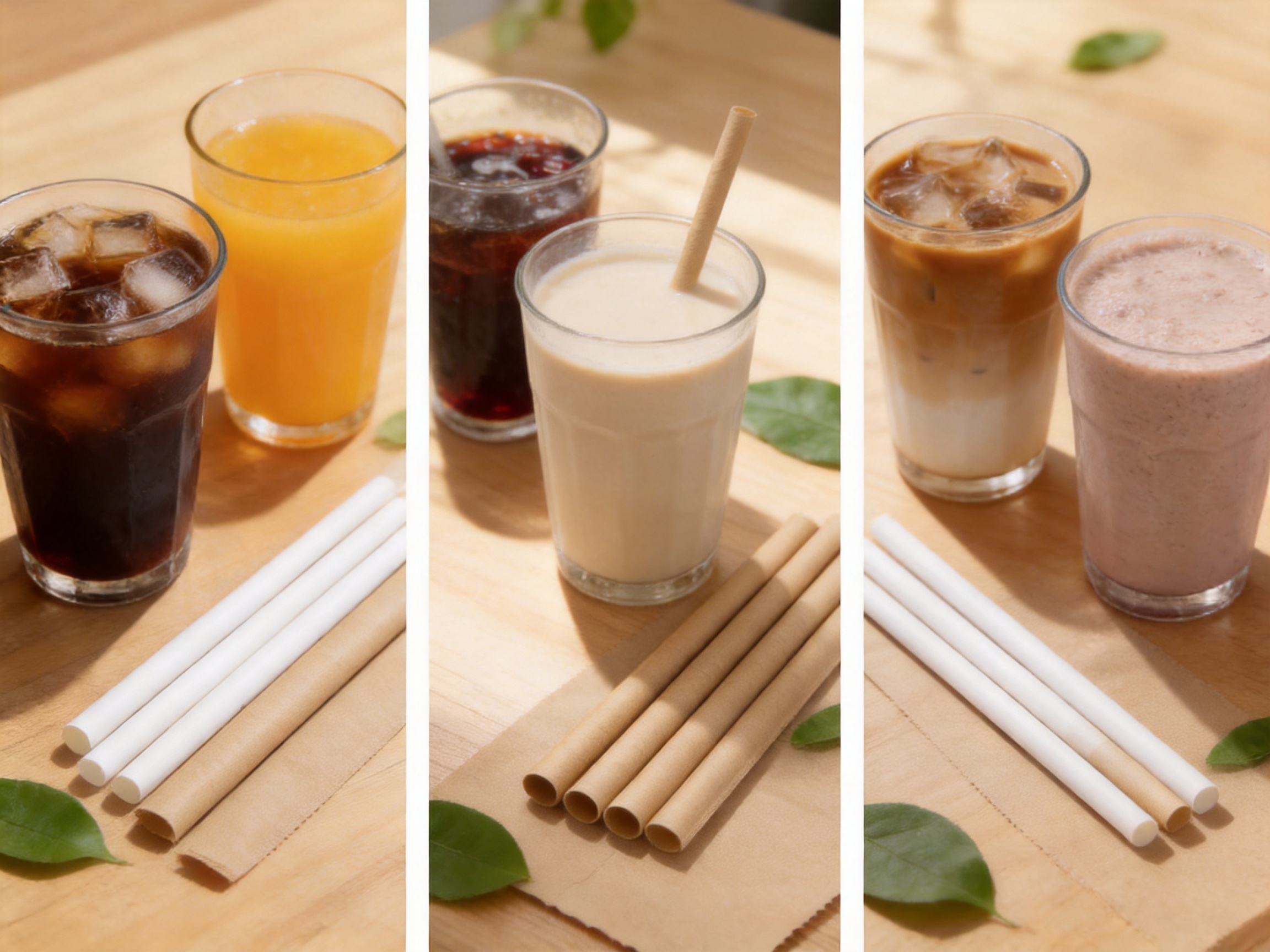
White paper straws provide a clean and simple appearance suitable for many beverage brands. Kraft paper straws create a natural and eco-conscious style that visually communicates sustainability. Both colors can support customized printing, including logos, patterns, promotional messages, and color designs. The surface can be adapted to different brand styles, helping companies transform a functional beverage tool into a small but effective marketing medium.
Environmental Advantages Over Traditional Plastic Straws
The most obvious advantage of paper straws is their improved environmental profile compared with conventional plastic straws. Plastic straws are lightweight, inexpensive, and convenient, but they are also widely criticized because they are difficult to recycle in many waste systems, easily escape into the environment, and can remain for a long time as plastic pollution. In coastal areas and urban waste streams, small plastic items are especially difficult to collect and manage.
Paper straws are made from renewable fiber-based materials and are designed to degrade more easily under suitable conditions. They support the global movement toward reducing single-use plastics and improving the environmental responsibility of foodservice packaging. For restaurants and beverage brands, switching to paper straws can help meet policy trends, customer expectations, and corporate sustainability targets.
Another benefit is consumer perception. Many customers now actively notice whether a business uses plastic or environmentally friendly alternatives. A paper straw is visible throughout the drinking experience. When the straw is made well, it reinforces the impression that the business cares about product safety, environmental protection, and modern service standards. This positive perception can support customer loyalty, especially among younger consumers and environmentally aware communities.
Paper straws also help businesses prepare for changing regulations. Many markets have introduced or considered restrictions on single-use plastic straws and other plastic foodservice items. By adopting paper straws early, brands reduce the risk of sudden supply chain disruption and demonstrate proactive compliance. This is especially important for international brands, export-oriented distributors, and companies serving multiple regions with different packaging rules.
Compared with some alternative materials, paper straws also have advantages in cost, production scalability, printing adaptability, and consumer familiarity. Metal, glass, bamboo, or silicone straws may be reusable but are not always practical for takeaway drinks, mass events, fast food, or hygiene-sensitive environments. Paper straws provide a disposable option that fits existing operating habits while reducing plastic reliance.
Performance Advantages Over Ordinary Paper Straws
Not all paper straws perform equally. One of the common complaints about low-quality paper straws is that they soften too quickly, become unpleasant in the mouth, collapse during use, or affect the beverage flavor. The disposable environmentally friendly paper straw discussed in this article focuses on solving these pain points through better material selection, optimized structure, controlled manufacturing, and strict inspection.
The straw uses stiff paper material and is designed to maintain a good drinking experience over a longer soaking period. Stiffness matters because a straw must resist compression from the lips, pressure from the cup lid opening, and contact with liquid. If the straw wall is weak, it can flatten or bend easily. A stronger paper structure improves reliability, especially in cold drinks, takeaway drinks, and beverages that customers drink slowly.
Longer soaking time is another important advantage. In real service environments, a beverage may be prepared, sealed, transported, and consumed over an extended period. Customers may not finish immediately. A paper straw that remains usable for longer helps reduce complaints and product waste. It also improves confidence for businesses that serve delivery or takeaway orders.
Comfort is also critical. The mouthfeel of a straw affects the whole drinking experience. A well-made paper straw should feel smooth, stable, and safe. It should not unravel easily or leave an unpleasant texture. By improving structural design and maintaining quality control, the product offers a more comfortable experience than many ordinary paper straws in the market.
Customization is another competitive advantage. Many low-cost paper straw suppliers provide only standard sizes and limited packaging choices. Yuqian Packaging Technology (Jiangsu) Co., Ltd. supports flexible customization, making it easier for customers to create a product that matches their beverage menu, cup design, brand image, and distribution model. This makes the straw not only an environmental substitute, but also a tailored packaging component.
Food Safety and Hygiene Considerations
Food-contact packaging must be safe, clean, and consistent. A straw directly touches the consumer’s mouth and the beverage, so its safety requirements are especially important. The product is made with paper materials intended for beverage use and is manufactured under controlled production conditions. The company has established a quality management approach that covers raw material procurement, processing, finished product inspection, packaging, and shipment.
Individual paper packaging is available to improve hygiene. Individually wrapped straws are especially useful for takeaway orders, delivery platforms, hotel supplies, self-service beverage stations, cafeterias, transport catering, and healthcare-related foodservice environments. Wrapping protects the straw from dust and handling before use and helps customers feel more confident about cleanliness.
The company’s broader food packaging production background strengthens its ability to control food-contact requirements. As a manufacturer of disposable food packaging products and new food packaging materials, it has experience with quality systems and customer audits. Certifications and quality management practices such as ISO9001, BRC-related standards, DIN safety recognition, and EU ROHS testing background reflect a strong commitment to controlled production and international market expectations.
Quality control for paper straws can include checks on diameter, length, surface appearance, cutting quality, printing clarity, packaging integrity, and physical performance. In production, even small deviations can affect user experience. A straw that is slightly too wide may not fit a cup lid properly; a straw that is too short may not suit tall cups; weak seams can reduce durability. Therefore, systematic inspection is essential for stable bulk supply.
Advanced Manufacturing Strengths
The manufacturing strength behind the product is a key reason it can compete effectively in the market. Yuqian Packaging Technology (Jiangsu) Co., Ltd. operates from a large production base in Taizhou City, Jiangsu Province, with a plant area of about 30,000 square meters. This scale supports organized production, stable capacity, raw material storage, equipment layout, inspection areas, and efficient logistics preparation.
The company was established in 2010 and has accumulated years of experience in food packaging materials and disposable food packaging products. Long-term production experience helps the company understand the practical needs of customers in catering, takeaway, retail, distribution, and brand customization. It also helps the company improve equipment operation, process stability, and production planning.
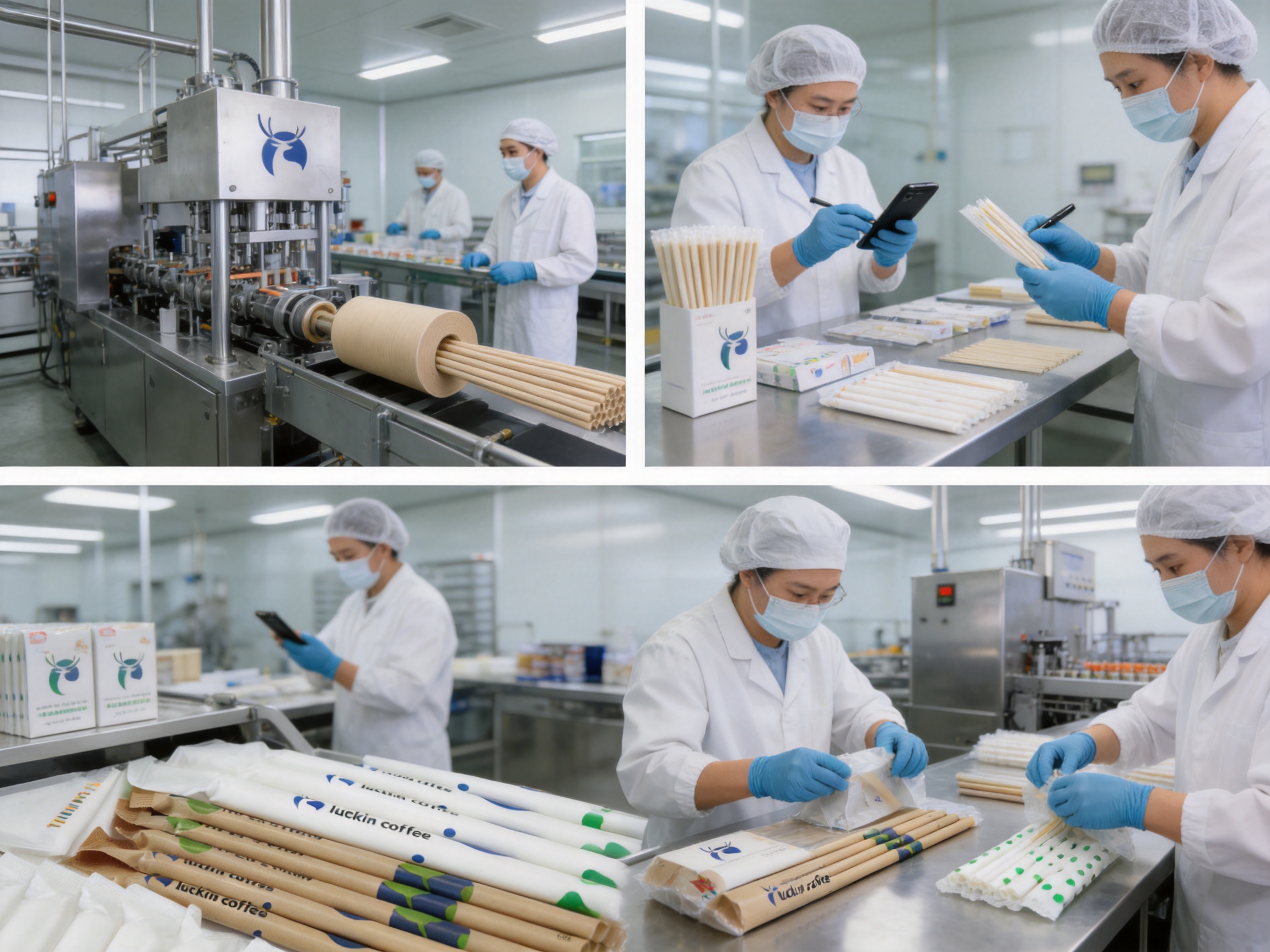
Advanced manufacturing for paper straws requires more than simply rolling paper. The process involves material selection, paper cutting, adhesive or bonding control, spiral or structural forming, drying or setting, cutting to length, printing or preprinted material management, wrapping, counting, packing, and final inspection. Each step must be controlled to maintain diameter, wall strength, appearance, and safety. The company’s quality-focused management system helps reduce defects and improve consistency.
Research and development capability is another important advantage. The company has a research and development team that explores new materials and processes for environmentally friendly paper straws and other packaging products. This innovation focus supports improvements in durability, comfort, liquid resistance, environmental performance, and customization. In a market where customer expectations are rising quickly, R&D capability is essential for staying ahead of low-cost competitors.
The company also emphasizes flexible production. OEM customers often need different specifications, private-label packaging, trial samples, promotional versions, and large production orders. Flexible production lines and efficient supply chain management allow faster response to customer needs. This is particularly valuable for beverage chains launching new seasonal drinks, distributors responding to market demand, and international buyers managing delivery schedules.
Customization and Brand Design Value
Customization is one of the strongest commercial advantages of disposable environmentally friendly paper straws. For many businesses, packaging is part of brand communication. A straw can display a logo, brand color, slogan, campaign pattern, or natural kraft paper style. Even though it is a small item, it is often photographed with drinks, placed in takeaway bags, and seen by consumers during use. Therefore, it can reinforce brand identity at a low unit cost.
Multi-color printing allows customers to create attractive straw designs. Bright colors can match fruit drinks, desserts, children’s beverages, or event themes. Minimalist printing can suit premium cafés, hotels, and wellness brands. Kraft paper with simple dark printing can communicate natural, organic, or eco-conscious values. For chain stores, consistent printed straws can create a unified image across locations.
Custom independent wrapping also offers branding opportunities. A wrapped straw can include a logo, hygiene message, environmental message, or product information. In self-service areas, wrapped straws look more organized and professional. For delivery orders, they provide added protection and presentation. For hotels and airlines, individually wrapped straws meet expectations for cleanliness and convenience.
Custom packing quantities help customers control inventory and distribution. A small café may prefer moderate pack sizes for easy storage. A national chain may need master cartons planned for warehouse distribution. A distributor may require retail-ready or wholesale-ready packaging. OEM flexibility reduces operational friction and helps buyers integrate the product smoothly into their existing supply systems.
Yuqian Packaging Technology (Jiangsu) Co., Ltd. provides customers with one-stop service from design to production and logistics. This service model is important because many buyers do not want to coordinate separate suppliers for design, printing, packaging, and manufacturing. A single capable manufacturer can shorten development time, reduce communication errors, and improve accountability.
Applications Across Foodservice and Beverage Markets
The disposable environmentally friendly paper straw is suitable for a broad range of beverage scenarios. In coffee shops, it can be used for iced coffee, cold brew, milk tea, fruit tea, and seasonal drinks. In restaurants, it supports soft drinks, cocktails, mocktails, lemonade, and children’s beverages. In fast food outlets, it provides a practical alternative to plastic straws while meeting high-volume service needs.
In juice bars and smoothie shops, larger-diameter paper straws such as 12 mm options are especially useful. Thick drinks require stronger flow capacity, and a wider straw improves drinking convenience. For bubble tea and drinks containing pulp or toppings, larger diameters help deliver a smoother experience. For standard drinks, 6 mm and 8 mm sizes offer a good balance of usability and material efficiency.
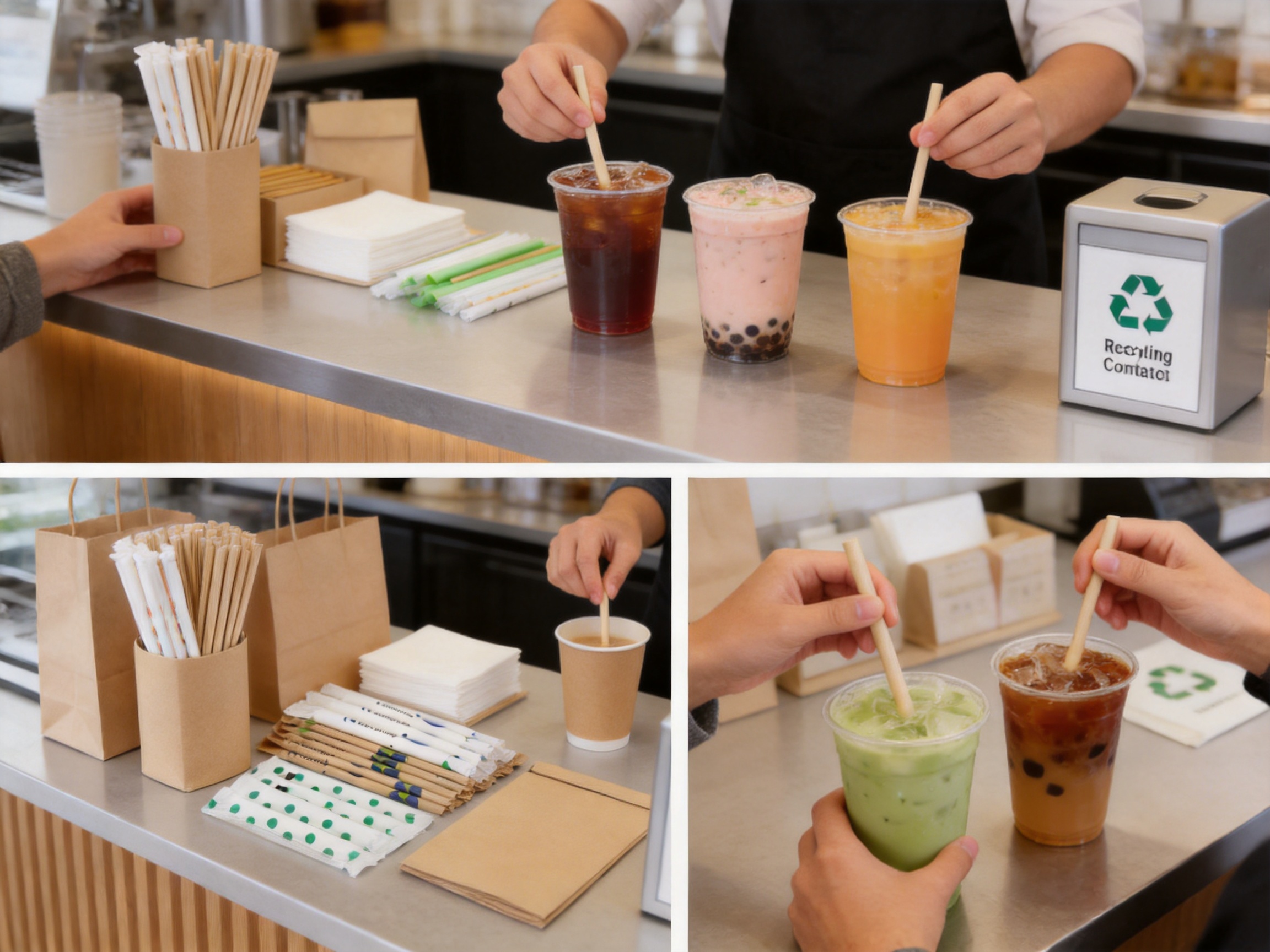
Takeaway and delivery services benefit from individually wrapped straws. The straw can be placed in a sealed bag with cups, lids, napkins, and other accessories. Customers receive a cleaner and more complete beverage package. As delivery platforms continue growing, packaging components that perform well during transport become more important.
Hotels, resorts, conference centers, and event venues can use paper straws to support sustainability commitments. Many hospitality businesses are replacing plastic amenities and foodservice items with greener alternatives. Paper straws are easy for guests to understand and accept. They can also be customized for events, weddings, exhibitions, and corporate activities.
Retail and wholesale markets can also benefit from paper straw customization. Supermarkets, party supply stores, eco-product shops, and online sellers may offer packaged paper straws for household use, parties, picnics, or small businesses. Printed patterns and kraft paper styles can help products stand out on shelves and digital marketplaces.
How the Product Supports Sustainable Food Packaging Strategies
A sustainable food packaging strategy usually includes material reduction, renewable resources, recyclability, compostability, cleaner production, safe food contact, and responsible disposal. Paper straws contribute to this strategy by replacing a small but highly visible plastic item with a fiber-based alternative. When combined with paper cups, recyclable lids, takeaway bowls, recycle bags, and other responsible packaging choices, the straw becomes part of a complete sustainable service system.
For foodservice brands, environmental progress often happens step by step. Replacing plastic straws with paper straws is a practical first step because the transition does not require customers to change their drinking habits. Staff can continue serving drinks in the same way, and customers can continue using disposable straws. The operational change is simple, but the environmental message is clear.
The product also supports circular economy thinking. Paper-based materials can be designed for improved end-of-life outcomes compared with many single-use plastics. While actual recycling or composting depends on local waste systems, using degradable and recyclable materials is an important improvement. The company also encourages customers to consider recycling and responsible reuse of paper straw packaging where possible.
Green production is another part of the sustainability story. The company emphasizes environmentally friendly paper materials and efforts to reduce energy consumption and waste emissions during production. Manufacturing responsibility matters because sustainability is not only about the final product; it also depends on how the product is produced, inspected, packed, and delivered.
Competitive Advantages for Importers, Distributors, and Chain Brands
Importers and distributors need products that are stable, marketable, compliant, and profitable. This paper straw offers several advantages in that context. First, it meets a broad and growing market demand for plastic alternatives. Second, it can be customized for different customer segments. Third, it is supported by a manufacturer with food packaging experience and quality management systems. Fourth, the product range includes standard specifications that simplify stock planning.
For chain beverage brands, consistency is essential. A chain may serve thousands or millions of drinks per year, and every packaging component must be dependable. The straw must match cup lids, fit cup heights, maintain strength, and support brand presentation. A manufacturer with flexible production and strict quality control can help chain brands reduce supply risks and maintain customer experience across many locations.
For private-label buyers, printing and packaging support are major advantages. The ability to develop customized artwork, adjust packing quantity, and produce according to brand requirements creates stronger market differentiation. Instead of selling generic paper straws, distributors can offer branded or market-specific solutions.
For international buyers, communication, production capacity, documentation, and after-sales service matter. Yuqian Packaging Technology (Jiangsu) Co., Ltd. provides full service from sample production to mass production and has an after-sales service system to help solve issues in a timely manner. This reduces uncertainty for overseas procurement teams and supports long-term cooperation.
Quality Control from Raw Material to Finished Product
High-quality paper straws begin with reliable raw materials. Paper quality affects stiffness, liquid resistance, printing performance, taste neutrality, and durability. The company controls raw material procurement to ensure that incoming materials meet production requirements. Stable materials help ensure stable finished products.
During production, process control is essential. Paper layers must be formed correctly, bonding must be consistent, and dimensions must remain within tolerance. Cutting quality affects the smoothness and safety of the straw ends. Printing must be clear, well-aligned, and suitable for beverage use. Wrapping must protect the straw without contamination or damage.
Finished product inspection helps detect issues before shipment. Common checks may include visual appearance, diameter, length, stiffness, packaging count, carton integrity, and sampling performance. For customized orders, artwork and packaging details must also be checked against approved samples. This reduces the risk of customer complaints and supports stable supply.
A complete quality management system is especially important for disposable food packaging because the products are used in large quantities and directly influence consumer experience. Even a small defect rate can create many problems in high-volume operations. Consistent inspection and process improvement help protect customer brands and maintain trust.
Design Considerations for Choosing the Right Paper Straw
When choosing paper straws, buyers should consider beverage type, cup height, lid style, drinking duration, desired appearance, wrapping requirement, and storage conditions. A 6 mm straw is usually suitable for standard thin beverages. An 8 mm straw provides more flow and is widely useful for iced drinks and milk tea. A 12 mm straw is better for thick beverages or drinks with toppings.
Length should match cup height and lid design. A 210 mm straw is suitable for many regular cups, while a 230 mm straw may be better for taller takeaway cups. If the straw is too short, customers may find it inconvenient. If it is too long, it may look awkward or increase material cost unnecessarily. Custom length can solve special requirements.
Color and printing should match brand positioning. White straws are clean and universal. Kraft paper straws are natural and eco-oriented. Multi-color printing is useful for brand recognition, promotions, themed products, and retail packs. Buyers should also decide whether wrapped or unwrapped straws are more appropriate. Wrapped straws improve hygiene and presentation, while bulk unwrapped straws may suit controlled environments and lower-cost operations.
Storage is also important. Paper products should be stored in a dry, clean environment away from excessive humidity, strong odors, and direct contamination. Proper storage helps preserve stiffness, appearance, and hygiene before use. Clear carton labeling and suitable packing quantities can help warehouses manage inventory more efficiently.
Manufacturing Process: From Concept to Delivery
The development of a customized paper straw order usually begins with customer requirements. The buyer provides desired diameter, length, color, printing design, wrapping method, packing quantity, and expected order volume. If the buyer is not sure which specification is best, the manufacturer can recommend options based on beverage type and cup size.
Next, design confirmation and sampling may take place. Printed straws and wrapped straws require artwork checking to confirm colors, logo placement, and final appearance. Samples allow customers to test fit, soaking performance, user comfort, and packaging presentation. This step is especially valuable for chain brands and private-label distributors.
After sample approval, mass production is planned. Raw materials are prepared, production equipment is arranged, and quality control standards are confirmed. During manufacturing, operators and inspectors monitor key production details. Finished straws are counted, wrapped if required, packed into inner packages and cartons, and prepared for shipment.
Logistics support completes the process. For domestic and international customers, efficient packing and shipment planning help reduce transportation cost and protect products during delivery. The company’s one-stop service model supports smoother order management from design to production and logistics.
Why Strong OEM Capability Matters
OEM capability is more than placing a logo on a product. It requires understanding customer markets, adjusting technical specifications, managing artwork, controlling quality, protecting brand consistency, and delivering on time. For disposable environmentally friendly paper straws, OEM service allows customers to develop products that match their exact needs instead of accepting generic solutions.
Yuqian Packaging Technology (Jiangsu) Co., Ltd. has become a trusted OEM partner for domestic and foreign brands because of its research and development capability, quality control, flexible production, and service awareness. The company can support sample production, customized specifications, packaging design, and mass production. This flexibility is valuable in a fast-changing market where sustainability trends, beverage formats, and customer preferences change frequently.
OEM support can also help buyers reduce development cost. Instead of investing in their own production equipment, buyers can rely on an experienced manufacturer. Instead of testing many suppliers, they can work with one partner that understands disposable food packaging. This is especially useful for start-up beverage brands, expanding chains, importers, and retailers entering the eco-packaging market.
Integration with Broader Disposable Food Packaging Solutions
Paper straws are often purchased together with other foodservice packaging products. A complete beverage or takeaway solution may include plastic cups, paper cups, cup lids, takeaway bowls, recyclable bags, straws, sleeves, and peripheral products. A supplier with a broader packaging background can help customers coordinate product compatibility and brand consistency.
The company’s product category experience includes plastic cups, plastic cup lids, takeaway bowls, disposable straws, recycle bags, peripheral products, and injection film lining cups and bowl boxes. This broader capability allows customers to consider more complete packaging systems rather than single items. For example, a beverage brand may need cups, lids, and paper straws that fit together physically and visually. A takeaway restaurant may need bowls, bags, and accessories that present a unified brand image.
Integrated packaging sourcing can simplify procurement and improve efficiency. Customers can reduce supplier management complexity, improve order coordination, and maintain consistent quality expectations. For growing brands, this can be an important operational advantage.
Market Trends Driving Paper Straw Demand
Several market trends are increasing demand for disposable environmentally friendly paper straws. The first is environmental regulation. Many regions are restricting single-use plastics or encouraging alternatives. Businesses that adopt paper straws can better adapt to these changes.
The second trend is consumer awareness. Customers increasingly expect restaurants and beverage brands to show environmental responsibility. A paper straw is an easy-to-recognize sign of that effort. If the straw performs well, it supports both sustainability and customer satisfaction.
The third trend is brand differentiation. Competitive beverage markets require details that help a brand stand out. Custom printed paper straws can improve visual presentation, especially for social media-friendly drinks. Attractive packaging accessories can enhance the perceived value of beverages.
The fourth trend is the growth of takeaway and delivery. Delivery orders require hygienic, convenient, and well-packed accessories. Individually wrapped paper straws meet these needs while supporting plastic reduction.
The fifth trend is corporate sustainability reporting. Larger companies increasingly track packaging materials, plastic reduction, and responsible sourcing. Paper straws can be part of measurable progress toward sustainability goals.
Customer Experience and Practical Usability
A successful paper straw must satisfy both business buyers and final consumers. Buyers care about price, supply stability, customization, compliance, and defect control. Consumers care about comfort, durability, safety, and appearance. This product is designed to address both sides.
For consumers, the straw should be easy to use, stable in liquid, and comfortable in the mouth. It should not collapse too quickly or create a poor drinking experience. For businesses, the straw should fit existing cups and lids, store well, and arrive in consistent quality. It should also help improve environmental image without causing operational problems.
The ability to use the straw for hot and cold beverages expands its usefulness. Many beverage outlets sell both iced and warm drinks. A versatile straw reduces inventory complexity and allows staff to use one product line across multiple menu items. Different diameters can then be selected according to beverage thickness.
Responsible End-of-Life Considerations
Although paper straws are designed to be more environmentally friendly than plastic straws, responsible disposal remains important. Compostable and recyclable characteristics are valuable, but actual end-of-life treatment depends on local waste systems, contamination levels, and collection practices. Businesses should educate staff and customers where appropriate and follow local waste sorting rules.
Foodservice operators can place clear disposal instructions near self-service stations or waste bins. For events and venues, organizers can coordinate with waste management providers to improve collection. For delivery and takeaway, brands can include simple environmental messages on packaging to encourage responsible disposal.
Manufacturers also play a role by designing products and packaging that support better environmental outcomes. By using paper materials, reducing unnecessary waste, and promoting green production principles, the company contributes to a more sustainable packaging supply chain.
Q&A Section
What is a disposable environmentally friendly paper straw?
It is a single-use drinking straw made from paper materials designed to replace conventional plastic straws. It is intended for beverage service and offers compostable, recyclable, and easily degradable characteristics under suitable conditions.
What sizes are available?
Common sizes include 6 x 210 mm, 8 x 210 mm, 6 x 230 mm, 8 x 230 mm, 12 x 210 mm, and 12 x 230 mm. Custom sizes may also be developed according to customer needs.
What colors can customers choose?
White and kraft paper colors are available. Printing can be customized, including multi-color designs, logos, and brand patterns.
Can the straws be individually wrapped?
Yes. Independent paper packaging is available and can be customized. Individually wrapped straws are suitable for takeaway, delivery, hotels, self-service counters, and hygiene-focused applications.
Are these paper straws suitable for hot and cold drinks?
Yes. They are suitable for a variety of beverages, including hot and cold drinks, and are designed to maintain a good user experience in common foodservice scenarios.
How do these paper straws compare with plastic straws?
Compared with plastic straws, paper straws reduce reliance on single-use plastic, are easier to degrade under suitable conditions, and support environmentally responsible packaging strategies. They also help brands respond to regulations and consumer expectations.
How do these paper straws compare with low-quality paper straws?
They focus on improved stiffness, longer soaking time, better comfort, customizable specifications, and reliable manufacturing quality. These advantages help reduce deformation, softening, and customer complaints.
Why is customization important?
Customization allows businesses to match straw size with cup design, choose suitable colors, print brand artwork, adjust wrapping, and select packing quantities. This improves both usability and brand presentation.
What type of businesses can use these straws?
They are suitable for cafés, restaurants, fast food chains, bubble tea shops, juice bars, hotels, event venues, supermarkets, distributors, takeaway platforms, and private-label packaging brands.
What manufacturing strengths support product quality?
The product is supported by a large production base, research and development capability, strict quality control, flexible OEM production, food packaging experience, and a full service system from sample development to mass production and logistics.
Conclusion: A Small Product with Significant Packaging Value
Disposable environmentally friendly paper straws are more than a simple replacement for plastic straws. They are practical packaging accessories that help businesses improve sustainability, strengthen brand image, satisfy customers, and adapt to changing market regulations. A high-quality paper straw must combine environmental responsibility with real usability, including stiffness, long soaking time, safe materials, comfortable mouthfeel, and consistent dimensions.
The product described in this article offers a strong balance of performance and customization. Standard sizes cover a wide range of beverage applications, while custom options allow buyers to adjust diameter, length, color, printing, wrapping, and packing. White and kraft paper choices support different brand styles, and multi-color printing turns the straw into a visible branding tool.
Yuqian Packaging Technology (Jiangsu) Co., Ltd. strengthens the product with advanced manufacturing processes, a large production base, research and development capability, quality management systems, OEM flexibility, and one-stop service. The company’s experience in disposable food packaging and environmentally friendly materials allows it to support customers from concept to delivery.
For restaurants, beverage chains, distributors, importers, hospitality groups, and private-label brands, choosing a reliable paper straw supplier is an investment in customer experience and environmental progress. With strong product performance, flexible customization, and dependable manufacturing support, disposable environmentally friendly paper straws offer a practical and competitive solution for the future of foodservice packaging.
References
European Commission. Single-Use Plastics Policy and Packaging Waste Reduction Guidance.
International Organization for Standardization. ISO 9001 Quality Management Systems: Requirements.
British Retail Consortium. Global Standard for Packaging Materials.
Food and Agriculture Organization of the United Nations. Sustainable Bio-Based Materials and Packaging Considerations.
United Nations Environment Programme. Single-Use Plastics: A Roadmap for Sustainability.
Smith, R. Fiber-Based Food Packaging Materials: Performance, Safety, and Sustainability. Packaging Science Review.
Johnson, M. Trends in Disposable Foodservice Packaging and Consumer Environmental Expectations. Journal of Sustainable Packaging.