English
 Español
 عربى
عربىContent
- 1 Understanding the Non-Woven Bag
- 2 Why Non-Woven Bags Are Increasingly Used
- 3 Core Product Advantages
- 4 Applications Across Multiple Industries
- 5 Customization Options for a Purpose-Built Bag
- 6 Advanced Manufacturing and Production Capabilities
- 7 Quality Management and Certification Strengths
- 8 Environmental Considerations
- 9 Advantages Over Common Alternative Carriers
- 10 How the Company Supports Custom Projects
- 11 Manufacturing Location and Service Network
- 12 Recommended Purchasing Process
- 13 Important Quality-Control Points
- 14 Cost and Value Considerations
- 15 Safety, Compliance, and Documentation
- 16 Designing for Better Customer Experience
- 17 Future-Oriented Packaging Development
- 18 Why Choose an Experienced Manufacturer
- 19 Q&A: Non-Woven Bag Purchasing and Use
- 19.1 What is a non-woven bag?
- 19.2 Can a non-woven bag be reused?
- 19.3 Is a non-woven bag the same as a biodegradable bag?
- 19.4 Can the bag carry food?
- 19.5 Can the size and handle style be customized?
- 19.6 What information should be provided for a quotation?
- 19.7 How can artwork quality be protected?
- 19.8 Are non-woven bags more environmentally responsible than all other bags?
- 19.9 What quality certifications does the manufacturer report?
- 19.10 Can the company provide other packaging products?
- 19.11 Where is the company located?
- 19.12 How can a customer start a project?
- 20 Conclusion
- 21 References
- 22 Product: Non-woven bag
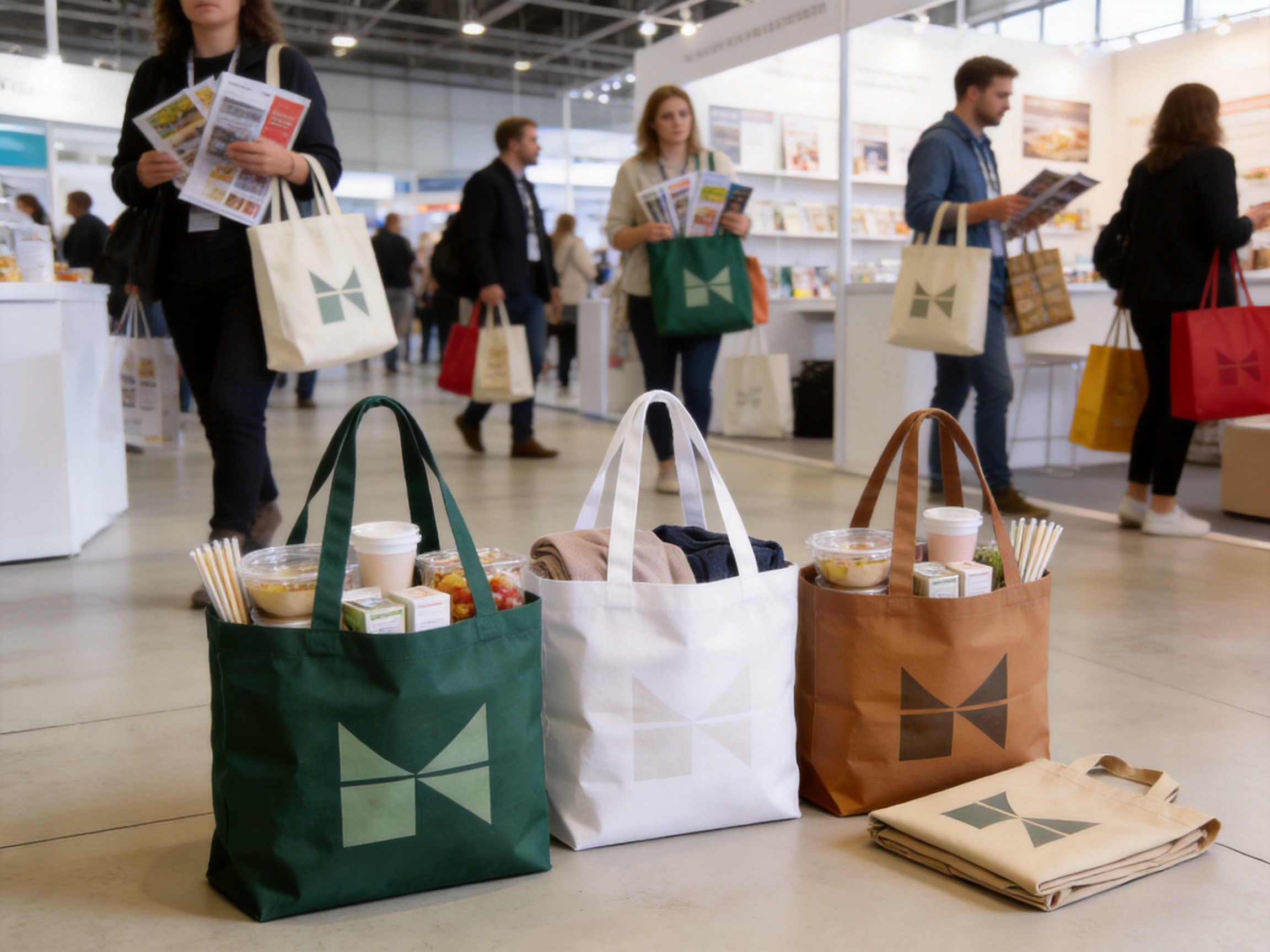
Non-woven bags have become an important alternative to many single-use packaging formats. They are lightweight, practical, printable, and suitable for repeated use in retail, food service, events, exhibitions, and everyday shopping. As businesses and consumers pay greater attention to resource efficiency and packaging waste, a well-designed non-woven bag can provide more than carrying capacity. It can support a responsible packaging strategy, communicate a brand message, and improve the customer experience at the same time.
Yuqian Packaging Technology (Jiangsu) Co., Ltd. develops and manufactures packaging materials and products for customers seeking reliable, customizable, and professionally produced solutions. Established in 2010, the company operates in Taizhou City, Jiangsu Province, China, with a plant area of approximately 30,000 square meters. Its product portfolio includes non-woven bags, disposable food packaging containers, plastic cups, plastic cup lids, takeaway bowls, disposable straws, injection film lining cup and bowl boxes, and other peripheral products.
This article focuses on the non-woven bag as a reusable and recyclable-oriented packaging solution. It explains the product’s structure, applications, design options, performance advantages, manufacturing considerations, quality systems, and purchasing value. It also describes how an experienced packaging manufacturer can help customers move from a basic bag concept to a finished product that fits their dimensions, visual identity, usage conditions, and distribution requirements.
Understanding the Non-Woven Bag
A non-woven bag is made from a sheet of engineered fibers that are bonded together without being woven into conventional textile fabric. The material can be formed through mechanical, thermal, or chemical processes, depending on its composition and intended performance. In packaging applications, the sheet is cut, printed, folded, and assembled into a bag with handles or other carrying features.
Unlike a paper bag, a non-woven bag generally offers greater resistance to moisture and repeated handling. Unlike many thin plastic carrier bags, it can be designed for multiple uses and can provide a larger printable surface. Its soft structure also allows the bag to be folded for storage before use, reducing the space required in warehouses, shops, and distribution centers.
The product is commonly selected for shopping, product presentation, exhibitions, promotional campaigns, institutional distribution, gift packaging, and takeaway applications. It may be manufactured in a wide range of sizes, colors, handle styles, finishes, and printing configurations. This flexibility allows the bag to be adapted for small retail products, clothing, books, groceries, promotional items, and light food-service packaging.
Although the term “non-woven” describes the structure of the material rather than a single universal formula, responsible product selection requires attention to material composition, thickness, load requirements, printing method, intended service life, and end-of-life handling. A qualified manufacturer can help customers select an appropriate construction instead of using the same specification for every application.
Why Non-Woven Bags Are Increasingly Used
The packaging industry is moving toward solutions that balance functionality, cost, appearance, and environmental responsibility. Businesses want packaging that protects products while also supporting their public image. Customers often expect packaging to be convenient and reusable rather than immediately discarded. Non-woven bags respond to these requirements because they can be produced as durable carriers with strong visual customization.
For retailers, the bag becomes part of the customer journey. A clean, well-printed bag can make a purchase feel more professional and can continue to display the retailer’s identity after the customer leaves the store. For event organizers, it can serve as a practical giveaway that carries brochures, samples, or merchandise. For manufacturers and wholesalers, it can combine transport convenience with product promotion.
In food service, non-woven bags may be used for secondary packaging, meal-kit distribution, catering support, grocery carrying, or promotional campaigns. The bag should not automatically be treated as a direct food-contact container unless its specific material and regulatory status support that use. In many cases, it functions as an outer carrier for sealed cups, bowls, boxes, or other food packaging products.
Repeated use is one of the main reasons buyers choose this type of bag. A bag that can be used several times may reduce the demand for disposable carriers during its service life. The actual environmental benefit depends on the material, production process, transport distance, frequency of reuse, and disposal route. For this reason, responsible suppliers should discuss realistic application conditions instead of presenting general environmental claims without qualification.
Core Product Advantages
Reusable Carrying Performance
A well-constructed non-woven bag is designed to withstand repeated carrying and handling. Its strength depends on the material basis weight, sheet thickness, bag dimensions, handle structure, seam design, and the weight of the contents. When these elements are matched correctly, the bag can provide dependable service for shopping, promotional distribution, and light commercial use.
Compared with a very thin single-use carrier, a non-woven bag typically provides a more substantial feel. The customer can fold it and store it for later use, while the retailer can use it as a practical part of the packaging presentation. Stronger models may include reinforced handles, folded edges, bottom gussets, or additional stitching and bonding at high-stress areas.
Lightweight Construction
Non-woven material provides a useful combination of low weight and functional strength. This can help reduce the weight of individual packaging units during internal handling and distribution. A lightweight bag is also easier for customers to carry, store, and transport. For large promotional orders, lower unit weight can contribute to more efficient carton packing and warehouse organization.
Lightweight construction should not be confused with insufficient quality. The most appropriate specification is determined by the intended load and use frequency. A bag for brochures may require a different material weight from a bag intended for groceries or boxed products. Custom production enables the specification to be selected according to actual requirements rather than relying on a one-size-fits-all design.
Large Printing Area
The relatively broad surface of a non-woven bag creates an effective area for logos, product information, slogans, event graphics, color blocks, and decorative patterns. Printing can transform an ordinary carrier into a mobile communication tool. Each reuse gives the printed design another opportunity to be seen in stores, streets, offices, schools, trade fairs, and community environments.
Design quality depends on more than color selection. The artwork must account for seams, handles, folds, gussets, and the visual scale of the bag. Text should remain readable at the intended viewing distance, while key graphics should be positioned away from areas that may be distorted during assembly. A manufacturer with packaging experience can review artwork and suggest practical adjustments before production.
Foldability and Storage Efficiency
Non-woven bags can usually be folded flat, which helps retailers store large quantities before distribution. Flat-packed storage can simplify inventory management and reduce the volume occupied by empty bags. Event organizers can also transport them efficiently to venues and distribute them as needed.
The final folded dimensions, carton arrangement, and packing method should be considered during order planning. A buyer may have a required carton size, pallet configuration, or warehouse limit. These details can be incorporated into the production and packing plan to improve handling efficiency.
Design Versatility
Non-woven bags can be produced in many shapes and sizes. Common configurations include flat bags, gusseted bags, handled shopping bags, drawstring-style bags, gift bags, bottle carriers, and custom promotional formats. Handle length can be adapted for hand carrying or shoulder carrying, while the opening and base can be adjusted for the product being packed.
Color options may range from simple white or natural-looking tones to vivid custom shades. The choice may be based on a corporate identity system, seasonal promotion, event theme, or product category. Finishes and structural details can also be selected to create a more economical or more premium appearance.
Moisture Resistance for Secondary Packaging
Compared with ordinary paper, many non-woven bag structures offer improved resistance to incidental moisture. This can be helpful when the bag is used to carry packaged food, beverages, household products, or retail goods in changing weather conditions. However, resistance to moisture does not mean that every non-woven bag is waterproof or suitable for direct contact with wet food.
When moisture performance is important, the buyer should specify the expected environment. Occasional exposure to light rain is different from carrying chilled products, liquids, or condensation-producing items. The manufacturer can then evaluate material selection, lamination, bottom construction, and inner packaging requirements.
Applications Across Multiple Industries
Retail Shopping
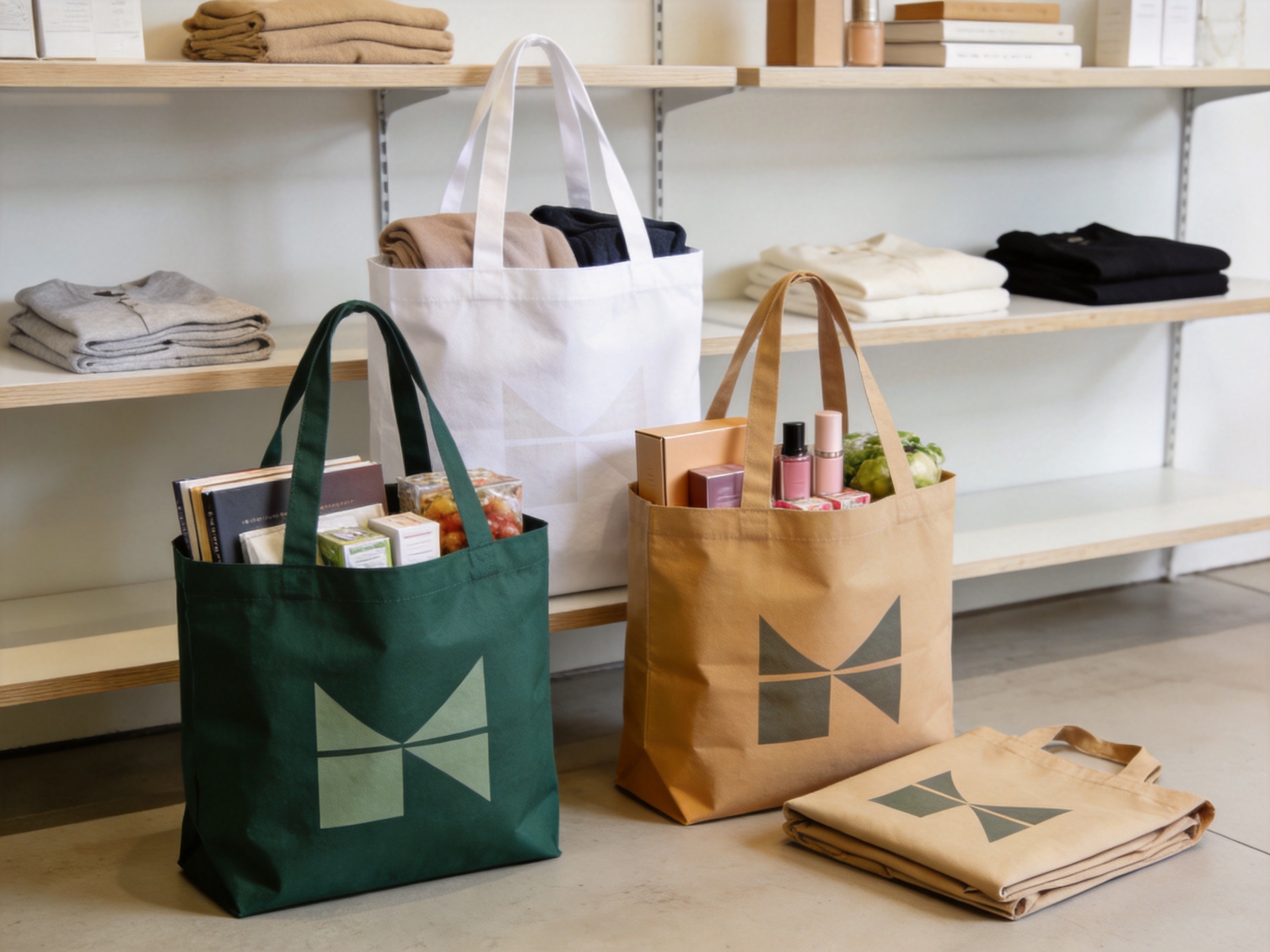
Retail stores use non-woven bags for clothing, shoes, accessories, cosmetics, books, gifts, household products, and general merchandise. The bag can be sized to fit the store’s most common products and printed with a logo or visual identity. Because it can be reused, it may continue to promote the store beyond the original purchase.
Retailers can select different specifications for different product lines. A small bag may be suitable for accessories, while a larger gusseted model may be needed for clothing or boxed goods. A premium finish can support a higher-value product, while a simpler construction can support high-volume everyday transactions.
Food Service and Takeaway Distribution
Non-woven bags can serve as outer carriers for sealed cups, takeaway bowls, meal boxes, snack packs, or catering materials. They can help customers carry multiple packages more conveniently and can provide a visible platform for restaurant or food-service graphics. When used with food packaging, the bag should be designed around the dimensions, weight, temperature, and possible condensation of the enclosed products.
Yuqian Packaging Technology’s broader product experience includes plastic cups, cup lids, takeaway bowls, disposable straws, and injection film lining cup and bowl boxes. This product knowledge can be useful when a customer wants a coordinated packaging system rather than an isolated bag. A carrier bag can be developed to work with the dimensions and arrangement of the cups, bowls, or boxes used in the customer’s service process.
Exhibitions and Trade Shows
Trade-show bags must be light, easy to carry, and visually noticeable. They are often used to hold catalogs, samples, promotional products, and business materials. A non-woven bag offers a practical alternative to a disposable paper carrier when visitors are expected to move around a large exhibition venue.
Because trade-show graphics are frequently bold and information-rich, artwork planning is particularly important. The front panel may display the primary logo, while the side panels can present product categories or contact information. The bag’s dimensions should be sufficient for the printed materials, but not so large that it becomes inconvenient to carry.
Promotional Campaigns
Companies, schools, community organizations, supermarkets, and public institutions can use non-woven bags as promotional merchandise. The bag may be distributed during product launches, store openings, festivals, educational programs, charity events, and seasonal campaigns. Its utility increases the likelihood that recipients will retain and reuse it.
Promotional orders often require consistent color reproduction and accurate logo placement. A production sample or pre-production confirmation can help verify these details. Customers should also provide clear artwork files, color references, required dimensions, and any restrictions on design alteration.
Gift and Product Presentation
For gift packaging, the bag can add value to the presentation while providing a useful item after the gift is opened. The choice of color, handle style, printing coverage, and size can be coordinated with the product’s market position. A simple design may communicate practicality, while a carefully developed custom design can support a premium experience.
Institutional and Community Distribution
Schools, hospitals, public agencies, nonprofit organizations, and community programs may use non-woven bags to distribute documents, supplies, uniforms, educational materials, or event products. Durability and easy identification are especially useful in these settings. Large printed text, clear color coding, and suitable handle lengths can improve organization and handling.
Customization Options for a Purpose-Built Bag
Dimensions and Capacity
Bag dimensions should be based on the products to be carried rather than selected only by appearance. The design process may include width, height, side gusset, bottom gusset, opening size, handle length, and handle spacing. A properly proportioned bag can reduce excessive movement of the contents and improve carrying comfort.
Customers should provide representative products or accurate measurements whenever possible. Important details include product length, width, height, packaging orientation, number of items per bag, and expected total weight. If the bag will carry cups or bowls, the arrangement of the units and the presence of lids should also be evaluated.
Material Weight and Strength
Material weight is one of the main factors influencing bag stiffness, appearance, carrying capacity, and cost. A heavier sheet may provide a more substantial feel, but the best specification is not always the heaviest available option. Over-specification can increase material consumption and shipping weight without providing a meaningful benefit for a light application.
The correct choice should reflect the intended load, reuse frequency, handle design, base construction, and customer expectations. A professional manufacturer can compare specifications and recommend a practical balance between performance and cost.
Handle Styles
Handle construction directly affects comfort and load distribution. Common options include die-cut handles, separate loop handles, reinforced handles, and extended handles suitable for shoulder carrying. The ideal choice depends on the bag size, carrying weight, product category, and desired appearance.
Handle attachment areas should receive particular attention because they experience concentrated stress. Reinforcement, folding, stitching, heat bonding, or other assembly methods may be used according to the product design. A bag that looks attractive but has an under-designed handle connection may not perform well in real use.
Printing and Graphic Design
Printing may cover one side, both sides, multiple panels, or selected areas. The design can include one or more colors, patterns, images, text, and brand elements. Customers should consider how the artwork appears when the bag is flat and when it is filled, folded, or carried.
Artwork files should be supplied in a suitable professional format with clear dimensions and high-resolution graphics. Text should be converted appropriately, and important elements should be kept within safe margins. If the design includes regulatory statements, recycling information, or product-use instructions, the wording should be confirmed before production.
Finishing and Structural Details
Additional details may include gussets, reinforced bottoms, folded top edges, inner pockets, closures, labels, or special packing methods. These features should be selected according to the application. A promotional event bag may need a simple and economical construction, while a retail gift bag may justify additional finishing.
Every additional feature can influence production time, material consumption, packing volume, and unit cost. A clear technical discussion helps customers decide which features provide genuine value and which may be unnecessary for the intended use.
Advanced Manufacturing and Production Capabilities
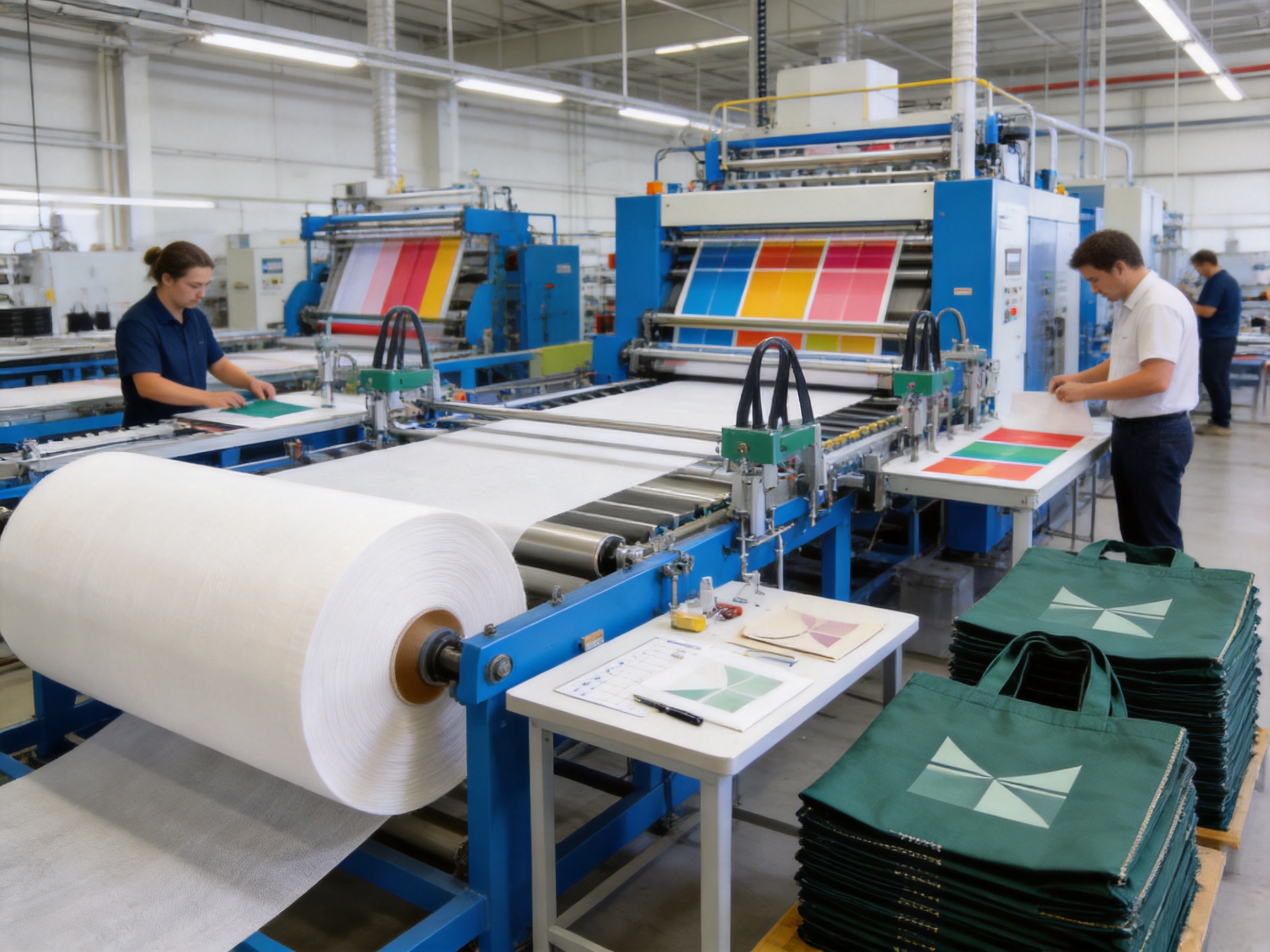
Producing a dependable non-woven bag requires coordinated control of material preparation, cutting, printing, forming, handle assembly, quality inspection, and packing. The visible product may be simple, but its performance depends on many linked production decisions. An experienced factory can reduce inconsistency by managing these steps through an organized manufacturing system.
Material Preparation
The manufacturing process begins with the selection and preparation of the non-woven sheet. The material should be checked for uniformity, color consistency, surface condition, and suitability for the planned printing and forming methods. Roll storage and handling also matter because improper storage can affect material cleanliness, flatness, or moisture condition.
Material preparation should be connected to the final product specification. A bag intended for a high-visibility promotional campaign may require especially consistent color and surface appearance. A bag designed for simple internal distribution may place greater emphasis on strength and cost efficiency.
Precision Cutting
Cutting converts the sheet into accurately sized panels and components. Dimensional consistency is important because small differences can affect the alignment of printed graphics, handle placement, side seams, and final shape. A well-organized production process uses approved specifications and controlled cutting patterns to reduce material waste and variation.
Efficient cutting also supports responsible resource use. Proper nesting of components can improve material utilization, particularly in large-volume orders. Production planning should balance efficient material layout with the need to maintain correct grain direction, graphic orientation, and structural performance.
Printing Control
Printing is a major part of the bag’s appearance and promotional value. The production team must manage ink application, registration, coverage, drying or curing, and handling after printing. The selected method should be compatible with the material surface and the customer’s visual requirements.
Quality checks may include reviewing color consistency, logo dimensions, image clarity, text legibility, print position, and resistance to ordinary handling. A sample approval stage can help ensure that both the customer and the manufacturer share the same expectations before a full production run begins.
Forming and Assembly
After cutting and printing, the panels are formed into the bag structure. Depending on the design, the process may include folding, side sealing, bottom forming, handle cutting, handle attachment, stitching, bonding, or reinforcement. Each operation influences the strength and appearance of the completed bag.
Assembly accuracy is especially important around the opening, bottom corners, side seams, and handles. The bag should maintain its intended shape when filled, and the load should be distributed as evenly as possible. Consistent assembly also helps ensure that large quantities have a uniform appearance on retail displays or at promotional events.
Inspection and Packing
Finished bags should be inspected according to the agreed specification. Inspection may cover dimensions, material appearance, print quality, handle attachment, seam condition, cleanliness, quantity, and packing arrangement. Defective or nonconforming units should be identified before shipment.
Packing protects the bags during storage and transportation. Flat packing can improve carton efficiency, while inner and outer packaging can help keep the products clean and organized. Carton labels, quantity markings, and shipment documentation should be prepared clearly to support warehouse receiving and customer distribution.
Quality Management and Certification Strengths
Yuqian Packaging Technology (Jiangsu) Co., Ltd. was established in 2010 and has developed experience in the research, production, and sales of new food packaging materials and products. The company describes itself as a high-tech enterprise with a plant area of approximately 30,000 square meters. This scale provides a foundation for organized production, product development, and order coordination.
The company reports that it took the lead in its sector in passing the QS national industrial product production license. It also reports ISO9001 Quality Management System certification, BRC certification, German authoritative safety DIN certification, and EU ROHS+ testing. These certifications and testing credentials are relevant indicators of the company’s emphasis on process management, safety, and product control.
Certification alone does not replace application-specific evaluation. Buyers should still confirm whether a particular product, material, printing system, or intended use is covered by the applicable documentation. Nevertheless, a structured quality system can improve traceability, production consistency, corrective action, and communication between the factory and the customer.
For non-woven bag buyers, quality management is important because the product combines material, printing, and mechanical assembly. A company with experience in food packaging and related products may also understand the importance of cleanliness, controlled production, packaging integrity, and customer-specific specifications.
Environmental Considerations
Non-woven bags are often selected as a more sustainable packaging option, but environmental performance should be evaluated in a complete and accurate way. Reusability is valuable when the bag is actually reused. Material efficiency is important when the bag is designed with an appropriate thickness and size. End-of-life performance depends on local collection, recycling, and waste-management systems.
Customers should avoid treating the word “recyclable” as a universal guarantee. The precise material composition, printing, laminations, accessories, and local recycling infrastructure can influence whether a bag is accepted by a particular recycling system. Where necessary, the manufacturer and buyer should discuss material documentation and disposal guidance for the target market.
A durable bag can support environmental objectives by extending the product’s useful life. A bag that remains attractive, comfortable, and structurally sound is more likely to be reused. This means that functional design and visual quality are not separate from sustainability; they can help determine whether the product is retained or discarded after one use.
Efficient manufacturing can also contribute to responsible packaging. Accurate cutting reduces unnecessary waste, while appropriate material selection avoids excessive use of resources. Optimized carton packing can reduce empty space during transportation. These improvements should be considered alongside product durability and customer satisfaction.
For businesses making environmental claims, transparency is essential. Claims should be supported by relevant technical information and should reflect the actual product configuration. When a bag is intended for secondary packaging rather than direct food contact, that distinction should also be communicated clearly.
Advantages Over Common Alternative Carriers
Compared with thin single-use plastic carriers, a non-woven bag can offer greater perceived value, improved printability, and better potential for repeated use. Its surface can feel more substantial, and its design can be more closely associated with a retail or promotional identity. However, the actual performance depends on the selected specification and the weight carried.
Compared with ordinary paper bags, non-woven bags generally offer better foldability, improved resistance to incidental moisture, and greater potential for repeated use. Paper may still be preferred for certain premium visual effects, direct recycling systems, or applications where a crisp, rigid structure is important. The choice should be based on the complete packaging requirement rather than on one feature alone.
Compared with woven textile bags, non-woven bags can provide a more economical and lightweight option for many promotional and retail applications. Their manufacturing structure supports efficient cutting and broad surface printing. Woven bags may be preferred for specific premium, heavy-duty, or fabric-oriented applications, but they can require different production methods and cost structures.
Compared with generic unprinted carriers, custom non-woven bags offer stronger communication value. The product becomes a visible extension of the customer’s identity. A company can select its size, color, graphics, handle style, and packing method instead of accepting a standardized product that may not fit its needs.
| Evaluation Area | Non-Woven Bag | Thin Single-Use Plastic Carrier | Paper Bag | Typical Customer Benefit |
|---|---|---|---|---|
| Potential for repeated use | Generally suitable when properly specified | Usually limited | Varies according to paper weight and moisture exposure | Supports longer service life and improved customer utility |
| Surface for custom printing | Broad and adaptable | Possible but often limited by film thickness and print requirements | Broad, with a different visual character | Improves brand visibility and promotional communication |
| Folded storage | Convenient and space-efficient | Very convenient | Moderately convenient | Helps with inventory and event logistics |
| Resistance to incidental moisture | Often better than ordinary paper, depending on material | Generally high | Usually lower unless specially treated | Provides more flexibility in everyday carrying conditions |
| Customization flexibility | High, including dimensions, handles, color, and graphics | Moderate to high, depending on film and production method | High, with different structural and visual options | Allows packaging to match specific products and campaigns |
| Environmental evaluation | Benefits may increase through repeated use and appropriate disposal | Depends strongly on material and collection system | Depends on fiber source, coatings, reuse, and recycling conditions | Encourages a more complete packaging sustainability assessment |
How the Company Supports Custom Projects
Custom packaging projects require more than the ability to manufacture a bag. They require communication, technical review, artwork coordination, production planning, inspection, and delivery support. Yuqian Packaging Technology combines product development and manufacturing with sales service, allowing customers to discuss their requirements with a supplier experienced in food packaging materials and related products.
The company’s product range can be advantageous for customers seeking coordinated packaging. A food-service buyer may require takeaway bowls, cup lids, straws, boxes, and a carrier bag that work together. A retail customer may want a bag that matches a product container, gift box, or promotional package. Working with a supplier that understands multiple packaging formats can simplify communication and reduce compatibility problems.
Customers can begin by explaining the application, product dimensions, expected load, order quantity, target market, printing requirements, and delivery schedule. The manufacturer can then review the concept and identify the key technical decisions. If the customer has existing artwork, it can be checked against the proposed bag dimensions and production method.
Prototype or sample review is useful for confirming size, handle comfort, visual appearance, and product fit. It can also reveal issues that may not be obvious in a two-dimensional drawing. For example, a logo may appear correctly positioned on a flat panel but become partly hidden when the bag is filled. A sample allows such details to be corrected before mass production.
For repeat orders, maintaining consistent specifications is essential. Approved samples, artwork records, product codes, inspection standards, and packing instructions can help reduce variation between production batches. Clear documentation also makes it easier to reorder a successful design or modify it for a new campaign.
Manufacturing Location and Service Network
The company’s production base is located at No. 8 Tongyang Road, Suchen Town, Taizhou City, Jiangsu Province, China. Jiangsu is an important manufacturing region with access to industrial supply chains, transportation networks, technical labor, and packaging-related resources. A factory location within an established manufacturing environment can support material sourcing, production coordination, and export order handling.
To improve service quality and expand business channels, the company established a Shanghai branch in January 2019. A Shanghai-based service presence can support communication with domestic and international customers and may assist with business coordination, commercial discussions, and customer service activities.
For overseas buyers, practical communication is a major part of supplier performance. Customers should expect clear answers about product specifications, sample timing, production schedules, packaging, shipping documents, and quality requirements. A supplier’s ability to organize these details can be as important as its production equipment.
Recommended Purchasing Process
Step One: Define the Intended Use
Begin by identifying what the bag will carry, how often it will be reused, and where it will be distributed. A promotional bag for lightweight documents requires a different structure from a shopping bag for boxed goods. Food-service applications also require attention to temperature, condensation, hygiene, and secondary-packaging conditions.
Step Two: Confirm the Product Size
Measure the products that will be placed inside the bag. Include the outer dimensions of the packaged product, not just the dimensions of the item itself. If multiple products will be carried together, confirm their arrangement and the required clearance. These measurements form the basis for the bag width, height, gusset, and handle position.
Step Three: Establish Performance Requirements
Discuss expected carrying weight, handling frequency, storage conditions, and service life. Explain whether the bag must stand upright, remain flexible, carry products by hand, or be worn over the shoulder. These requirements influence material selection and structural design.
Step Four: Prepare Artwork and Branding Information
Provide the logo, color references, text, images, and required print areas. Specify whether the design should appear on one side, both sides, or additional panels. Confirm the preferred visual style and any mandatory information that must be included.
Step Five: Review Samples
Request a sample or pre-production confirmation when the project involves complex dimensions, multiple colors, special handles, or significant brand visibility. Check the sample for product fit, carrying comfort, print clarity, color, construction, and overall appearance.
Step Six: Confirm Quality and Packing Standards
Before production, agree on inspection points, acceptable tolerances, carton quantities, labeling, and shipment requirements. A written specification helps both parties evaluate the finished goods consistently.
Step Seven: Plan Reorders
For ongoing programs, retain approved artwork and product specifications. Establish a reorder process that identifies the correct design, size, material, and packing arrangement. This can reduce approval time and support consistent results across future batches.
Important Quality-Control Points
Quality control for non-woven bags should address both appearance and performance. A visually attractive bag is not sufficient if the handles detach, the seams open, or the dimensions prevent the intended products from fitting. Conversely, a strong bag may not meet the customer’s needs if the print is poorly aligned or the color is inconsistent.
Dimensional inspection should verify the width, height, gusset, opening, handle length, and relevant attachment positions. Tolerances should be agreed according to the product design and production method. Printing inspection should review color, registration, text, image clarity, surface coverage, and position relative to the bag panels.
Structural inspection should focus on the handles, seams, bottom corners, folds, and any reinforcement. The appropriate load test depends on the intended application. A test designed for a lightweight event bag may not be suitable for a grocery or product-distribution carrier. Test conditions should reflect real use as closely as practical.
Cleanliness and packing condition are also important. Bags should be protected from dust, moisture, and damage during storage and shipment. Cartons should be packed in a way that prevents excessive compression or deformation. For food-service-related applications, the customer should clearly define whether the bag is an outer carrier or has any direct-contact requirement.
Cost and Value Considerations
The unit price of a non-woven bag is influenced by material weight, size, printing coverage, number of colors, handle style, reinforcement, order volume, packing method, and shipping conditions. A lower initial price may not provide the best overall value if the bag fails during use or does not support the customer’s visual identity.
Value should be considered across the product’s complete service life. A reusable bag may support repeated customer interactions, reduce the need for replacement carriers, and function as an advertising medium. A correctly sized bag may also reduce material consumption and improve carton efficiency. These benefits should be evaluated alongside the actual purchase price.
Customization does not always mean adding expensive features. In many cases, value comes from making better basic decisions: selecting an efficient size, using a suitable material weight, placing the logo correctly, choosing a comfortable handle, and ensuring that the bag fits the customer’s products. Professional design support can prevent costly changes later in the project.
Safety, Compliance, and Documentation
Packaging requirements vary by country, industry, and intended use. Buyers should confirm the regulations that apply to their target market, particularly when the bag is associated with food, children’s products, medical environments, or public-sector distribution. Documentation may include material information, test reports, quality records, or declarations relevant to the specific product.
The certifications and testing credentials reported by Yuqian Packaging Technology include QS national industrial product production licensing, ISO9001 quality management system certification, BRC certification, German DIN safety certification, and EU ROHS+ testing. Customers should request current documentation and verify its relevance to the exact product specification and destination market.
Where a non-woven bag is used as secondary packaging for food products, it should be clearly distinguished from the inner food-contact package. The cups, bowls, lids, boxes, or other containers inside the carrier should meet their own applicable requirements. A clear packaging hierarchy helps prevent confusion about the function and compliance status of each component.
Designing for Better Customer Experience
Packaging is often the final physical interaction between a business and its customer. A bag that is easy to carry, visually appealing, and appropriately sized can leave a positive impression. If it is too small, difficult to hold, or poorly balanced, the customer may view the entire purchasing experience less favorably.
Handle length should be selected according to the way the bag will be carried. Hand handles may be appropriate for lighter retail products, while longer handles may be preferred for clothing or larger purchases. The opening should allow products to be inserted without excessive force, and the base should provide enough support for the intended contents.
Visual hierarchy also matters. The primary logo should be recognizable, while supporting text should remain readable without overcrowding the surface. Colors should reflect the customer’s identity and remain appropriate for the product category. A simple, well-balanced design is often more effective than a crowded layout with too many messages.
For reusable bags, appearance over time is part of the experience. Print durability, seam quality, handle comfort, and resistance to ordinary handling can influence whether the customer keeps using the bag. This is why manufacturing quality supports marketing value: a durable product continues to represent the business.
Future-Oriented Packaging Development
The packaging market is likely to continue emphasizing customization, material efficiency, traceability, and responsible end-of-life planning. Customers are becoming more informed about the difference between reusability, recyclability, compostability, and biodegradability. Manufacturers must therefore provide accurate product information and help buyers select materials that match realistic use and disposal conditions.
Product development may also focus on reducing unnecessary material, improving print efficiency, optimizing bag dimensions, and developing coordinated packaging systems. A non-woven bag can be considered as part of a broader package that includes food containers, lids, boxes, straws, labels, and shipping cartons. System-level design can improve compatibility and reduce operational complexity.
Yuqian Packaging Technology’s research and development background, production capability, and broader food-packaging portfolio provide a foundation for customers seeking this type of coordinated development. Its experience in new food packaging materials and products can support discussions about practical specifications, production feasibility, and packaging integration.
Why Choose an Experienced Manufacturer
An experienced manufacturer contributes more than factory capacity. It can help identify design risks, recommend suitable material specifications, review artwork, plan production, control quality, and coordinate delivery. These capabilities are especially valuable when the customer is developing a new bag or adapting an existing design for a different product.
Yuqian Packaging Technology has operated since 2010 and combines research and development, production, and sales. Its reported certifications and testing credentials demonstrate attention to formal quality and safety systems. Its manufacturing site in Jiangsu and Shanghai branch support production and customer-service activities from an established Chinese packaging base.
The company’s ability to manufacture multiple packaging categories may also benefit buyers that want a single packaging partner. A customer can discuss a non-woven carrier together with disposable cups, lids, takeaway bowls, straws, or related products. This can help improve dimensional coordination, visual consistency, and purchasing efficiency.
Every project should still be evaluated according to its own technical and regulatory requirements. Buyers should confirm specifications, samples, documents, quality standards, production schedules, and delivery terms before placing an order. Clear cooperation between the customer and manufacturer is the best way to achieve a reliable result.
Q&A: Non-Woven Bag Purchasing and Use
What is a non-woven bag?
A non-woven bag is a carrier made from bonded fibers rather than traditionally woven threads. The material is formed into sheets and then cut, printed, folded, and assembled into a bag. It is commonly used for retail, promotional, event, and secondary packaging applications.
Can a non-woven bag be reused?
Yes. Many non-woven bags are designed for repeated use, provided that the material, handles, seams, and bottom construction are suitable for the intended load. Actual service life depends on how the bag is handled, stored, cleaned, and loaded.
Is a non-woven bag the same as a biodegradable bag?
No. “Non-woven” describes the structure of the material, while “biodegradable” describes a material’s ability to break down under specified conditions. Buyers should request accurate material information and should not assume biodegradability solely because a bag is reusable or recyclable-oriented.
Can the bag carry food?
A non-woven bag is commonly used as an outer carrier for sealed food packaging. It should not automatically be considered suitable for direct food contact. Customers should explain the intended use and confirm the applicable material and compliance requirements with the manufacturer.
Can the size and handle style be customized?
Yes. Width, height, gusset, opening, handle length, handle type, reinforcement, and printing can generally be developed according to the project requirements. The final options depend on the intended application, production method, order volume, and technical feasibility.
What information should be provided for a quotation?
Useful information includes the bag dimensions, material preference or performance requirement, color, printing details, handle style, estimated order quantity, intended application, packing requirements, destination, and desired delivery schedule. Product samples or accurate measurements can make the quotation more precise.
How can artwork quality be protected?
Customers should provide high-quality artwork with clear dimensions, correct text, suitable resolution, and defined colors. A sample or pre-production approval is recommended for complex designs. The design should also account for seams, handles, gussets, folds, and the way the bag looks when filled.
Are non-woven bags more environmentally responsible than all other bags?
No single bag is automatically the best option in every situation. Environmental performance depends on material composition, production, transportation, reuse frequency, durability, and end-of-life management. A non-woven bag may provide benefits when it is durable and reused, but buyers should evaluate the complete product life cycle.
What quality certifications does the manufacturer report?
Yuqian Packaging Technology reports QS national industrial product production licensing, ISO9001 Quality Management System certification, BRC certification, German DIN safety certification, and EU ROHS+ testing. Customers should request current documents and confirm that they apply to the specific product and intended market.
Can the company provide other packaging products?
Yes. The company’s listed product categories include plastic cups, plastic cup lids, takeaway bowls, disposable straws, recycle bags, peripheral products, and injection film lining cup and bowl boxes. This broader range may help customers coordinate a non-woven bag with other food-service or retail packaging.
Where is the company located?
The manufacturing site is listed at No. 8 Tongyang Road, Suchen Town, Taizhou City, Jiangsu Province, China. The company also established a Shanghai branch in January 2019 to improve service quality and expand business channels.
How can a customer start a project?
A customer can contact the company with the intended use, required dimensions, carrying weight, artwork, quantity, and delivery information. The supplier can then discuss material selection, structure, printing, samples, quality standards, packing, and production arrangements.
Conclusion
The non-woven bag is a versatile packaging product that combines practical carrying performance, customization potential, foldable storage, and strong promotional value. When correctly specified, it can support retail shopping, food-service distribution, exhibitions, events, gift packaging, and institutional programs. Its greatest advantage is not simply that it replaces another carrier, but that it can provide repeated utility while presenting a clear visual identity.
Successful production depends on careful coordination of material selection, bag dimensions, handle construction, printing, assembly, inspection, and packing. Customers should evaluate the complete application and request accurate technical information rather than selecting a bag based only on appearance or price.
Yuqian Packaging Technology (Jiangsu) Co., Ltd. brings experience dating from 2010, a reported plant area of approximately 30,000 square meters, research and development capabilities, and a broad portfolio of food packaging materials and products. Its reported QS, ISO9001, BRC, DIN, and EU ROHS+ credentials support a structured approach to quality and safety. Combined with its Jiangsu manufacturing base and Shanghai branch, these strengths make the company a suitable partner for businesses seeking customized non-woven bags and coordinated packaging solutions.
For a project that requires dependable performance, attractive printing, and efficient production, the best approach is to define the application clearly, review a suitable sample, confirm the relevant documentation, and maintain an open technical dialogue with the manufacturer. With the right design and manufacturing process, a non-woven bag can become a useful product carrier, a lasting promotional asset, and a practical component of a more responsible packaging program.
References
1. ISO 9001, Quality Management Systems—Requirements, International Organization for Standardization.
2. ISO 18606, Packaging and the Environment—Organic Recycling, International Organization for Standardization.
3. ISO 14001, Environmental Management Systems—Requirements with Guidance for Use, International Organization for Standardization.
4. Global Standard for Packaging Materials, Brand Reputation Compliance Global Standard.
5. DIN Standards for Product Safety and Technical Quality, German Institute for Standardization.
6. Restriction of Hazardous Substances Requirements and Related Technical Guidance, European Union regulatory materials.
7. Packaging Design and Development Principles, professional packaging engineering and manufacturing references.
8. Product and company information supplied for Yuqian Packaging Technology (Jiangsu) Co., Ltd.