English
 Español
 عربى
Content
- 1 Why Plastic Takeaway Containers Matter in the Foodservice Industry
- 2 Core Product Characteristics
- 3 Available Capacities and Product Configurations
- 4 Material Selection and Food Protection
- 5 Manufacturing Process and Technical Strengths
- 6 Advantages Over Ordinary or Poorly Designed Competitor Products
- 7 Customization and Design Services
- 8 Applications Across Foodservice and Retail
- 9 Environmental Considerations and Sustainable Development
- 10 Quality Certifications and Compliance Strengths
- 11 Procurement and Product Selection Guidance
- 12 Recommended Quality and Performance Evaluation
- 13 Q&A: Plastic Takeaway Bowl and Box Containers
- 13.1 What foods can be packed in these containers?
- 13.2 Can the containers be used in a microwave?
- 13.3 Are the containers suitable for refrigeration?
- 13.4 What capacities are available?
- 13.5 Can the product be customized?
- 13.6 Can the containers be stacked?
- 13.7 What materials are used?
- 13.8 How does the lid improve convenience?
- 13.9 What quality certifications are associated with the manufacturer?
- 13.10 How should a buyer choose between the M-series and P-series?
- 13.11 Is custom printing available?
- 13.12 What should be checked before placing a large order?
- 14 Why Choose an Experienced OEM Manufacturing Partner?
- 15 Conclusion
- 16 References
- 17 Product: Plastic Takeaway bowl/box container
Disposable food packaging has become an essential part of modern catering. Restaurants, takeaway kitchens, food delivery platforms, supermarkets, caterers, convenience stores, and event organizers all need containers that can protect food, support efficient handling, and present a professional image to customers. A reliable takeaway container must do more than simply hold food. It must withstand temperature changes, resist deformation, close securely, stack efficiently, and remain practical throughout preparation, transportation, storage, reheating, and consumption.
The plastic takeaway bowl and box container described in this article is designed to meet these demanding requirements. Available in a wide range of capacities from 360 milliliters to 1,750 milliliters, the container family supports applications ranging from individual side dishes and desserts to complete meals, soups, rice dishes, noodles, salads, and family-size portions. Its combination of toughness, temperature resistance, convenient lid handling, space-saving stackability, and customization capability makes it a competitive solution for foodservice businesses seeking dependable disposable packaging.
Manufactured by Yuqian Packaging Technology (Jiangsu) Co., Ltd., these containers are produced by an experienced food packaging manufacturer with a technical focus on research, development, production, and sales. The company operates a substantial manufacturing facility in Jiangsu Province and has developed a comprehensive quality management approach covering raw materials, molding, processing, inspection, and finished-product delivery. Its production capabilities are supported by QS, ISO9001, BRC, DIN, and EU RoHS+ related qualifications and testing credentials.
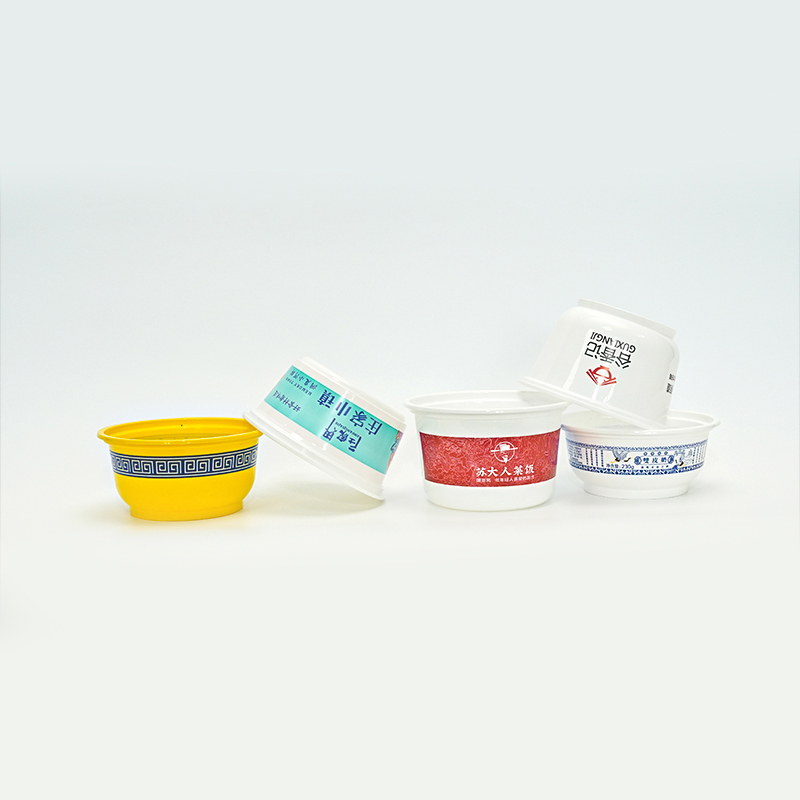
Plastic Takeaway bowl/box container
Why Plastic Takeaway Containers Matter in the Foodservice Industry
Foodservice operators work under constant pressure to deliver meals quickly while maintaining food quality and customer satisfaction. Packaging is a central part of this process. A container that is difficult to close can cause spills. A weak container may deform when filled with hot food. A poorly designed lid can slow down packing and create uncertainty during delivery. Packaging that cannot be stacked efficiently may also increase storage requirements and operating costs.
Modern plastic takeaway bowls and boxes respond to these challenges with a practical combination of low weight, structural strength, convenience, and economical production. Compared with many heavier or more fragile alternatives, plastic containers are easy for employees to handle in high-volume kitchens. They can be filled quickly, covered with matching lids, grouped for delivery, and placed into bags or transport boxes with minimal effort.
For consumers, the container contributes directly to the perceived quality of the meal. A stable container helps food arrive in an organized condition. A transparent or well-designed package can allow customers to identify the contents quickly. A secure closure helps preserve freshness and reduces the risk of leakage. A clean, consistent container also reinforces a restaurant’s attention to hygiene and service.
For food brands, packaging provides an additional communication platform. Custom colors, printed logos, product information, and promotional messages can transform a standard disposable container into a recognizable brand asset. As a result, takeaway packaging is no longer only a functional accessory. It is also part of a company’s customer experience, marketing strategy, and operating system.
Core Product Characteristics
Broad Temperature Operating Range
The containers are designed for use across a temperature range of approximately -10°C to 120°C. This range supports a variety of common foodservice conditions, including refrigerated storage, chilled preparation, hot filling, and microwave heating when used in accordance with the applicable product and food-safety instructions.
Temperature versatility is especially important for businesses that prepare meals in advance. A restaurant may need to place ingredients or finished portions in refrigerated storage before dispatch. A meal delivery kitchen may fill containers with hot food immediately after cooking. A consumer may later reheat the meal in a microwave. Packaging that can accommodate these stages offers greater operational flexibility than a container designed for only one temperature condition.
The use of suitable food-grade plastic materials, including polypropylene and polyethylene options where appropriate, helps the container maintain its functional performance during normal handling. These materials are selected for their resistance to moisture, practical strength, and ability to protect food from direct contact with external contaminants.
Toughness and Resistance to Deformation
A takeaway container must remain stable when it is filled, closed, carried, stacked, or placed inside a delivery bag. The product’s tough construction helps reduce the possibility of distortion during ordinary use. This is an important advantage over thin or poorly formed containers that may collapse under pressure or become unstable when holding hot food.
Structural toughness also improves the user experience. Customers can lift the container without excessive flexing, place it on a table, and serve food without the package losing its shape. For catering operators, stronger containers reduce handling concerns during packing and transportation. They can also help minimize product loss associated with cracked, crushed, or badly deformed packaging.
Strength is influenced by more than material selection. It also depends on wall thickness, container geometry, base design, rim formation, molding precision, and cooling control. A professionally managed manufacturing process considers these factors together instead of relying on material quantity alone. This allows the manufacturer to balance performance, weight, and cost.
Convenient Lid Handling
The container range incorporates an easy-to-lift lid concept intended to simplify covering, opening, carrying, and serving. In a busy kitchen, packaging speed matters. Employees must be able to identify the correct lid, position it accurately, and close it with consistent pressure. A well-designed lid reduces unnecessary steps and helps the packing line operate more smoothly.
For consumers, convenient lid handling makes the package easier to open without compromising closure during transportation. The lid is designed to work with the container rim, supporting a secure fit while allowing the user to access the food when needed. Depending on the selected model and matching lid configuration, the package can help retain food during normal movement and delivery conditions.
A reliable lid and rim system is particularly valuable for liquid or semi-liquid foods. Soups, sauces, curries, porridge, noodles, and prepared meals all require packaging that limits accidental opening. While no disposable container can eliminate every risk under improper handling, precise molding and compatible components provide a strong foundation for safe everyday use.
Stackable Design for Space Efficiency
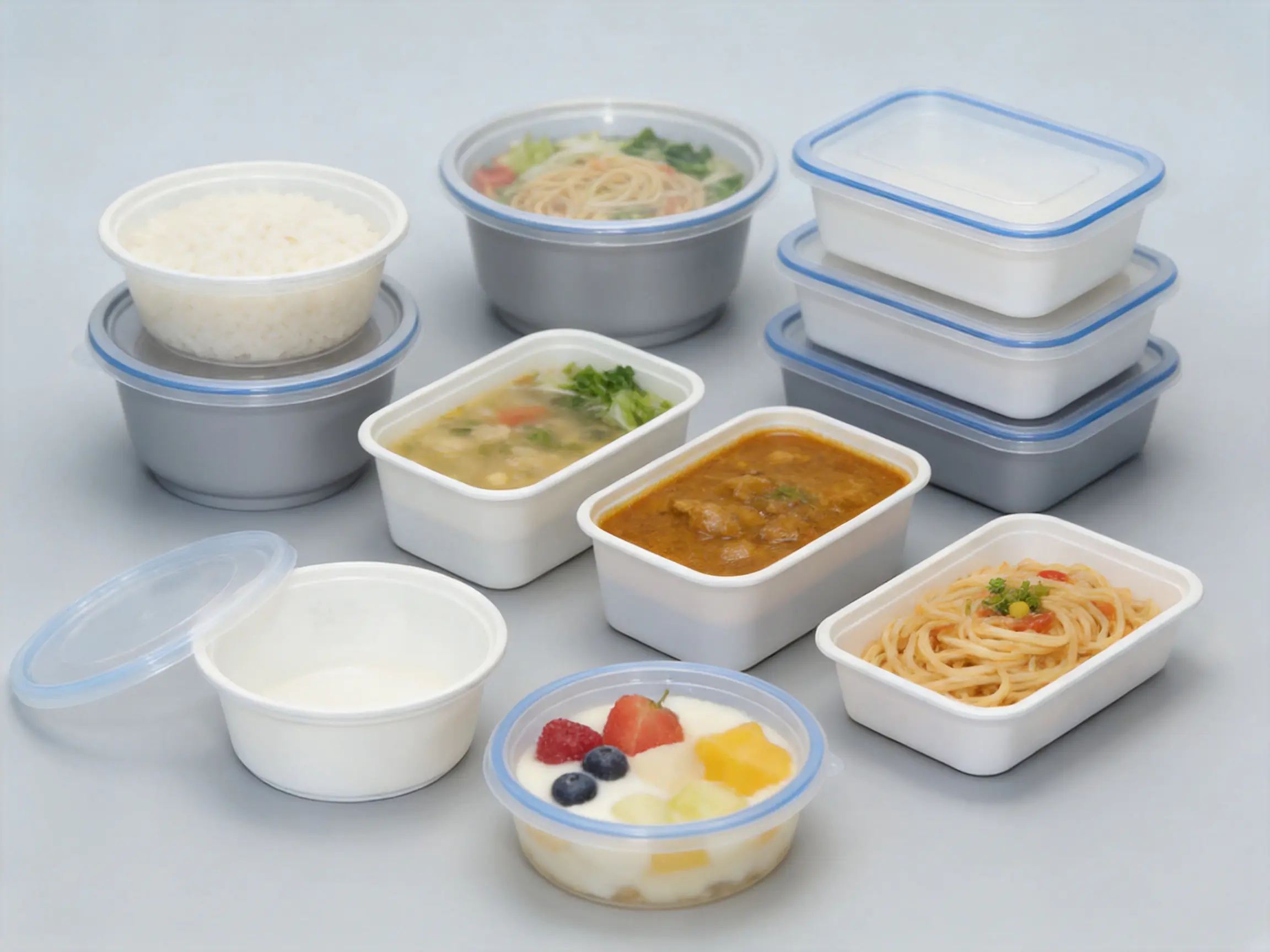
Storage space is a major concern in commercial kitchens, warehouses, retail stores, and delivery operations. The containers are designed to support stacking, allowing businesses to store more units in a limited area. Stackability also helps employees organize different capacities and prepare packaging for rapid use.
Efficient stacking can reduce clutter around food preparation stations. It may also simplify inventory counting, carton arrangement, and transport planning. When containers nest or stack consistently, the risk of unstable piles is reduced. This is especially useful for restaurant chains and central kitchens that purchase large quantities of packaging at regular intervals.
Stackable packaging can create benefits throughout the supply chain. Manufacturers can arrange products efficiently in cartons. Distributors can use warehouse and vehicle space more effectively. Restaurants can keep a broader selection of capacities without requiring excessive storage furniture. These practical improvements contribute to the overall cost-effectiveness of the packaging system.
Available Capacities and Product Configurations
The product range includes multiple specifications in two main format groups, identified as M-series and P-series models. The selection covers compact portions, standard meal sizes, large servings, and family-size capacities. This variety allows food businesses to match the container to the menu instead of forcing every product into one standard package.
| Specification | Volume (ml) | Mouth (mm) | Height (mm) | Bottom (mm) | Grammage (g) |
|---|---|---|---|---|---|
| M-360 | 360 | 120 | 52 | 75 | 9/10 |
| M-400 | 400 | 120 | 58 | 78 | 10 |
| M-500 | 500 | 120 | 70 | 73 | 10/13 |
| M-700 | 700 | 142 | 69 | 91 | 13 |
| M-850 | 850 | 142 | 81 | 91 | 16 |
| M-999 | 999 | 142 | 95 | 95 | 19 |
| M-1100 | 1100 | 179 | 82 | 120 | 21/26 |
The M-series provides a progression from 360 milliliters to 1,100 milliliters. The smaller formats are suitable for side dishes, snacks, desserts, fruit, and individual portions. Medium capacities can be used for rice meals, noodle dishes, salads, pasta, and standard takeaway servings. The 999-milliliter and 1,100-milliliter options provide additional volume for larger portions or meals containing multiple components.
| Specification | Volume (ml) | Mouth (mm) | Height (mm) | Bottom (mm) | Grammage (g) |
|---|---|---|---|---|---|
| P-500 | 500 | 120 | 72 | 85 | 11 |
| P-600 | 600 | 150 | 57 | 124 | 15 |
| P-800 | 800 | 150 | 79 | 118 | 18 |
| P-1000 | 1000 | 150 | 98 | 118 | 23 |
| P-1250 | 1250 | 179 | 79.5 | 145 | 28/35 |
| P-1500A | 1500 | 179 | 98 | 128 | 30/35 |
| P-1750 | 1750 | 179 | 118 | 128 | 39 |
The P-series extends the selection to 1,750 milliliters. These containers are suited to larger prepared meals, family portions, catering orders, combination dishes, and food products that require additional headspace. The differences in mouth diameter, height, base dimension, and grammage provide useful options for businesses that need a specific balance between capacity and shape.
Capacity selection should consider more than nominal volume. Food density, serving style, liquid content, stacking requirements, delivery distance, and the desired visual presentation all influence the ideal format. For example, a shallow container may be convenient for broad dishes and easy access, while a taller model may be more appropriate for layered meals or food requiring vertical space. The manufacturer can assist buyers in selecting and adjusting the most appropriate solution.
Material Selection and Food Protection
Food packaging materials must provide a suitable barrier between the product and the external environment. High-quality polypropylene and polyethylene are commonly used in disposable food packaging because they offer practical toughness, moisture resistance, and useful temperature performance. Their physical characteristics can be adapted to different container designs and production requirements.
Polypropylene is widely valued for its resistance to heat and its suitability for many hot-food applications. It can maintain useful strength at elevated temperatures and is frequently considered for products intended for reheating. Polyethylene materials are also used throughout food packaging because of their flexibility, sealing characteristics, and resistance to moisture. The exact material choice depends on the product design, manufacturing process, intended application, and customer requirements.
Food-grade materials help reduce the possibility of undesirable interaction between the container and its contents. A properly selected material should not materially alter the food’s normal taste, aroma, or appearance when the package is used as intended. It should also support hygienic handling from production through filling and delivery.
Material selection is only one part of food safety. Production cleanliness, equipment maintenance, employee procedures, storage conditions, and quality inspection all contribute to the final performance of the container. This is why a professional manufacturer needs a complete quality system rather than relying only on a material certificate or a single inspection step.
Manufacturing Process and Technical Strengths
Product Development and Mold Design
The manufacturing process begins with product development. Container capacity, opening diameter, height, base structure, wall thickness, lid compatibility, stacking behavior, and visual requirements must be considered before production begins. A professional design team can translate a customer’s application and brand objectives into a practical packaging structure.
Mold design is critical because the mold determines the basic geometry and repeatability of the container. Precise mold engineering supports consistent dimensions across large production runs. It also affects the smoothness of the rim, the accuracy of the lid fit, the stability of the base, and the appearance of the final product.
Advanced mold design helps avoid common defects such as uneven walls, incomplete forming, inconsistent corners, poor stacking, and irregular edges. It can also improve material distribution, allowing the manufacturer to achieve strength where it is needed without unnecessary weight in areas that do not require additional thickness.
Controlled Plastic Forming and Injection Production
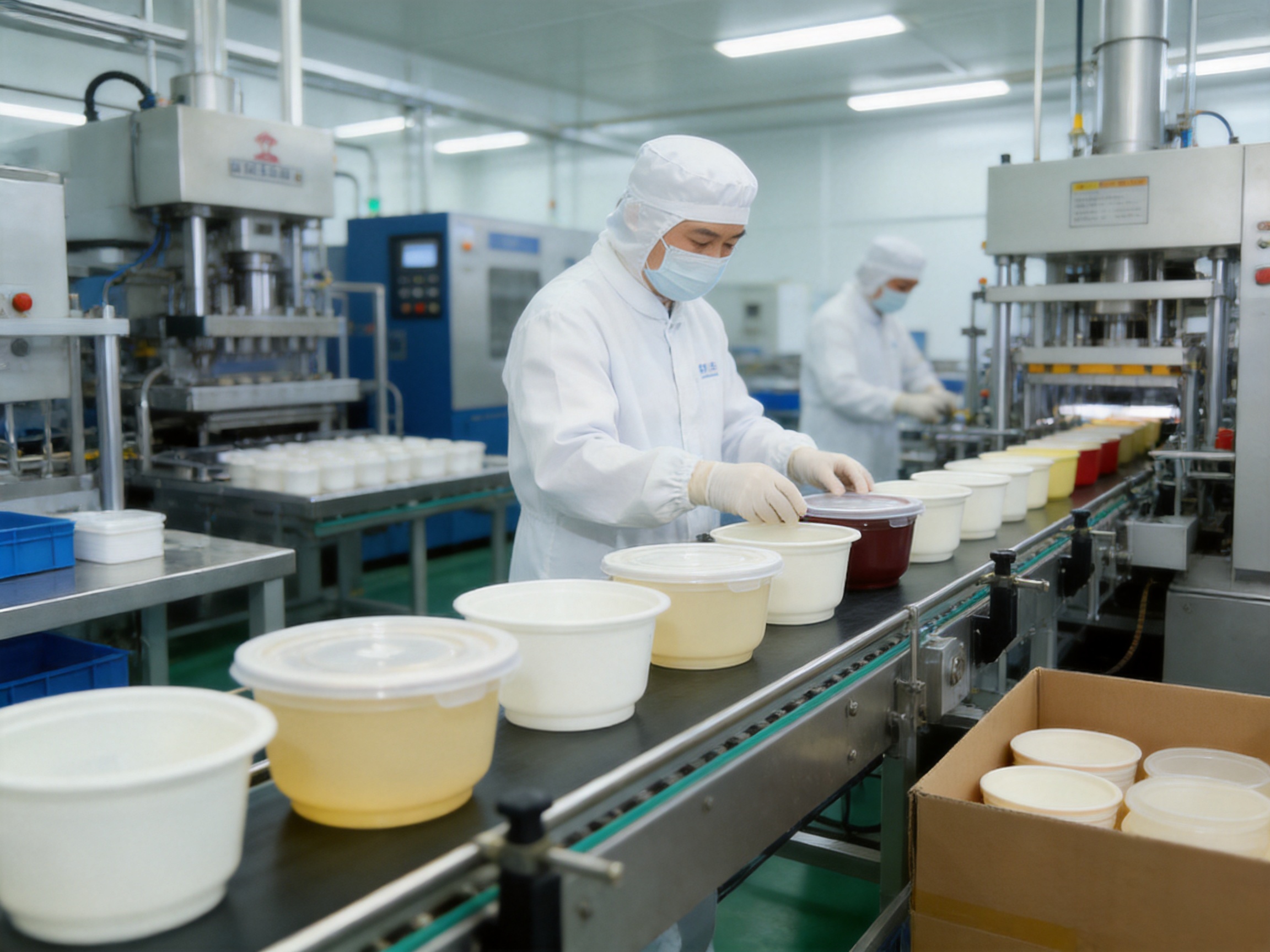
Depending on the specific model and production plan, plastic packaging may be manufactured using controlled forming and injection-related processes. These processes require accurate temperature control, pressure management, cycle timing, cooling, and demolding. Small variations can affect the clarity, dimensions, weight, surface finish, and mechanical performance of the finished product.
Production equipment must be operated according to defined process parameters. Material must be prepared correctly, and machines must be maintained to prevent contamination or inconsistent output. Automated or semi-automated production systems can improve repeatability and reduce variation between batches.
For high-volume disposable packaging, efficiency is important, but speed cannot replace quality control. A stable process is one that produces containers at a commercially viable rate while maintaining required dimensional and functional standards. The manufacturer’s experience helps operators identify process changes before they result in widespread defects.
Cooling, Trimming, and Finishing
After forming, the container must cool sufficiently to maintain its shape. Cooling conditions influence shrinkage, dimensional stability, and resistance to deformation. Controlled cooling helps ensure that the mouth remains compatible with the lid and that the base sits evenly on a flat surface.
Finishing operations may include trimming excess material, checking the rim, removing visible imperfections, and preparing the product for inspection and packing. Clean edges are important for user comfort and for a professional appearance. A well-finished rim also supports a more reliable closure when the lid is applied.
Where printing or decoration is required, the finishing process must be coordinated with surface preparation and ink adhesion. Logos and information should remain clear during normal handling and should reflect the customer’s approved artwork accurately. Consistent printing can strengthen brand recognition across multiple locations and product categories.
Inspection and Quality Management
Quality control should operate throughout the production cycle rather than only at the end. Incoming materials can be checked before use. During production, operators and quality personnel can monitor dimensions, weight, appearance, forming quality, and lid compatibility. Finished products can then be inspected before packing and shipment.
Typical inspection considerations include container volume, mouth diameter, height, base dimensions, grammage, rim condition, visual cleanliness, structural integrity, and resistance to ordinary handling. Depending on the customer’s requirements, additional tests may address sealing, stacking, temperature performance, printing adhesion, and packaging durability.
The company’s quality management system is supported by ISO9001 certification and other industry-related qualifications and testing credentials. These systems encourage documented procedures, traceability, corrective action, process improvement, and responsibility at each stage of production. For buyers, this provides greater confidence that product quality is managed systematically rather than informally.
Advantages Over Ordinary or Poorly Designed Competitor Products
More Practical Temperature Performance
Some low-cost containers are designed only for room-temperature food and may become soft or distorted when filled with hot meals. Others may become brittle during refrigerated storage. A container designed for a broader operating range gives food businesses more freedom to prepare, store, transport, and reheat meals using one compatible packaging family.
The -10°C to 120°C range provides a useful reference for commercial planning. However, food operators should always confirm the precise suitability of the selected model, matching lid, microwave equipment, food type, and handling method before introducing it into routine operations. Correct use is essential for any packaging material.
Improved Structural Reliability
Weak containers may bend when lifted, lose their shape when stacked, or become unstable when filled with heavy food. The tough construction of these takeaway bowls and boxes is intended to reduce such problems. A stable base and consistent walls contribute to more secure handling, particularly during delivery.
This reliability can improve productivity because staff spend less time replacing damaged packages or reorganizing unstable stacks. It can also reduce customer complaints associated with crushed packaging, spills, or meals that arrive in poor condition.
More Complete Capacity Coverage
Competitor product lines may offer only a few standard capacities, forcing businesses to use oversized containers for small meals or undersized containers for larger portions. The broad selection from 360 milliliters to 1,750 milliliters allows a more precise match between food portion and package size.
Better sizing can reduce wasted internal space, improve presentation, and support more efficient use of packaging materials. It can also make menu planning easier because each category of food can be assigned a consistent container size.
Better Support for Customization
Many standard packaging suppliers offer limited customization. By contrast, the manufacturer provides support for personalized capacity, mouth diameter, color, shape, logo, and printed information, subject to technical evaluation and order requirements. This creates opportunities for restaurant groups, private-label food companies, wholesalers, and catering brands to build a distinctive packaging system.
Customization can also solve practical problems. A customer may need a wider opening for a particular food product, a different height for stacking, a specific color for product identification, or a special printed area for nutrition information. Working directly with a manufacturer allows these requirements to be discussed during product development instead of being treated as an afterthought.
Customization and Design Services
Packaging customization begins with understanding the customer’s product and operating environment. The design team can review the food type, portion size, filling temperature, storage method, transportation conditions, lid requirements, branding objectives, and target market. This information helps determine whether an existing specification is appropriate or whether a modified design would provide a better result.
Capacity and Dimension Customization
Capacity can be adjusted to suit a particular menu or portion strategy. A restaurant chain may want a dedicated size for a signature meal. A food manufacturer may require a container that matches an existing filling line. A catering company may need a larger package for shared dishes. In each case, the effective capacity depends on the container’s internal shape, headspace, mouth diameter, and height, not simply the number printed on a product list.
Dimension customization may include changes to the opening, height, base, rim, or overall profile. These changes should be evaluated carefully because they affect stacking, lid compatibility, mold design, production cost, and transportation efficiency. The manufacturer’s technical team can help balance the requested dimensions with production feasibility.
Color and Shape Customization
Color can help distinguish product categories, identify flavors, reinforce brand identity, or create a more attractive presentation. A consistent color system may be particularly useful for businesses with multiple menu ranges or service channels.
Shape customization can influence both appearance and functionality. Rounded forms may support easy cleaning and smooth handling, while broader bases may improve stability. The most suitable shape depends on the food product, filling method, stacking plan, lid design, and visual preference.
Logo and Information Printing
Custom printing can place a company logo, slogan, product name, usage information, recycling guidance, preparation instructions, or promotional message directly on the packaging. Clear printing helps customers identify the brand and may support repeat purchases when meals are delivered outside the restaurant’s physical location.
Advanced printing technology is used to improve the clarity and durability of printed information. Artwork should be supplied in an appropriate format and reviewed before mass production. The final result depends on the container surface, ink system, color selection, printing position, and handling conditions.
Printed packaging should remain aligned with applicable food-contact and labeling requirements. Customers should confirm regulatory obligations in the destination market, particularly when packaging carries nutritional, environmental, or preparation claims.
Applications Across Foodservice and Retail
Restaurant Chains and Takeaway Kitchens
Restaurant chains need consistency across branches. Using a standardized container family can simplify procurement, staff training, inventory control, and brand presentation. Different sizes can be assigned to specific menu categories while maintaining a unified appearance.
Centralized purchasing may also improve supply planning. A chain can forecast demand by container size, establish reorder points, and coordinate delivery to different locations. The availability of custom printing further supports brand consistency across a distributed restaurant network.
Food Delivery and Cloud Kitchens
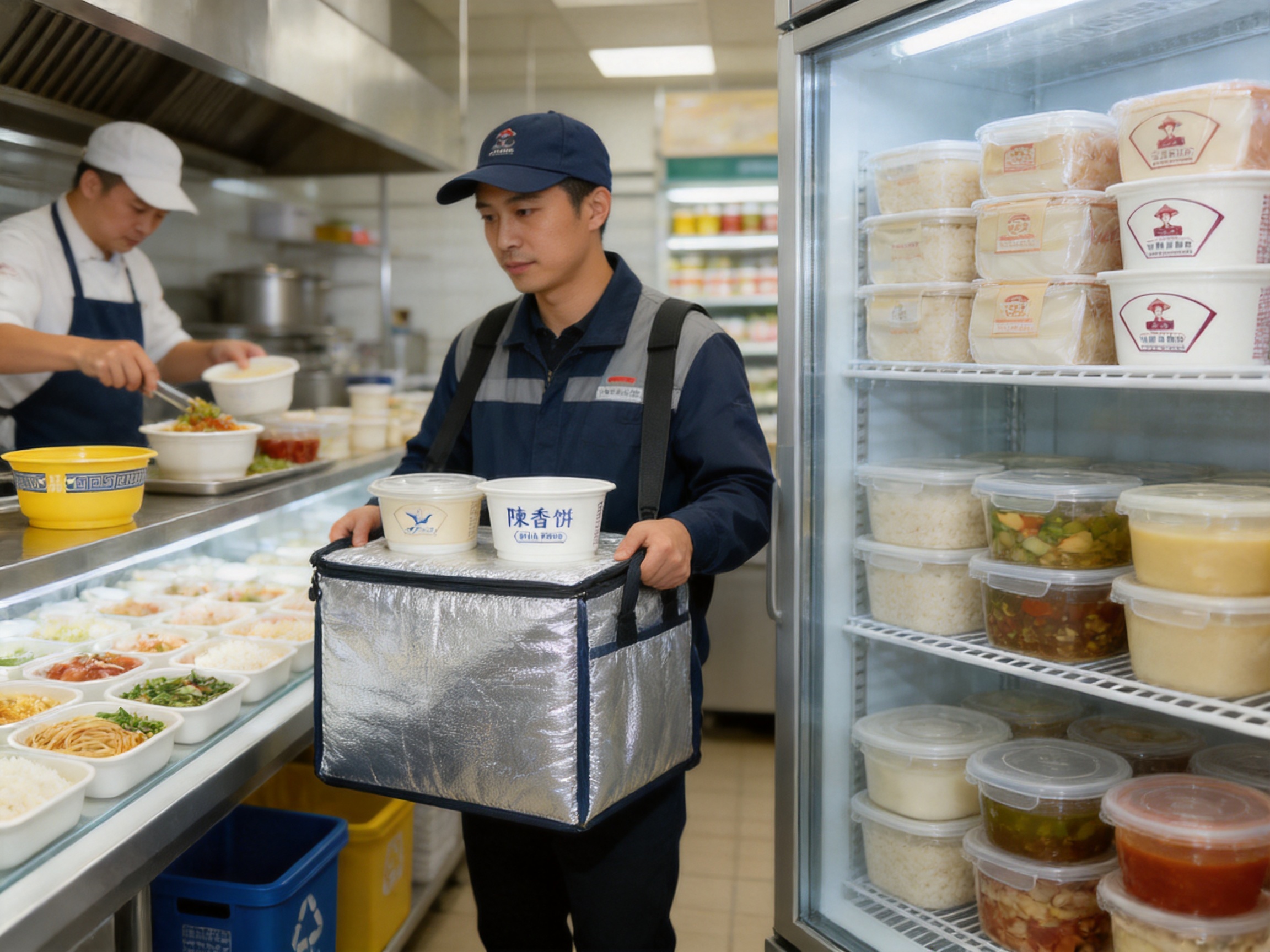
Delivery-focused food businesses depend heavily on package performance. Meals may be moved by employees, drivers, couriers, or consumers across varying distances and road conditions. A container with a secure lid, stable base, and suitable toughness can help protect the meal during this journey.
The range of capacities supports different delivery menus, including rice meals, noodles, salads, soups, combination platters, and family portions. Stackability is also valuable because delivery orders often contain multiple packages that must be arranged inside a bag or insulated box.
Family Gatherings and Large Events
Large events require packaging that can be prepared quickly and handled by many people. Disposable bowls and boxes reduce the need for washing and allow organizers to distribute meals efficiently. The larger capacities are suitable for shared foods, generous portions, and catering services.
Custom colors or printing can also be used for weddings, corporate events, festivals, school functions, and promotional activities. Event-specific packaging can make the service appear more coordinated while providing a practical way to communicate event or sponsor information.
Supermarkets and Prepared Food Counters
Supermarkets and prepared food departments can use the containers for chilled meals, salads, desserts, deli products, and ready-to-eat portions. Transparent or visually accessible designs can help customers inspect the food before purchase, while secure lids help maintain presentation during transport.
Multiple sizes allow retailers to offer individual meals and larger family portions without using unrelated packaging systems. A consistent container family can simplify shelf organization and improve the appearance of the prepared-food section.
Industrial Catering and Institutional Foodservice
Schools, hospitals, factories, offices, and other institutions often require large-scale meal distribution. In these environments, packaging must support predictable portioning, efficient assembly, safe transport, and simple disposal or collection procedures.
The containers’ capacity range and stacking capability can help institutional kitchens organize production. The choice of model should be based on the food type, temperature, distribution period, and local food-contact requirements.
Environmental Considerations and Sustainable Development
Disposable packaging is increasingly evaluated not only by its convenience and cost but also by its environmental impact. Food businesses and consumers are asking manufacturers to reduce material waste, improve resource efficiency, and explore lower-impact material options.
Yuqian Packaging Technology has expressed a commitment to green production and the development of environmentally oriented food packaging solutions. The company works with materials such as biodegradable plastics where appropriate and continues to optimize production processes to reduce energy consumption, waste emissions, and inefficient use of resources.
Environmental performance should be considered across the full product life cycle. Important factors include raw material sourcing, production energy, material weight, transportation efficiency, food waste prevention, reuse possibilities where applicable, and end-of-life treatment. A lightweight package may reduce transport impact, while a stronger package may help prevent food loss caused by leakage or damage. Both factors can be relevant in a complete sustainability assessment.
Biodegradable or compostable materials must be evaluated according to their specific composition, certification, local waste infrastructure, and required disposal conditions. Not every biodegradable material breaks down in every environment, and local collection systems vary widely. Manufacturers and buyers should communicate accurate disposal information and avoid unsupported environmental claims.
Process optimization also contributes to sustainability. Efficient molding, accurate material distribution, reduced scrap, controlled energy use, and improved production planning can lower the resources required per usable container. Continuous improvement in these areas can provide environmental benefits while maintaining the performance expected by foodservice customers.
Quality Certifications and Compliance Strengths
Food packaging buyers often need documented evidence that a supplier maintains appropriate production and management standards. The company’s reported qualifications include the QS national industrial product production license, ISO9001 quality management system certification, BRC certification, German authoritative safety DIN certification, and EU RoHS+ testing.
Each certification or testing framework addresses different aspects of production, safety, quality management, or restricted substances. Buyers should request current documentation and confirm that the scope applies to the specific product, material, production site, and destination market. Certification is most useful when supported by consistent implementation, traceability, and regular review.
A disciplined quality system can improve communication between design, purchasing, production, inspection, warehousing, and customer service teams. It also provides a framework for investigating nonconformities and implementing corrective action. This is particularly important for custom products because changes in material, mold, color, artwork, or dimensions must be controlled carefully.
Procurement and Product Selection Guidance
Buyers should begin by identifying the intended food application. Important questions include whether the food is hot, chilled, frozen, liquid, oily, acidic, dry, or mixed. The expected filling temperature and storage conditions should be recorded. If microwave reheating is required, the complete container and lid configuration should be evaluated under the intended use conditions.
The required capacity should be based on actual serving volume and desired headspace. Overfilling can create closure problems, while excessive empty space may affect presentation and transport efficiency. Buyers should also consider whether the package needs to accommodate toppings, sauces, or separate food components.
Lid compatibility is another essential consideration. The container and lid should be tested as a complete system. Closing force, sealing performance, opening convenience, stacking, and transport stability should be evaluated before full-scale adoption.
For customized products, the development schedule should include design confirmation, mold preparation, prototype review, sample testing, artwork approval, production validation, and final inspection. Clearly defined specifications help prevent misunderstanding between the buyer and manufacturer.
Purchasers should also confirm carton quantities, minimum order requirements, lead times, export packaging, shipping conditions, storage recommendations, and after-sales procedures. A strong manufacturing partner should be able to provide clear technical information and practical communication throughout the process.
Recommended Quality and Performance Evaluation
Before ordering at commercial scale, buyers can conduct a structured evaluation. Visual inspection should check for contamination, uneven edges, deformation, inconsistent color, incomplete forming, and printing defects. Dimensional checks should compare the product with the approved specification, including mouth diameter, height, base size, and weight.
Functional testing should include filling the container with representative food products. The filled package can be lifted, closed, stacked, moved, and stored under expected conditions. For liquid or semi-liquid foods, leakage and lid retention should be assessed. For hot foods, the container should be observed for deformation or loss of stability during normal handling.
If refrigeration or microwave heating is part of the intended application, testing should reproduce the actual process as closely as possible. The package should be inspected before and after temperature exposure. Food-contact and regulatory testing should be completed according to the requirements of the destination market and product category.
Transportation testing may be useful for delivery businesses. Several filled containers can be arranged in the intended delivery bag or carton and moved under realistic conditions. This can reveal problems related to stacking, lid pressure, tipping, friction, and compression that may not appear during stationary testing.
Q&A: Plastic Takeaway Bowl and Box Containers
What foods can be packed in these containers?
The containers can be used for many takeaway applications, including rice meals, noodles, pasta, salads, soups, sauces, curries, desserts, fruit, snacks, prepared foods, and family-size portions. The ideal model depends on the food’s temperature, moisture level, density, portion size, and transport requirements.
Can the containers be used in a microwave?
The product information indicates suitability for microwave heating within the stated temperature range. Users should confirm the exact model, lid configuration, heating instructions, food type, heating time, and destination-market requirements before routine microwave use. The lid may require separate handling during heating, depending on its design.
Are the containers suitable for refrigeration?
Yes. The stated operating range begins at approximately -10°C, making the containers suitable for many refrigerated storage applications. Buyers should confirm the specific storage conditions, duration, and food-contact requirements for their application.
What capacities are available?
The listed capacities range from 360 milliliters to 1,750 milliliters. Available models include M-360, M-400, M-500, M-700, M-850, M-999, M-1100, P-500, P-600, P-800, P-1000, P-1250, P-1500A, and P-1750.
Can the product be customized?
Customization is available for capacity, mouth diameter, color, shape, logo, and printed information, subject to technical assessment and order conditions. A professional design team can help develop a packaging solution based on the customer’s food product, brand image, and operational requirements.
Can the containers be stacked?
Yes. The product design supports stacking to save storage space and improve handling efficiency. Buyers should test the selected model with the matching lid and intended food load to confirm the most effective stacking arrangement.
What materials are used?
Food packaging materials such as food-grade polypropylene and polyethylene may be used according to the product design and application. Environmentally oriented options, including biodegradable plastics, may also be discussed. The exact material should be confirmed in the product specification and compliance documentation.
How does the lid improve convenience?
The easy-to-lift lid design is intended to simplify closing, opening, carrying, and pouring or serving. It supports efficient packing in commercial kitchens while helping maintain a secure closure during ordinary handling and transportation.
What quality certifications are associated with the manufacturer?
The manufacturer reports QS national industrial product production license, ISO9001 quality management system certification, BRC certification, German DIN safety certification, and EU RoHS+ testing. Buyers should request current documentation and verify the applicable scope for their specific order.
How should a buyer choose between the M-series and P-series?
The choice should be based on capacity, mouth diameter, height, base dimensions, food type, filling method, storage plan, and lid requirements. The M-series covers 360 to 1,100 milliliters, while the P-series covers 500 to 1,750 milliliters with different proportions and base configurations.
Is custom printing available?
Yes. Custom printing can be used for logos, product information, promotional messages, and other approved artwork. The customer should provide final artwork and approve a production sample or proof before mass production.
What should be checked before placing a large order?
Buyers should confirm the material, capacity, dimensions, grammage, lid fit, temperature range, printing, certifications, carton quantity, minimum order quantity, lead time, shipping packaging, and intended-use test results. A representative sample test is recommended before commercial adoption.
Why Choose an Experienced OEM Manufacturing Partner?
An OEM manufacturer can provide more than a catalog of standard containers. It can help customers develop a complete packaging solution that includes product selection, structural design, material evaluation, mold development, printing, production, inspection, and delivery. This integrated approach can reduce communication gaps and shorten the path from concept to finished package.
Yuqian Packaging Technology (Jiangsu) Co., Ltd. was established in 2010 and operates in Taizhou City, Jiangsu Province. Its reported plant area is approximately 30,000 square meters, with activities covering research and development, production, and sales of new food packaging materials and products. The company also established a Shanghai branch to support service development and business expansion.
The company’s technical strengths include experience in plastic food packaging, custom product development, modern production management, and quality system implementation. Its focus on material innovation and process improvement supports customers that need both reliable standard products and personalized packaging solutions.
For restaurant groups, wholesalers, food manufacturers, and catering companies, this type of partnership can provide greater flexibility than purchasing anonymous generic products. The buyer can discuss the intended food application directly with a technical team, receive recommendations on size and structure, and coordinate branding and production requirements through one supplier.
Conclusion
Plastic takeaway bowls and box containers continue to play an important role in the modern foodservice economy. Their value comes from a combination of practical features: low weight, useful strength, temperature versatility, convenient lid handling, stackable construction, multiple capacities, and economical large-scale production.
The product range discussed here is designed to serve food businesses with capacities from 360 milliliters to 1,750 milliliters. Its -10°C to 120°C operating range supports refrigerated storage and suitable hot-food applications, while the tough material structure helps resist ordinary deformation. The easy-to-lift lid design improves packing and consumer convenience, and stackability helps reduce storage pressure.
Compared with poorly designed competitor products, the containers offer broader application flexibility, more complete size coverage, stronger customization support, and a manufacturing system backed by documented quality management and industry-related certifications. The company’s capabilities in product development, mold design, controlled production, printing, inspection, and environmental improvement provide an integrated foundation for OEM and customized packaging projects.
For the best result, buyers should select the container according to food type, capacity, temperature, transportation, lid requirements, regulatory conditions, and branding objectives. With suitable product testing and clear technical communication, these disposable food packaging containers can support efficient operations, consistent presentation, and dependable customer service across restaurants, delivery kitchens, retail food counters, catering businesses, and large-scale events.
References
1. Product specification information for plastic takeaway bowl and box container models, including capacities, dimensions, and grammage.
2. Manufacturer-provided information concerning food packaging materials, production capabilities, customization services, and quality management systems.
3. ISO9001 quality management principles for manufacturing process control, documentation, corrective action, and continual improvement.
4. BRC Global Standard guidance relating to food packaging safety, hygienic production, and supplier management.
5. General technical literature on polypropylene and polyethylene materials used in food packaging applications.
6. General packaging engineering guidance concerning container dimensions, lid compatibility, stacking, temperature exposure, and transport testing.
7. General sustainability guidance concerning biodegradable plastics, material efficiency, waste reduction, and life-cycle considerations for disposable food packaging.