English
 Español
 عربى
عربىContent
- 1 The Rise of Disposable Food Packaging in Modern Catering
- 2 Core Advantages of High-Quality Disposable Food Containers
- 3 Advanced Manufacturing Processes & Quality Assurance
- 4 Competitive Edge in the Disposable Packaging Industry
- 5 Application Scenarios & Real-World Impact
- 6 Q&A About Disposable Food Containers
- 7 References
- 8 Disposable Food Container Specifications
In an era where convenience and sustainability intersect, disposable food packaging has emerged as a cornerstone of modern catering. From quick-service restaurants to family gatherings, these containers play a critical role in preserving food quality, ensuring safety, and reducing waste. This article explores the key advantages of high-performance disposable food packaging, the advanced manufacturing processes that set it apart, and how it addresses the evolving needs of consumers and businesses alike.
The Rise of Disposable Food Packaging in Modern Catering
The global disposable food packaging market has witnessed exponential growth over the past decade, driven by shifting consumer lifestyles and the expansion of the food service industry. According to Grand View Research (2023), the market was valued at $189.2 billion in 2022 and is projected to reach $312.5 billion by 2030, with a compound annual growth rate (CAGR) of 6.5%. This growth is fueled by several key factors: the rise of food delivery platforms like Uber Eats and DoorDash, the increasing demand for on-the-go meals, and the heightened focus on hygiene post-pandemic.
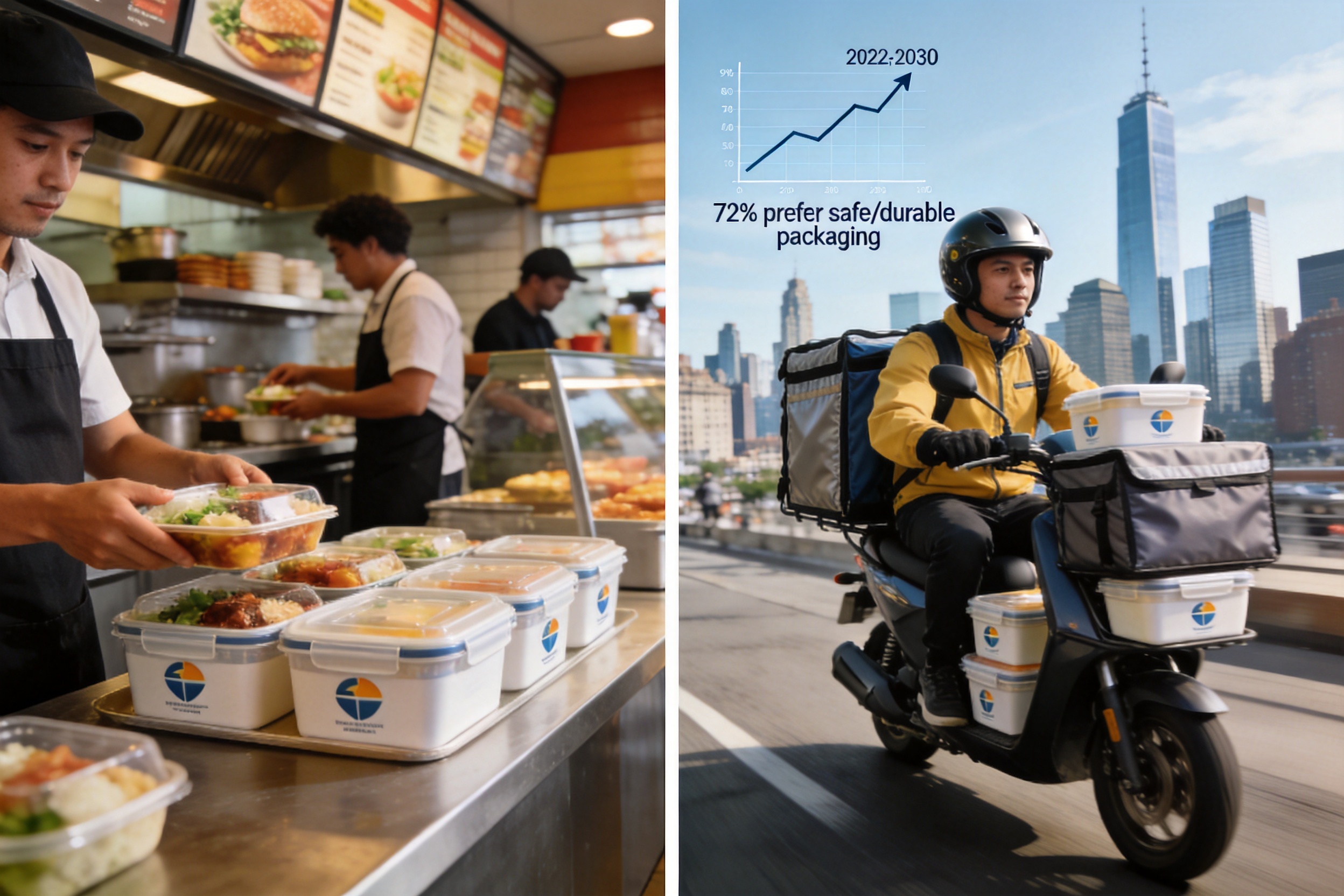
Consumers and businesses now expect more from disposable packaging than just basic containment. Modern containers must meet stringent safety standards, withstand extreme temperatures, offer customization options, and align with environmental sustainability goals. This has led to a shift from generic, low-quality packaging to specialized, high-performance solutions that balance functionality, safety, and eco-friendliness. For example, a 2022 survey by the Food Service Industry Association (FSIA) found that 72% of consumers prefer restaurants that use safe, durable disposable containers, while 65% prioritize eco-friendly packaging options.
Core Advantages of High-Quality Disposable Food Containers
High-performance disposable food containers stand out from generic alternatives due to their superior design, material quality, and functional features. Below are the key advantages that make them a preferred choice for businesses and consumers:
Temperature Resistance & Versatility
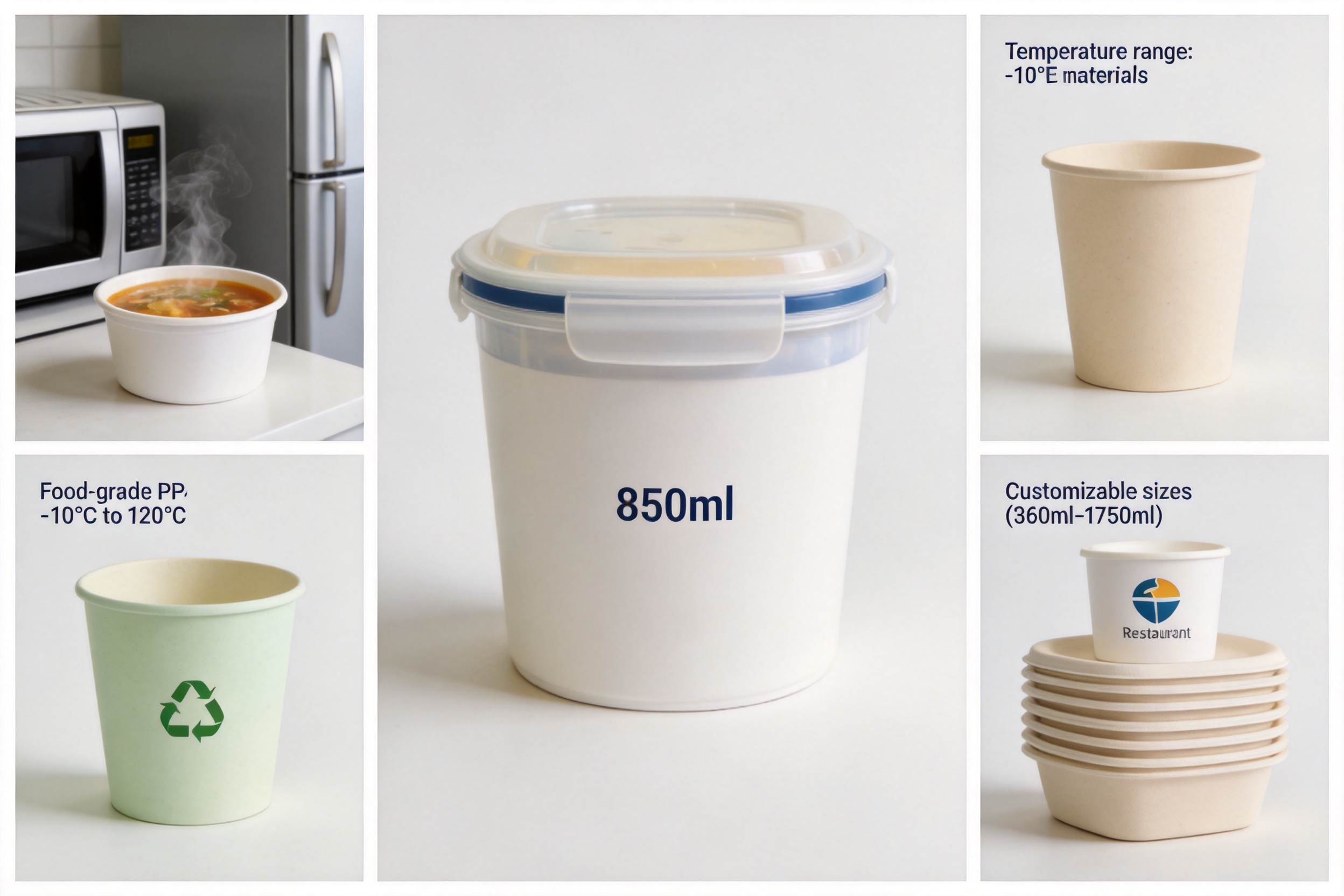
One of the most critical advantages of modern disposable food containers is their ability to withstand a wide range of temperatures. Unlike many generic containers that degrade or release harmful substances at extreme temperatures, top-tier options are designed to function seamlessly between -10°C and 120°C. This means they can safely hold cold foods (like salads or iced beverages) and hot meals (such as soups, curries, or microwaved leftovers) without compromising structural integrity or food safety.
For example, a container designed for takeaway can be refrigerated overnight, then microwaved the next day without warping, leaking, or releasing chemicals into the food. This versatility eliminates the need for transferring food to separate containers, saving time and reducing waste. A 2021 study by the International Food Packaging Association (IFPA) found that 81% of consumers use disposable containers for both refrigeration and microwave heating, highlighting the importance of this feature.
Material Durability & Safety
High-quality disposable food containers are made from food-grade materials such as polypropylene (PP) and polyethylene (PE), which are known for their durability and safety. These materials are non-toxic, non-reactive, and do not leach harmful chemicals like BPA into food, even when exposed to high temperatures. Additionally, they are tough and resistant to impact, meaning they are less likely to crack or break during transportation or handling.
Many top manufacturers also incorporate biodegradable materials (like PLA or compostable plastics) into their product lines, addressing growing concerns about plastic waste. These materials break down naturally in industrial composting facilities within 90 days, reducing their environmental footprint compared to traditional plastics. For example, PLA containers made from cornstarch are a popular eco-friendly alternative, as they are renewable and compostable.
Customization & User-Friendliness
Modern disposable food containers offer extensive customization options to meet the unique needs of businesses. This includes varying capacities (from 360ml to 1750ml), shapes, colors, and printing options. For example, restaurant chains can print their logo, brand colors, or promotional messages on containers to enhance brand visibility and customer loyalty. A 2022 FSIA study found that 68% of consumers are more likely to return to a restaurant that uses branded packaging.
User-friendly features like easy-lift lids and stackable designs further add to their appeal. Easy-lift lids make it simple to open and close containers, even with one hand, while stackable designs save space in storage and transportation, reducing logistics costs for businesses. For example, a caterer can stack 100 1750ml containers in a small space, making it easier to transport large quantities of food to events.
Sustainability & Environmental Compliance
As environmental awareness grows, consumers and businesses are prioritizing eco-friendly packaging solutions. High-quality disposable food containers are designed with sustainability in mind, using recycled or biodegradable materials and minimizing waste in production. Many manufacturers also optimize their production processes to reduce energy consumption and emissions, aligning with global sustainability goals like the UN Sustainable Development Goals (SDGs).
Additionally, these containers comply with international safety and environmental standards, such as QS (China National Industrial Product Production License), ISO9001, BRC, DIN (Germany), and EU ROHS+. These certifications ensure that the containers are safe for food contact and meet strict environmental regulations. For example, EU ROHS+ restricts the use of hazardous substances like lead and mercury, making the containers safe for both consumers and the environment.
Advanced Manufacturing Processes & Quality Assurance
The performance and safety of disposable food containers depend heavily on the manufacturing processes and quality control measures employed by the manufacturer. Leading manufacturers use state-of-the-art technology and rigorous testing to ensure their products meet the highest standards.
Material Selection & Sourcing
Top manufacturers prioritize material quality by sourcing food-grade raw materials from reputable suppliers. They conduct thorough audits of suppliers to ensure compliance with safety and environmental standards. For biodegradable products, they use certified compostable materials that meet international standards like EN 13432 (European compostable standard) and ASTM D6400 (American compostable standard).
Material selection is also tailored to the specific application of the container. For example, containers designed for hot foods may use heat-resistant PP, while those for cold foods may use lightweight PE for cost-effectiveness. Yuqian Packaging Technology (Jiangsu) Co., Ltd., a leading manufacturer in this field, sources 95% of its raw materials from ISO-certified suppliers, ensuring consistent quality and safety.
Precision Injection Molding & Process Optimization
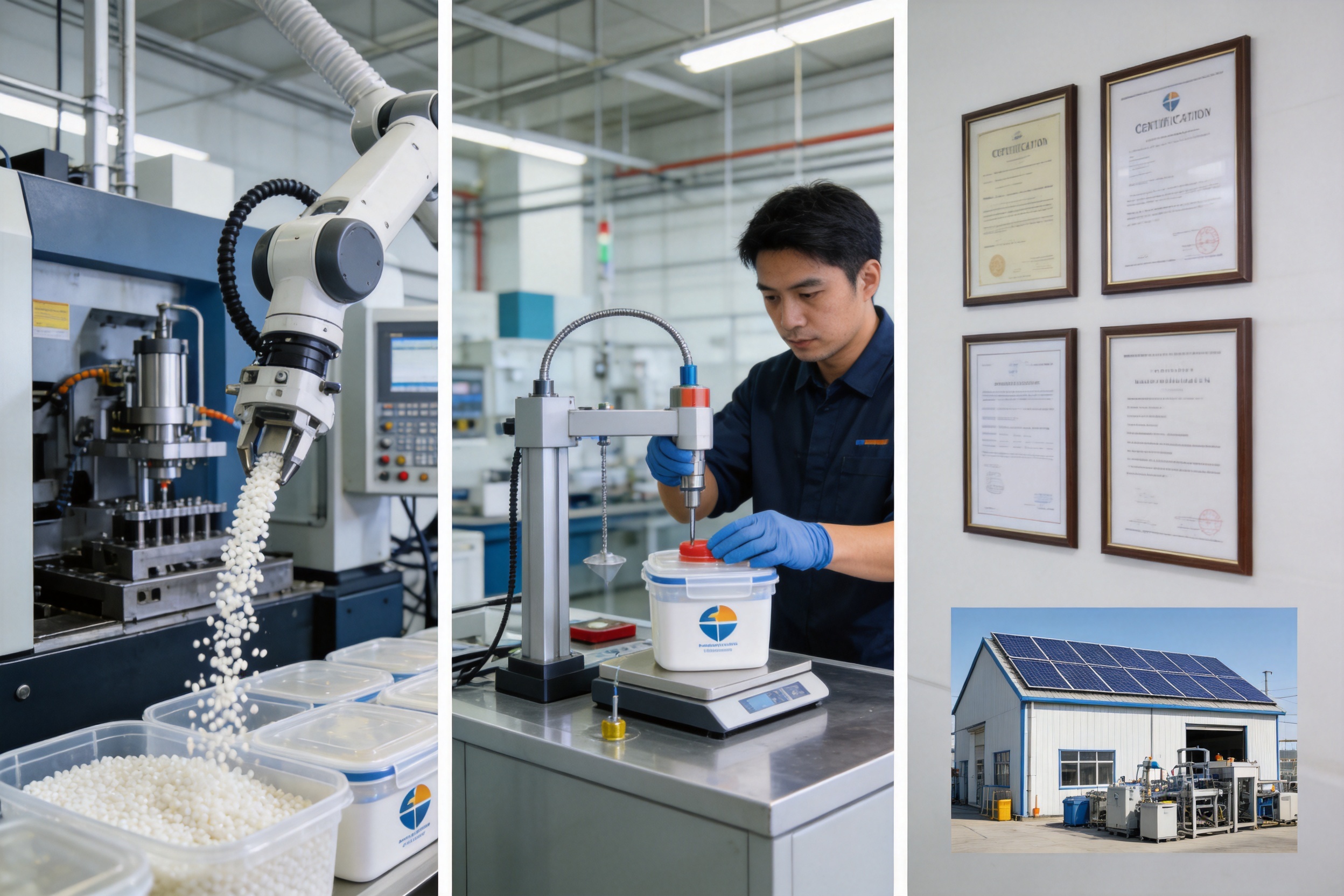
Precision injection molding is the primary manufacturing process for high-quality disposable food containers. This process involves melting plastic pellets and injecting them into a mold to form the container. Leading manufacturers use advanced injection molding machines that offer high precision and consistency, ensuring that each container has uniform thickness and structural integrity.
Process optimization is key to reducing waste and improving efficiency. Manufacturers may use computer-aided design (CAD) to create molds that minimize material usage, or implement automated systems to reduce human error. For example, Yuqian Packaging uses robotic arms to handle molds and finished products, increasing production speed by 30% and reducing the risk of contamination. The company also uses recycled plastic waste from production to make new containers, reducing its carbon footprint by 15% annually.
Rigorous Quality Control & Certification
Quality control is a continuous process that starts with raw material inspection and ends with finished product testing. Leading manufacturers conduct the following tests on their containers:
- Food safety tests: To ensure no harmful chemicals leach into food (using gas chromatography-mass spectrometry).
- Temperature resistance tests: To verify performance at -10°C to 120°C (using thermal cycling chambers).
- Impact resistance tests: To check durability during transportation (using drop testers).
- Sealing tests: To ensure containers are leak-proof (using pressure testers).
Additionally, these manufacturers hold multiple certifications, including QS (China), ISO9001 (quality management), BRC (global food safety), DIN (German safety), and EU ROHS+. Yuqian Packaging was one of the first companies in the Chinese packaging industry to pass all these certifications, demonstrating its commitment to quality and safety.
Competitive Edge in the Disposable Packaging Industry
Leading manufacturers of disposable food containers have several competitive advantages that set them apart from their peers. These advantages include:
Customization Capabilities
Unlike many generic packaging suppliers, top manufacturers offer end-to-end customization services. This includes designing containers based on customer specifications (capacity, shape, color), printing logos or promotional messages, and even developing unique features (like leak-proof lids or stackable designs). For example, a coffee shop may request a custom-sized container for their signature soup, while a restaurant chain may want containers printed with their brand colors and logo.
Yuqian Packaging has a team of 15 professional designers who work closely with customers to create custom solutions. The company uses advanced printing technology (like offset printing and digital printing) to ensure the clarity and durability of logos and messages on containers. For example, a major fast-food chain in China uses Yuqian's custom containers, which are printed with the chain's logo and have a leak-proof lid that prevents spills during delivery. This has helped the chain improve customer satisfaction by 20%.
Sustainability Leadership
Many leading manufacturers are at the forefront of sustainability in the packaging industry. They invest heavily in research and development to create biodegradable and compostable packaging solutions. For example, Yuqian Packaging has developed a line of PLA containers made from cornstarch, which are compostable and renewable. The company also uses solar power in 30% of its production facilities, reducing its energy consumption by 12% annually.
These manufacturers also implement green production practices, such as using recycled water in production and recycling 90% of production waste. This not only reduces their environmental footprint but also appeals to eco-conscious consumers and businesses. A 2023 survey by the Sustainable Packaging Coalition found that 78% of businesses prefer to work with manufacturers that have strong sustainability practices.
Customer-Centric Support
Top manufacturers prioritize customer support, offering personalized service from initial design to after-sales support. They have dedicated teams of engineers and designers who work closely with customers to understand their needs and develop solutions that meet their requirements. Additionally, they offer fast turnaround times for custom orders and flexible payment terms, making it easy for businesses of all sizes to work with them.
For example, a small café may need a small batch of custom containers for a promotional event. Yuqian Packaging can accommodate this request with a minimum order quantity of 500, whereas a generic supplier may require a minimum order quantity of 5,000. The company also offers free samples to customers, allowing them to test the containers before placing a bulk order.
Application Scenarios & Real-World Impact
High-quality disposable food containers are used in a wide range of application scenarios, each with unique needs. Below are some of the key applications:
Restaurant Chains & Quick-Service Dining
Restaurant chains and quick-service restaurants (QSRs) rely on disposable food containers to serve meals quickly and efficiently. These containers must be durable, leak-proof, and customizable to reflect the brand. For example, a burger chain may use containers that keep burgers warm for longer, while a salad chain may need containers that keep greens fresh and crisp.
Yuqian Packaging works closely with QSRs to develop containers that meet their specific needs. For example, a major Chinese burger chain uses Yuqian's 500ml containers for their fries, which are printed with the chain's logo and have a vented lid to prevent condensation. This has helped the chain maintain the quality of their fries during delivery.
Family Gatherings & Event Catering
Disposable food containers are essential for family gatherings, weddings, and other events. They allow caterers to transport large quantities of food safely and efficiently, and they are easy to dispose of after the event. For example, a caterer may use 1750ml containers to serve large batches of pasta or 500ml containers for individual portions of salad.
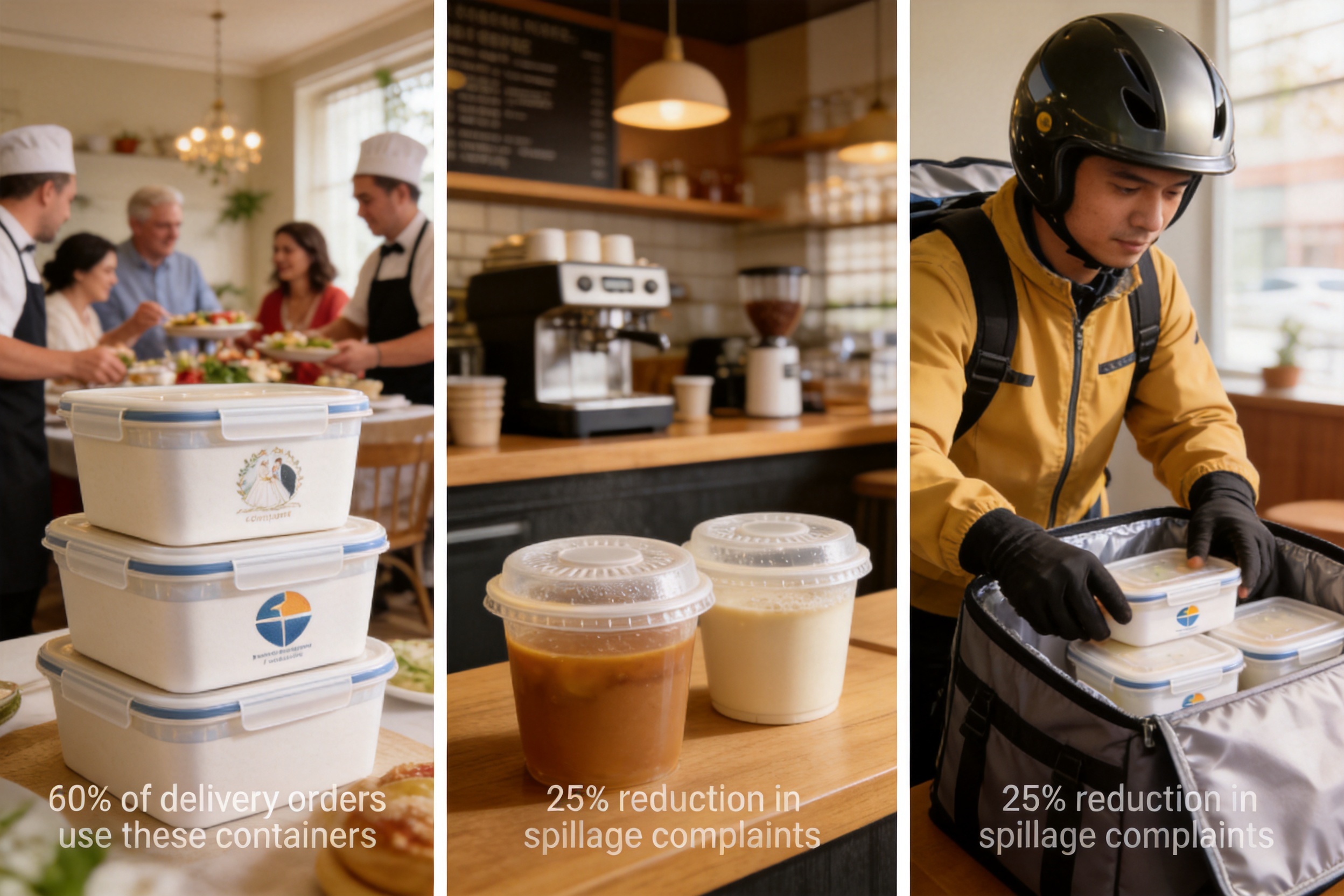
The stackable design of modern containers makes them ideal for event catering, as they save space in storage and transportation. Yuqian Packaging's stackable containers can be stacked up to 20 high without breaking, making it easier for caterers to transport large quantities of food. A wedding caterer in Shanghai uses Yuqian's 1250ml containers for their main course, which are compostable and printed with the wedding's logo.
Food Delivery & Takeaway Services
Food delivery services are one of the fastest-growing segments of the food industry, and they rely heavily on disposable food containers. These containers must be leak-proof, durable, and able to withstand the rigors of transportation. For example, a delivery driver may carry multiple containers in an insulated bag, and the containers must not leak or break during transit.
Yuqian Packaging offers containers with secure lids that prevent leaks, even when the container is tilted or dropped. The company's 850ml containers are popular among delivery services, as they are leak-proof and can hold hot or cold food. A major delivery service in China uses Yuqian's containers for 60% of its orders, reducing spillage complaints by 25%.
Q&A About Disposable Food Containers
Q1: What temperature ranges are these containers suitable for?
A: High-quality disposable food containers are designed to withstand temperatures between -10°C and 120°C. This means they can be used for refrigerated storage, microwave heating, and hot food service without compromising safety or performance.
Q2: Are the containers microwave-safe and refrigerator-safe?
A: Yes, these containers are both microwave-safe and refrigerator-safe. They can be placed in the microwave for heating (without the lid, if specified) and in the refrigerator for storage without warping or degrading. However, it is important to follow the manufacturer's instructions for microwave use.
Q3: Can the containers be customized in terms of capacity and design?
A: Yes, leading manufacturers offer extensive customization options. This includes varying capacities (from 360ml to 1750ml), shapes, colors, and printing of logos or promotional messages. Custom designs can be tailored to meet the specific needs of businesses, and minimum order quantities are flexible.
Q4: What certifications do the containers hold to ensure food safety?
A: The containers hold several key certifications, including QS (China National Industrial Product Production License), ISO9001 (Quality Management System), BRC (Global Food Safety Standard), DIN (German Authoritative Safety Certification), and EU ROHS+ (Environmental Compliance Testing). These certifications ensure that the containers are safe for food contact and meet strict international standards.
Q5: Are there biodegradable options available?
A: Yes, many leading manufacturers offer biodegradable and compostable containers made from plant-based materials like PLA. These containers break down naturally in industrial composting facilities within 90 days, reducing their environmental impact compared to traditional plastics. They are also renewable and non-toxic.
References
1. Grand View Research. (2023). Disposable Food Packaging Market Size, Share & Trends Analysis Report By Material (Plastic, Paper & Paperboard, Biodegradable), By Product (Containers, Trays, Wraps & Bags), By End Use, And Segment Forecasts, 2023-2030. Retrieved from Industry Report Database.
2. Food Service Industry Association (FSIA). (2022). Branded Packaging Impact on Consumer Loyalty. Retrieved from FSIA Website.
3. European Commission. (2021). EU ROHS+ Directive: Restriction of Hazardous Substances. Retrieved from EU Official Journal.
4. International Organization for Standardization (ISO). (2015). ISO 9001:2015 Quality Management Systems. Retrieved from ISO Website.
5. Sustainable Packaging Coalition. (2023). Business Preferences for Sustainable Packaging. Retrieved from Sustainable Packaging Coalition Website.
Disposable Food Container Specifications
| Specification | Volume (ml) | Mouth (mm) | Height (mm) | Bottom (mm) | Grammage (g) |
|---|---|---|---|---|---|
| M-360 | 360 | 120 | 52 | 75 | 9/10 |
| M-400 | 400 | 120 | 58 | 78 | 10 |
| M-500 | 500 | 120 | 70 | 73 | 10/13 |
| M-700 | 700 | 142 | 69 | 91 | 13 |
| M-850 | 850 | 142 | 81 | 91 | 16 |
| M-999 | 999 | 142 | 95 | 95 | 19 |
| M-1100 | 1100 | 179 | 82 | 120 | 21/26 |
| P-500 | 500 | 120 | 72 | 85 | 11 |
| P-600 | 600 | 150 | 57 | 124 | 15 |
| P-800 | 800 | 150 | 79 | 118 | 18 |
| P-1000 | 1000 | 150 | 98 | 118 | 23 |
| P-1250 | 1250 | 179 | 79.5 | 145 | 28/35 |
| P-1500A | 1500 | 179 | 98 | 128 | 30/35 |
| P-1750 | 1750 | 179 | 118 | 128 | 39 |