English
 Español
 عربى
عربىContent
- 1 Key Advantages of Non-Woven Bags Over Competitors
- 2 Advanced Manufacturing Processes for High-Quality Non-Woven Bags
- 3 Real-World Applications of Non-Woven Bags
- 4 Case Study: How Non-Woven Bags Boosted a Café’s Sustainability and Revenue
- 5 Q&A: Common Questions About Non-Woven Bags
- 5.1 1. Q: Are non-woven bags biodegradable?
- 5.2 2. Q: How many times can a typical non-woven bag be reused?
- 5.3 3. Q: What certifications should I look for when choosing non-woven bags?
- 5.4 4. Q: Can non-woven bags be customized to match my brand?
- 5.5 5. Q: Are non-woven bags suitable for carrying heavy items?
- 5.6 6. Q: How do non-woven bags compare to cotton bags in terms of cost?
- 6 Comparison of Non-Woven Bags vs Competitors
- 7 References
- 8 Conclusion
In an era where environmental consciousness is no longer a choice but a necessity, the packaging industry is undergoing a profound transformation. Single-use plastic bags, once a ubiquitous convenience, are now widely criticized for their role in pollution, landfill accumulation, and harm to wildlife. Paper bags, while seemingly more eco-friendly, come with their own set of drawbacks—including high water usage, deforestation, and limited durability. Against this backdrop, non-woven bags have emerged as a promising alternative, combining sustainability, durability, and cost-effectiveness to meet the evolving needs of businesses and consumers alike.
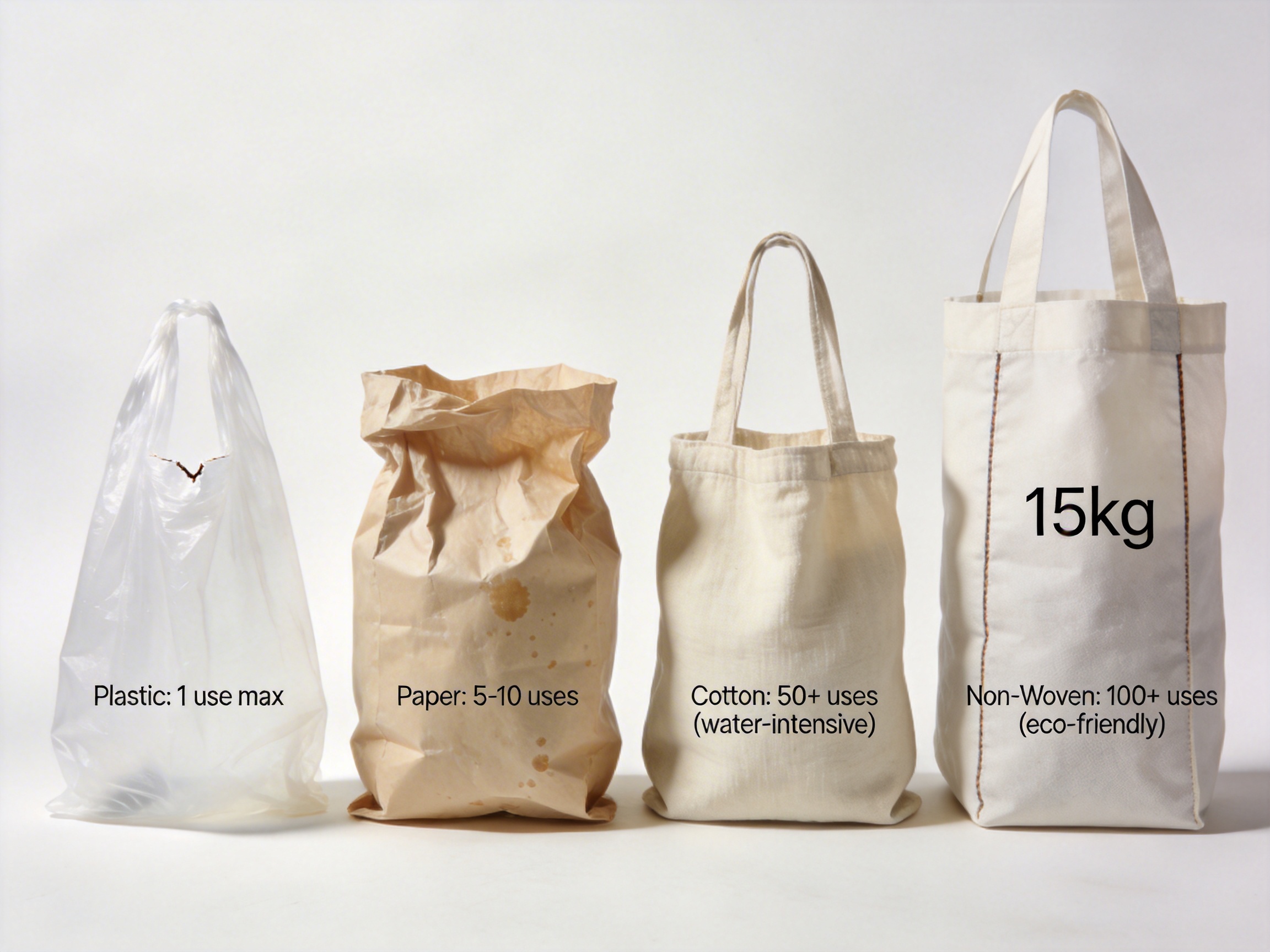
Non-woven bags are made from polypropylene (PP) fibers that are bonded together using heat, pressure, or chemicals, rather than being woven like traditional fabric. This manufacturing process gives them unique properties: they are lightweight yet strong, water-resistant, and highly customizable. What sets them apart from other reusable bag options is their balance of environmental impact, performance, and affordability—factors that have made them a go-to choice for businesses looking to reduce their carbon footprint while maintaining quality.
Key Advantages of Non-Woven Bags Over Competitors
To understand why non-woven bags are gaining traction, it’s essential to compare them to their main competitors: single-use plastic bags, single-use paper bags, and reusable cotton bags. Each alternative has distinct pros and cons, but non-woven bags often outperform them in multiple critical areas.
1. Durability & Reusability: A Long-Term Investment
Single-use plastic bags are designed to be used once, then discarded. Even "thicker" plastic bags rarely last more than a few uses before tearing. Paper bags, while sturdier than thin plastic, are prone to water damage and can only hold up to 5-10 uses before becoming too weak to carry items. Cotton bags, though reusable, are often heavier and can stretch or tear if overloaded—plus, their production requires significantly more resources than non-woven bags.
Non-woven bags, by contrast, are engineered for repeated use. High-quality variants can withstand 100+ uses, with reinforced seams and handles that support up to 15 kg of weight. This durability means businesses can offer customers a product that lasts, reducing the need for frequent replacements and cutting down on waste over time. For consumers, this translates to a reliable bag that can be used for groceries, errands, or travel—eliminating the need to buy single-use bags repeatedly.
2. Eco-Friendly Footprint: Minimizing Harm to the Planet
The environmental impact of a product extends beyond its end-of-life; it includes resource extraction, production, transportation, and disposal. When compared to other bag types, non-woven bags have a significantly lower carbon footprint and resource usage:
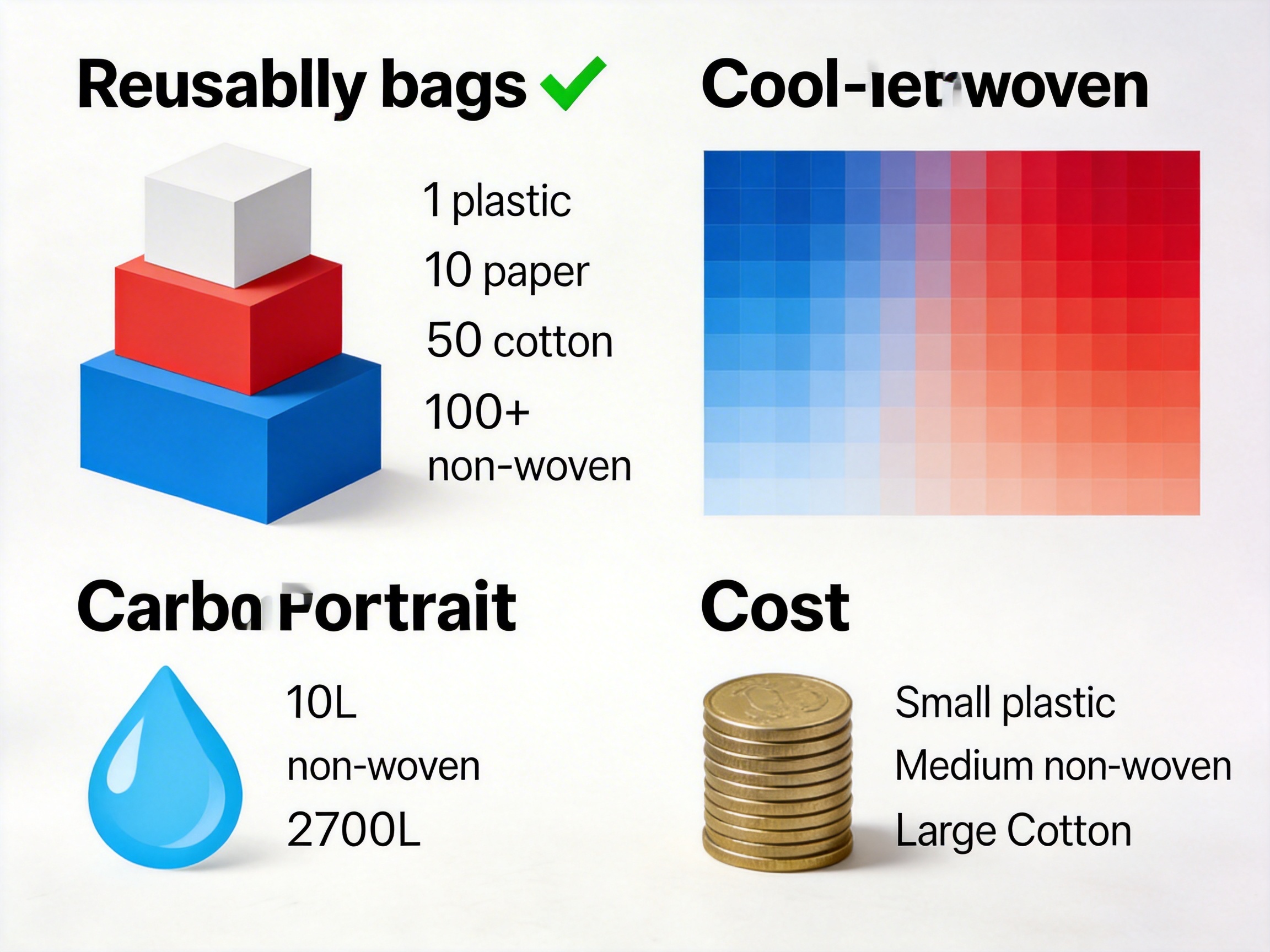
For example, producing 100 non-woven bags (made from recycled PP) emits approximately 2.5 kg of CO₂e, compared to 5 kg for 100 single-use paper bags and 3 kg for 100 single-use plastic bags (source: EPA Waste Reduction Model). Water usage is another key metric: non-woven bags require just 10 liters of water per 100 units, whereas cotton bags need a staggering 2700 liters per 100 units (per European Bioplastics data). This is because cotton is a water-intensive crop, while non-woven PP production uses minimal water.
End-of-life options are also more favorable for non-woven bags. Standard PP non-woven bags are 100% recyclable—they can be melted down and reused to make new non-woven products or other plastic items. For businesses and consumers looking for an even more sustainable option, biodegradable non-woven bags (made with PLA or starch-based additives) are available; these decompose in 1-3 years under industrial composting conditions, compared to 400+ years for traditional plastic bags and 1-2 years for paper bags (but paper bags require more energy to decompose in landfills).
3. Cost-Effectiveness: Balancing Quality and Affordability
Many businesses are hesitant to switch to reusable bags because of perceived high costs. However, non-woven bags offer a cost-effective solution that delivers long-term value. Let’s break down the costs: A single-use plastic bag costs approximately $0.02-$0.05 per unit, but it’s only used once. A non-woven bag costs $0.5-$1.5 per unit, but it can be reused 100+ times—meaning the cost per use is just $0.005-$0.015, which is cheaper than single-use plastic bags. For businesses, this translates to significant savings over time, especially if customers reuse the bags instead of asking for new ones each visit.
Cotton bags, while reusable, are more expensive upfront—costing $2-$5 per unit. For businesses with tight budgets, this can be a barrier to adoption. Non-woven bags strike the perfect balance: they are affordable enough for bulk orders (which can lower the per-unit cost further) and durable enough to provide long-term value.
4. Customization Flexibility: Building Brand Identity
In today’s competitive market, brand identity is everything. Non-woven bags offer unparalleled customization options that allow businesses to showcase their brand, values, and message. Manufacturers can print logos, slogans, product images, or sustainability messages using digital, screen, or flexographic printing—resulting in vibrant, long-lasting designs that don’t fade easily. Additionally, non-woven bags can be customized in terms of size, shape, handle type (plastic, cotton, or non-woven), and even texture (smooth, textured, or embossed).
For example, a coffee shop can print its logo and a sustainability message like “Reuse This Bag—Save the Planet” on non-woven bags, turning each bag into a walking advertisement for the brand. A retail store can offer custom-sized bags for different products, enhancing the customer experience. This level of customization is not possible with single-use plastic or paper bags, making non-woven bags a powerful tool for brand building.
Advanced Manufacturing Processes for High-Quality Non-Woven Bags
The quality of non-woven bags depends heavily on the manufacturing processes used. Leading manufacturers invest in cutting-edge technology, rigorous quality control, and sustainable practices to produce bags that meet the highest standards. Here’s a look at the key processes that set top-tier non-woven bags apart:
1. Material Sourcing & Quality Control
The foundation of any high-quality non-woven bag is the material used. Leading manufacturers prioritize recycled polypropylene (PP) as the primary material, as it reduces the need for virgin plastic and lowers the carbon footprint. Before production, incoming materials undergo rigorous testing to ensure they meet purity standards (no contaminants) and recycled content requirements (often 30-100% recycled PP).
For food-contact applications, materials are tested for compliance with food safety standards (like BRC or DIN) to ensure they do not leach harmful substances into food. This is critical for businesses in the food service industry, as non-compliance can lead to legal issues and damage to brand reputation.
2. Cutting-Edge Production Line
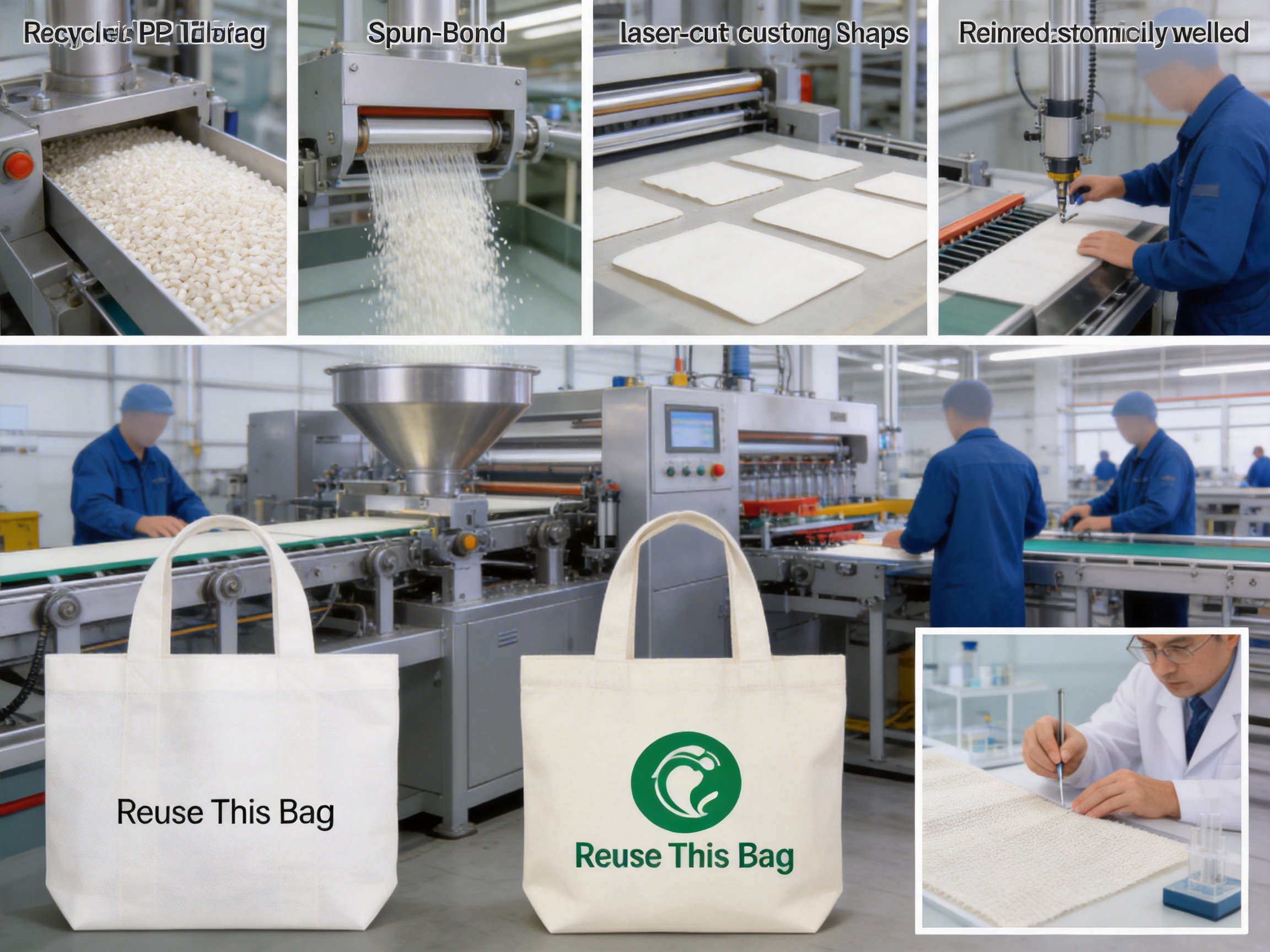
Modern non-woven bag production uses automated lines that combine precision and efficiency. The process typically involves four key steps:
a. Fabric Formation: Recycled PP pellets are melted and extruded into fine fibers, which are then bonded together using heat and pressure (spun-bond technology). This creates a strong, uniform non-woven fabric that is lightweight yet durable.
b. Cutting: The fabric is cut into the desired size and shape using automated cutting machines, which ensure consistency and minimize waste. Some manufacturers use laser cutting for intricate designs or custom shapes.
c. Sewing & Assembly: The cut fabric pieces are sewn together using high-strength threads, with reinforced seams at stress points (like the handles) to enhance durability. Handles are attached using either sewing or ultrasonic welding, depending on the design.
d. Printing: The finished bags are printed using digital or screen printing machines, which produce vibrant, fade-resistant designs. Digital printing is ideal for small batches or complex designs, while screen printing is better for large orders with simple designs.
3. Stringent Quality Assurance
Quality control is integrated into every step of the production process to ensure that each bag meets the highest standards. Key quality checks include:
a. Incoming Material Inspection: Every batch of recycled PP is tested for purity, recycled content, and compliance with safety standards.
b. In-Process Inspection: Operators inspect the fabric during formation to check for uniformity, strength, and any defects. Cut pieces are checked for size accuracy, and sewn bags are inspected for seam strength and handle attachment.
c. Final Product Testing: Finished bags undergo a series of tests, including tensile strength (how much weight they can carry), water resistance (to ensure they don’t leak), print durability (to check if designs fade easily), and safety (for food-contact applications).
Leading manufacturers also hold certifications that validate their quality and safety standards, such as ISO9001 (quality management), BRC (food safety), DIN (German safety), ROHS (EU hazardous substance compliance), and QS (national production license). These certifications are a testament to the manufacturer’s commitment to excellence and compliance with global standards.
4. Customization Capabilities
Top manufacturers offer end-to-end customization services to meet the unique needs of businesses. This includes:
a. Size & Shape: Custom sizes (from small gift bags to large tote bags) and shapes (rectangular, square, or custom) to fit different products.
b. Printing: Full-color digital printing, screen printing, or embossing to showcase brand logos, messages, or product images.
c. Handle Options: Plastic, cotton, or non-woven handles, with options for reinforced handles to enhance durability.
d. Add-On Features: Zipper closures, pockets, or drawstrings for added functionality.
For example, a logistics company can order custom-sized non-woven bags with zipper closures to protect documents during transit. A fashion brand can order embossed non-woven bags with their logo to enhance the unboxing experience for customers.
Real-World Applications of Non-Woven Bags
Non-woven bags are versatile and can be used in a wide range of industries and settings. Here are some of the most common applications:
1. Retail: Retail stores use non-woven bags as an alternative to single-use plastic bags. They can be branded with the store’s logo and used for carrying clothing, electronics, or other products. Many retailers offer non-woven bags for a small fee or as a free gift with purchase, which helps to reduce single-use plastic waste.
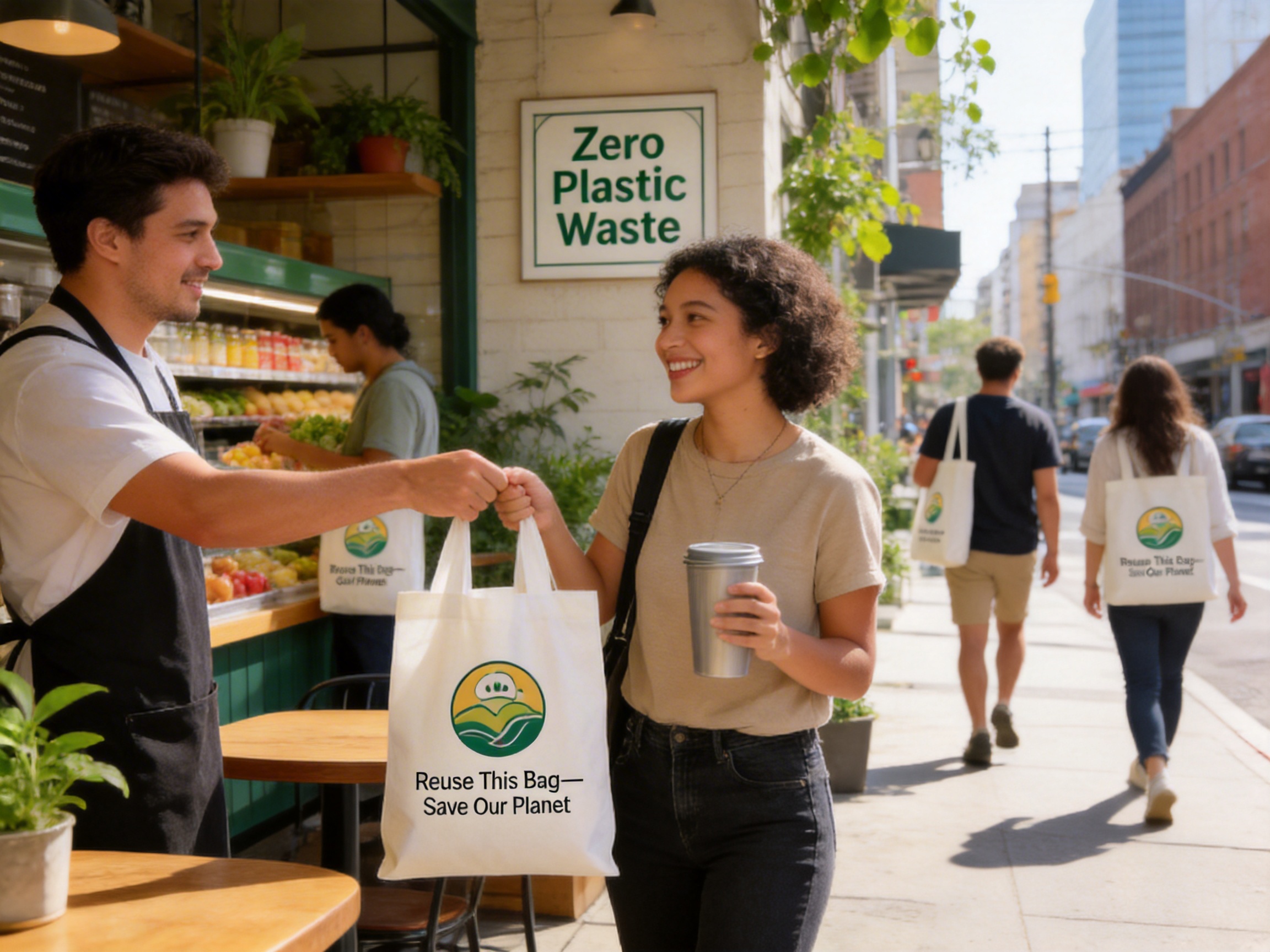
2. Food Service: Restaurants, cafes, and takeaway shops use non-woven bags to carry food items. Since non-woven bags are water-resistant and food-safe (when made with compliant materials), they are ideal for carrying hot or cold food, drinks, and snacks. Branded non-woven bags also help to promote the food service business and enhance customer loyalty.
3. Events & Promotions: Non-woven bags are often used as promotional items at events like trade shows, festivals, or conferences. They can be printed with event logos, sponsor names, or product information, and distributed to attendees as a free gift. This helps to increase brand visibility and reach a wider audience.
4. Logistics & Shipping: Non-woven bags are used to package small items during shipping. They are lightweight, which reduces shipping costs, and durable, which protects items from damage during transit. Zippered non-woven bags are especially useful for protecting documents or fragile items.
5. Personal Use: Consumers use non-woven bags for groceries, errands, travel, or as gym bags. Their durability and customization options make them a popular choice for personal use, as they can be tailored to individual preferences.
Case Study: How Non-Woven Bags Boosted a Café’s Sustainability and Revenue
To illustrate the impact of non-woven bags, let’s look at a case study of a small café in a busy urban area. The café, which had been using single-use plastic bags for takeaway orders, faced increasing criticism from customers about its environmental impact. Additionally, the cost of plastic bags was adding up—each month, the café spent $200 on plastic bags, and many customers would ask for multiple bags for small orders.
In 2022, the café decided to switch to custom-branded non-woven bags. Here’s what happened:
1. Sustainability Impact: The café replaced 100% of its single-use plastic bags with non-woven bags. Within six months, the café reduced its plastic waste by 60% (from 500 kg to 200 kg per month). Customers were encouraged to reuse the bags, and many started bringing their own non-woven bags to the café, further reducing waste.
2. Cost Savings: The café initially spent $500 on 1000 custom non-woven bags (costing $0.5 per unit). However, since the bags were reusable, the café no longer needed to buy plastic bags—saving $200 per month. Within three months, the café had recouped its initial investment.
3. Customer Loyalty: The café’s sustainability initiative was well-received by customers. A survey conducted six months after the switch found that 75% of customers were more likely to visit the café because of its eco-friendly practices. Additionally, 60% of customers reported reusing the non-woven bags at least 10 times.
4. Brand Visibility: The custom-branded non-woven bags (printed with the café’s logo and the message “Reuse This Bag—Save Our Planet”) became a walking advertisement for the café. Customers were seen carrying the bags around the city, which helped to increase brand visibility and attract new customers.
This case study demonstrates how non-woven bags can deliver tangible benefits for businesses—reducing waste, cutting costs, increasing customer loyalty, and boosting brand visibility.
Q&A: Common Questions About Non-Woven Bags
To address common concerns and questions about non-woven bags, we’ve compiled a list of frequently asked questions:
1. Q: Are non-woven bags biodegradable?
A: Standard polypropylene (PP) non-woven bags are not fully biodegradable, but they are 100% recyclable. However, many manufacturers now offer biodegradable variants that use PLA (polylactic acid) or starch-based additives. These bags decompose in 1-3 years under industrial composting conditions, making them a more sustainable option for businesses and consumers looking to minimize their environmental impact.
2. Q: How many times can a typical non-woven bag be reused?
A: A high-quality non-woven bag can be reused 100+ times, depending on how it’s used and cared for. Bags with reinforced seams and handles are more durable and can last longer. To extend the life of a non-woven bag, avoid overloading it, keep it away from sharp objects, and wash it gently (by hand) if it gets dirty.
3. Q: What certifications should I look for when choosing non-woven bags?
A: Key certifications to look for include:
- ISO9001: Validates that the manufacturer has a quality management system in place.
- BRC: Ensures that the bags are safe for food contact (critical for food service businesses).
- DIN: German safety standard that ensures the bags meet high safety and quality requirements.
- ROHS: EU standard that prohibits the use of hazardous substances (like lead, mercury, or cadmium) in the production of the bags.
- QS: National production license that ensures the bags comply with local food safety regulations.
4. Q: Can non-woven bags be customized to match my brand?
A: Yes, most manufacturers offer full customization options. You can choose the size, shape, color, handle type, and printing (logo, slogan, or design) to match your brand identity. Some manufacturers also offer embossing or debossing for a more premium look.
5. Q: Are non-woven bags suitable for carrying heavy items?
A: Yes, high-quality non-woven bags can carry up to 15 kg of weight, depending on the material thickness and seam strength. Bags with reinforced handles and seams are especially suitable for carrying heavy items like groceries or books.
6. Q: How do non-woven bags compare to cotton bags in terms of cost?
A: Non-woven bags are generally more cost-effective than cotton bags. A custom non-woven bag costs $0.5-$1.5 per unit, while a cotton bag costs $2-$5 per unit. Additionally, non-woven bags have a lower cost per use (due to their durability) than cotton bags.
Comparison of Non-Woven Bags vs Competitors
| Product Type | Reusability (Average Times) | Carbon Footprint (kg CO₂e per 100 units) | Water Usage (Liters per 100 units) | Biodegradability (%) | Cost per Unit (USD) |
|---|---|---|---|---|---|
| Non-Woven Bags (Recycled PP) | 100+ | 2.5 | 10 | 0 (standard); 90 (biodegradable variant) | 0.5-1.5 |
| Single-Use Plastic Bags | 1 | 3.0 | 5 | 0 | 0.02-0.05 |
| Single-Use Paper Bags | 5-10 | 5.0 | 200 | 100 | 0.10-0.20 |
| Cotton Bags (Reusable) | 50+ | 135.0 | 2700 | 100 | 2.0-5.0 |
The table above clearly shows that non-woven bags outperform their competitors in multiple key areas. They have the highest reusability, lowest carbon footprint (for standard variants), lowest water usage, and lowest cost per unit (when considering reusability). Biodegradable non-woven bags offer an even more sustainable option, with 90% biodegradability under industrial composting conditions.
References
1. U.S. Environmental Protection Agency (EPA). "Waste Reduction Model (WARM): Non-Woven Fabric Waste." 2023. Washington, D.C.: EPA.
2. European Bioplastics. "Biodegradable Non-Woven Materials: Market Trends 2022." 2022. Berlin, Germany: European Bioplastics e.V.
3. British Retail Consortium (BRC). "Packaging Safety Standards for Food Contact Materials." 2023. London, UK: BRC Global Standards.
4. DIN German Institute for Standardization. "Safety Requirements for Non-Woven Packaging Materials." 2021. Berlin, Germany: DIN e.V.
5. Packaging Industry Association of China. "Sustainable Packaging Solutions Report 2023." 2023. Beijing, China: Packaging Industry Association of China.
6. Sustainable Packaging Coalition. "Reusable Bag Life Cycle Assessment: A Comparative Analysis." 2022. Charlottesville, VA: Sustainable Packaging Coalition.
Conclusion
Non-woven bags are more than just a trend—they are a sustainable, cost-effective, and versatile solution to the global problem of single-use plastic waste. Their unique combination of durability, eco-friendliness, customization options, and affordability makes them an ideal choice for businesses across industries, from retail and food service to logistics and events.
As consumers become more environmentally conscious, businesses that adopt non-woven bags will not only reduce their carbon footprint but also enhance their brand reputation, increase customer loyalty, and cut costs over time. With advanced manufacturing processes and rigorous quality control, leading manufacturers are producing non-woven bags that meet the highest standards of quality and safety, ensuring that they deliver value for both businesses and the planet.
In a world where sustainability is no longer optional, non-woven bags are a game-changer—offering a practical way to reduce waste, protect the environment, and build a more sustainable future.