English
 Español
 عربى
عربىContent
- 1 Understanding PP Thermoforming Cups: Material and Manufacturing Basics
- 2 Key Advantages of PP Thermoforming Cups Over Competitors
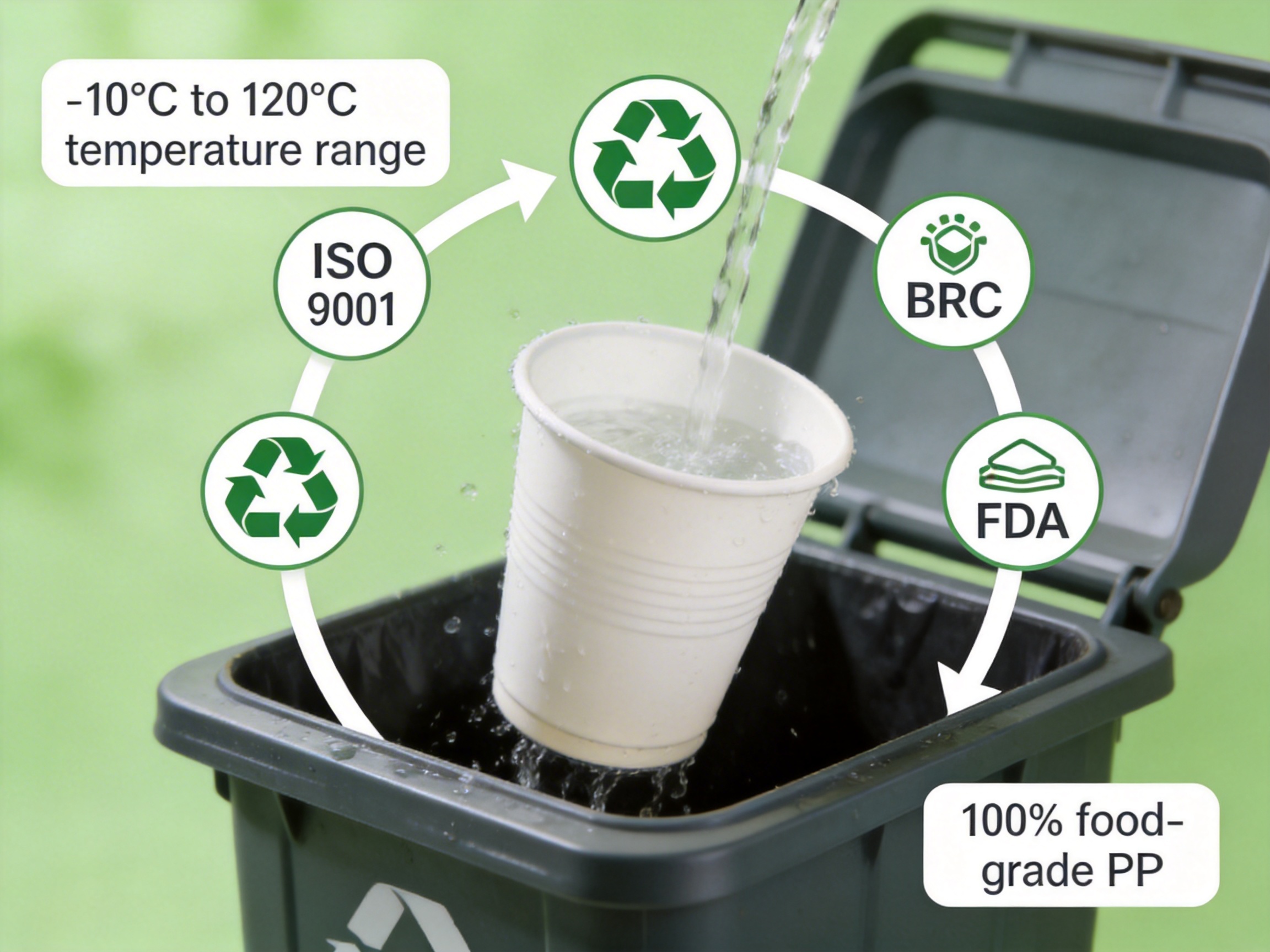
- 2.1 1. Exceptional Temperature Resistance (-10°C to 120°C)
- 2.2 2. High Transparency and Aesthetic Appeal
- 2.3 3. Superior Toughness and Durability
- 2.4 4. Recyclability and Environmental Sustainability
- 2.5 5. Customization Flexibility
- 2.6 6. Rigorous Quality Certifications
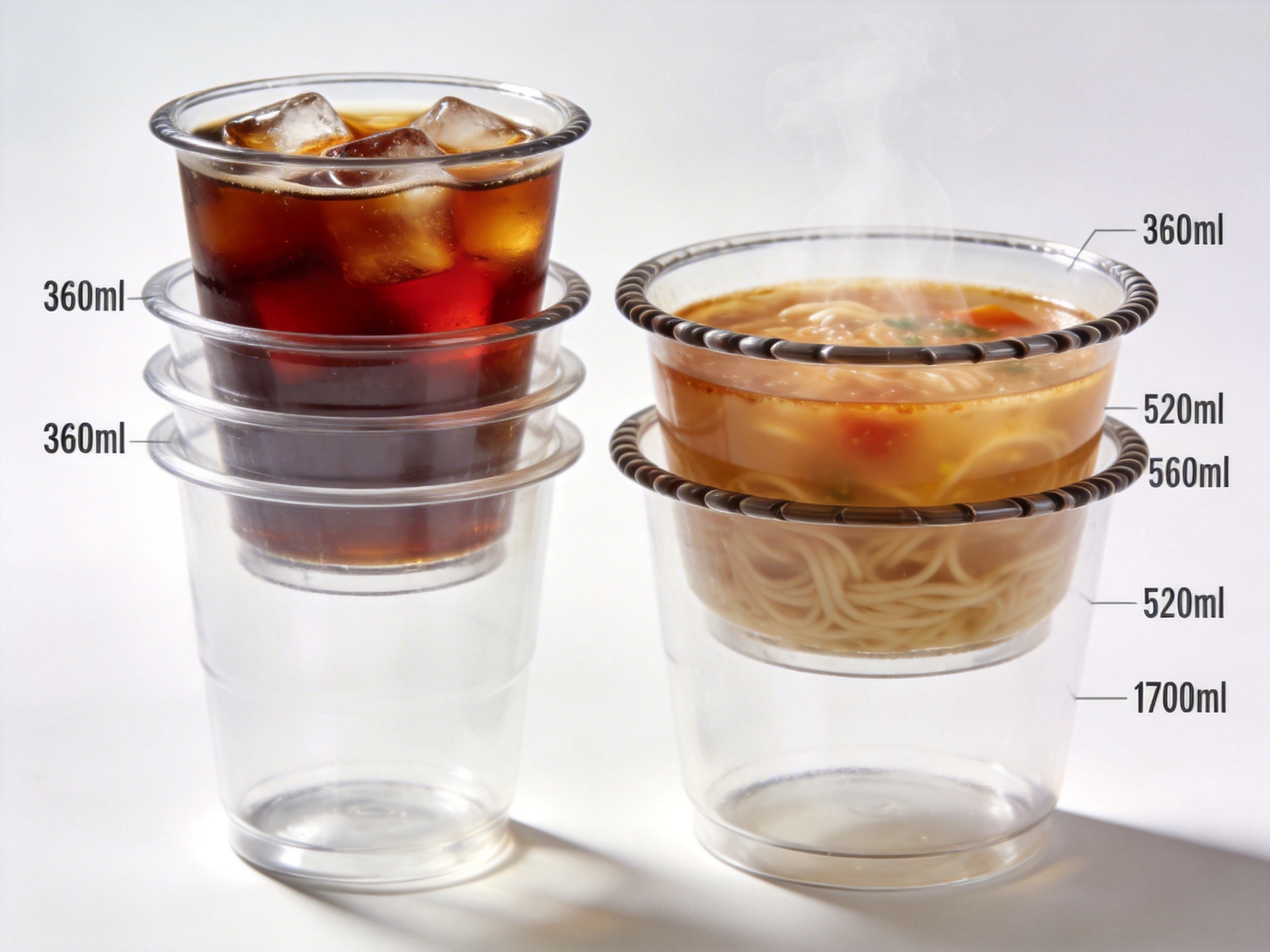
- 2.7 7. Stackability for Efficient Storage
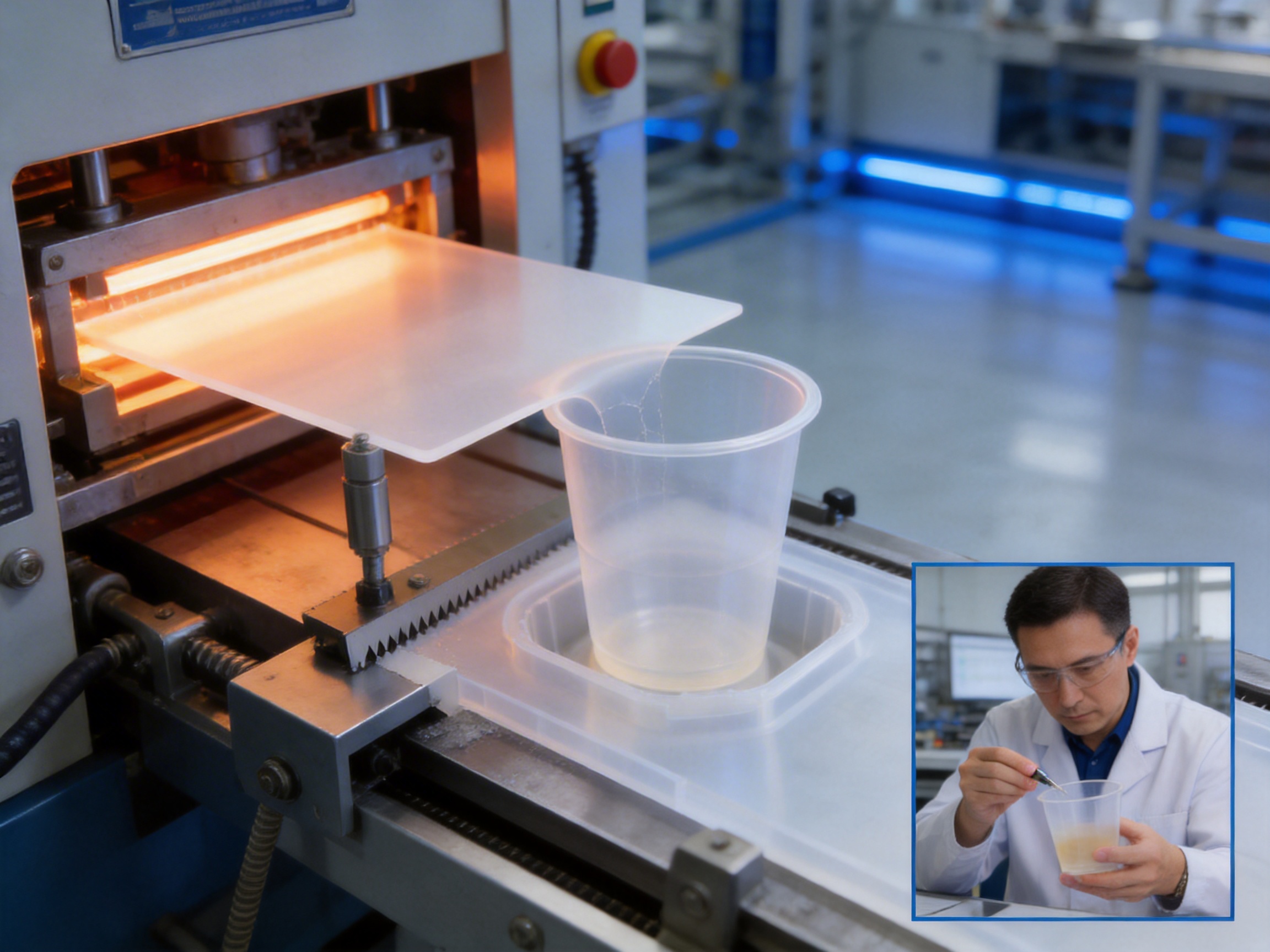
- 3 Advanced Manufacturing Processes: The Backbone of Quality
- 4 Product Specifications: Tailored to Meet Diverse Needs
- 5 Real-World Applications: Versatility in Every Setting
- 6 Frequently Asked Questions (Q&A)
- 6.1 Q1: Are PP thermoforming cups safe for food contact?
- 6.2 Q2: Can PP thermoforming cups be recycled?
- 6.3 Q3: What customization options are available?
- 6.4 Q4: What is the minimum order quantity (MOQ)?
- 6.5 Q5: How long is the delivery time?
- 6.6 Q6: Are these cups compatible with lids?
- 6.7 Q7: Can these cups be reused?
- 7 References
- 8 Conclusion
In an era where convenience, safety, and environmental responsibility are non-negotiable in food packaging, disposable cups have evolved from simple containers to essential tools that balance functionality with sustainability. Among the diverse options available, PP thermoforming cups stand out as a game-changer—combining the durability of polypropylene (PP) with advanced manufacturing techniques to deliver a product that outperforms traditional alternatives like PET, PS, or PLA cups. This article explores the key advantages of PP thermoforming cups, the cutting-edge processes that make them superior, and why they are the go-to choice for businesses and consumers alike.
Understanding PP Thermoforming Cups: Material and Manufacturing Basics
Before diving into their advantages, it’s critical to understand what PP thermoforming cups are and how they are made. Polypropylene (PP) is a thermoplastic polymer known for its exceptional chemical resistance, high melting point, and mechanical strength. Thermoforming is a manufacturing process that involves heating a flat PP sheet until it becomes pliable, then shaping it into a cup using a mold, followed by trimming and cooling. This process allows for precise control over the cup’s dimensions, thickness, and design—setting it apart from injection-molded cups, which are often more rigid but less flexible in customization.
Unlike other materials: - PET (polyethylene terephthalate) cups are clear but cannot withstand temperatures above 70°C, making them unsuitable for hot beverages or food. - PS (polystyrene) cups are brittle, prone to cracking in cold temperatures, and have limited recyclability. - PLA (polylactic acid) cups are biodegradable but require industrial composting facilities, which are not widely available, and they have lower heat resistance (up to 60°C).
PP thermoforming cups, by contrast, address these limitations head-on, making them a versatile choice for a wide range of applications.
Key Advantages of PP Thermoforming Cups Over Competitors
PP thermoforming cups offer a unique combination of benefits that make them superior to other disposable cup options. Below, we break down these advantages and how they compare to competitors:
1. Exceptional Temperature Resistance (-10°C to 120°C)
One of the most notable advantages of PP thermoforming cups is their broad temperature tolerance. Unlike PET cups (which deform at temperatures above 70°C) or PLA cups (which melt at around 60°C), PP cups can safely handle both cold and hot items. This means they are perfect for: - Cold beverages: Iced coffee, smoothies, cold juices, and frozen desserts. - Hot foods and drinks: Hot coffee, tea, soup, noodles, and takeaway meals.
This versatility eliminates the need for businesses to stock separate cups for hot and cold products, reducing inventory costs and simplifying operations. For consumers, it means a single cup can be used for multiple purposes, adding convenience to their daily lives.
2. High Transparency and Aesthetic Appeal
PP thermoforming cups are highly transparent, allowing the vibrant colors of beverages and the texture of food to shine through. This is a significant advantage over PS cups, which are often cloudy or have a yellowish tint, and PET cups, which can become hazy when exposed to heat. The clarity of PP cups not only enhances the visual appeal of the product but also gives consumers confidence in the hygiene and quality of the contents.
For businesses, this aesthetic advantage is a powerful marketing tool. A clear cup showcases the product inside, making it more attractive to customers and helping brands stand out on shelves or in catering settings.
3. Superior Toughness and Durability
PP is inherently tough and flexible, making PP thermoforming cups resistant to cracking, breaking, or deforming—even under stress. Unlike PS cups, which are brittle and prone to shattering when dropped, PP cups can withstand minor impacts without damage. This durability is especially important for takeaway applications, where cups are often handled roughly during transport or storage.
Additionally, PP cups have a smooth inner wall that reduces stain residue, making them easier to clean (if reused) and ensuring that beverages taste as intended. The round cup mouth is designed for comfortable drinking, further enhancing the user experience.
4. Recyclability and Environmental Sustainability
In today’s eco-conscious market, recyclability is a top priority for both businesses and consumers. PP is one of the most widely recycled plastics globally, with a well-established recycling infrastructure in many countries. Unlike PLA, which requires industrial composting (and often ends up in landfills), PP cups can be recycled through standard curbside recycling programs—provided they are clean and free of food residue.
Moreover, the manufacturer of these PP thermoforming cups uses 100% food-grade PP without any harmful additives, ensuring that the recycled material can be reused in a variety of applications, including new food packaging. This closed-loop recycling system reduces the environmental burden of disposable packaging and aligns with global sustainability goals.
5. Customization Flexibility
PP thermoforming cups offer extensive customization options that cater to the unique needs of businesses. Unlike many competitors who offer limited sizes or designs, these cups can be tailored in several ways: - Size: From small 360ml cups for espresso to large 1000ml cups for family-sized meals. - Mouth Style: Rolled mouth (for added strength and leak resistance) or flat mouth (for a sleek, modern look). - Color: Custom colors to match brand identities. - Patterns and Labeling: In-mold labeling (IML) for high-quality, durable prints that won’t peel or fade—an advantage over paper labels, which can become wet and fall off. - Special Features: Custom logos, embossing, or anti-slip textures.
This level of customization allows businesses to create unique packaging that reflects their brand personality, enhancing customer loyalty and differentiation in a crowded market.
6. Rigorous Quality Certifications
PP thermoforming cups from reputable manufacturers undergo rigorous testing to ensure they meet global food safety and quality standards. Key certifications include: - QS National Industrial Product Production License: Ensures compliance with China’s food contact material regulations. - ISO 9001 Quality Management System Certification: Verifies that the manufacturer has a robust quality management system in place. - BRC Global Standards for Food Safety: A globally recognized certification that ensures food safety, quality, and legality. - German DIN Certification: Confirms compliance with Germany’s strict safety standards for food contact materials. - EU ROHS+ Testing: Ensures that the product is free of hazardous substances like lead, mercury, and cadmium.
These certifications give businesses and consumers peace of mind, knowing that the cups are safe for use with food and beverages.
7. Stackability for Efficient Storage
PP thermoforming cups are designed to be stackable, which reduces storage space by up to 50% compared to non-stackable alternatives. This is a significant advantage for businesses with limited storage space, such as restaurants, cafes, or canteens. Stackable cups also make it easier to transport and organize inventory, improving operational efficiency.
For consumers, stackable cups are convenient for home storage—they take up less space in cabinets or pantries and are easy to grab when needed.
Advanced Manufacturing Processes: The Backbone of Quality
The superior quality of PP thermoforming cups is not accidental—it is the result of advanced manufacturing processes and strict quality control measures implemented by the manufacturer. Below, we explore the key steps in the production process:
1. Raw Material Selection
The manufacturer uses only high-quality, food-grade PP raw materials sourced from reputable suppliers. Each batch of raw material is tested for purity, food safety, and compliance with global standards before being used in production. This ensures that the final product is non-toxic, odorless, and safe for food contact.
2. German Imported Equipment
To ensure precision and consistency, the manufacturer uses state-of-the-art thermoforming equipment imported from Germany. These machines are designed to heat PP sheets uniformly, shape them into cups with high precision, and trim excess material with minimal waste. The German equipment also allows for faster production speeds, enabling the manufacturer to meet large-volume orders without compromising quality.
3. Thermoforming Process
The thermoforming process involves several key steps: - Heating: The PP sheet is heated to a precise temperature (around 160-180°C) until it becomes pliable. - Forming: The heated sheet is placed over a mold, and air pressure or vacuum is used to shape it into a cup. - Trimming: Excess material from the cup’s top and bottom is trimmed using precision cutting tools. - Cooling: The formed cup is cooled rapidly to retain its shape and strength. - Quality Inspection: Each cup is inspected for defects (such as uneven thickness, cracks, or cloudiness) before moving to the next stage.
4. Customization and Labeling
For customized orders, the manufacturer uses in-mold labeling (IML) technology. This process involves placing a label inside the mold before the PP sheet is formed, so the label becomes permanently bonded to the cup. IML produces high-quality prints that are resistant to water, oil, and abrasion—making them ideal for food packaging.
5. Strict Quality Control
Quality control is integrated into every stage of the production process: - Pre-production: Raw material testing for food safety and purity. - In-process: Regular checks of cup dimensions, thickness uniformity, and transparency. - Post-production: Final inspection of each batch for defects, followed by certification testing to ensure compliance with global standards.
The manufacturer also maintains a dedicated quality control laboratory where cups are tested for temperature resistance, impact strength, and food contact safety. This commitment to quality ensures that every cup meets the highest standards of performance and safety.
Product Specifications: Tailored to Meet Diverse Needs
PP thermoforming cups are available in a range of sizes and specifications to suit different applications. Below is a detailed table of the most popular sizes:
| Volume (ml) | Mouth Diameter (mm) | Height (mm) | Bottom Diameter (mm) | Grammage (g) |
|---|---|---|---|---|
| 360 | 95 | 105 | 55 | 6/7 |
| 520 | 90 | 133 | 59 | 10/12 |
| 700 | 90 | 180 | 55 | 11/12/13 |
| 1000 | 120 | 153 | 80 | 16/18 |
These specifications are designed to balance functionality and cost-effectiveness. For example, the 360ml cup is ideal for espresso or small cold drinks, while the 1000ml cup is perfect for family-sized meals or large beverages. The grammage options allow businesses to choose between lighter (more cost-effective) and heavier (more durable) cups based on their needs.
Real-World Applications: Versatility in Every Setting
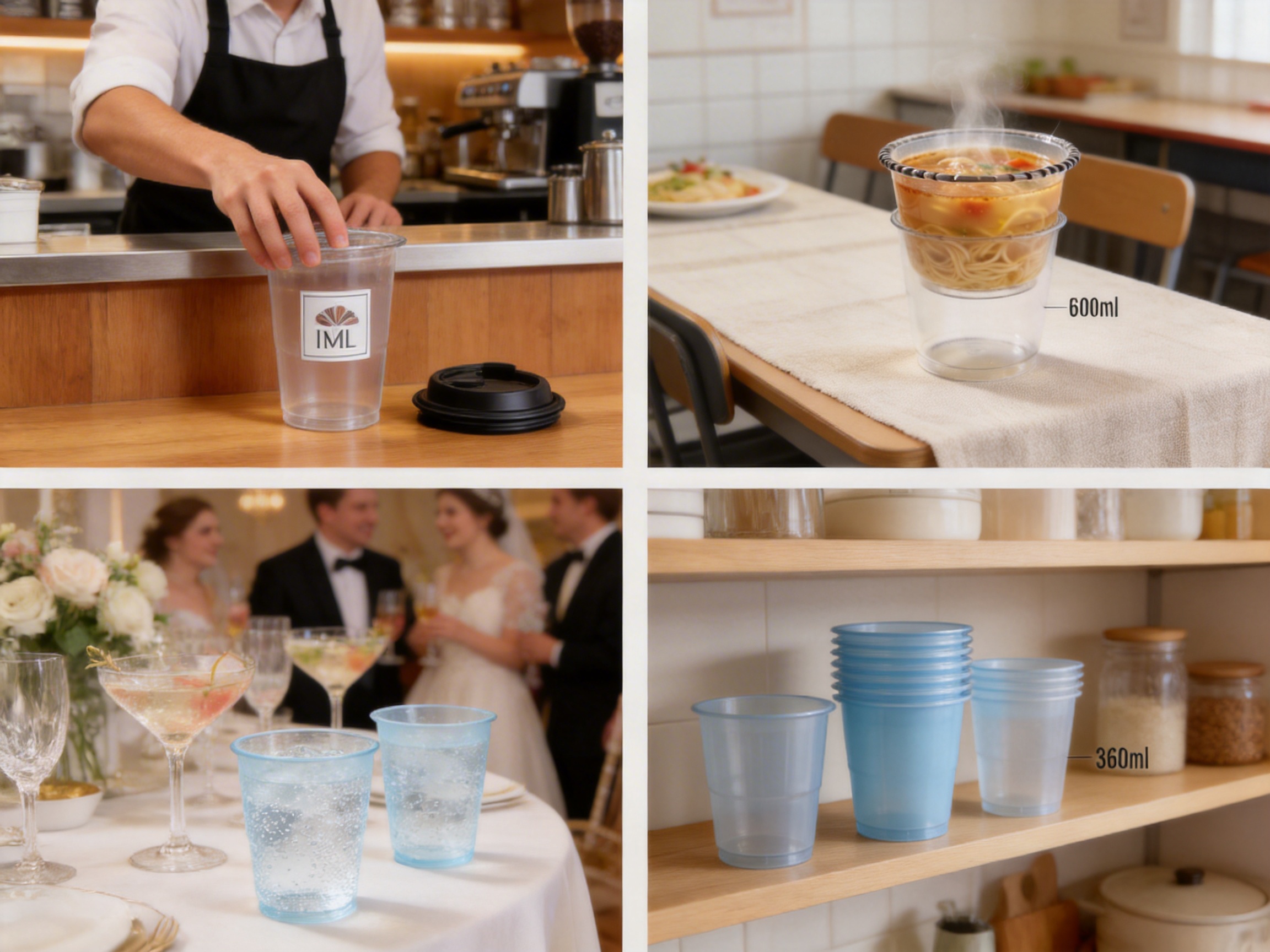
PP thermoforming cups are used in a wide range of settings, thanks to their versatility and performance. Some of the most common applications include:
1. Catering and Hospitality
Restaurants, cafes, and hotels rely on PP thermoforming cups for takeaway beverages and food. Their temperature resistance, durability, and customization options make them perfect for serving everything from hot coffee to cold smoothies. The stackability of the cups also helps businesses save space in their kitchens and storage areas.
2. Canteens and Corporate Dining
Corporate canteens and school cafeterias use PP thermoforming cups for serving meals and beverages. The cups are easy to clean (if reused) and durable enough to withstand frequent use. Their recyclability also aligns with the sustainability goals of many organizations.
3. Events and Parties
PP thermoforming cups are a popular choice for weddings, birthday parties, and corporate events. Their customization options allow event planners to match the cups to the event’s theme, while their durability ensures they can handle the demands of large gatherings.
4. Home Use
Consumers use PP thermoforming cups for daily use, such as drinking coffee or storing leftovers. Their stackability makes them convenient for home storage, and their recyclability reduces the environmental impact of disposable packaging.
Frequently Asked Questions (Q&A)
Below are answers to some of the most common questions about PP thermoforming cups:
Q1: Are PP thermoforming cups safe for food contact?
A1: Yes. PP thermoforming cups are made from 100% food-grade polypropylene, which is approved by global food safety authorities (including the FDA in the U.S. and EFSA in the EU). They have passed rigorous testing for food contact safety and are free of toxic additives like BPA, phthalates, and lead.
Q2: Can PP thermoforming cups be recycled?
A2: Yes. PP is one of the most widely recycled plastics in the world. PP thermoforming cups can be recycled through standard curbside recycling programs—provided they are clean and free of food residue. The manufacturer also uses a closed-loop recycling system, where recycled PP is used to produce new cups, reducing waste and environmental impact.
Q3: What customization options are available?
A3: The manufacturer offers extensive customization options, including: - Size (360ml to 1000ml) - Mouth style (rolled or flat) - Color (custom colors to match brand identities) - Patterns and labeling (in-mold labeling for durable prints) - Special features (logos, embossing, anti-slip textures)
Q4: What is the minimum order quantity (MOQ)?
A4: The MOQ is flexible and depends on the customization level. For standard sizes, the MOQ is 10,000 units. For customized orders, the MOQ is 5,000 units. The manufacturer also offers sample orders for businesses to test the product before placing a bulk order.
Q5: How long is the delivery time?
A5: For standard orders, the delivery time is 7-10 days. For customized orders, the delivery time is 15-20 days, depending on the complexity of the customization. The manufacturer has a large production capacity and can meet urgent orders with a rush fee.
Q6: Are these cups compatible with lids?
A6: Yes. PP thermoforming cups are compatible with matching plastic cup lids (available from the same manufacturer). The lids are designed to fit tightly, ensuring leak-proof use for takeaway beverages and food.
Q7: Can these cups be reused?
A7: While PP thermoforming cups are designed for single-use, they can be reused if cleaned properly. However, it is important to note that repeated use may reduce the cup’s durability and hygiene. For food safety reasons, it is recommended to use the cups once for commercial applications.
References
1. Food and Agriculture Organization (FAO). (2022). Sustainable Food Packaging: Trends and Opportunities. Rome, Italy: FAO Publishing.
2. European Commission. (2021). PP Recycling Guidelines for Food Contact Materials. Brussels: European Commission Directorate-General for Health and Food Safety.
3. American Chemistry Council (ACC). (2023). Polypropylene (PP) Properties and Applications in Food Packaging. Washington D.C.: ACC.
4. International Organization for Standardization (ISO). (2019). ISO 9001:2015 Quality Management Systems – Requirements. Geneva: ISO.
5. German Institute for Standardization (DIN). (2020). DIN EN 15349:2019 Plastics – Polypropylene (PP) for Food Contact Applications. Berlin: DIN.
6. U.S. Food and Drug Administration (FDA). (2022). Food Contact Materials: Polypropylene. Silver Spring, MD: FDA.
Conclusion
PP thermoforming cups represent the future of disposable food packaging—combining sustainability, performance, and customization to meet the evolving needs of businesses and consumers. Their exceptional temperature resistance, high transparency, durability, and recyclability make them superior to traditional alternatives like PET, PS, or PLA cups. Backed by advanced manufacturing processes and rigorous quality certifications, these cups are a reliable choice for a wide range of applications, from catering and hospitality to home use.
As the demand for sustainable and high-quality packaging continues to grow, PP thermoforming cups are poised to become the standard in the industry. Their ability to balance functionality with environmental responsibility makes them an ideal choice for businesses looking to reduce their carbon footprint while delivering a premium product to their customers.