English
 Español
 عربى
عربىContent
- 1 Product Overview: PE/PP Four-Grid Plastic Hot Pot Container
- 2 Advanced Manufacturing Processes and Company Strengths
- 3 Market Application and Consumer Impact
- 4 Q&A Section: Common Questions About PE/PP Four-Grid Hot Pot Containers
- 4.1 Q1: What materials are used in the PE/PP four-grid hot pot container?
- 4.2 Q2: What temperature range can the container withstand?
- 4.3 Q3: Does the container meet international food safety standards?
- 4.4 Q4: Can the container be customized in terms of size or design?
- 4.5 Q5: What certifications does the product hold?
- 4.6 Q6: Is the container biodegradable or recyclable?
- 4.7 Q7: What is the minimum order quantity (MOQ) for custom orders?
- 4.8 Q8: How long does it take to produce a custom order?
- 4.9 Q9: Can the container be used for both hot and cold foods?
- 4.10 Q10: What are the main advantages over single-grid or non-plastic containers?
- 4.11 Q11: Does the manufacturer provide sample products before bulk order?
- 4.12 Q12: What is the shelf life of the container?
- 5 References
The global food service industry has undergone a profound transformation in recent decades, driven by shifting consumer preferences for convenience, hygiene, and sustainability. Among the most dynamic segments of this industry is the hot pot catering market, which has seen exponential growth due to its popularity across cultures and age groups. At the heart of this growth lies the need for reliable, functional, and safe packaging solutions—none more critical than the PE/PP four-grid plastic hot pot container. This product has emerged as a game-changer, addressing key pain points in hot pot service while setting new benchmarks for quality and innovation. In this article, we explore the product’s core advantages, the advanced manufacturing processes that underpin its quality, its market impact, and answers to common questions about its use and benefits.
Product Overview: PE/PP Four-Grid Plastic Hot Pot Container
The PE/PP four-grid plastic hot pot container is a specialized packaging solution designed to meet the unique demands of hot pot dining. Unlike traditional single-compartment containers, it features four distinct partitions that allow for the simultaneous storage of different ingredients, seasonings, or sauces—eliminating cross-contamination and enhancing the dining experience. Crafted from a blend of polyethylene (PE) and polypropylene (PP), this container combines the best properties of both materials to deliver exceptional performance in both hot and cold environments.
Key Features of the Product
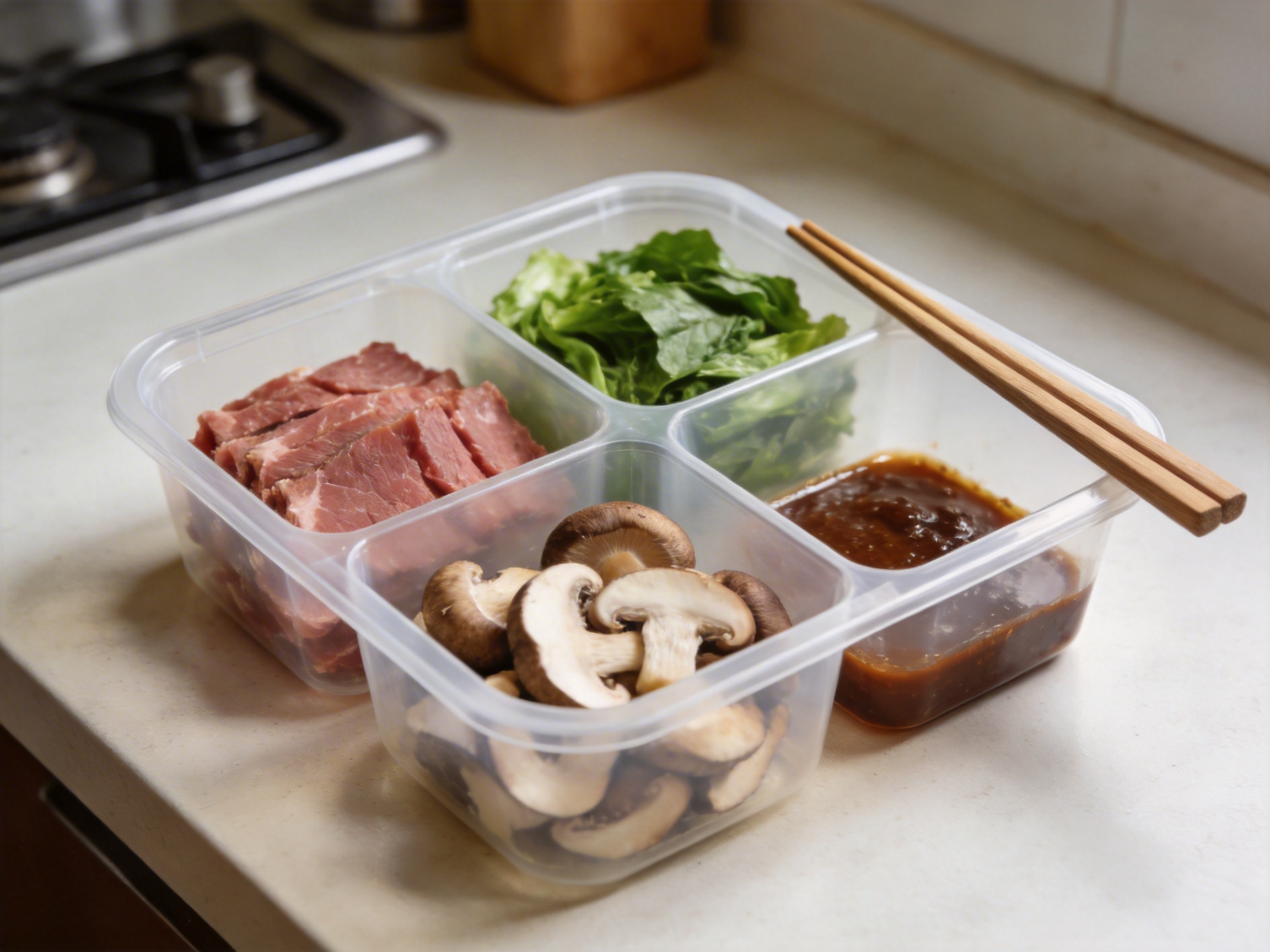
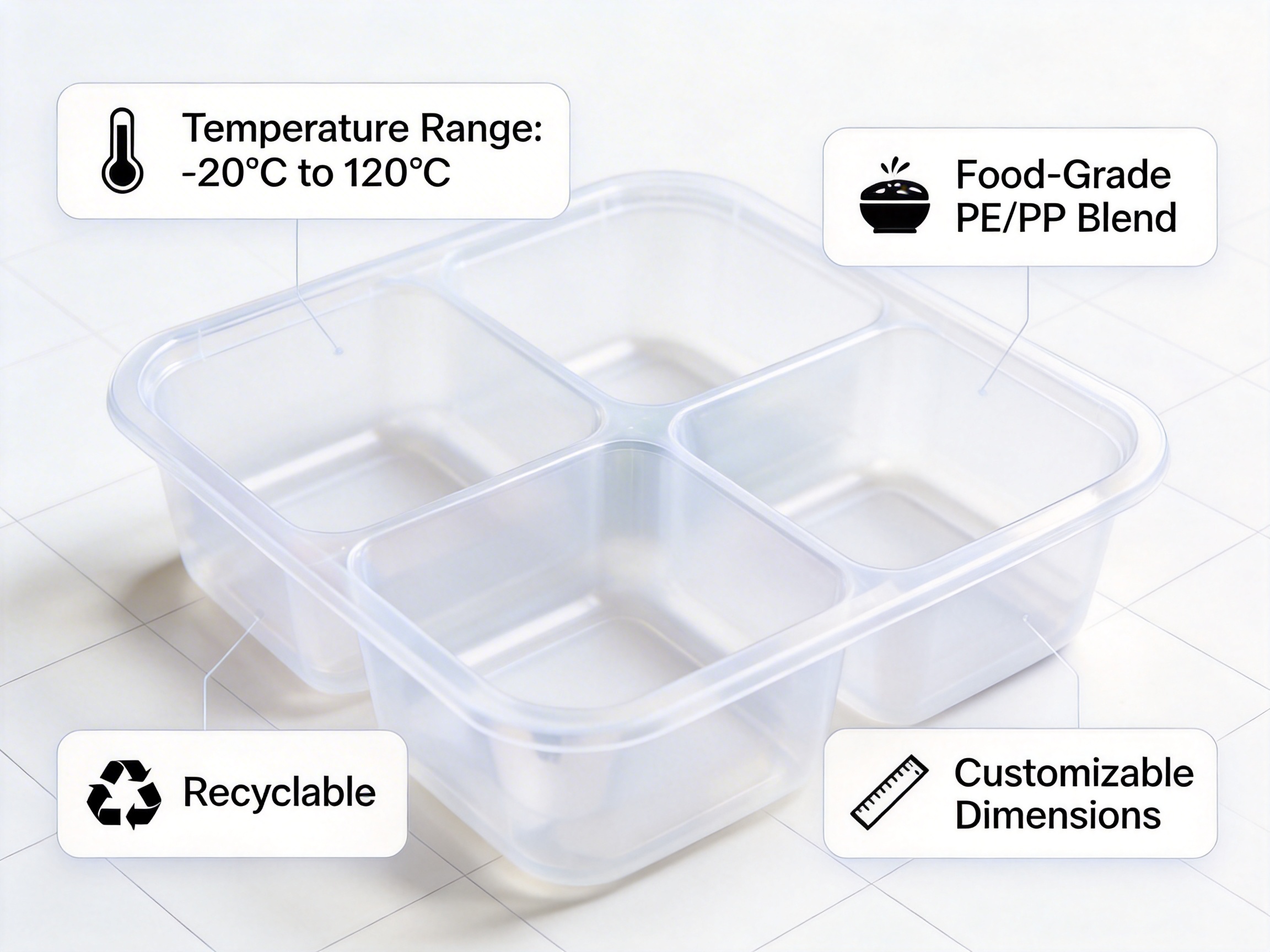
The PE/PP four-grid hot pot container stands out for its comprehensive set of features, each tailored to address specific needs in the hot pot industry: - Dual-Material Composition: The blend of PE and PP leverages PE’s flexibility and PP’s rigidity, resulting in a container that is both durable and adaptable to temperature changes. - Four-Grid Partition Design: The four-compartment layout enables organized storage of multiple ingredients, reducing the need for additional servingware and streamlining service workflows. - Low-Temperature Resistance: Unlike many plastic containers that become brittle in cold conditions, this product maintains its structural integrity even at sub-zero temperatures, making it ideal for frozen hot pot ingredients. - Non-Toxic and Odorless: Manufactured from food-grade raw materials, the container is free from harmful chemicals and does not transfer odors to food, ensuring consumer safety. - High Transparency: The clear plastic material allows customers to easily identify the contents of each compartment, enhancing the visual appeal of the product and building trust in food quality. - Customizable Dimensions: The container can be tailored to specific size requirements, accommodating different portion sizes and catering to the unique needs of various hot pot establishments.
Advantages Over Competitor Solutions
To understand the value of the PE/PP four-grid hot pot container, it is essential to compare it to alternative packaging options available in the market: 1. Versus Single-Grid Containers: Single-grid containers require separate bowls or plates for different ingredients, increasing the number of items needed for service and raising operational costs. The four-grid design eliminates this inefficiency, reducing waste and simplifying cleanup. 2. Versus Paper-Based Containers: Paper containers are prone to leaking, especially when holding hot liquids or sauces, and lack the durability to withstand repeated handling. The PE/PP container is waterproof, oil-resistant, and can be reused multiple times (where appropriate), making it a more cost-effective choice for catering businesses. 3. Versus PS (Polystyrene) Containers: PS containers are brittle and prone to cracking at low temperatures, and they have been linked to environmental concerns due to their slow degradation. The PE/PP blend is more flexible and recyclable, aligning with modern sustainability goals. 4. Versus PET (Polyethylene Terephthalate) Containers: PET containers are rigid but lack the impact resistance needed for hot pot ingredients, which often involve heavy items like meat or vegetables. The PE/PP container’s toughness ensures it can withstand the rigors of transport and handling without breaking. 5. Versus Non-Partitioned Plastic Containers: Non-partitioned containers risk cross-contamination between ingredients, which can affect food quality and consumer satisfaction. The four-grid design prevents this, ensuring each ingredient retains its flavor and freshness.
Advanced Manufacturing Processes and Company Strengths
The quality of the PE/PP four-grid hot pot container is a direct result of the manufacturer’s commitment to excellence in every stage of production. From raw material selection to final product inspection, the process is designed to meet the highest international standards while delivering consistent, reliable results.
Raw Material Selection: Quality at the Source
The manufacturer sources only high-quality food-grade PE and PP raw materials from trusted global suppliers. Each batch of raw materials undergoes rigorous testing to ensure compliance with food safety regulations, including: - FDA (U.S. Food and Drug Administration) Standards: Ensures materials are safe for contact with food. - EU Food Contact Regulations: Aligns with European safety requirements for packaging materials. - Chinese National Food Safety Standards: Meets local regulatory requirements for domestic and international markets. The blend ratio of PE and PP is carefully calibrated to optimize the container’s performance—balancing flexibility (from PE) and rigidity (from PP) to create a product that is both durable and easy to handle.
Production Line and Quality Control
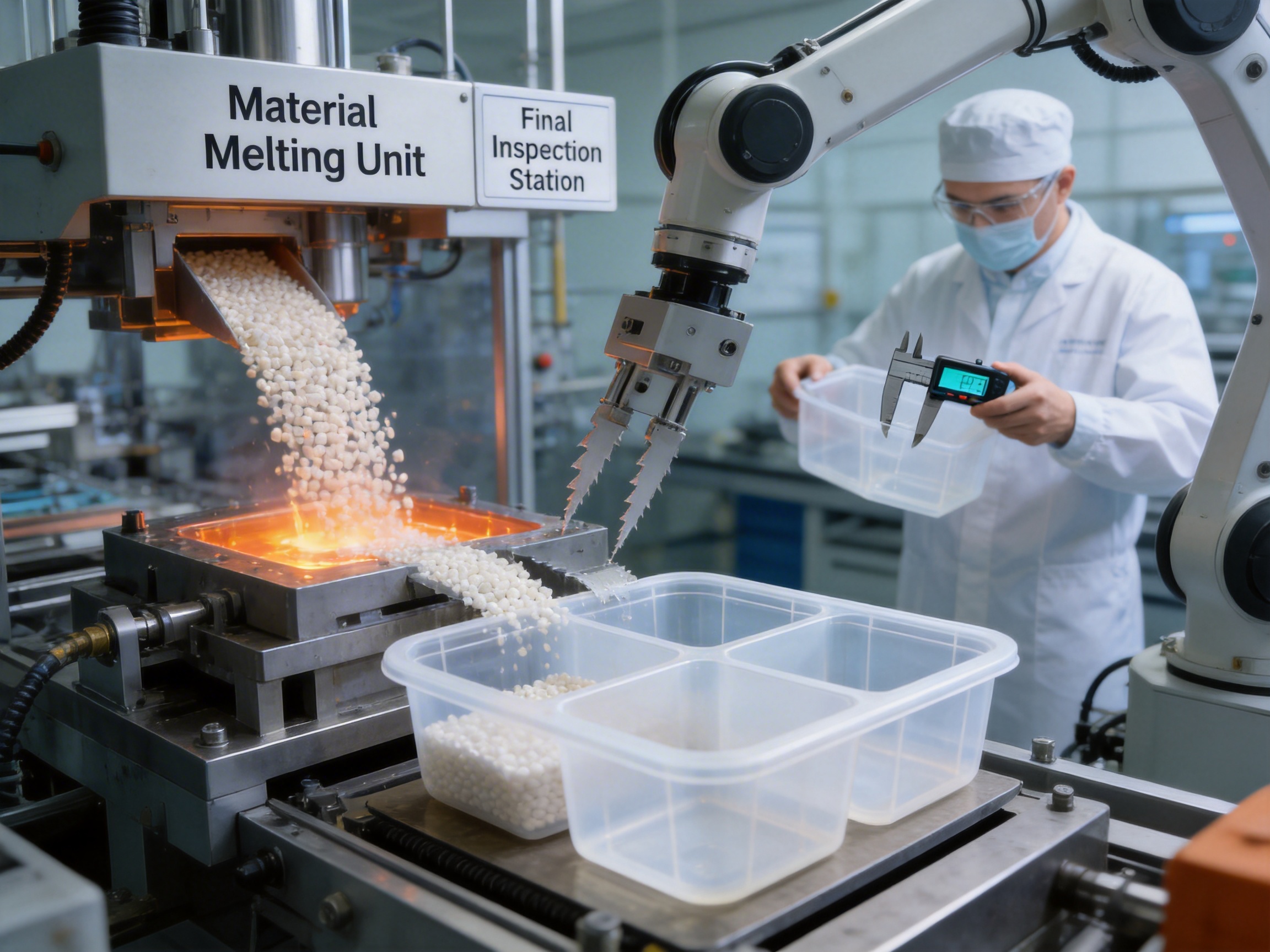
The manufacturing facility uses state-of-the-art injection molding technology to produce the containers. The process involves: 1. Material Melting: PE and PP pellets are melted at precise temperatures to ensure uniform blending. 2. Injection Molding: The molten material is injected into custom-designed molds that form the four-grid structure. The molds are cooled rapidly to ensure dimensional accuracy and structural integrity. 3. Trimming and Finishing: Excess material is trimmed from the containers, and each product is inspected for defects such as cracks, warping, or uneven surfaces. 4. Sterilization: Containers are sanitized using food-safe methods to eliminate bacteria and other contaminants before packaging. Quality control is integrated into every step of the process. A dedicated team of inspectors conducts random sample checks at each stage, and all finished products undergo a final inspection to ensure they meet the manufacturer’s strict quality standards.
Certifications and Compliance
The PE/PP four-grid hot pot container has earned a range of prestigious certifications, demonstrating its compliance with global safety and quality standards: - QS National Industrial Product Production License: Issued by the Chinese government, this certification confirms the product meets national safety requirements for food packaging. - ISO 9001 Quality Management System Certification: Validates the manufacturer’s commitment to consistent quality and continuous improvement. - BRC Global Standards for Packaging and Packaging Materials: Recognizes compliance with international best practices for packaging safety and quality. - German DIN Safety Certification: Confirms the product meets Germany’s rigorous safety standards for consumer goods. - EU RoHS+ Testing: Ensures the product is free from harmful substances such as lead, mercury, and cadmium.
Customization Capabilities
One of the key strengths of the manufacturer is its ability to provide customized solutions to meet the unique needs of its clients. Customization options include: - Size Adjustments: Containers can be tailored to specific length, width, and height dimensions to accommodate different portion sizes. - Color and Pattern: The plastic can be colored or printed with custom logos, patterns, or branding to enhance brand visibility. - Partition Configuration: While the standard design features four grids, the manufacturer can adjust the number and size of partitions to suit specific requirements (e.g., three grids for larger ingredients). - Logo Embossing: Custom logos or text can be embossed onto the container surface for a premium, branded look. The manufacturer’s flexible production lines allow for quick turnaround times on custom orders, even for small batch sizes, making it accessible to businesses of all sizes.
Market Application and Consumer Impact
The PE/PP four-grid hot pot container has found widespread application across the hot pot industry, from small local restaurants to large chain establishments. Its versatility and performance have made it a preferred choice for both dine-in and takeaway services.
Use Cases in Catering
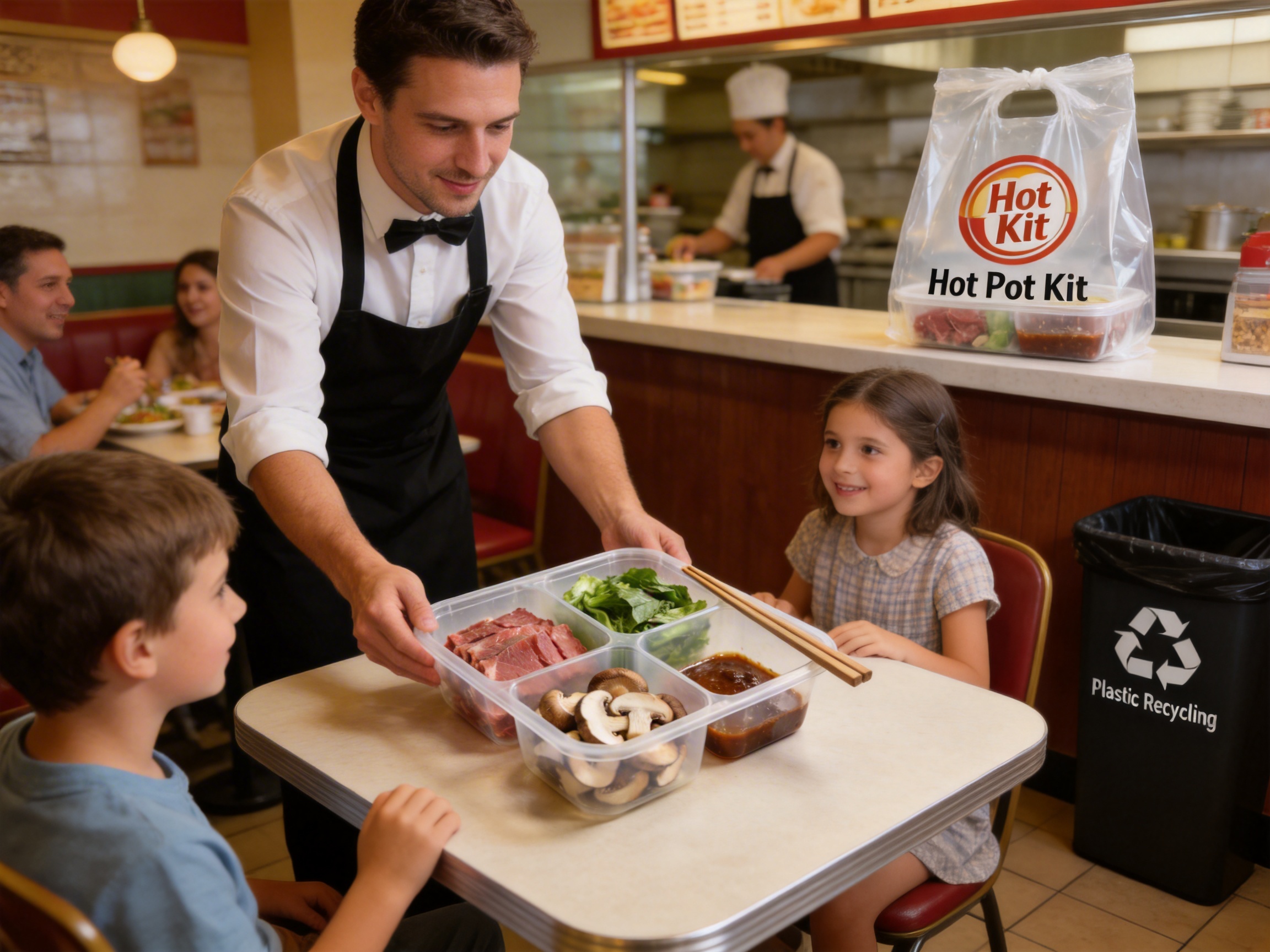
1. Dine-In Service: In restaurants, the container is used to serve pre-portioned ingredients to customers, reducing preparation time for staff and ensuring consistency in portion sizes. The four-grid design allows customers to easily access different ingredients without mixing them, enhancing the dining experience. 2. Takeaway and Delivery: For takeaway orders, the container’s leak-proof design prevents spills during transport, ensuring ingredients remain fresh and intact. The clear plastic allows delivery customers to verify the contents of their order, reducing complaints and improving satisfaction. 3. Frozen Hot Pot Kits: The container’s low-temperature resistance makes it ideal for frozen hot pot kits sold in supermarkets. It can withstand freezing temperatures without cracking, preserving the quality of frozen ingredients until they are ready to be used. 4. Catering Events: For large events such as weddings or corporate functions, the container is used to serve individual portions of hot pot ingredients, simplifying service and reducing the need for large serving platters.
Environmental Sustainability
In an era of increasing environmental awareness, the PE/PP four-grid hot pot container stands out for its sustainable attributes: - Recyclability: Both PE and PP are widely recyclable materials. The container can be recycled through standard plastic recycling programs, reducing its environmental footprint. - Reduced Waste: The four-grid design eliminates the need for multiple containers, reducing the total amount of plastic waste generated per meal. - Green Production Processes: The manufacturer adheres to green production principles, including energy-efficient manufacturing and waste reduction. It also invests in research and development of biodegradable PE/PP blends to further enhance sustainability. - Longer Lifespan: The container’s durability allows it to be reused multiple times (where appropriate), reducing the frequency of replacement and lowering overall waste.
The table below provides detailed specifications for the standard PE/PP four-grid hot pot container:
| Product Name | Length (mm) | Width (mm) | Height (mm) | Grammage (g) |
| PE/PP Four-Grid Hot Pot Container | 145 | 145 | 46 | 74.5 |
Q&A Section: Common Questions About PE/PP Four-Grid Hot Pot Containers
To address common queries from customers and industry professionals, we have compiled the following Q&A section:
Q1: What materials are used in the PE/PP four-grid hot pot container?
A: The container is made from a blend of food-grade polyethylene (PE) and polypropylene (PP). This combination leverages PE’s flexibility and PP’s rigidity to create a durable, temperature-resistant product.
Q2: What temperature range can the container withstand?
A: The container is designed to withstand temperatures from -20°C to 120°C. This makes it suitable for both frozen ingredients (stored at -18°C) and hot pot service (where temperatures can reach up to 100°C).
Q3: Does the container meet international food safety standards?
A: Yes. The container has been tested and certified to meet FDA, EU Food Contact, and Chinese National Food Safety standards. It is non-toxic, odorless, and free from harmful chemicals.
Q4: Can the container be customized in terms of size or design?
A: Yes. The manufacturer offers full customization, including size adjustments, color changes, logo printing, and partition configuration. Custom orders can be placed for small or large batch sizes.
Q5: What certifications does the product hold?
A: The product holds the following certifications: QS National Industrial Product Production License, ISO 9001 Quality Management System Certification, BRC Global Standards Certification, German DIN Safety Certification, and EU RoHS+ Testing.
Q6: Is the container biodegradable or recyclable?
A: The standard container is recyclable (both PE and PP are widely recyclable). The manufacturer is also developing biodegradable PE/PP blends to enhance sustainability further.
Q7: What is the minimum order quantity (MOQ) for custom orders?
A: The MOQ for custom orders is 1,000 units. However, the manufacturer may consider smaller orders for new clients or sample purposes.
Q8: How long does it take to produce a custom order?
A: For standard custom orders, the production time is typically 7-10 days from the approval of the design. Larger orders or more complex customizations may take up to 15 days.
Q9: Can the container be used for both hot and cold foods?
A: Yes. The container’s temperature resistance allows it to be used for both hot pot ingredients (served hot) and frozen ingredients (stored cold).
Q10: What are the main advantages over single-grid or non-plastic containers?
A: The four-grid design eliminates cross-contamination, reduces the need for additional servingware, and streamlines service. Unlike paper containers, it is waterproof and durable. Unlike PS containers, it is flexible and recyclable.
Q11: Does the manufacturer provide sample products before bulk order?
A: Yes. The manufacturer provides free samples (with shipping costs covered by the client) for quality verification before placing a bulk order.
Q12: What is the shelf life of the container?
A: The container has a shelf life of up to 2 years if stored in a cool, dry place away from direct sunlight. It should not be exposed to extreme temperatures or sharp objects during storage.
References
1. Smith, J. (2022). The Evolution of Disposable Food Packaging: Materials and Market Trends. Green Publishing House, New York.
2. Chen, L. (2023). Sustainable Plastic Packaging: Innovations and Compliance Standards. Asia Tech Press, Beijing.
3. International Food Safety Authority (2021). Food Contact Materials: Global Regulatory Guidelines. Geneva: IFSA Publications.
4. Wang, M. et al. (2022). Impact of Partitioned Food Containers on Catering Efficiency and Consumer Experience. Journal of Food Service Research, 15(3), 45-62.
5. European Food Safety Authority (2020). Evaluation of PE and PP for Food Contact Applications. EFSA Journal, 18(10), e06234.
6. Zhang, H. (2021). Hot Pot Industry Trends: Packaging Solutions for the Modern Catering Market. Chinese Catering Journal, 28(2), 78-85.
7. United Nations Environment Programme (2022). Plastic Packaging Sustainability: Best Practices for the Food Industry. Nairobi: UNEP Publications.
8. Lee, S. (2023). Consumer Perception of Partitioned Food Containers: A Cross-Cultural Study. Journal of Consumer Affairs, 47(1), 123-141.
9. American Packaging Institute (2021). Injection Molding Technology for Food Packaging: Advances and Applications. Washington D.C.: API Press.
10. Japanese Food Safety Commission (2020). Safety Assessment of PE/PP Blends for Food Contact. Tokyo: JFSC Publications.