English
 Español
 عربى
عربىContent
- 1 Understanding the Product: A PET Cup Built for Low-Temperature Use
- 2 Key Product Features
- 3 Product Specification Options
- 4 Advantages Over Ordinary Cold Cups
- 5 Applications in Foodservice and Beverage Markets
- 6 Material Safety and Food-Grade Confidence
- 7 Manufacturing Strengths Behind the Product
- 8 Advanced Production Processes and Quality Control
- 9 Why Manufacturing Capacity Matters for Buyers
- 10 Customization and Brand Value
- 11 Environmental Considerations and PET Recyclability
- 12 Comparison With Alternative Materials
- 13 Design Details That Improve User Experience
- 14 Supply Chain Reliability and OEM Service
- 15 Quality Certifications and Buyer Assurance
- 16 Operational Benefits for Beverage Businesses
- 17 Important Use Guidance
- 18 How the Product Supports Disposable Food Packaging Needs
- 19 Frequently Asked Questions
- 19.1 What is a low-temperature resistant PET plastic cup?
- 19.2 Can this PET cup be used for hot drinks?
- 19.3 Why is PET suitable for cold beverage packaging?
- 19.4 What makes this cup better than ordinary disposable cold cups?
- 19.5 Is the cup recyclable?
- 19.6 Can the cup be customized?
- 19.7 What sizes are available?
- 19.8 What beverages are suitable for this cup?
- 19.9 Does the manufacturer support large-volume orders?
- 19.10 What certifications support product quality?
- 20 Conclusion
- 21 References
- 22 Product: Low-Temperature Resistant PET plastic cup
In the modern beverage and foodservice market, packaging is no longer just a container. It is a visible part of the customer experience, a carrier of brand identity, a practical tool for transport, and a factor in operational efficiency. For cold drinks, chilled desserts, fruit teas, iced coffee, smoothies, yogurt beverages, and refrigerated takeaway products, the cup must remain clear, strong, safe, and stable from filling to final consumption. The low-temperature resistant PET plastic cup is designed for these demanding cold-chain and takeaway scenarios, offering a balanced combination of transparency, toughness, hygiene, recyclability, and customization flexibility.
This article introduces the features, advantages, specifications, application value, manufacturing strengths, and frequently asked questions related to low-temperature resistant PET plastic cups. It also explains how Yuqian Packaging Technology (Jiangsu) Co., Ltd. supports large-volume procurement and customized packaging through advanced production capacity, strict quality management, and professional OEM services.
Low-Temperature Resistant PET plastic cup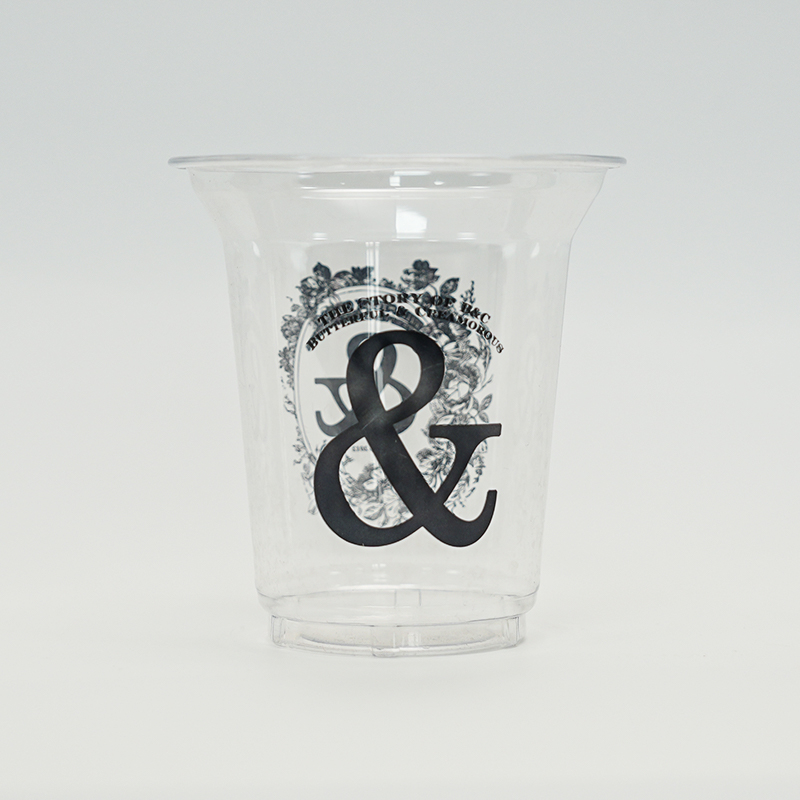
Understanding the Product: A PET Cup Built for Low-Temperature Use
A low-temperature resistant PET plastic cup is made from specially formulated food-grade PET material that can maintain toughness and shape stability within a temperature range of approximately -20℃ to 55℃. This means the cup is suitable for cold beverages, chilled storage, refrigerated display, and low-temperature distribution conditions that may cause ordinary cups to become brittle, crack, or deform.
PET, or polyethylene terephthalate, is widely used in food and beverage packaging because of its high clarity, good mechanical strength, light weight, and recyclability. However, not every PET cup performs equally well in low-temperature environments. A cup designed for cold-chain use must resist brittleness, preserve rim integrity, maintain sidewall strength, and remain compatible with lids during handling and transportation. The low-temperature resistant PET cup addresses these needs through material selection, mold design, wall thickness control, and stable manufacturing processes.
The product is especially suitable for businesses that serve iced drinks, ready-to-drink beverages, pre-packed cold products, bubble tea, cold brew coffee, fresh juice, smoothies, fruit cups, dessert beverages, and other takeaway items that need a transparent and durable container. The cup mouth is round, the inner wall is smooth, the appearance is highly transparent, and the overall structure is designed to reduce deformation during normal use.
Key Product Features
The low-temperature resistant PET plastic cup has several defining features that make it a practical packaging choice for professional beverage service and food packaging operations.
First, the cup is adaptable to a temperature range of -20℃ to 55℃. This range supports chilled and refrigerated applications while reminding users that PET cold cups are not designed for high-temperature hot drinks. For cold beverage brands, this temperature range is highly relevant because many drinks are stored, transported, or displayed under refrigerated conditions before purchase.
Second, the cup mouth is round and stable. A well-formed rim improves drinking comfort, lid compatibility, sealing reliability, and stacking performance. In the takeaway beverage industry, rim precision is important because even a small dimensional inconsistency can cause lid looseness, leakage, or poor user experience.
Third, the cup is available in various calibers and styles. Different beverage categories require different cup shapes and opening diameters. A bubble tea shop may prefer a wider mouth for toppings, while a coffee chain may prioritize a standardized lid system. The availability of multiple mouth sizes helps buyers match the cup to their existing lid, sealing film, or filling equipment.
Fourth, the cup provides high transparency and a smooth surface. Visual appeal is essential for beverages with layered colors, fruit inclusions, foam, cream, pearls, jelly, or other visible ingredients. A clear cup allows the product itself to become part of the display and marketing effect.
Fifth, the cup has good toughness and is not easily deformed under normal cold-use conditions. This improves handling comfort and reduces waste caused by cracked or crushed cups during storage, packing, delivery, or customer use.
Sixth, the material is food-grade, non-toxic, odorless, and suitable for direct food contact. For beverage businesses, material safety is not optional. Consumers expect packaging to preserve product taste without unwanted smell or contamination.
Seventh, PET material is recyclable. Compared with materials that are difficult to recover or separate, PET has an established recycling value in many markets. Using recyclable PET packaging helps companies respond to environmental responsibility expectations while maintaining functional performance.
Product Specification Options
The low-temperature resistant PET plastic cup is available in multiple sizes and mouth diameters. These options give beverage and foodservice operators the flexibility to select the most suitable cup according to serving size, drink type, lid system, and packaging design.
| Specification | Volume | Mouth Diameter | Height | Bottom Diameter | Grammage |
| 12 oz | 400 ml | 90 mm | 108 mm | 56 mm | 11 g |
| 16 oz | 500 ml | 90 mm | 135 mm | 56 mm | 13.5 g |
| 20 oz | 600 ml | 90 mm | 158 mm | 54 mm | 14.3 g |
| 12 oz | 400 ml | 93 mm | 106 mm | 57 mm | 12 g |
| 12 oz | 400 ml | 98 mm | 109 mm | 55 mm | 11.6 g |
| 14 oz-A | 420 ml | 98 mm | 105 mm | 56 mm | 11 g |
| 14 oz-B | 420 ml | 98 mm | 106 mm | 62 mm | 14 g |
| 16 oz-Y | 500 ml | 98 mm | 120 mm | 62 mm | 14.3 g |
| 16 oz-B | 540 ml | 98 mm | 120 mm | 65 mm | 13.5 g |
| 20 oz | 600 ml | 98 mm | 143 mm | 62 mm | 15.5 g |
| 24 oz | 700 ml | 98 mm | 155 mm | 60 mm | 16.5 g |
| 16 oz | 600 ml | 117 mm | 82 mm | 90 mm | 16 g |
| 24 oz | 1000 ml | 117 mm | 107 mm | 90 mm | 21 g |
These specifications demonstrate that the product range is not limited to a single drink format. It can support standard cold beverage servings, large-size drinks, short and wide cups, and high-capacity options. For businesses with multiple menu items, this range helps create a more consistent packaging system without depending on unrelated suppliers for each size.
Advantages Over Ordinary Cold Cups
In a competitive packaging market, many disposable cups may appear similar at first glance. However, the difference becomes obvious during storage, transport, filling, sealing, stacking, and customer handling. A low-temperature resistant PET plastic cup offers several advantages over ordinary cold cups.
Better Toughness in Cold Conditions
Ordinary plastic cups may become stiff or fragile when exposed to low temperatures. In refrigerated storage or winter transportation, brittleness can lead to rim cracking, sidewall splitting, and deformation. A low-temperature resistant PET cup is designed to keep its toughness and shape stability down to approximately -20℃. This makes it more dependable for chilled beverage distribution, cold rooms, refrigerated display cabinets, and seasonal low-temperature logistics.
Clearer Presentation for Premium Drinks
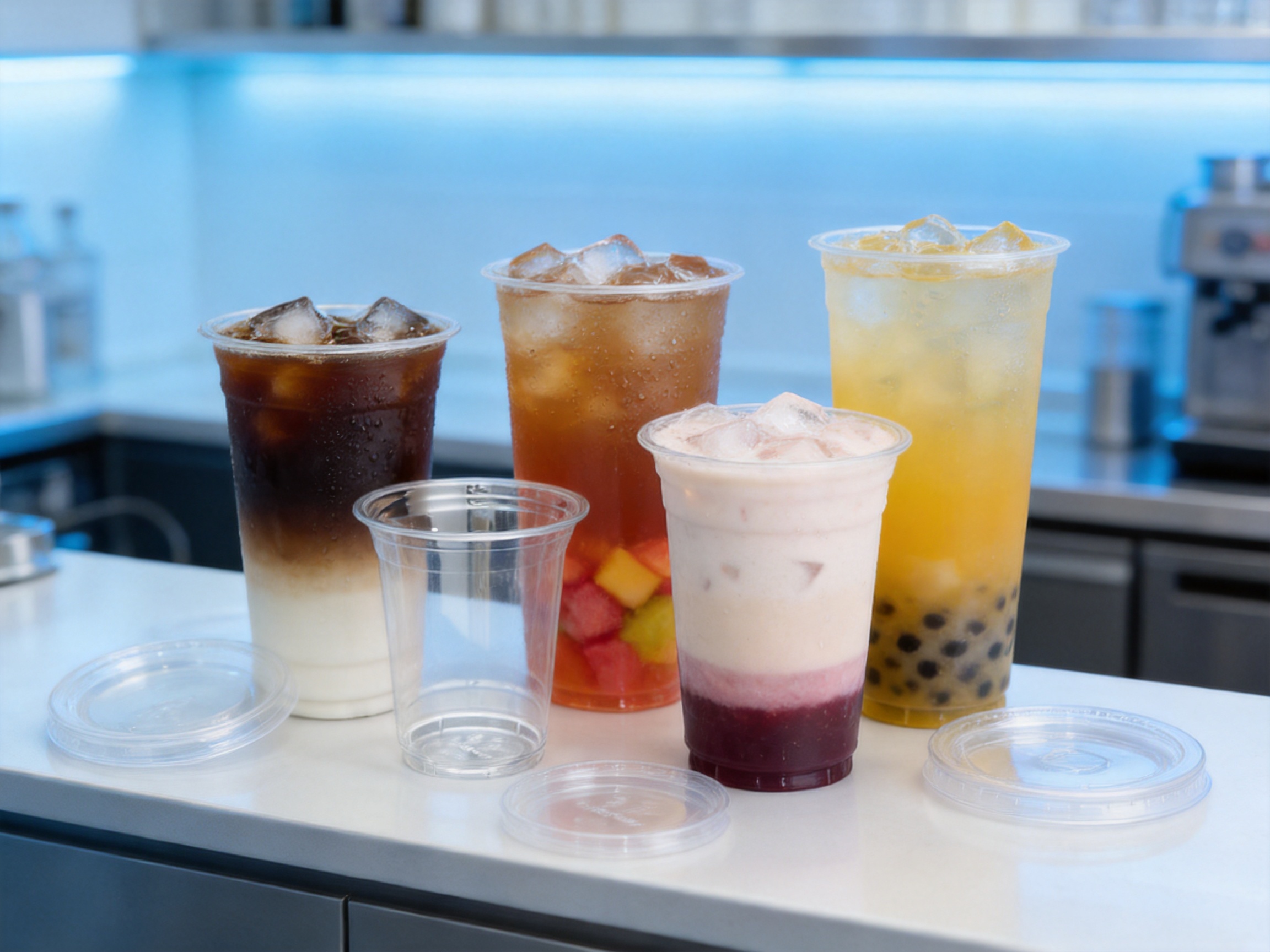
Many modern beverages depend on visual appeal. A fruit tea with colorful fruit pieces, a layered iced latte, a cream-topped matcha drink, or a smoothie with natural texture all benefit from transparent packaging. Low-clarity cups can make drinks look dull or lower value. The high transparency of PET helps present the drink attractively, supporting impulse purchases and social-media-friendly product images.
More Stable Rim and Lid Fit
The cup mouth is round and designed for compatibility with corresponding lids. In takeaway service, leakage is one of the most common customer complaints. A consistent rim helps lids attach securely, reducing the risk of spills during delivery or transport. This is especially important for beverage chains, convenience stores, cafés, and event catering operations.
Improved Hygiene and User Confidence
The smooth inner wall is easy to inspect and suitable for hygienic use. Food-grade PET is non-toxic and odorless, helping preserve the original taste and aroma of drinks. For consumers, a clean, transparent cup communicates freshness. For operators, reliable material quality helps reduce complaints and supports compliance with food packaging expectations.
Recyclability and Environmental Responsibility
Environmental concerns are reshaping food packaging decisions. While no disposable packaging is free from environmental responsibility, recyclable PET provides a practical path for resource recovery where collection systems are available. Compared with some mixed-material or difficult-to-recycle alternatives, PET can be recycled and reused in various downstream applications. This makes it an important material for companies seeking a balance between performance, cost, clarity, and environmental awareness.
Customization for Brand Differentiation
Generic cups may hold a drink, but customized cups can promote a brand. The product can be customized in color, pattern, and in-mold labeling according to customer requirements. This allows beverage businesses to turn packaging into a mobile advertising surface. A distinctive cup design can improve brand recognition, seasonal promotion impact, and customer loyalty.
Applications in Foodservice and Beverage Markets
The low-temperature resistant PET plastic cup is versatile and can be used across a wide range of cold drink and chilled food scenarios. Its combination of transparency, toughness, and size variety makes it relevant to both independent stores and large chain operations.
Iced Coffee and Cold Brew
Coffee shops increasingly rely on iced drinks as year-round menu items. Cold brew, iced Americano, iced latte, mocha drinks, and flavored milk coffees all require cups that can maintain clarity and resist condensation-related handling pressure. PET cups present coffee colors clearly and support a premium takeaway image.
Bubble Tea and Fruit Tea
Bubble tea and fruit tea shops often use drinks with pearls, pudding, jelly, fruit cubes, cream cheese foam, and other toppings. Wider mouth options can improve the customer experience, while high transparency shows ingredients effectively. The cup’s toughness is also helpful because bubble tea delivery may involve shaking, sealing, and transport.
Fresh Juice and Smoothies
Fresh juice and smoothies are often purchased because of their natural colors and fresh appearance. A clear PET cup allows consumers to see the quality of the product. The smooth surface and stable structure make the cup suitable for display refrigerators and takeaway counters.
Yogurt Drinks and Chilled Desserts
Yogurt beverages, parfaits, chilled puddings, fruit cups, and layered desserts require packaging that keeps a clean appearance under cold storage. The product’s low-temperature resistance helps preserve container stability in refrigerated environments.
Convenience Store Beverages
Convenience stores may use transparent cups for pre-packed iced drinks, ready-to-drink chilled beverages, or freshly prepared drinks. A stable PET cup supports standardized operations, consistent display, and efficient inventory management.
Event Catering and Outdoor Service
For festivals, exhibitions, sports events, and outdoor catering, disposable PET cups reduce washing requirements and speed up service. Since outdoor temperatures and handling conditions vary, toughness and reliable shape stability are important.
Material Safety and Food-Grade Confidence
Food packaging must be safe before it can be useful. The low-temperature resistant PET plastic cup is made from food-grade PET material. It is non-toxic, odorless, and suitable for food and beverage contact under intended use conditions. The cup is designed to avoid unwanted odor transfer, helping beverages retain their original flavor.
The manufacturer has passed important certifications and management systems, including QS national industrial product production license, ISO9001 Quality Management System certification, BRC certification, German authoritative safety DIN certification, and EU ROHS+ testing. These certifications reflect a commitment to quality control, production discipline, material management, and product safety expectations.
For buyers, certifications are important because they reduce procurement uncertainty. When packaging is sourced from a qualified and experienced producer, it is easier to maintain consistent quality across batches, meet customer audit requirements, and support stable supply chain operations.
Manufacturing Strengths Behind the Product
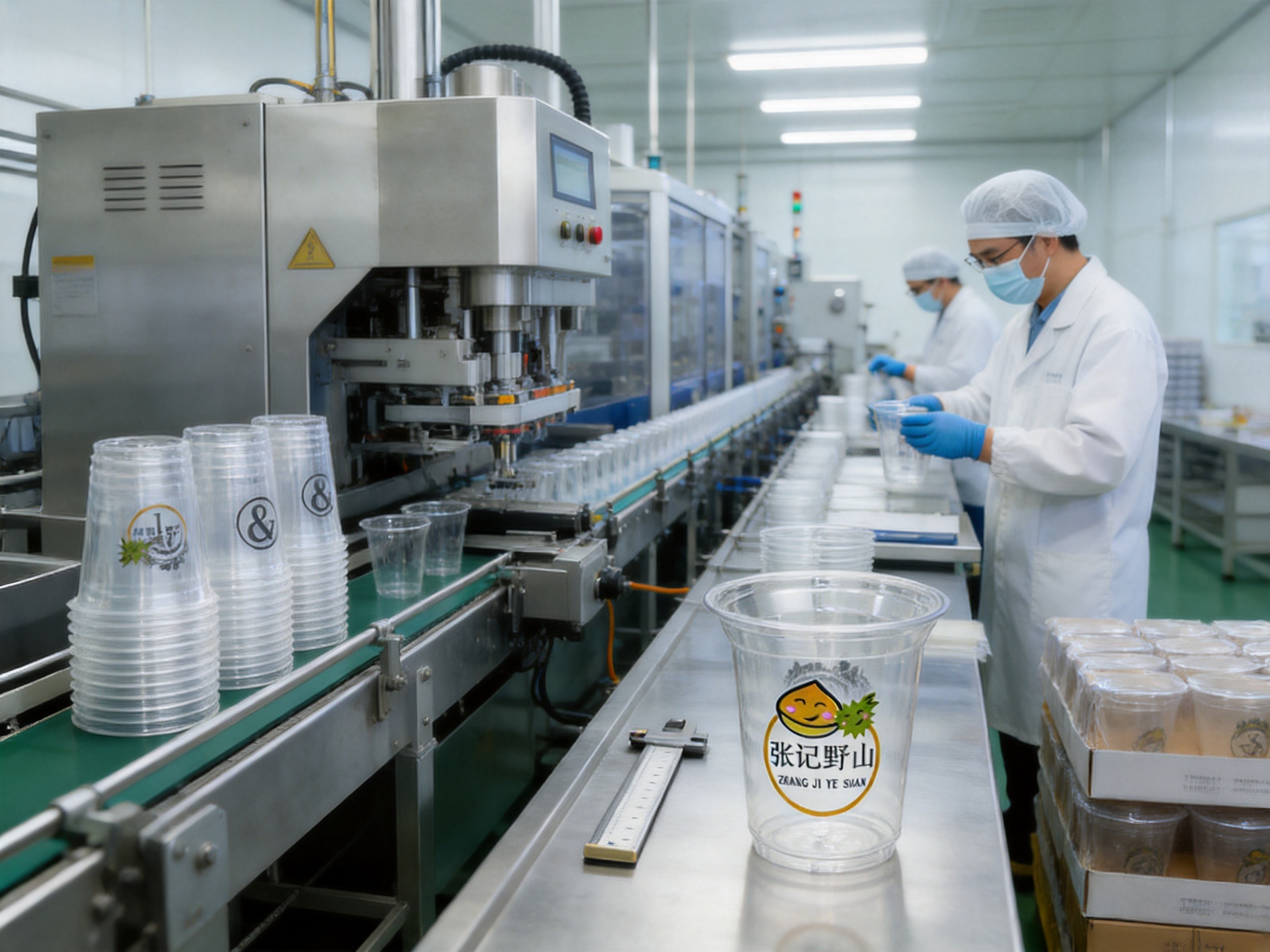
A high-quality PET cup is not created only by selecting a material. It requires an integrated manufacturing system that controls raw material selection, sheet processing, forming, trimming, inspection, stacking, packing, and delivery. Yuqian Packaging Technology (Jiangsu) Co., Ltd. was established in 2010 and is located in Taizhou City, Jiangsu Province, China. With a plant area of approximately 30,000 square meters, the company focuses on research, development, production, and sales of new food packaging materials and products.
The company’s manufacturing strength is reflected in several areas. It has advanced production equipment and production lines, which support stable output and efficient processing. Strong production capacity enables the company to handle large-volume orders while maintaining delivery schedules. This is important for beverage chains, wholesalers, distributors, and food packaging buyers who cannot risk supply interruptions during seasonal demand peaks.
Another strength is process standardization. PET cup production requires accurate temperature control, mold precision, material uniformity, and forming stability. If the process is unstable, cups may have uneven walls, weak rims, poor stacking, inconsistent height, or lid-fit problems. A professional manufacturer reduces these risks through equipment capability and quality inspection procedures.
The company also provides OEM customization services. Customers can choose different calibers, sizes, colors, printed patterns, or in-mold labeling solutions according to market positioning. This flexibility allows the same product platform to serve different customer groups, from local beverage stores to regional chains and international buyers.
Advanced Production Processes and Quality Control
The production of low-temperature resistant PET plastic cups generally involves several technical stages. Each stage affects the final cup’s appearance, strength, safety, and usability.
Raw Material Selection
Food-grade PET material is selected according to performance requirements. For low-temperature applications, the formulation must support toughness and stability under cold conditions. Material quality directly affects transparency, odor, strength, and consistency.
Sheet Preparation
PET is processed into sheets with controlled thickness and surface quality. Uniform sheet thickness is essential because it influences the final cup’s wall strength and weight. If the sheet is inconsistent, some areas of the cup may become too thin after forming.
Thermoforming or Forming Process
The sheet is heated and formed into cup shapes using molds. Precise mold design determines mouth diameter, height, bottom structure, stacking performance, and sidewall appearance. Temperature and forming pressure must be controlled carefully to avoid haze, deformation, stress marks, or weak areas.
Rim Formation and Trimming
The rim must be round, smooth, and dimensionally stable. This is crucial for drinking comfort and lid sealing. Trimming quality also affects safety because rough edges can reduce user comfort or create quality complaints.
Inspection and Sorting
Finished cups are inspected for appearance, size, weight, transparency, rim quality, and structural defects. Professional inspection reduces the chance of defective cups entering customer operations.
Stacking and Packaging
Cups must stack smoothly without sticking excessively or collapsing. Proper packaging protects the cups during transport and storage. For large-volume buyers, good stacking and packaging design also improves warehouse efficiency.
Why Manufacturing Capacity Matters for Buyers
For a beverage business, packaging shortages can stop sales immediately. Even if ingredients, staff, and stores are ready, operations cannot continue smoothly without cups. Therefore, production capacity is not just a supplier feature; it is a business continuity factor.
Yuqian Packaging Technology (Jiangsu) Co., Ltd. emphasizes strong mass production capacity and reliable delivery. This matters for buyers with monthly or seasonal demand fluctuations. During summer, iced drinks and cold beverages often experience a sharp demand increase. A supplier with limited production ability may delay shipments, forcing customers to source emergency alternatives with inconsistent quality. A strong factory can better plan, produce, and deliver orders on time.
Capacity also supports customization. Customized cups require communication, design confirmation, mold or printing preparation, production scheduling, and quality control. A manufacturer with experience and equipment can manage these steps more efficiently than a simple trading company or small workshop.
Customization and Brand Value
Packaging is one of the most visible brand elements in the takeaway beverage market. A customer may hold a cup while walking, working, attending an event, or sharing photos online. A customized PET cup can communicate professionalism and make the beverage more memorable.
The low-temperature resistant PET plastic cup can be customized with colors, patterns, and in-mold labeling. Customers may use customization for brand logos, seasonal campaigns, limited-edition drinks, co-branded events, promotional messages, or functional labels. For example, a juice brand may prefer fresh green or fruit-themed graphics, while a coffee chain may choose a minimalist transparent cup with a dark logo. A dessert brand may use playful designs that appeal to younger consumers.
Customization is not only decorative. It can also improve operational efficiency. Clear size markings, product category identifiers, or brand-specific cup colors can help staff distinguish drink sizes quickly during busy hours. For chains, consistent packaging design across stores strengthens brand identity and customer recognition.
Environmental Considerations and PET Recyclability
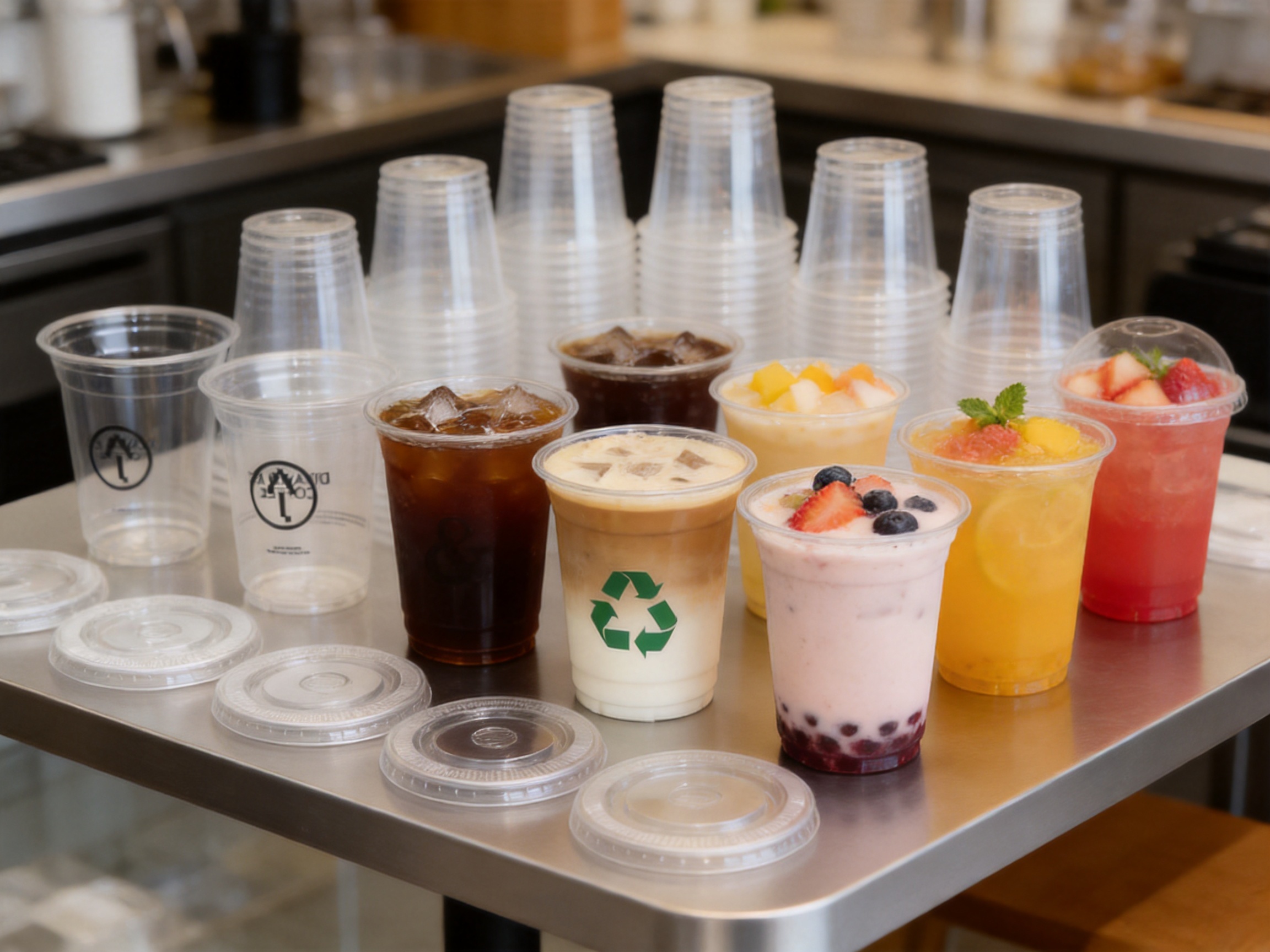
Modern packaging decisions must consider both performance and environmental impact. PET is valued because it is recyclable in many waste management systems. After use, PET cups can be collected and processed into recycled materials, depending on local recycling infrastructure and cleanliness. This helps reduce the environmental burden compared with packaging that cannot be practically recovered.
Low-temperature resistant PET cups support an environmental approach in several ways. Their durability can reduce breakage and product loss. Their light weight helps reduce transportation burden compared with heavier packaging alternatives. Their recyclability supports material recovery where proper collection systems exist. Their transparency and function reduce the need for additional packaging layers in many beverage applications.
However, responsible use is important. Businesses should educate customers about proper disposal and separate collection when possible. Packaging suppliers, beverage brands, recycling organizations, and consumers all play roles in improving recovery rates. A recyclable cup provides the possibility of circular use, but recycling success depends on system participation.
Comparison With Alternative Materials
When choosing beverage packaging, buyers often compare PET with PP, PLA, paper cups, and other plastic materials. Each material has its own advantages and limitations, but low-temperature resistant PET is especially strong in cold beverage presentation and clarity.
Compared with ordinary PP cold cups, PET typically offers superior transparency and a glossier appearance. PP can be useful for certain applications, especially where heat resistance is needed, but PET is often preferred for premium cold drink display because it makes beverage colors more vivid.
Compared with paper cups, PET cups allow full product visibility. Paper cups may support printing and insulation, but they hide the beverage, which can be a disadvantage for fruit teas, layered drinks, and visual dessert beverages. Paper cups may also require inner coatings, which can affect recyclability depending on the structure and local systems.
Compared with some biodegradable materials, PET may provide stronger clarity and mechanical consistency, especially in cold drink takeaway operations. Biodegradable materials can be suitable for specific environmental strategies, but they may have different storage, cost, and performance considerations. PET remains a widely used option because it balances cost, clarity, strength, and recyclability.
Compared with low-grade disposable cups, low-temperature resistant PET cups provide better reliability in cold environments, stronger brand presentation, and more consistent lid compatibility. For professional beverage businesses, these differences can reduce waste, improve customer satisfaction, and protect brand reputation.
Design Details That Improve User Experience
A cup may look simple, but its design affects every step of use. The rounded cup mouth improves comfort when drinking directly and helps lids fit more securely. A smooth inner wall supports cleanliness and a refined appearance. A stable bottom helps the cup stand properly on counters, trays, and delivery holders. Appropriate grammage supports a balance between strength and material efficiency.
The cup’s transparency also improves customer confidence. When customers can see the drink clearly, they can judge freshness, color, ingredient distribution, and portion size. In competitive beverage markets, this visual trust can influence purchase decisions.
Stacking design matters for operators. Cups that stack neatly save storage space and make service faster. If cups stick together, staff waste time separating them; if cups are too loose, stacks may fall. Professional cup design considers these operational details.
Lid compatibility is another essential factor. A well-formed mouth diameter reduces leakage risk and improves delivery performance. In the era of food delivery platforms, secure packaging is directly linked to customer reviews. A spilled drink can damage not only the product but also the brand’s image.
Supply Chain Reliability and OEM Service
Yuqian Packaging Technology (Jiangsu) Co., Ltd. serves as a professional OEM manufacturer and factory for low-temperature resistant PET plastic cups. OEM service means that customers can work with the manufacturer to produce packaging according to specific requirements, including sizes, styles, colors, patterns, and labeling options.
For distributors and brand owners, OEM cooperation can improve market competitiveness. Instead of purchasing generic cups that competitors also use, businesses can develop a packaging identity aligned with their brand strategy. For chain beverage stores, OEM cups can standardize the customer experience across multiple locations. For importers and wholesalers, customized product lines can meet local market preferences and regulatory expectations.
The company’s Shanghai branch, established in January 2019, further supports business channels and service quality. Combined with the main production base in Jiangsu Province, this structure helps the company serve domestic and international customers with improved communication, logistics coordination, and market responsiveness.
Quality Certifications and Buyer Assurance
Quality certifications are valuable because they show that a manufacturer does not rely only on verbal promises. The company has passed the QS national industrial product production license, ISO9001 Quality Management System certification, BRC certification, German authoritative safety DIN certification, and EU ROHS+ testing. These certifications indicate that the company has established quality procedures, safety awareness, and production control standards.
ISO9001 reflects quality management discipline. BRC is important in food-related supply chains because it focuses on safety, quality, and operational criteria. DIN-related safety recognition and ROHS+ testing support buyer confidence regarding product safety and compliance expectations. QS certification demonstrates qualification in industrial product production.
For customers purchasing disposable food packaging containers, certified production helps reduce risk. It supports internal supplier approval, customer audits, market entry, and long-term cooperation. In packaging procurement, low price alone is not enough if quality is unstable. A certified and experienced supplier can help buyers avoid hidden costs caused by returns, complaints, delays, or inconsistent product performance.
Operational Benefits for Beverage Businesses
Using low-temperature resistant PET cups can bring practical operational benefits to beverage businesses. First, the cup helps reduce damage during cold storage and transport. Fewer cracked cups mean less waste and lower replacement costs. Second, the clear appearance improves product display, which can increase customer interest. Third, stable lid fit reduces leakage complaints and supports delivery operations. Fourth, available sizes help businesses create a consistent menu packaging system. Fifth, customization helps strengthen brand identity.
For high-volume beverage chains, these benefits scale quickly. A small reduction in cup defects can become significant when purchasing hundreds of thousands or millions of cups. A more attractive cup can improve perceived beverage value. A reliable supplier can reduce management stress and procurement complexity.
For smaller businesses, professional packaging can create a premium impression without requiring major investment in store decoration or advertising. A well-designed transparent cup can make drinks look more appealing on counters and in customer photos.
Important Use Guidance
Although the low-temperature resistant PET plastic cup performs well in cold and refrigerated applications, it should be used according to its intended temperature range. The recommended temperature range is approximately -20℃ to 55℃. It is not intended for boiling liquids, microwave heating, oven use, or high-temperature hot filling above the stated limit.
Users should store cups in a clean, dry environment away from direct sunlight, high heat, and contamination. Before use, packaging should remain sealed to preserve cleanliness. Cups should be paired with matching lids to ensure proper fit. If used with sealing film or filling equipment, buyers should confirm compatibility with the selected cup specification.
How the Product Supports Disposable Food Packaging Needs
The low-temperature resistant PET plastic cup is part of a broader disposable food packaging container solution. The manufacturer’s product categories include plastic cups, plastic cup lids, takeaway bowls, disposable straws, recycle bags, peripheral products, and injection film lining cup and bowl boxes. This broader category coverage helps customers source multiple packaging items from a professional supplier, improving consistency and procurement efficiency.
For foodservice companies, matching cups and lids from a capable supplier can reduce compatibility problems. For distributors, a broader catalog supports more complete product offerings. For brand owners, integrated packaging development can improve design consistency across cups, bowls, and related accessories.
As beverage and takeaway food markets continue to grow, reliable disposable packaging remains essential. The challenge is to select products that satisfy performance, safety, appearance, environmental, and supply requirements at the same time. Low-temperature resistant PET plastic cups are well positioned for this challenge because they combine clarity, toughness, food safety, recyclability, and customization potential.
Frequently Asked Questions
What is a low-temperature resistant PET plastic cup?
It is a food-grade PET cup designed to maintain toughness and shape stability in cold environments. The product is suitable for temperatures from approximately -20℃ to 55℃, making it ideal for cold beverages, refrigerated display, chilled storage, and takeaway drinks.
Can this PET cup be used for hot drinks?
It is mainly designed for cold and chilled applications. The recommended temperature range is -20℃ to 55℃. It should not be used for boiling water, very hot beverages, microwave heating, or hot filling above the stated limit.
Why is PET suitable for cold beverage packaging?
PET offers high transparency, good toughness, light weight, food-grade safety, and recyclability. It helps display beverage colors and ingredients clearly while providing a reliable structure for takeaway use.
What makes this cup better than ordinary disposable cold cups?
Its key advantage is low-temperature toughness. It is less likely to crack or deform under cold storage or refrigerated conditions. It also provides high clarity, smooth walls, stable rim quality, and multiple size options.
Is the cup recyclable?
Yes, PET is recyclable where proper collection and recycling systems are available. Businesses and consumers should follow local recycling rules to improve recovery and reuse of the material.
Can the cup be customized?
Yes. Customization options can include different calibers, colors, patterns, and in-mold labeling. This makes the cup suitable for brand promotion, event packaging, seasonal designs, and private-label requirements.
What sizes are available?
The cup range includes multiple sizes such as 12 oz, 14 oz, 16 oz, 20 oz, and 24 oz options, with different volumes, heights, mouth diameters, bottom diameters, and grammages. Larger wide-mouth options are also available for specific applications.
What beverages are suitable for this cup?
It is suitable for iced coffee, cold brew, fruit tea, bubble tea, fresh juice, smoothies, yogurt drinks, chilled desserts, and other cold takeaway beverages.
Does the manufacturer support large-volume orders?
Yes. Yuqian Packaging Technology (Jiangsu) Co., Ltd. has strong production capacity and advanced production lines to support mass production, OEM customization, and stable delivery schedules.
What certifications support product quality?
The manufacturer has passed certifications and tests such as QS national industrial product production license, ISO9001 Quality Management System certification, BRC certification, German authoritative safety DIN certification, and EU ROHS+ testing.
Conclusion
The low-temperature resistant PET plastic cup is a practical and competitive packaging solution for cold beverages and chilled foodservice products. It offers a reliable temperature range of approximately -20℃ to 55℃, high transparency, good toughness, a smooth inner wall, a round and stable cup mouth, food-grade safety, recyclability, and customization flexibility. These features make it especially valuable for iced coffee shops, bubble tea brands, fruit tea stores, convenience stores, dessert businesses, event catering providers, and beverage distributors.
Compared with ordinary disposable cold cups, this product provides better cold-condition performance, clearer product presentation, improved lid compatibility, stronger brand customization potential, and more dependable quality. Behind these advantages is the manufacturing capability of Yuqian Packaging Technology (Jiangsu) Co., Ltd., a professional producer with advanced equipment, a 30,000-square-meter production base, broad disposable food packaging expertise, and multiple quality certifications.
For buyers seeking a dependable OEM low-temperature resistant PET cup manufacturer, the product provides both performance and brand value. It supports modern beverage operations by protecting drink quality, improving customer experience, reducing packaging risk, and enabling customized packaging design. In a market where every detail of presentation and delivery matters, a clear, tough, safe, and customizable PET cup can become a meaningful advantage.
References
Food Packaging Materials: Properties, Performance, and Applications. Industry Technical Reference.
ISO9001 Quality Management Systems: Principles and Implementation Guidance.
BRC Global Standard for Packaging Materials: Food Safety and Quality Management Reference.
Polyethylene Terephthalate in Food Contact Applications: Material Characteristics and Recycling Considerations.
Disposable Beverage Packaging Market Review: Cold Drink Packaging Trends and Consumer Experience Factors.
Thermoformed Plastic Packaging Production: Process Control, Mold Design, and Quality Inspection Practices.