English
 Español
 عربى
عربىContent
- 1 Product Overview
- 2 Basic Product Specification
- 3 Why a Vented Lid Matters in Food Packaging
- 4 Material Advantages of Food-Grade PP
- 5 Clear Appearance and Practical Presentation Value
- 6 Leak-Resistant Design for Transport Confidence
- 7 Thickened and Durable Structure
- 8 Stackability and Space-Saving Storage
- 9 Advantages Over Common Competing Lid Types
- 10 Manufacturing Strength Behind Stable Product Quality
- 11 Certifications and Quality Management
- 12 Customization for Different Foodservice Needs
- 13 Application Scenarios
- 14 Environmental Responsibility and Recyclability Considerations
- 15 Food Safety and Hygiene Advantages
- 16 Design Balance: Sealing and Ventilation
- 17 Supply Capability and One-Stop Service
- 18 How the Lid Supports Brand Experience
- 19 Operational Benefits for Buyers
- 20 Comparison with Alternative Materials
- 21 Quality Details That Buyers Should Notice
- 22 Advanced Production and Continuous Improvement
- 23 Practical Guidance for Use
- 24 Who Should Choose This Product
- 25 Why This Product Stands Out
- 26 Q&A Section
- 26.1 What is the clear PP plastic ordinary vented lid used for?
- 26.2 What material is the lid made from?
- 26.3 Why does the lid need a vent?
- 26.4 Is the lid transparent?
- 26.5 What is the size of the product?
- 26.6 Can the lid be customized?
- 26.7 Is the lid suitable for hot food?
- 26.8 Does the lid prevent leakage completely?
- 26.9 What certifications support product quality?
- 26.10 Why choose this lid instead of a cheaper thin lid?
- 26.11 How should the lid be stored?
- 26.12 Who can benefit most from this product?
- 27 Conclusion
- 28 References
- 29 Product: Clear PP plastic ordinary vented lid
In modern takeaway, delivery, catering, and prepared food service, the lid is not a minor accessory. It is a functional component that protects food quality, supports safe transport, improves customer experience, and helps operators maintain a clean, efficient workflow. The clear PP plastic ordinary vented lid is designed for these practical demands. Made from food-grade polypropylene, it combines transparency, durability, sealing performance, and controlled ventilation in one simple but highly useful product.
This article introduces the clear PP plastic ordinary vented lid, explains its material and structural advantages, compares it with common alternatives, and highlights the manufacturing strengths behind stable quality. It also discusses customization, food packaging applications, environmental considerations, quality control, and purchasing guidance for foodservice brands, distributors, and packaging buyers.
Clear PP plastic ordinary vented lid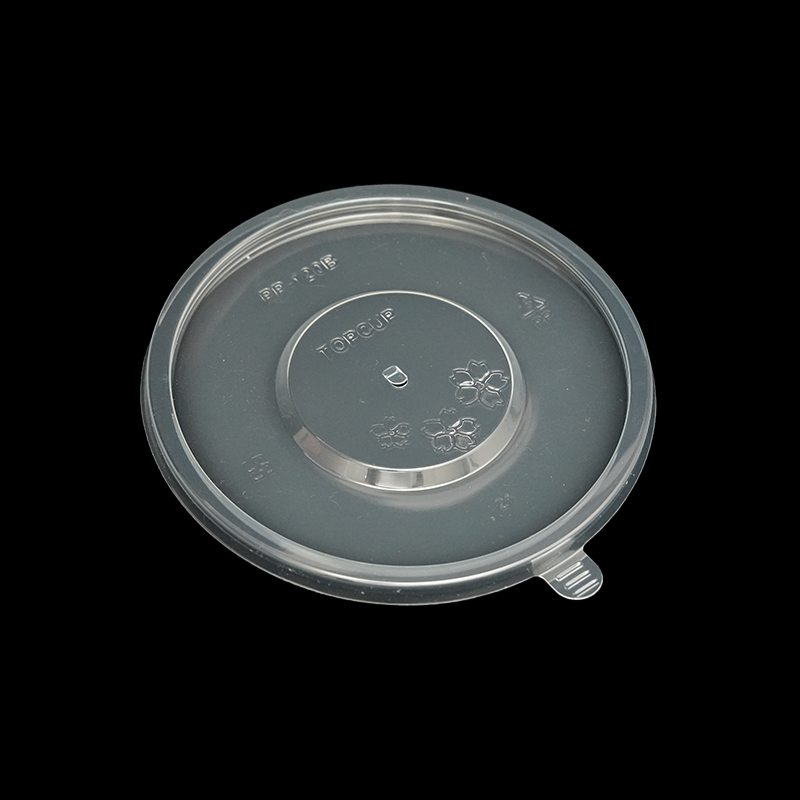
Product Overview
The clear PP plastic ordinary vented lid is a transparent takeaway lid designed for food containers, bowls, and related disposable food packaging systems. Its key purpose is to close the container securely while allowing a certain degree of air circulation through venting. This balance helps reduce pressure buildup, steam condensation, deformation, and accidental leakage during serving, stacking, and transportation.
The product is suitable for a wide range of takeaway and catering scenarios, including hot meals, soups with controlled filling levels, rice bowls, noodle dishes, prepared foods, side dishes, deli items, and other packaged foods. Its clear appearance allows food visibility, which is valuable for both operators and end users. Customers can see the product inside the container without opening the package, helping maintain hygiene and presentation.
The lid is made of food-grade PP material. PP, or polypropylene, is widely used in food packaging because of its good heat resistance, chemical stability, lightweight structure, and processing efficiency. Compared with some other disposable packaging plastics, PP offers a practical balance between performance, safety, and cost. It is strong enough for daily catering use while remaining suitable for large-scale production.
Basic Product Specification
| Item | Specification |
| Product Name | Clear PP Plastic Ordinary Vented Lid |
| Product Category | PP Takeaway Lid / Liner |
| Lid Type | 179 Regular |
| Caliber | 179 mm |
| Gram Weight | 8 g |
| Color | Transparent, customizable |
| Material | Food-grade polypropylene |
| Main Features | Leak-resistant design, thickened structure, vented function, stackable profile |
| Typical Applications | Takeaway bowls, food containers, catering packaging, prepared meals |
| Customization Options | Color, caliber, matching container requirements, packaging format |
Why a Vented Lid Matters in Food Packaging
A vented lid serves more than one purpose. A fully sealed lid may seem ideal at first glance, but hot food naturally releases steam. If the package is completely closed with no pressure relief, steam can accumulate inside the container. This may cause the lid to bulge, loosen, or deform. It may also increase condensation, causing water droplets to fall back onto the food, affecting texture and appearance.
The ordinary vented structure helps address this problem. By allowing limited ventilation, the lid supports air pressure balance inside the container. This helps protect the container from deformation caused by temperature and pressure changes. It also helps preserve the condition of the food, particularly when packaging hot items shortly before delivery or customer pickup.
For restaurants and foodservice operators, controlled ventilation can reduce packaging complaints. Customers prefer receiving food that looks fresh, remains intact, and is easy to open. A lid that stays in place, prevents excessive leakage, and avoids excessive condensation contributes directly to customer satisfaction.
Material Advantages of Food-Grade PP
Food-grade polypropylene is one of the most practical materials for disposable food packaging. It is valued for its balanced properties: it is lightweight, durable, resistant to many food oils and sauces, and capable of maintaining its shape under ordinary foodservice conditions. The clear PP plastic ordinary vented lid benefits from these material characteristics.
PP has good impact resistance. During takeaway handling, packaging may be stacked, moved, bagged, and transported. A brittle lid can crack under pressure, especially during delivery. A PP lid with a thickened structure helps reduce this risk. The material provides enough flexibility to fit containers securely while maintaining enough rigidity to protect the package.
PP is also known for its chemical stability. Food packaging may come into contact with oils, vinegar, condiments, seasonings, and mildly acidic or alkaline food components. Food-grade PP is commonly selected because it performs reliably in these conditions without easily reacting with the food. This supports safety, odor control, and product consistency.
The product is non-toxic and odorless when manufactured from qualified food-grade raw materials under proper production standards. For foodservice brands, this is especially important. Packaging should not introduce unwanted odors that interfere with food flavor. A clean, neutral lid helps preserve the intended dining experience.
Clear Appearance and Practical Presentation Value
Transparency is a strong advantage in disposable food packaging. A clear lid allows staff and customers to identify packaged food quickly. In busy restaurants, cloud kitchens, cafeterias, and catering operations, visual identification saves time and reduces mistakes. Staff can check whether the correct dish is packed without opening the container, which supports hygiene and order accuracy.
From a customer perspective, a clear lid improves product presentation. Food is visual. Color, freshness, portion size, and arrangement influence perception. A transparent PP lid allows the food to remain visible while still being protected. This is useful for takeaway bowls, deli counters, grab-and-go meals, and prepared food displays.
Clear packaging can also support brand trust. When customers can see the food clearly, they are more confident about what they are receiving. This is especially important in premium takeaway, meal prep services, supermarket prepared foods, and catering events.
Leak-Resistant Design for Transport Confidence
One of the most important functions of any food container lid is leakage control. Takeaway packaging is frequently handled by restaurant staff, delivery riders, and customers. It may be tilted, stacked, or carried inside bags. A poorly fitted lid can lead to spills, stained packaging, food waste, and negative customer reviews.
The clear PP plastic ordinary vented lid is designed with a secure fit and practical sealing performance. Its thickened structure helps improve contact stability between lid and container. A well-matched lid reduces the chance of accidental loosening during normal handling. While no disposable lid should be treated as a guarantee against all forms of severe tilting or overfilling, a good PP vented lid greatly improves everyday transport reliability.
The design is especially valuable for operators who package foods shortly before delivery. Hot food can create steam, while delivery movement creates physical stress. The lid must manage both conditions. The vented structure helps handle steam, while the sealing edge helps keep the lid positioned on the container. This combined design gives the product an advantage over lids that are either too loose, too brittle, or poorly ventilated.
Thickened and Durable Structure
Durability is a key competitive advantage. Thin, weak lids may look similar at first glance, but they often perform poorly during real use. They may bend too easily, pop off when stacked, crack during packing, or deform when exposed to hot food vapor. A thickened PP lid offers a more dependable solution.
The 8 g gram weight for the 179 mm regular lid reflects a practical balance between material use and performance. It is not designed to be unnecessarily heavy, but it provides the structural support needed for normal takeaway applications. The lid can be stacked efficiently and used conveniently in high-volume foodservice environments.
Durability also helps reduce hidden costs. When lids crack or fail, restaurants may need to repackage food, issue refunds, or handle complaints. A slightly stronger lid can reduce these operational problems. In packaging procurement, the cheapest lid is not always the most economical option. Stable performance often delivers better total value.
Stackability and Space-Saving Storage
Packaging storage is a daily challenge for foodservice operators. Restaurants, takeaway shops, cafeterias, and distributors often handle large volumes of disposable packaging. Lids must be stored in a clean, organized, and accessible manner. A stackable lid design helps optimize storage space and improve working efficiency.
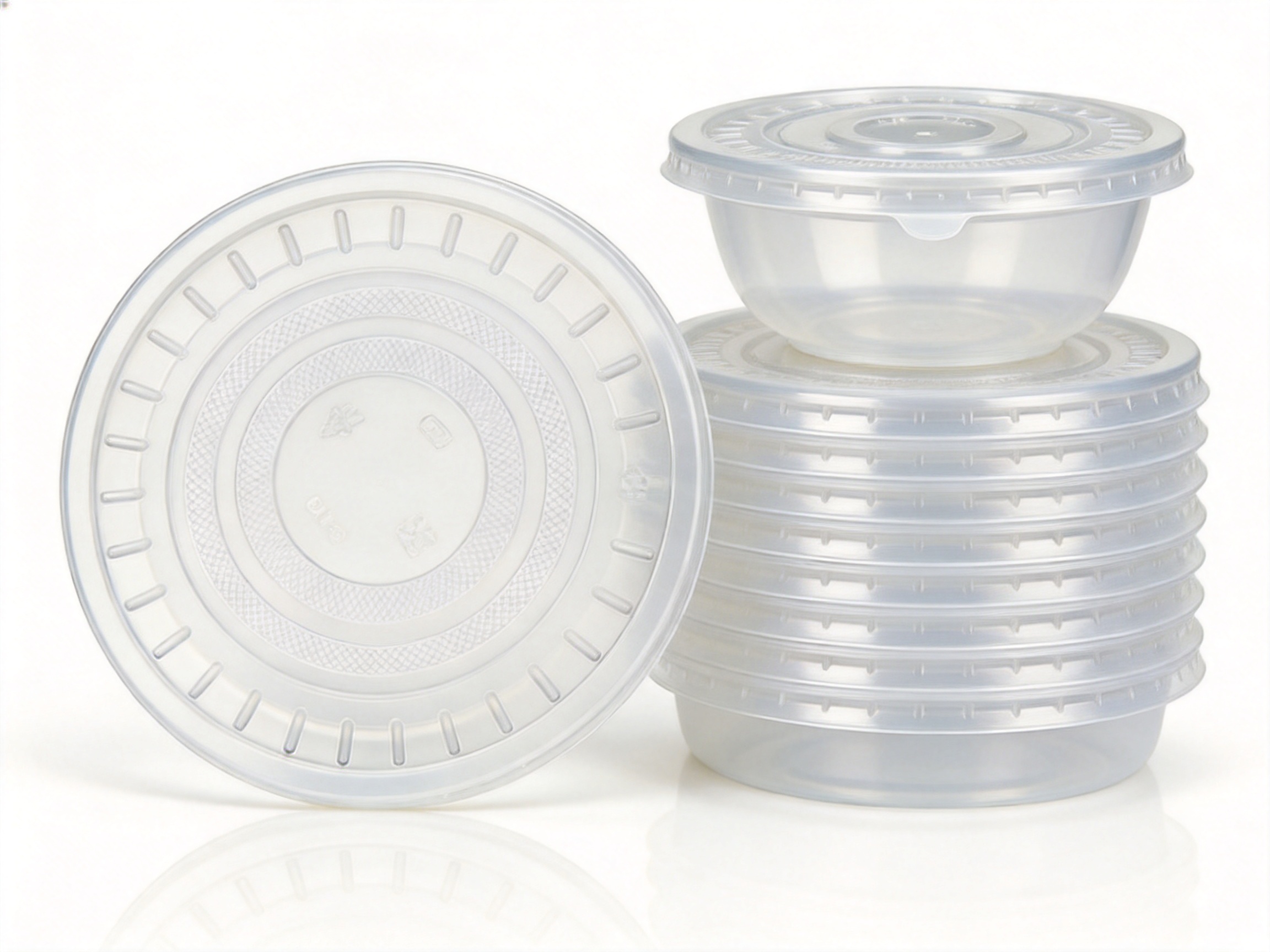
The clear PP plastic ordinary vented lid can be stacked neatly, making it easier to store in cartons, shelves, and packing stations. This reduces clutter and helps staff pick lids quickly during peak service periods. A consistent stacking profile also supports automated or semi-automated packing processes for larger food production operations.
For distributors and wholesalers, stackability improves logistics efficiency. More units can be packed and transported in an organized way, reducing handling inconvenience and improving warehouse management.
Advantages Over Common Competing Lid Types
Compared with ordinary non-vented lids, the clear PP plastic ordinary vented lid offers better pressure balance for hot food packaging. Non-vented lids can trap steam and pressure, increasing the risk of condensation and deformation. A vented PP lid offers a more practical solution for many takeaway meals.
Compared with very thin plastic lids, the thickened PP structure offers better durability. Thin lids may reduce immediate material cost, but they can create quality risks. They may crack, warp, or fit inconsistently. A stronger lid is more reliable for restaurants that care about customer experience and delivery performance.
Compared with opaque lids, the clear design improves visibility. Operators can identify food quickly, and customers can see the meal without opening the package. This is a practical advantage for food safety, order accuracy, and visual appeal.
Compared with some rigid but brittle alternatives, PP provides a more flexible and impact-resistant option. This is important during transport and stacking. The lid can absorb normal handling stress better than materials that crack easily.
Compared with generic low-grade lids, a product manufactured under a strict quality management system provides stronger consistency. Size accuracy, material safety, sealing edge quality, and appearance stability all matter when thousands or millions of lids are used in foodservice operations.
Manufacturing Strength Behind Stable Product Quality
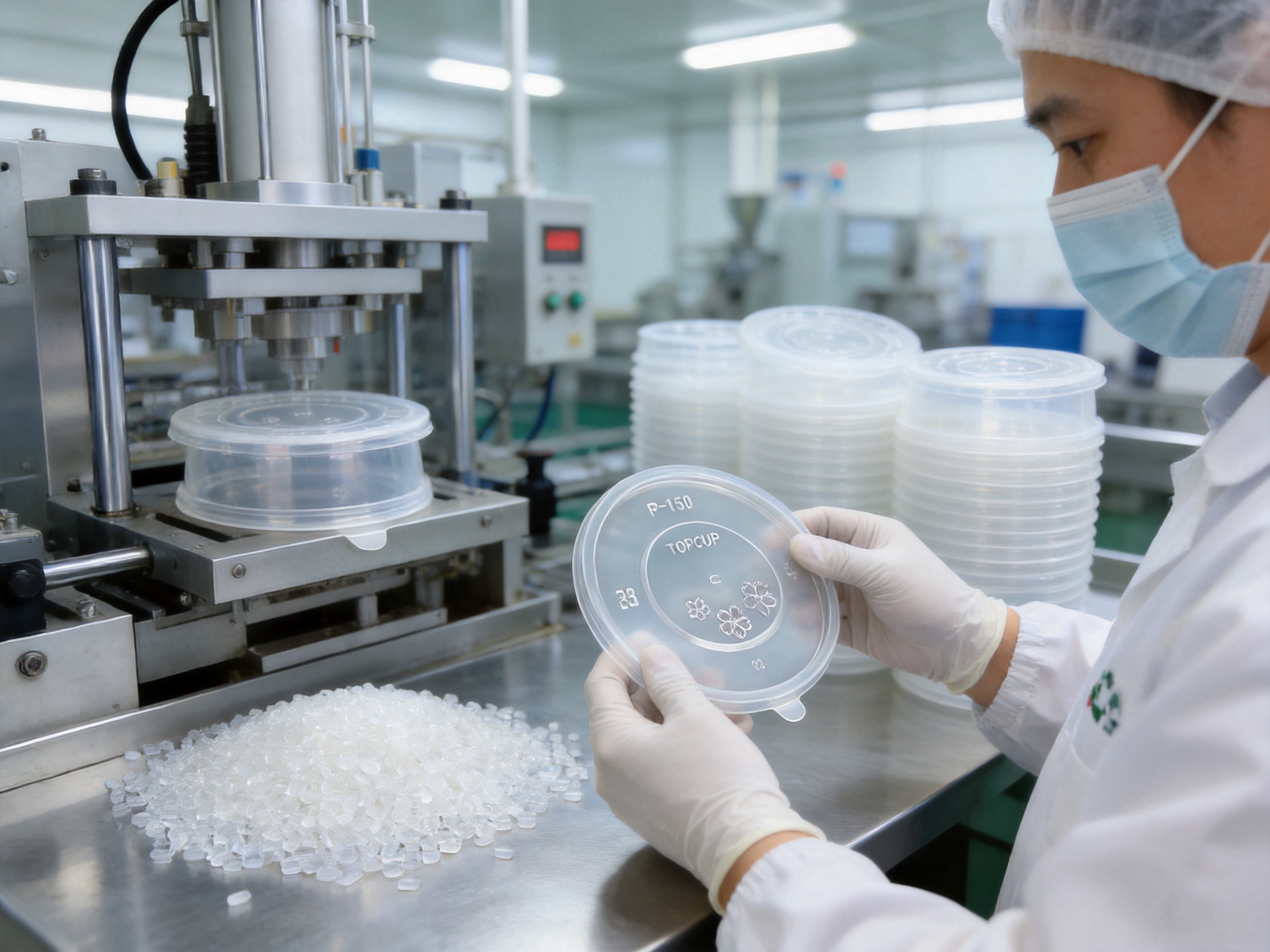
The performance of a disposable lid depends not only on its design but also on the manufacturing process behind it. Consistent quality requires qualified raw materials, precise tooling, stable forming parameters, inspection systems, and experienced production management. Yuqian Packaging Technology (Jiangsu) Co., Ltd. has developed strong manufacturing capabilities in food packaging products, including plastic cups, plastic cup lids, takeaway bowls, disposable straws, recycle bags, peripheral products, and injection film lining cup and bowl box solutions.
The company was established in 2010 and is located in Taizhou City, Jiangsu Province, China. With a plant area of approximately 30,000 square meters, it focuses on research, development, production, and sales of new food packaging materials and food packaging products. This manufacturing background gives the clear PP plastic ordinary vented lid a strong production foundation.
Advanced manufacturing begins with material selection. Food-grade PP raw material is selected according to product safety and performance requirements. The material must support transparency, forming stability, toughness, and odor control. By controlling raw material quality, the manufacturer can reduce common problems such as color inconsistency, brittleness, uneven thickness, and poor forming results.
Process control is equally important. During production, parameters such as temperature, pressure, forming time, cooling condition, and mold precision affect the final product. A lid must match its intended container size closely. Even small dimensional deviations can affect sealing performance. Reliable production lines and experienced technicians help maintain stable product dimensions.
Quality inspection is conducted to check appearance, size, weight, fit, strength, transparency, and overall usability. For high-volume disposable packaging, consistency is essential. A restaurant or distributor expects each carton of lids to perform like the previous one. Quality management systems help ensure that repeat orders remain stable.
Certifications and Quality Management
Quality certifications reflect a manufacturer’s commitment to standardized production and product safety. The company has passed the QS national industrial product production license, ISO9001 Quality Management System certification, BRC certification, German authoritative safety DIN certification, and EU ROHS+ testing. These qualifications support confidence for domestic and international buyers.
ISO9001 certification indicates that the company operates according to an established quality management framework. This includes process control, documentation, corrective actions, and continuous improvement. For buyers, it means the supplier is not only producing products but also managing quality systematically.
BRC certification is significant in food packaging because it relates to safety, hygiene, and production control. Food packaging manufacturers must pay attention to contamination prevention, traceability, and operational discipline. A certified system helps reduce risks throughout production and supply.
DIN and EU ROHS+ related testing further support product compliance in markets that value safety and restricted substance control. For international buyers, these certifications can reduce supplier evaluation concerns and support smoother cooperation.
Customization for Different Foodservice Needs
Food packaging is not one-size-fits-all. Different foods, container shapes, service models, and brand requirements may require different lid dimensions, colors, or packaging solutions. The clear PP plastic ordinary vented lid can be customized according to customer requirements, including color and caliber. Customization helps customers achieve better compatibility with their food containers and brand strategies.
For example, a foodservice brand may require a specific transparent tone, a special fit for its takeaway bowl, or a lid size adapted to its existing container system. A distributor may need bulk packaging formats suitable for warehouse handling and resale. A chain restaurant may need stable long-term production with strict dimensional consistency across multiple branches.
OEM manufacturing capability is an important advantage. The company can respond to customer needs from sample development to mass production. This includes discussing technical requirements, testing samples, adjusting molds or parameters where applicable, confirming fit with containers, and arranging high-volume production. Flexible production lines and efficient supply chain management allow the manufacturer to support both standard and customized orders.
Application Scenarios
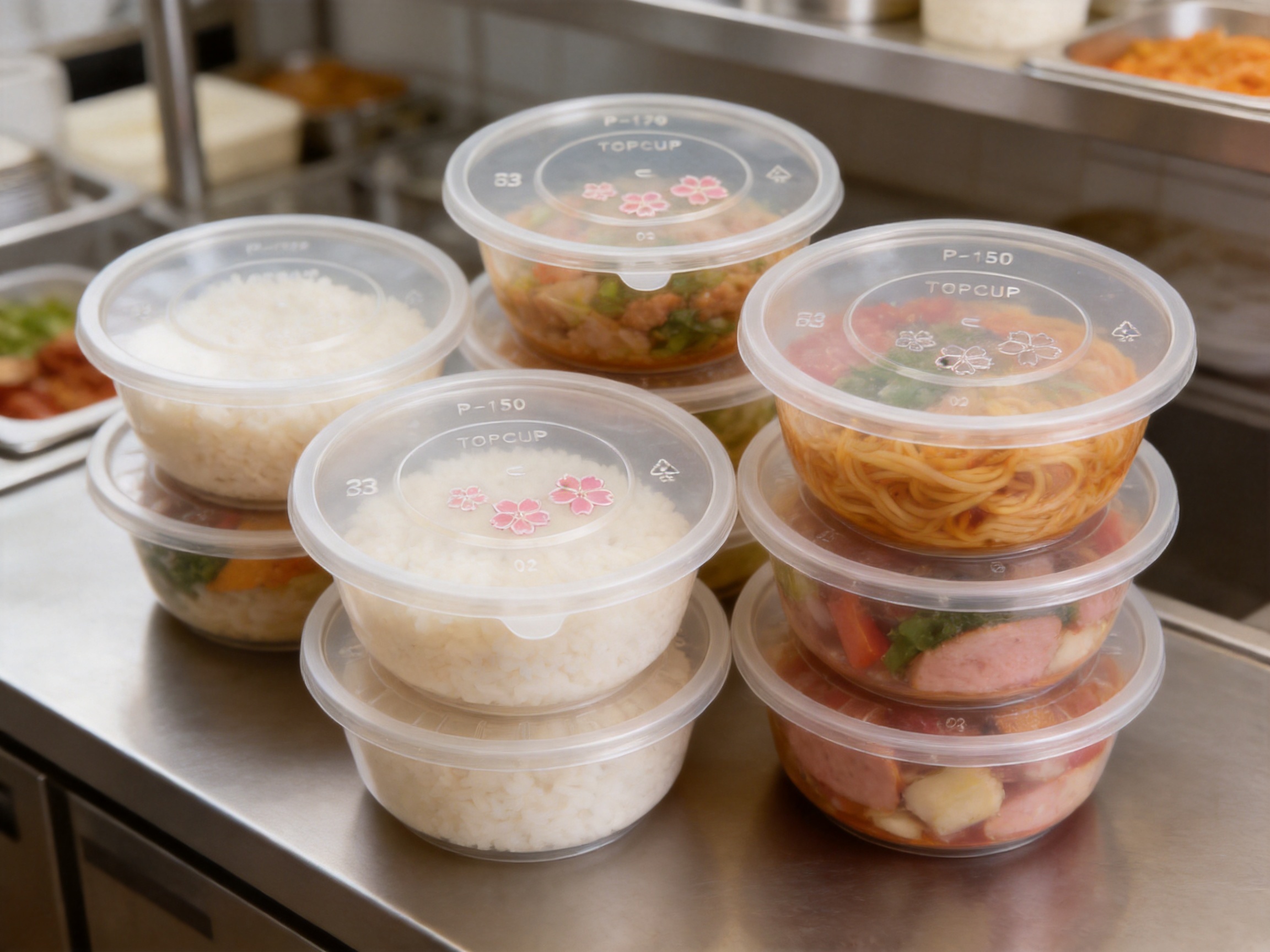
The clear PP plastic ordinary vented lid is suitable for many food packaging environments. In takeaway restaurants, it can be used for rice bowls, noodles, stir-fried dishes, salads with separate sauces, and prepared meals. Its transparent appearance and secure fit help staff complete orders quickly and accurately.
In delivery operations, the lid supports transport stability. Food may travel through multiple handling steps before reaching the customer. A durable vented lid helps maintain packaging integrity and food presentation during this process.
In cafeterias and institutional catering, stackable lids help improve service efficiency. Large-volume operations need packaging that is easy to store, easy to access, and consistent in fit. A lid that performs reliably reduces service interruptions.
In supermarkets and convenience stores, clear lids are useful for prepared food displays. Customers can inspect the food visually while the product remains covered. This supports hygiene and merchandising appeal.
In food production and meal prep businesses, consistent lid dimensions are especially important. Operators may package hundreds or thousands of meals per day. Reliable lid fit reduces rework and improves packing line efficiency.
Environmental Responsibility and Recyclability Considerations
Environmental awareness is growing among consumers, foodservice operators, and regulators. Disposable packaging must now balance convenience with responsibility. PP is a recyclable plastic in many recycling systems, depending on local collection and processing infrastructure. The use of PP material can support recycling-oriented packaging strategies where proper recovery systems exist.
The company responds to environmental protection policies by adopting environmentally friendly transparent PP materials, reducing energy consumption and waste emissions in the production process, and developing recyclable and degradable vented lid products. This direction reflects the future of disposable food packaging: safer materials, cleaner production, improved resource efficiency, and better end-of-life planning.
It is important to recognize that environmental performance depends on the whole system. Material selection matters, but so do product weight, manufacturing efficiency, transport efficiency, recycling access, and consumer disposal behavior. A stackable, lightweight PP lid can reduce logistics burden compared with heavier alternatives. Stable manufacturing can reduce waste caused by defective products. Recyclable material selection can support responsible disposal where recycling programs are available.
Foodservice businesses can improve environmental outcomes by selecting suitable packaging, avoiding overpackaging, training staff to use the correct lids and containers, and communicating disposal guidance to customers where possible.
Food Safety and Hygiene Advantages
Food packaging must protect food from external contamination while avoiding harmful interaction with the food itself. The clear PP plastic ordinary vented lid is made from food-grade PP raw materials and is designed to be non-toxic and odorless. These characteristics are essential for direct and indirect food contact applications.
Hygiene also depends on packaging integrity. A properly fitted lid reduces unnecessary opening and rehandling. In takeaway service, staff can close the container quickly after packing, reducing exposure to the surrounding environment. Customers can receive covered food with better confidence.
The transparent design helps reduce the need to open containers for checking. Staff can visually confirm the meal, portion, or order content through the lid. This helps maintain hygiene while improving accuracy.
Design Balance: Sealing and Ventilation
The most important feature of this product is the balance between sealing and ventilation. A lid that seals too loosely is not useful. A lid that seals too tightly without venting may create pressure issues. The clear PP plastic ordinary vented lid is designed to maintain practical sealing while providing a certain ventilation function.
This balance is particularly valuable for hot food. When hot meals are packed, steam forms inside the container. Controlled venting helps release part of that steam and stabilize pressure. At the same time, the lid structure helps keep the container covered and reduces leakage risk during ordinary handling.
Good design is often about solving multiple problems at the same time. This lid addresses visibility, sealing, ventilation, durability, safety, stackability, and customization. That combination makes it suitable for professional disposable food packaging systems.
Supply Capability and One-Stop Service
For packaging buyers, product performance is only one part of supplier selection. Stable supply is equally important. Restaurants, distributors, and food production companies need packaging that arrives on time, in consistent quality, and in suitable quantities. A supplier with mass production capability and one-stop service can reduce procurement complexity.
The manufacturer supports mass production of disposable food packaging products. This is valuable for customers who require regular supply, seasonal order increases, or customized production plans. A one-stop service model can include product consultation, sample support, customization, production, quality inspection, packaging, and delivery coordination.
Efficient supply chain management helps shorten response time and improve order reliability. For growing foodservice brands, this supplier capability can support expansion into new cities, additional stores, or new product lines.
How the Lid Supports Brand Experience
Packaging has become part of the dining experience. Customers judge takeaway meals not only by taste but also by appearance, cleanliness, convenience, and packaging reliability. A lid that fits well and looks clean contributes to a professional brand image.
A clear lid shows confidence in the food. It allows the customer to see the meal before opening the package. A durable lid reduces the risk of damage during delivery. A vented lid helps food arrive in better condition by reducing excessive steam pressure and condensation. These small details can influence repeat purchase decisions.
For restaurants and catering businesses, reliable packaging can also reduce staff stress. When lids are easy to use and fit consistently, packing becomes faster and less error-prone. During busy periods, packaging efficiency directly affects order speed and customer satisfaction.
Operational Benefits for Buyers
From a procurement perspective, the clear PP plastic ordinary vented lid offers several operational benefits. First, it supports compatibility with matching containers, especially where the 179 mm caliber is required. Second, the 8 g weight provides a practical balance of strength and cost. Third, the transparent appearance improves food visibility. Fourth, the stackable structure saves storage space. Fifth, customization options help buyers align packaging with their product systems.
Buyers should consider more than unit price. They should evaluate fit accuracy, breakage rate, leakage performance, appearance quality, supplier reliability, certification status, customization support, and after-sales response. A lid that performs consistently can reduce waste, complaints, and operational delays.
Comparison with Alternative Materials
Different food packaging materials have different strengths. PET lids often offer excellent clarity, but they may not provide the same heat resistance as PP in certain hot food applications. PS lids can be rigid and economical, but they may be more brittle. Paper lids may be suitable for specific eco-focused applications but may lack transparency and can face moisture challenges depending on coating and design. PP offers a balanced option for takeaway lids that need durability, heat tolerance, food contact safety, and practical forming efficiency.
The clear PP plastic ordinary vented lid is especially suitable when the packaging must handle warm or hot food while maintaining visibility and flexibility. It is a practical middle ground between performance and cost. For many catering operations, this balance is more valuable than maximizing a single feature while sacrificing others.
Quality Details That Buyers Should Notice
When evaluating a PP vented lid, buyers should check the edge finish. A smooth, consistent edge improves fit and handling safety. They should also check transparency. A clear lid should not appear cloudy, contaminated, or uneven. Weight consistency is another important indicator. Large variation in weight may suggest unstable production control.
Fit testing is essential. Buyers should test the lid with the actual container it will be used with. They should check whether it snaps or seats properly, whether it remains secure when the container is gently moved, and whether it can be opened without excessive force. They should also test hot food conditions because steam and temperature can affect performance.
Stacking behavior should also be observed. Lids should separate smoothly during use. If lids stick together too tightly, staff may waste time separating them. If they stack poorly, storage and handling become inconvenient.
Advanced Production and Continuous Improvement
The manufacturer’s strength includes continuous research and development, process optimization, and quality improvement. In the food packaging industry, small improvements can create significant benefits. Better mold design can improve fit accuracy. Improved material formulas can enhance transparency and toughness. Process optimization can reduce defects and energy consumption. Better packaging methods can reduce transport damage.
Continuous improvement also supports changing market needs. As customers demand safer, cleaner, more sustainable, and more customized packaging, manufacturers must adapt quickly. The company’s experience in multiple disposable food packaging categories gives it broad insight into container and lid systems. This helps it develop products that work well in real foodservice conditions rather than only in theory.
Practical Guidance for Use
To achieve the best performance, operators should match the lid with the correct container caliber. The 179 mm regular lid should be used with compatible containers designed for that size. Incorrect matching can reduce sealing performance and increase leakage risk.
Food should not be overfilled. Even a high-quality lid cannot perform properly if the container is filled beyond its safe level. Overfilling can push food or liquid against the lid and increase the risk of leakage. Operators should leave appropriate headspace, especially for hot foods that release steam.
After closing the lid, staff should check that the lid is seated evenly around the rim. A partially closed lid may appear covered but can fail during transport. Training staff on proper lid application can reduce complaints and improve delivery success.
For hot foods, the vented design helps manage steam, but packaging should still be selected according to the food type. Very liquid foods, high-oil dishes, or foods requiring special sealing may need additional packaging solutions or careful handling instructions.
Who Should Choose This Product
This product is suitable for restaurant chains, takeaway brands, food distributors, packaging wholesalers, supermarket prepared food departments, catering companies, meal prep brands, cafeterias, and food production businesses. It is especially useful for buyers who need transparent, durable, food-grade, vented PP lids for containers with compatible dimensions.
It is also suitable for customers seeking OEM support. If a buyer requires customized color, caliber, or packaging arrangement, the manufacturer can provide consultation and production support according to specific requirements.
Why This Product Stands Out
The clear PP plastic ordinary vented lid stands out because it combines multiple practical advantages in one product. It is transparent, food-grade, odorless, thickened, durable, stackable, vented, and customizable. It offers a better user experience than thin or poorly fitted lids, better hot food suitability than many non-vented lids, and better visual presentation than opaque lids.
Its competitive strength is not limited to the physical lid. The manufacturing system behind it adds value through certified production, quality management, OEM capability, large-scale manufacturing, and industry experience. Buyers are not only purchasing a disposable lid; they are purchasing supply stability, product consistency, and technical support.
Q&A Section
What is the clear PP plastic ordinary vented lid used for?
It is used to cover compatible takeaway bowls, food containers, and disposable food packaging products. It helps protect food, reduce leakage risk, support ventilation, and maintain presentation during takeaway, delivery, catering, and prepared food service.
What material is the lid made from?
The lid is made from food-grade polypropylene, commonly known as PP. This material is lightweight, durable, chemically stable, non-toxic, odorless, and suitable for many food packaging applications.
Why does the lid need a vent?
The vent allows limited air circulation and pressure relief. This is helpful when packaging hot food because steam can build up inside a closed container. Venting helps reduce deformation, excessive condensation, and pressure-related lid loosening.
Is the lid transparent?
Yes. The standard color is transparent. Transparency allows food visibility, improves presentation, and helps staff check orders without opening the container.
What is the size of the product?
The listed regular lid type has a caliber of 179 mm and a gram weight of 8 g. Buyers should confirm compatibility with their specific containers before ordering.
Can the lid be customized?
Yes. Customization can be provided according to customer requirements, including color, caliber, and other practical packaging needs. OEM support is available from sample development to mass production.
Is the lid suitable for hot food?
PP is commonly used for warm and hot food packaging because of its practical heat resistance. The vented design also helps manage steam. However, buyers should test the lid with their specific food type, filling temperature, and container system.
Does the lid prevent leakage completely?
The lid has a leak-resistant design and good sealing performance when matched with the correct container and used properly. However, as with most disposable takeaway packaging, performance can be affected by overfilling, severe tilting, liquid content, and incorrect container matching.
What certifications support product quality?
The manufacturer has passed QS national industrial product production license, ISO9001 Quality Management System certification, BRC certification, German authoritative safety DIN certification, and EU ROHS+ testing. These certifications support standardized production and product safety management.
Why choose this lid instead of a cheaper thin lid?
A cheaper thin lid may reduce initial purchase cost but can increase breakage, leakage, deformation, and customer complaints. A thickened PP vented lid offers better durability, more stable fit, and stronger overall value for professional foodservice operations.
How should the lid be stored?
It should be stored in a clean, dry area away from contamination, direct heat, and heavy pressure. Its stackable design helps save storage space and supports efficient handling.
Who can benefit most from this product?
Restaurants, takeaway shops, delivery brands, cafeterias, catering businesses, supermarkets, distributors, and meal prep companies can benefit from this lid, especially when they require transparent, durable, vented PP packaging solutions.
Conclusion
The clear PP plastic ordinary vented lid is a practical and reliable solution for modern disposable food packaging. It answers the key needs of takeaway and catering operations: food visibility, secure coverage, ventilation, durability, hygiene, stackability, and customization. Its food-grade PP material provides a strong balance of safety, strength, light weight, and processing efficiency.
Compared with ordinary non-vented lids, thin lids, opaque lids, and brittle alternatives, this product offers a more balanced performance profile. It helps manage steam, reduce pressure issues, improve food presentation, and support more reliable transport. Its thickened structure and leak-resistant design make it suitable for high-volume foodservice environments where consistency matters.
The product is further strengthened by advanced manufacturing capability, strict quality management, recognized certifications, OEM customization, and mass production support. For buyers seeking dependable disposable food packaging containers and accessories, the clear PP plastic ordinary vented lid offers not only a useful product but also a professional supply solution.
References
1. Robertson, G. L. Food Packaging: Principles and Practice. CRC Press.
2. Marsh, K., and Bugusu, B. Food Packaging: Roles, Materials, and Environmental Issues. Journal of Food Science.
3. Selke, S. E. M., Culter, J. D., and Hernandez, R. J. Plastics Packaging: Properties, Processing, Applications, and Regulations. Hanser Publications.
4. Yam, K. L. The Wiley Encyclopedia of Packaging Technology. Wiley.
5. International Organization for Standardization. ISO 9001 Quality Management Systems Guidelines.
6. British Retail Consortium. Global Standard for Packaging Materials.
7. Soroka, W. Fundamentals of Packaging Technology. Institute of Packaging Professionals.